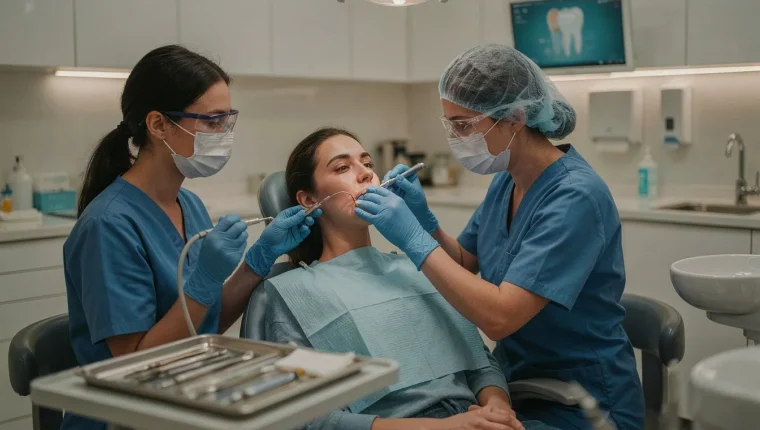
Dental veneers results are often visible immediately after placement, but the final impression develops as your smile, gums, and bite adjust. Teeth may look brighter and more even right away, while minor sensitivity, gum tenderness, or an unfamiliar feeling can take a little time to settle. The dental veneers results timeline depends on the number of veneers, the treatment method, your bite, and your natural healing response. Early changes are best judged in normal lighting and during everyday activities rather than by focusing on every small detail. As comfort improves and the veneers feel more natural, you can assess how well they support your appearance, speech, chewing, and long-term oral care.
What to Expect During the Dental Veneers Results Timeline
Veneers can create an immediate change in tooth color, shape, and symmetry, but the full result is assessed in stages. Right after placement, your dentist checks the fit, margins, contact points, and bite. The teeth may look brighter or slightly different from what you imagined while you become accustomed to their new contours.
During the next several days, the surrounding gums may appear mildly irritated, and your bite can feel unfamiliar when you speak or chew. These early sensations do not necessarily indicate a problem. As the soft tissues calm and your jaw adapts, the smile often begins to feel more coordinated. The visual result should also be judged in natural light and from different angles rather than only in the dental chair.
Early assessment and follow-up are important because certain concerns are easier to correct soon after placement. Contact your dentist if a veneer feels high when you bite, remains uncomfortable, catches floss, or causes persistent sensitivity. A rough edge, noticeable movement, or gum swelling also deserves professional review rather than self-adjustment.
The timing can vary according to the number of veneers, the material used, gum health, tooth preparation, and whether bite correction was part of treatment. Your dentist may schedule a review to make minor adjustments and confirm that the veneers are functioning properly. This appointment provides a more reliable assessment than judging the appearance during the first few hours.
When Do Veneers Start Looking Natural?
Veneers often look noticeably different from the surrounding teeth at first because their shade, surface texture, and contours are new to the eye. A natural-looking result depends on how well these details complement your facial features, gum line, lip movement, and neighboring teeth—not simply on how white the veneers appear.
Visual integration is influenced by several factors. The selected shade should harmonize with the visible natural teeth, while the contour and translucency should reflect how real enamel catches light. Healthy gum tissue also helps create a balanced frame around the veneers. If the gums appear slightly irritated after placement, the smile may look less settled until that response improves.
It is also common to need time to adapt psychologically to a changed smile. Increased awareness of the veneers, or feeling that they look prominent in photographs, does not automatically indicate a problem with their fit or design. Familiarity can make the result feel more natural as you see it in different lighting and facial expressions.
However, contact your treating dentist if a veneer consistently appears too bulky, noticeably mismatched in color, uneven at the gum line, or different from what was agreed during treatment planning. Persistent concerns are easier to address when discussed promptly, before an adjustment or replacement becomes more complicated.
How the First Week Affects Your Final Results

The first week after veneer placement is a useful observation period because small changes can reveal how well your teeth, gums, and bite are adapting. Your smile may already look finished, but the surrounding tissues and your everyday habits are still settling. Paying attention during this stage can help your dentist address a minor adjustment before it places unnecessary stress on a veneer.
- Sensitivity: Mild sensitivity to cold or pressure can occur, particularly if the treated teeth were recently prepared. It should generally become easier to manage rather than steadily intensify.
- Gum response: Slight tenderness or redness along the gumline may reflect early irritation. Gentle brushing and careful flossing help keep the margins clean without aggressive pressure.
- Eating habits: Choose manageable bites and avoid using newly restored teeth to open packaging or bite very hard objects. Extremely hard or sticky foods can create avoidable strain during adjustment.
- Bite changes: If one veneer feels too high, your teeth meet unevenly, or chewing remains awkward, contact the dental practice rather than trying to adapt by force.
Continue normal oral hygiene unless your dentist gives different instructions, using a soft-bristled toothbrush and a non-abrasive toothpaste when appropriate. Persistent pain, increasing sensitivity, swelling, a loose-feeling veneer, or a sharp edge deserves prompt professional assessment. Early contact is especially valuable because a simple bite refinement or evaluation may prevent ongoing discomfort and protect the developing result.
When Will Veneers Feel Fully Comfortable?
Full comfort usually develops as your mouth adapts to the veneers’ new contours. Although the teeth may look settled quickly, your tongue, lips, and jaw may need additional time to recognize the changed surfaces. A slight sense of bulk, altered bite contact, or increased awareness when chewing can occur during this adjustment period.
Speech may also feel different briefly, especially with sounds that involve the front teeth. Mild changes often improve as your tongue adapts. Temperature sensitivity can follow the procedure as well, but it should gradually become less noticeable rather than intensify.
Pay attention to whether your bite feels balanced when your teeth come together. A veneer that contacts too early can create ongoing pressure, chewing discomfort, or jaw fatigue and may require a professional adjustment. Similarly, persistent sensitivity, sharp pain, difficulty speaking, or discomfort that interferes with eating should not be dismissed as routine. Persistent discomfort warrants assessment by your dentist so the fit, bite, and underlying tooth health can be checked.
How Long Do Dental Veneers Results Last?

Veneer results do not have one universal endpoint. With appropriate care, many veneers remain attractive and functional for years, but their longevity depends on the material, preparation quality, oral health, and everyday forces placed on them.
Porcelain and composite veneers have different lifespan expectations, so your treating clinician should explain the likely service period and future replacement needs for the specific option you receive. Regular brushing, interdental cleaning, professional reviews, and prompt treatment of cavities or gum disease help protect both the veneers and the teeth beneath them.
Habits such as nail biting, chewing ice, using teeth to open packages, or frequently clenching and grinding can increase the risk of chips, cracks, or debonding. A night guard may be appropriate for patients with significant bite forces. Dental reviews can also identify changing gum levels, wear, staining at the margins, or bite problems before they compromise the appearance.
If a veneer becomes loose, damaged, painful, or surrounded by changing gums, contact your dentist rather than waiting for a routine appointment. Your clinician can provide the most reliable estimate of how long your results may remain satisfactory and when maintenance or replacement should be considered.
FAQs
How soon will I see the final results of dental veneers?
You can usually see the final appearance of dental veneers immediately after placement. Your teeth and gums may look slightly different for a few days as you adjust, and minor gum irritation or sensitivity typically settles soon. A follow-up appointment allows your dentist to check the fit and make any necessary adjustments.
What factors can affect the dental veneers results timeline?
The timeline can vary depending on the condition of your teeth and gums, the number of veneers, the type of material, and whether you need treatments such as fillings or gum reshaping first. Your dentist’s planning, the laboratory’s production time, and how quickly your gums heal can also affect when the final results appear.
How long do dental veneer results typically last?
Dental veneers typically last 10 to 15 years with proper care, although some may remain effective longer. Their lifespan depends on the material, oral hygiene, bite forces, and habits such as teeth grinding or chewing hard objects. Regular dental checkups and avoiding excessive pressure can help extend their results.