After an arm lift in Turkey, most patients want to head home as soon as their surgeon clears them, often on a long-haul flight back to the USA. Sitting in a narrow seat at 30,000 feet with fresh incisions, compression sleeves, and swelling sounds uncomfortable and raises real questions about healing, safety, and timing. Airlines, surgeons, and cabin pressure affect when it is safe to board the plane. Getting the timing wrong can lead to increased swelling, delayed wound healing, or even a seroma that needs medical attention after you land.
Thousands of people fly home after an arm lift every year without problems by following a few clear rules. Surgeon approval is the first checkpoint, not the calendar. Most reputable Turkish surgeons want to see you for at least one in-person follow-up, usually 5 to 7 days after surgery, before signing off on long flights. Cabin pressure, dehydration, and limited movement on a 10 to 14 hour flight can all affect incision sites, which is why careful planning matters more than booking the cheapest ticket.
Recovery Timeline Before Boarding Your Flight
Most surgeons recommend waiting at least 7 to 10 days before stepping onto a plane, but the real clock starts the moment your drains come out and your incisions begin to close. During the first week, your arms are still actively healing, swelling peaks, and any sudden pressure change in the cabin can aggravate bruising or even open fresh incision lines. That is why the typical recovery window usually stretches to 10–14 days on the safer end, especially when you factor in the long-haul flight back to the United States.
By day ten, the risk of fluid collection has dropped noticeably, and most patients can move their shoulders with manageable discomfort. Still, rushing the timeline is one of the most common mistakes I see; patients feel good on day six, board a flight, and end up with swollen, tight arms by the time they land. Your body is the only reliable calendar here, not your travel ticket.
If you are planning your trip with a return flight in mind, schedule your surgical date so that you have a full two weeks of recovery in Istanbul or Antalya before heading home. This buffer also gives you time for a final in-person check-up, suture or drain removal, and printed medical documentation that explains your post-op status for airport security.
Surgeon's Clearance: The Green Light to Fly
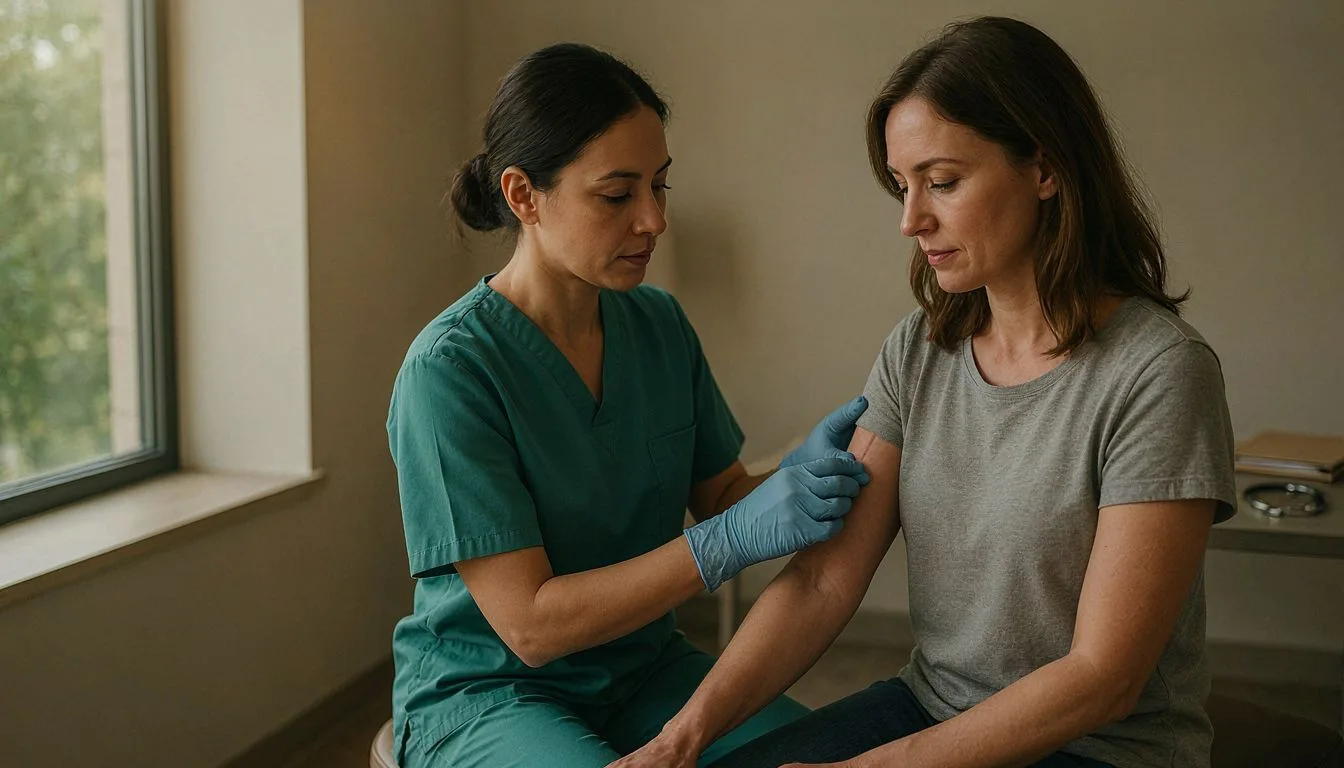
Getting your surgeon’s formal clearance is the checkpoint that transforms a hopeful travel plan into a safe one. Think of it as a medical stamp that says your body has moved past the most delicate stage of healing and can now tolerate the cabin pressure, long sitting hours, and logistical stress of crossing continents.
Rather than counting days alone, surgeons base clearance on how your wounds are actually behaving when they examine you. Here is what they typically review before signing off:
- Closed incisions — The arm lift scars must be fully sealed, with no open spots, drainage, or scab separation that could invite infection mid-flight.
- Stable swelling — Bruising and puffiness should be trending downward, not still expanding, which signals that tissues are no longer in an acute inflammatory phase.
- Pain control without strong narcotics — If discomfort is manageable with mild medication, you are far safer to travel than someone who still needs sedating painkillers.
- No signs of complications — Surgeons screen for hematoma, seroma, wound separation, or unusual redness that could worsen under altitude changes.
- Drain and suture status — Any drains should be removed, and external stitches or staples should be out or ready to come out on schedule.
Ask for the clearance in writing, ideally as a dated letter or clinical note that includes the surgical details and your surgeon’s contact information. That single document will be your anchor when airline staff, border officers, or your US-based physician need reassurance that the trip home was medically sanctioned.
Choosing the Right Flight Duration and Route
Once your surgeon gives the green light and your incisions are fully closed, the next practical decision is how you actually get home. Not every flight path from Turkey to the USA is created equal when your arms are still healing, so a little route planning goes a long way.
Direct flights from Istanbul to cities like New York, Chicago, or Los Angeles typically clock in around 10 to 12 hours, and that long stretch of cabin pressure and limited movement is the single biggest comfort challenge. If your surgeon is comfortable with the timeline and your budget allows, a nonstop is usually the easier option because you avoid lifting carry-on bags through a second boarding gate and you skip the awkward shuffling through a busy transfer hub with tender arms.
For patients who prefer cheaper one-stop itineraries through European hubs like Frankfurt, Amsterdam, or London, the break in the middle can actually be a small gift. A 60 to 90 minute layover lets you stand up, stretch your shoulders gently, walk a bit to get circulation moving, and reapply any compression without feeling rushed. Just check that the layover city is wheelchair-friendly on request, so a gate agent can bring a cart if your arms get tired at the airport.
Whichever option you pick, book an aisle seat so you can shift position without bumping a sleeping neighbor and keep essentials like water, loose clothing, and any prescribed medication in a small bag that slides easily under the seat in front of you, which matters more than people expect when every arm movement still feels like a negotiation.
Managing Swelling and Comfort at High Altitude
Cabin pressure at cruising altitude behaves like a mild stress test on freshly operated tissue. Even when your incisions are closed and your surgeon has cleared you, the reduced oxygen saturation and lower atmospheric pressure inside the aircraft can cause fluid to shift into the arms, amplifying the swelling you have been carefully managing on the ground. That is why compression garments matter more on the plane than almost anywhere else during the trip.
Wear your surgical compression sleeves from the moment you enter the airport, and keep them on for the full 10 to 12 hours in the air. Loose, breathable clothing layered over the top helps prevent the fabric from rolling or pinching. Avoid removing the sleeves mid-flight to “give the skin a break” — steady, gentle pressure is what keeps lymphatic drainage moving and prevents sudden fluid buildup around the upper arms.
Movement is the second pillar of in-flight comfort. Set a quiet reminder to flex and extend your elbows, rotate your wrists, and gently shrug your shoulders every thirty to forty-five minutes. Short walks down the aisle during long-haul stretches also help circulation in the lower body, which indirectly supports overall fluid balance. Stay hydrated with room-temperature water, skip alcohol and excess caffeine, and choose light, low-sodium meals so your body does not retain extra fluid at the same time the cabin is already encouraging swelling.
If your arms feel tight or heavy during descent, do not panic — this response is common and temporary. Raise your arms above your heart level using the small pillow provided by the airline, breathe slowly, and let the compression sleeves do their work once you land. Patients who take these small steps consistently report a far smoother arrival on US soil, with noticeably less puffiness in the first forty-eight hours.
Risks of Early Air Travel After Arm Lift Surgery
Even with surgeon approval, your body is still quietly healing beneath those closed incisions. Tissues are reorganizing, fluid balance is shifting, and the immune system is working overtime. Throwing a long international flight into that fragile window can push things in a direction neither you nor your surgeon wants.
The pressure changes alone do not tell the whole story. When recovery is rushed, the more common complications tend to show up in patterns that are worth recognizing before you book:
- Increased swelling and fluid accumulation in the upper arms because lymphatic drainage is still sluggish.
- A higher chance of incision reopening when arm movement or lifting luggage strains healing tissue.
- Blood clot risk in the legs or lungs, which rises whenever long immobility meets recent surgery.
- Unexpected fatigue that turns a 10 to 12 hour flight into a deeply uncomfortable experience.
- Delayed recognition of infection if symptoms are dismissed as ordinary travel exhaustion.
Each of these risks shrinks substantially once you give yourself a real buffer, follow your surgeon’s clearance timeline, and respect the early healing phase rather than negotiating with it. Patience here is not caution for its own sake; it is the simplest way to protect the result you traveled for.
Arriving Home: Post-Flight Care Back in the USA

Landing in the States after your flight is a milestone, but the first 48 hours on home soil still require a gentle routine. Keep the arms slightly elevated on pillows when you rest, and continue wearing the compression sleeves your surgeon prescribed; the cabin pressure shift you just experienced can leave tissues feeling puffier than usual for a day or two.
Hydration matters even more now, since long-haul air travel tends to leave the body subtly dehydrated. Drink water steadily, choose light anti-inflammatory meals, and avoid alcohol for at least the first night back. Short, slow walks around the house help circulation without straining the incision lines.
Reach out to your Turkish surgical team once you are settled; most clinics expect a quick check-in message with photos so they can confirm healing is on track before you transition follow-up care to a local provider. Schedule that in-person visit with a board-certified plastic surgeon near home within the first two weeks, and bring every operative note and garment instruction from Turkey for review. Watch for any sudden swelling, redness, or fluid buildup around the arms, and contact a physician immediately if anything feels off. Treating the homecoming as the start of one more careful week is what carries your results safely across the finish line.
FAQs
How soon after an arm lift in Turkey is it safe to fly back to the USA?
Most surgeons recommend waiting at least 7–10 days before flying home after an arm lift in Turkey, so your surgeon can remove drains, monitor early healing, and rule out complications such as hematoma or infection. Long flights increase swelling and DVT risk, so your doctor may also advise wearing compression garments, walking during the flight, and staying hydrated. Many clinics schedule a final check-up around day 6–7 before clearing you for travel.
What airlines or cabin arrangements help make the long flight home more comfortable after arm lift surgery?
After arm lift surgery, choosing an airline with spacious seating and flexible policies can make a long flight far more comfortable. Look for carriers that offer premium economy or business class cabins, since the extra legroom, wider seats, and greater recline reduce strain on your healing arms and incisions. Airlines known for comfortable long-haul options include Singapore Airlines, Emirates, Qatar Airways, and Cathay Pacific, all of which provide lie-flat or near-flat seats in business class that let you keep your arms elevated and supported. If upgrading isn't possible, book an aisle seat with extra legroom, request special assistance during booking, and bring a travel pillow or arm elevation cushion to keep the surgical area comfortably raised throughout the flight.
Do I need any special medical clearance before flying back to the USA following an arm lift procedure in Turkey?
Yes, you should obtain medical clearance from your surgeon in Turkey before flying back to the USA after an arm lift. Most airlines and surgeons recommend waiting at least 7–10 days post-surgery to reduce the risk of complications such as deep vein thrombosis or wound reopening during the flight. Your surgeon will assess your healing progress, confirm that you are fit for travel, and provide documentation that may be required by the airline. It is also advisable to check with your airline for any specific medical forms or policies regarding recent surgical procedures.