When Is It Safe to Fly After Dental Veneers in Turkey?
Whether you can fly soon after veneer treatment depends more on how your teeth and gums respond than on the flight itself. Simple veneer placement usually requires little downtime, but gum contouring, extensive reshaping, temporary restorations, or other dental work may require a more cautious assessment before a long journey.
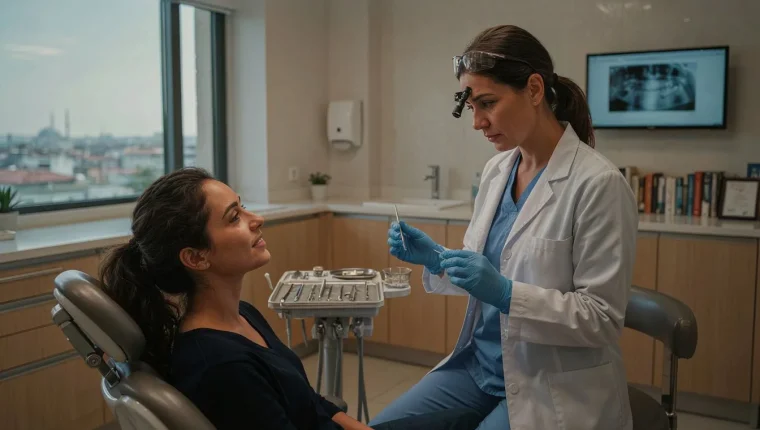
Your dentist should check that the veneers are firmly bonded, your bite feels balanced, and there are no sharp edges or areas of pressure. The cement is generally set during treatment, but your bite may still need fine adjustment once you begin speaking and chewing normally. Mild sensitivity to cold or pressure can be common initially; however, worsening pain, swelling, bleeding, a loose veneer, or difficulty closing your teeth should be reported to the clinic before you travel.
Clinical clearance is particularly important when several teeth were treated or when gum procedures were performed at the same appointment. Ask the treating dentist to confirm that your current symptoms are expected and that no review is needed before departure. Do not rely on a fixed number of hours as a universal rule: your readiness should be based on the procedure performed, the condition of your gums, the stability of your bite, and your dentist’s examination.
How Long Should You Stay in Turkey After Treatment?

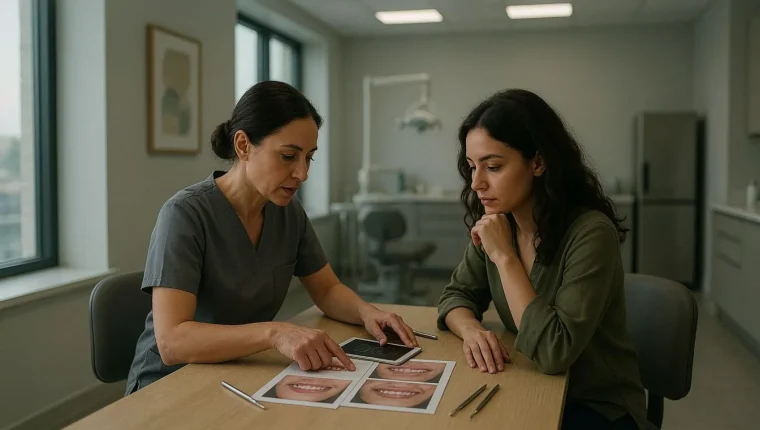
Plan to stay in Turkey long enough to complete the clinic’s scheduled appointments and allow time for a final review before your return flight. Veneer treatment may involve preparation, fitting, temporary restorations, and placement of the final veneers, so the exact timeline depends on your treatment plan and the clinic’s workflow.
Ask the dentist how much time they recommend between the final appointment and travel. This interval allows the team to assess the fit, bite, appearance, and your comfort before you leave. If your bite feels uneven or a veneer requires a minor adjustment, addressing it in Turkey is usually more practical than trying to arrange help after returning to Canada.
It is also sensible to leave room for delayed sensitivity or gum irritation. These symptoms may be mild, but they can become more noticeable after treatment. Keeping your flights and accommodation flexible is therefore a useful safeguard, not a fixed medical rule. Avoid scheduling your departure immediately after the last appointment if possible, and confirm the clinic’s availability for a final fit and bite check before booking a non-refundable itinerary.
Preparing for Flying After Dental Veneers from Turkey to Canada
Good preparation makes the journey home more predictable and helps you respond quickly if questions arise during transit. Before leaving Turkey, organise the information and supplies you may need so that you are not relying on memory, airport shops, or a delayed response from the clinic.
- Aftercare documents: Ask the clinic for written instructions, treatment records, veneer details, and a 24-hour emergency contact. Keep digital copies accessible from your phone as well as printed copies in your hand luggage.
- Food and drinks: Pack soft, non-sticky foods and water for the journey, particularly if chewing feels unfamiliar. Avoid carrying anything that could place unnecessary pressure on the treated teeth.
- Medication and dental supplies: Bring prescribed or clinician-approved pain relief, a soft toothbrush, suitable toothpaste, and any recommended hygiene products in your cabin bag. Follow dosage instructions and keep medication in its original packaging.
- Insurance and airline assistance: Check that your travel insurance covers existing dental treatment and unexpected medical care. Request mobility or airport assistance in advance if your itinerary, recovery, or general health makes long walks and connections difficult.
- Travel schedule: Keep the first days after treatment as flexible as possible. Avoid planning demanding excursions, tight connections, or activities that would make it difficult to contact the clinic or rest if needed.
Save the clinic’s contact details in an international format and confirm how quickly they can respond after departure. Having this information ready supports a calmer trip and gives you a clear first step if a veneer feels unusual or another concern develops.
Managing Discomfort and Protecting Your Veneers During the Flight
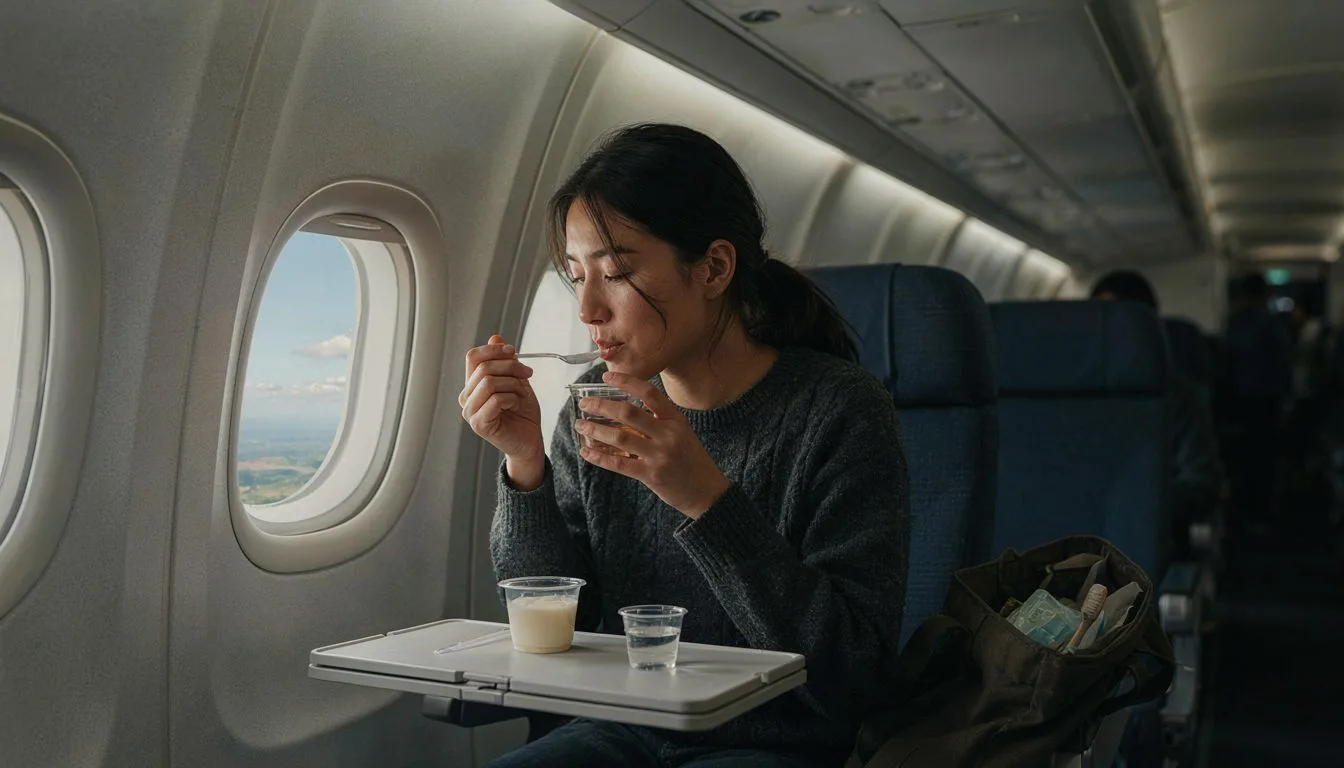
During the flight, treat your recently placed veneers gently and avoid habits that place unnecessary force on them. If your teeth or gums feel tender, choose soft, lukewarm foods such as yogurt, eggs, pasta, or a banana. Take small bites and chew slowly with your back teeth rather than testing the veneers with hard foods. Until your treating dentist says otherwise, avoid ice, nuts, popcorn kernels, hard sweets, sticky candy, and very cold drinks, as these may increase sensitivity or create excessive pressure.
Cabin air does not damage veneers, but dehydration can make your mouth feel uncomfortable. Sip water regularly and limit highly acidic or sugary drinks. Do not chew gum if it encourages forceful biting or pulls against a temporary restoration. Keep any prescribed medication in your hand luggage and use it only as directed by your dentist or clinician.
Maintain normal oral hygiene without scrubbing aggressively. A soft toothbrush and gentle fluoride toothpaste are generally appropriate, while flossing should be careful around the gumline. Avoid introducing whitening products, abrasive powders, or unfamiliar mouthwashes during the journey. The key precaution is avoiding excessive biting force until the veneers and surrounding tissues feel settled.
Contact the Turkish clinic promptly if a veneer feels loose, changes position, develops a sharp edge, or causes persistent bite interference. Severe pain, rapidly increasing swelling, uncontrolled bleeding, fever, or difficulty breathing or swallowing requires urgent dental or medical advice locally, rather than waiting until you return to Canada.
What to Do After Returning to Canada for Follow-Up Care
Once you are back in Canada, continuity of care depends on keeping clear records and knowing who will manage any future concerns. Retain the Turkish clinic’s treatment summary, dental charting, clinical photographs, X-rays, veneer material and laboratory details, cement information, and written aftercare instructions. These records help a Canadian dentist understand how the veneers were designed and bonded, particularly if an adjustment or repair becomes necessary.
A Canadian dental visit is not automatically required if your bite feels comfortable and the Turkish dentist has confirmed that treatment is complete. However, arranging an examination may be sensible if you already have a regular dentist, need ongoing preventive care, or want an independent assessment. Routine monitoring can usually be addressed at a planned appointment, while persistent pain, a noticeably uneven bite, sensitivity that does not settle, looseness, or a chipped or displaced veneer warrants prompt professional assessment.
Before leaving Turkey, clarify the clinic’s remote support process, warranty conditions, coverage exclusions, and responsibility for adjustments or repairs performed in Canada. Keep communication in writing and ask whether they require photographs, examination findings, or specific documentation before authorizing assistance. A Canadian dentist can assess your oral health and provide appropriate care, but the Turkish provider’s policies determine whether travel, laboratory, or replacement costs are covered.
FAQs
How soon can you fly from Turkey to Canada after getting dental veneers?
You can usually fly from Turkey to Canada immediately or within 24 hours after getting dental veneers, provided the procedure was uncomplicated and you feel well. Veneers do not typically require recovery time or create specific flight restrictions, but avoid flying if you have significant pain, swelling, bleeding, or complications and follow your dentist’s advice.
Are there any risks when flying after dental veneers from Turkey to Canada?
Flying after dental veneers is generally safe, including on a long flight from Turkey to Canada, because cabin pressure does not affect properly bonded veneers. Mild tooth sensitivity, gum irritation, or discomfort may occur, so follow your dentist’s aftercare instructions and avoid very hard or sticky foods during the initial healing period. Delay travel and contact your dentist if you have severe pain, significant swelling, bleeding, or a loose veneer.
What should you pack or arrange before flying after dental veneers in Turkey?
Pack prescribed medicines, a soft-toothbrush, fluoride toothpaste, lip balm, and soft foods for the journey. Arrange airport transport, keep your dentist’s contact details and treatment records accessible, and confirm any follow-up appointment before flying. Avoid hard or sticky foods and carry-on items that could damage temporary veneers, if fitted.