If you are planning to get dental crowns in Turkey, you may wonder: how long do you actually need to stay? That is a fair concern. You want enough time for the work to be done properly, but you do not want to book a two-week trip if five days would do. It depends on your case, and anyone promising a single fixed number is skipping important details. This guide covers the procedure, day-by-day recovery, trip length, when it is safe to fly home, follow-up care, and how to enjoy your time in Turkey without risking your new crowns.
Understanding the Dental Crown Procedure in Turkey
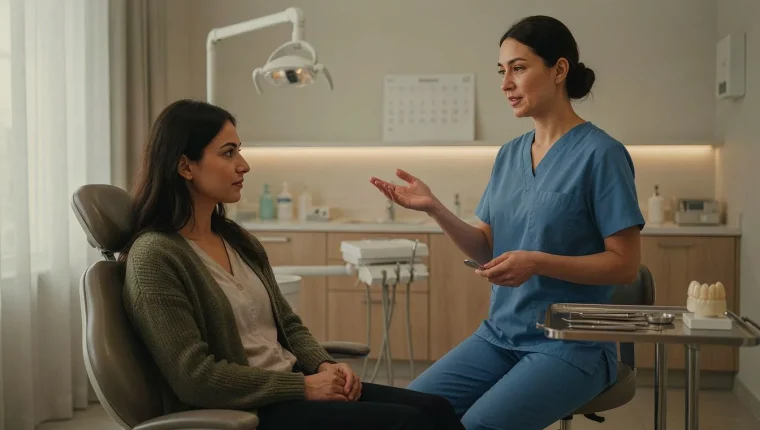
A crown is not a one-visit fix in most cases, and understanding the workflow explains why your time in the country is measured in days rather than hours. A standard course usually begins with a consultation and examination, sometimes including X-rays, to confirm the tooth can be restored rather than extracted. From there, the dentist prepares the tooth by reshaping it so the crown fits over it, takes impressions or a digital scan, and fits a temporary crown to protect the prepared tooth in the meantime.
The dental laboratory step is what drives the schedule. Your impressions or scans go to a lab that fabricates the permanent crown, and this typically takes several working days depending on the material and how complex the shape needs to be. Some clinics offer same-day or “chairside” crowns milled on-site, which compresses the timeline considerably, while others work on a two-visit model where you return once the crown is ready for fitting and cementing.
Appointments themselves are usually comfortable. Local anesthesia numbs the area during preparation, so the reshaping and impression stages are not painful, and much of the work is completed in a single sitting. What differs from a routine checkup back home is the pace: instead of spreading treatment across weeks with gaps between visits, clinics in Turkey often schedule you in consecutive blocks so the whole process fits into one trip.
Typical Recovery Timeline After Getting Crowns

Once the anesthetic fades, the mouth usually feels tender rather than painful. During the first 24 to 48 hours, expect some gum soreness around the treated teeth and mild sensitivity when you drink something cold. If you received a temporary crown while a permanent one is being made, treat it gently — avoid sticky foods and floss around it rather than snapping the floss upward, which can loosen it. A soft diet during this window keeps irritation down without starving you.
By the end of the first week, most people notice the bite settling. Your teeth may feel slightly “high” or uneven as you chew, and mild temperature sensitivity can linger. This is normal post-crown sensitivity, and it typically eases gradually over several days to a couple of weeks. Warm salt-water rinses and gentle brushing around the margin help the gum tissue calm down.
Soreness that steadily improves is a good sign. Soreness that intensifies, a bite that feels persistently wrong, or sharp pain when biting down is not — that warrants a check-in with your dentist before you leave the country. Keep the area clean, chew on the opposite side when you can, and skip very hot or very cold drinks until sensitivity fades.
How Many Days Should You Plan for Your Trip
Most patients can plan their entire dental crown trip around a single week, but that number only holds for the simplest cases. The honest answer depends on how much work your mouth needs and how quickly the dental laboratory can turn your restorations around. A realistic plan builds in a cushion so that a slow lab day or a rescheduled appointment does not force you to change your flight.
Here is a practical way to think about blocking out days:
- Short-stay scenario: A single crown with a fast lab turnaround often fits into five to seven days, including the preparation visit, the fitting, and a short check before you leave.
- Longer-stay scenario: Multiple crowns, a bridge, or staged visits can push the timeline to ten days or two weeks, because each unit adds lab time and chair time.
- Buffer day before flying: Keeping one spare day after your final fitting gives the clinic room to adjust the bite or cement a crown that needs a small tweak.
- Travel logistics: Flight arrival times, airport transfers, and clinic opening hours all squeeze or stretch the calendar, so confirm appointment days before you book anything.
Treat the buffer day as part of the treatment, not as wasted vacation time. If everything goes smoothly, you simply have a free day to rest or explore; if a crown needs a minor adjustment, you already have the appointment slot to fix it.
Factors That Can Extend or Shorten Your Stay
The number of teeth involved is the single biggest variable. A single crown can often be completed within the standard short-stay window, but a bridge or a full-mouth reconstruction multiplies both chair time and laboratory work, sometimes adding several days. If your case involves multiple units, ask the clinic early how many visits the plan requires.
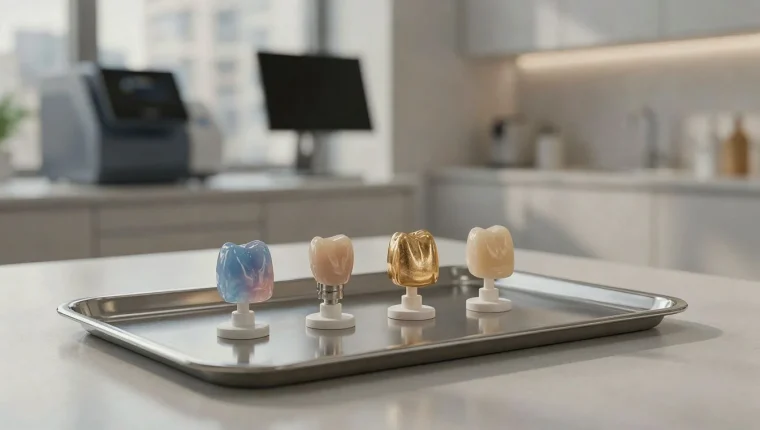
Crown material also matters. Some restorations can be milled or finished quickly, while others need a dental laboratory to fabricate them, which can add a day or more depending on the material and how busy the lab is. Your own healing response plays a role too. Most people follow a predictable course, but existing dental or medical conditions, and certain medications, can slow soft-tissue recovery and push back the point at which you feel comfortable traveling.
Clinic scheduling is easy to overlook. Public holidays, weekends, and a fully booked calendar can shift your appointments, so confirm dates before you book flights. Finally, revision or adjustment needs are the wildcard: if a crown sits too high or the bite feels off, you may need an extra visit to refine it. Building one spare day into your plan absorbs most of these surprises without disrupting your return trip.
When It's Safe to Fly Home After Treatment
For routine crown placement, most dentists clear patients to fly within 24 to 48 hours, provided there are no complications. Crowns are non-surgical, so there is no open wound, no clotting concern, and no reason your body cannot handle a flight once the local anesthetic has fully worn off. If you received a crown on an implant or had a tooth extracted at the same appointment, the timeline shifts — your dentist will likely want to see the site stabilize first.
Certain situations call for patience. If you had an extraction alongside the crown, if swelling is still increasing, or if you are managing discomfort that has not settled, waiting a few extra days is the safer call. Cabin pressure changes and very dry air can aggravate a tender site or make a fresh clot uncomfortable, so a short delay is rarely wasted time.
Before you book that return flight, ask your clinic for a simple fit-to-fly confirmation. Time any pain relief so it covers the flight rather than wearing off mid-air, keep your clinic’s contact details saved on your phone, and know that most dentists are comfortable giving this green light once your mouth has settled into normal post-crown sensitivity.
Scheduling Follow-Up Care Before You Leave
Before you board your return flight, set aside time for a proper handover with your dentist. Ask for a final fit and bite check on the day of your last appointment, since small occlusal adjustments are far easier to make while you are still in the chair than from another country. Request copies of any X-rays, intraoral scans, or photographs taken during treatment, along with a short written summary of the materials used, the shade selected, and the cementation date.
That documentation matters more than most patients expect. Your home dentist will need it if a crown ever chips, loosens, or needs replacement, and it also supports any warranty claim with the Turkish clinic. Confirm the warranty terms in writing before you leave, including how long coverage lasts, what it covers, and who to contact if something goes wrong.
Ask how the clinic handles problems after you fly home. Many practices offer remote support through photos or video calls and will coordinate with a local dentist for minor fixes. If a review visit is part of your treatment plan, schedule it now rather than leaving it open, or confirm that your final check can reasonably take place with your own dentist at home.
Balancing Dental Treatment With Sightseeing in Turkey

Treatment days and healing days set the rhythm of your trip, and the smartest itineraries are built around them rather than against them. Keep appointment days and the first day or two after crown placement light: a short walk, a relaxed meal near your hotel, and an early night. Save longer excursions for the middle or end of your stay, once any tenderness has settled and you feel steady.
This pacing matters most in the first 48 hours, when your mouth is still adjusting. Rather than pushing through a packed schedule, treat those days as recovery time and let sightseeing wait. Once you feel comfortable, low-impact options close to your clinic or hotel work well — a museum, a waterfront promenade, or a gentle city tour that lets you sit down when you need to.
Food and drink deserve the same care. Very hot, spicy, or hard foods can irritate temporary or freshly seated crowns, so lean toward soft, lukewarm dishes and skip anything that demands heavy biting. Chewing on the opposite side, at least early on, keeps pressure off the new work.
The real skill is knowing when to rest instead of push through a packed itinerary. If a day leaves you sore or drained, scale back. A well-timed quiet afternoon protects your crowns far better than a rushed schedule ever will.
FAQs
How many days should I plan to stay in Turkey for dental crowns?
Most clinics in Turkey schedule dental crowns across two visits, so you should plan to stay about 5 to 7 days to allow for preparation, impressions, and fitting of the permanent crowns. Some providers deliver crowns faster using same-day CAD/CAM technology, which can shorten the trip to 3 to 4 days, while complex cases or multiple crowns may require 10 days or more. Confirm the exact timeline with your chosen clinic before booking flights, since healing, lab work, and revision appointments can affect the total.
Does the type of crown affect how long I need to remain in Turkey after treatment?
The type of crown generally has little effect on how long you must stay in Turkey, since most crown types (zirconia, porcelain-fused-to-metal, e.max) can be prepared, fitted, and cemented within a similar timeframe of about 5 to 10 days. What mainly determines your length of stay is the total treatment plan, such as the number of teeth being treated, whether implants or extractions are involved, and how your gums and bite heal. Your dentist will confirm the specific schedule after the initial examination, but you should typically plan for at least one week in Turkey for crown work.
Can I fly home immediately after getting dental crowns in Turkey, or is a waiting period required?
Most patients can fly home the same day or the day after getting dental crowns in Turkey, since crowns are typically placed under local anesthesia and do not affect your ability to fly. However, if your procedure involved sedation or general anesthesia, you should wait at least 24 hours before flying. Many clinics also recommend allowing a day or two for a follow-up check and bite adjustment before departure. Always confirm your specific timeline with your treating dentist, as complex cases or multiple implants may require a longer stay.