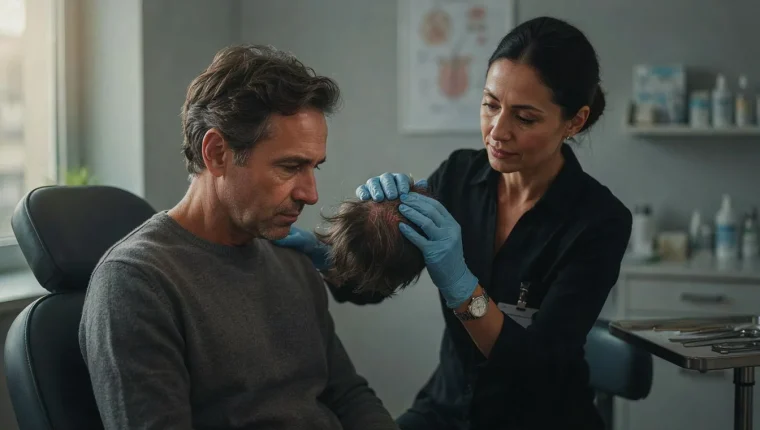
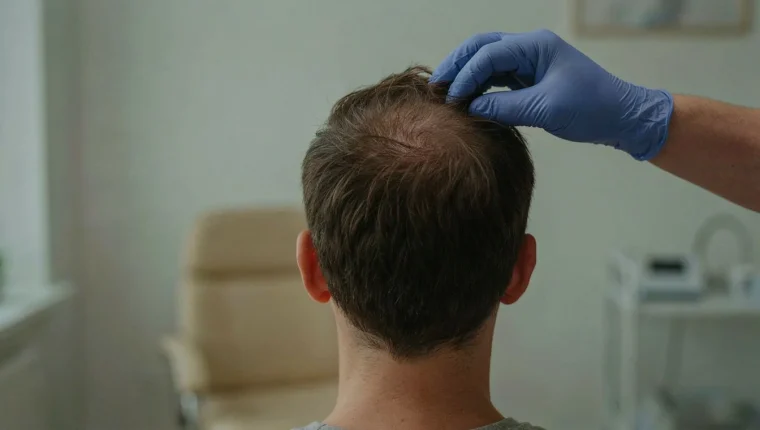
Many Americans choose Turkey for hair restoration because clinics often offer advanced procedures at lower prices than those in the United States. However, the advertised package price is only part of the decision. The total cost can depend on the number of grafts, the technique used, the clinic’s medical standards, and what is included in the package. Understanding these details helps you compare options accurately and avoid unexpected expenses. This guide explains the typical hair transplant Turkey cost for Americans, including treatment fees, travel considerations, and factors that may affect the final price. You will also learn what to check before choosing a clinic, so a lower quote does not come at the expense of safety, quality, or natural-looking results.
Why Americans Choose Turkey for Hair Transplants

Turkey appeals to many Americans because it has developed into a highly specialized destination for hair restoration. Istanbul, in particular, has a large network of clinics that perform follicular unit extraction (FUE), direct hair implantation (DHI), and related procedures every day. This concentration of experience can make it easier for patients to find teams familiar with different hair types, stages of hair loss, and expectations among international patients.
Another important factor is access to experienced medical teams at prices that are often lower than those quoted in the United States. American patients may face substantial costs for surgeon fees, facility use, anesthesia, and follow-up appointments at home. In Turkey, clinics frequently combine several services into one treatment arrangement, which can make the overall budget more predictable. The lower price does not automatically indicate lower quality, however; the surgeon’s qualifications, clinical standards, and patient-selection process still require careful review.
International patient coordination is also a major reason for Turkey’s popularity. Established clinics commonly provide airport transfers, hotel arrangements, translation support, treatment scheduling, and post-operative instructions in English. Having these logistics organized can reduce the stress of traveling abroad for a medical procedure, especially for patients visiting Turkey for the first time.
Turkey’s reputation has also been strengthened by its volume of international cases and extensive online presence. Before choosing a clinic, Americans can often review independent patient experiences, before-and-after photographs, surgeon interviews, and explanations of the proposed technique. These resources help patients compare treatment approaches rather than judging a clinic solely by its advertised price.
Convenience should still be balanced against medical responsibility. A successful result depends on accurate diagnosis, a realistic hairline design, sufficient donor hair, and careful aftercare. Patients should confirm who will perform the extraction and implantation, whether the procedure takes place in a licensed medical facility, and how complications or follow-up concerns will be handled after returning to the United States. These questions are essential when comparing the options behind the advertised hair transplant Turkey cost for Americans.
Hair Transplant Turkey Cost for Americans: Key Price Factors
The quoted price of a hair transplant can vary widely, even when two clinics advertise a similar number of grafts. For American patients, the most useful comparison is not the lowest headline figure but the way each clinic builds its estimate. A reliable quote should connect the total cost to the surgical plan, the surgeon’s role, the clinic’s standards, and the services provided before and after treatment.
Graft count is usually the starting point. A patient who needs a small hairline adjustment will generally pay less than someone requiring extensive coverage across the frontal area and crown. However, graft numbers should be recommended after an examination or clear medical assessment, rather than used as a sales target. An unnecessarily high estimate may increase the price without improving the final result.
- Technique: FUE, DHI, and related implantation methods may have different pricing because they involve different instruments, operating times, and staff expertise. The technique should match the patient’s hair characteristics and treatment goals.
- Surgeon involvement: Some clinics include substantial surgeon participation, while others delegate much of the procedure to technicians. Direct surgeon involvement, medical supervision, and clear responsibility for the operation can affect the fee.
- Clinic facilities: Accredited facilities with appropriate sterilization procedures, licensed medical staff, and structured patient monitoring may charge more than informal or high-volume settings.
- Hair characteristics: Dense, curly, fine, or previously transplanted hair can make extraction and placement more demanding. The difficulty of creating a natural distribution may influence the quote.
- Aftercare and follow-up: Medication guidance, post-operative checks, and access to a medical contact can be included in the package or billed separately. Americans should confirm these details before making a deposit.
Currency exchange rates can also change the amount an American ultimately pays. A quote in euros, pounds, or Turkish lira may look different when charged to a U.S. card, particularly if the clinic applies a conversion fee. Patients should request an itemized estimate showing the currency, payment schedule, deposit terms, and any charges excluded from the surgical fee.
Price alone cannot establish quality or safety. A substantially lower quote may reflect fewer consultations, limited surgeon involvement, or reduced follow-up rather than better value. Before comparing offers, Americans should verify exactly what procedure is proposed and whether the recommendation is based on an individualized assessment.
What the Treatment Package Usually Includes
Once a clinic quotes a package price, the next question is what that figure actually covers. For international patients, a standard hair transplant package often combines the procedure with several logistical services designed to make the trip easier. However, the inclusions can vary considerably between clinics, so Americans should request a written breakdown before paying a deposit.
The medical portion commonly includes a preoperative assessment, scalp examination, graft planning, local anesthesia, extraction, implantation, and basic medications. The package should clearly state whether the surgeon personally performs the critical stages or supervises a medical team. It should also identify the planned technique and an estimated graft range rather than presenting the procedure as an undefined “session.”
Postoperative care is another important inclusion. Many clinics provide a washing demonstration, protective supplies, prescribed medication, and instructions for sleeping, cleaning the scalp, and returning to normal activities. Some also schedule a follow-up appointment before the patient leaves Turkey or provide remote monitoring through photographs and video consultations. These services can be particularly useful when the patient returns to the United States soon after treatment.
Travel-related services are frequently included in all-inclusive offers. Depending on the provider, these may cover airport transfers, transportation between the hotel and clinic, hotel accommodation for a specified number of nights, translation or patient coordination, and sometimes meals. Flights from the United States are usually excluded, as are additional hotel nights, upgraded rooms, companion expenses, and personal transportation outside the planned itinerary.
Americans should also check whether the quoted amount includes blood tests, doctor consultations, compression garments, medical certificates, and follow-up products. Some clinics charge separately for platelet-rich plasma, extra grafts, advanced medication, or treatment for accompanying patients. A low advertised figure may therefore represent only the surgical fee rather than the complete trip.
Before comparing offers, ask for the package details in writing, including the number of hotel nights, transfer dates, medication list, follow-up arrangements, and policies for unexpected changes. Clarify whether a revision procedure, additional grafts, or extended medical support would create a new charge. This itemized approach makes it easier to compare the true value of different clinics and avoid surprises after arrival.
How Turkey’s Techniques and Clinics Affect Pricing
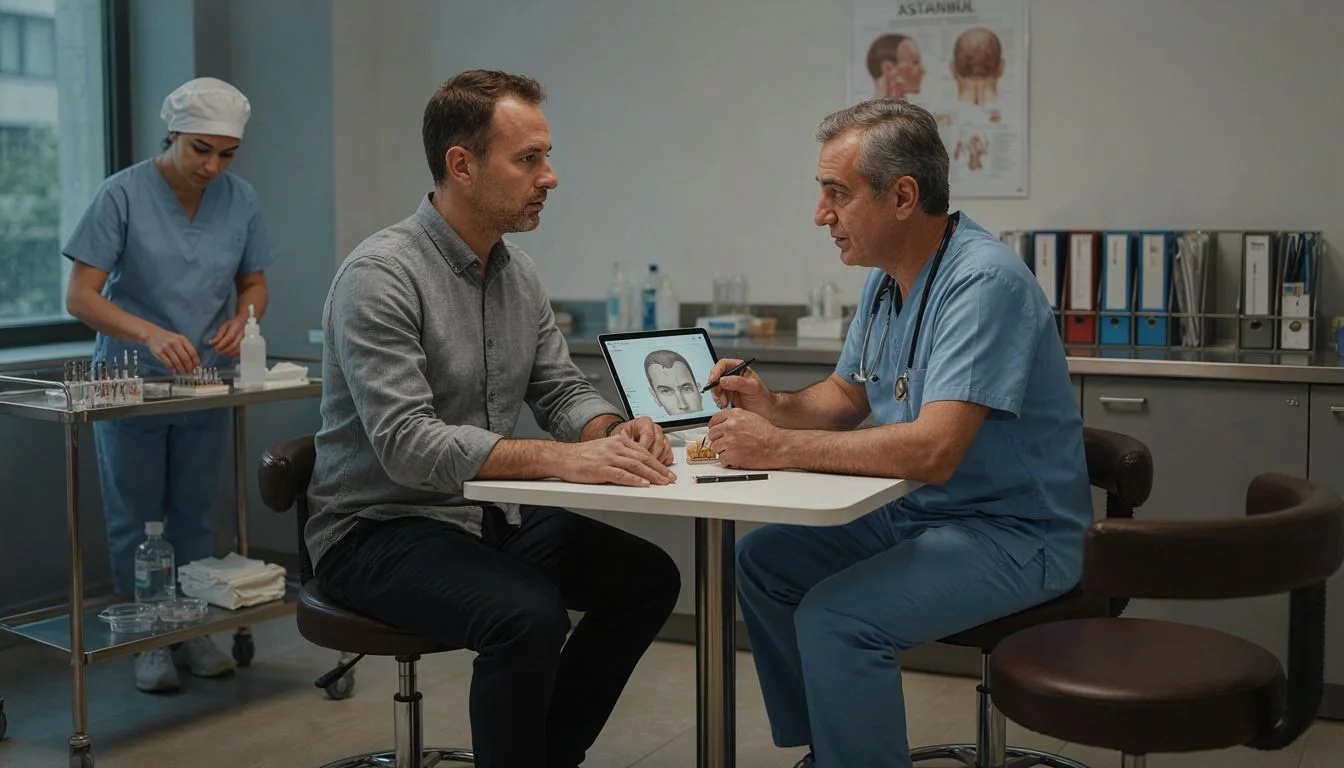
Technique selection can change the quoted fee substantially because each method requires different levels of time, equipment, and clinical expertise. Follicular unit extraction (FUE) is widely used and involves removing individual grafts from the donor area before placing them into thinning regions. Its price often depends on the number of grafts and the complexity of extraction. Direct hair implantation (DHI) uses an implanter device to place follicles directly, which may require additional precision and operating time. As a result, DHI is often priced higher than standard FUE, although the difference varies between clinics.
Surgeon involvement is another important pricing factor. In some centers, the physician examines the patient, designs the hairline, supervises extraction and implantation, and remains involved throughout the procedure. Other clinics delegate much of the hands-on work to technicians after the initial consultation. A lower quote may reflect this staffing model rather than a comparable level of medical oversight. Americans should therefore ask who will perform each stage and whether the named surgeon will be physically present during treatment.
Clinic structure also affects the total fee. Large international clinics may invest in dedicated operating rooms, advanced microscopes, multilingual coordinators, sterilization systems, and organized patient pathways. These facilities can support a smoother experience but may carry higher operating costs. Smaller clinics can sometimes offer lower prices, yet their resources, staffing, and emergency arrangements should be assessed carefully rather than judged by cost alone.
Pricing may also differ according to the patient’s hair characteristics. Curly or tightly textured hair can require more cautious extraction, while limited donor density, previous surgery, scarring, or a complex hairline design can make the procedure more demanding. A clinic that provides a detailed assessment before quoting is more likely to account for these variables accurately than one offering a uniform price for every patient.
When comparing offers, Americans should request an itemized explanation covering the technique, expected graft range, surgeon’s role, medications, and follow-up access. Two packages with similar prices may involve very different clinical standards, so the real comparison is the care model behind the quote, not the number alone.
Travel, Accommodation, and Additional Expenses

Planning the trip is an important part of understanding the real financial commitment of treatment abroad. The quoted clinic fee may cover the procedure and basic postoperative support, but Americans should also budget for transportation, accommodation, meals, local transfers, and time away from work. These costs vary according to the length of the stay, the city of departure, and whether the clinic provides coordinated travel assistance.
For most patients, the practical budget should account for the following expenses:
- International flights: Airfare depends on the departure airport, travel season, and how early the ticket is purchased. Flexible dates can make a meaningful difference, especially when the procedure requires a specific recovery schedule.
- Accommodation: Patients commonly stay in Turkey for several nights so the clinic can complete the procedure, initial checks, and early postoperative guidance. A hotel included in the package may reduce costs, but travelers should confirm the number of nights and whether a companion’s stay is covered.
- Airport and clinic transfers: Private transfers can simplify travel after arrival, particularly when the patient is unfamiliar with the city. Confirm whether transportation includes airport pickup, hotel-to-clinic journeys, and the return trip.
- Meals and daily spending: Food, beverages, mobile data, and small personal purchases are usually separate from the treatment price. Patients should also allow for additional meals if the stay becomes longer than expected.
- Companion and work-related costs: A travel companion may need separate airfare, accommodation, and meals. Americans should also consider unpaid leave, remote-work limitations, or other income-related effects during recovery.
Travel insurance requires careful review because standard policies may exclude elective medical treatment or complications related to a planned procedure. Patients should check coverage before booking and keep invoices, medical documents, and clinic contact details accessible during the trip. Currency conversion and foreign transaction fees can also affect the final amount paid, particularly when deposits, hotel charges, and transportation are billed separately.
Recovery planning may influence the total budget as much as the initial itinerary. Building in an extra night can provide flexibility if the clinic recommends another examination or if the patient feels uncomfortable traveling immediately. The most useful comparison is therefore the total trip cost, including treatment, travel, accommodation, local transport, personal spending, and any possible extension, rather than the advertised package price alone.
How Americans Can Evaluate Clinics and Plan Safely
Choosing a clinic from a low quote alone can create serious risks. Americans should first verify who will perform the procedure, how the clinic is regulated, and whether the proposed plan matches their hair loss pattern, donor supply, and long-term goals. A professional consultation should explain the diagnosis, expected graft count, technique, limitations, and realistic growth timeline rather than promise a guaranteed result.
Request the surgeon’s full name, medical credentials, years of hair restoration experience, and examples of patients with similar hair characteristics. Confirm that the surgeon—not only technicians—will assess the case, design the hairline, and perform the critical surgical steps. Before-and-after photographs should show consistent lighting, angles, and adequate follow-up time. Be cautious if images appear heavily edited or if a clinic refuses to identify the medical team.
Ask for a written treatment plan and an itemized agreement. It should state what is included, such as consultation, procedure, medications, postoperative instructions, transfers, and follow-up communication. Clarify whether the quote changes if the graft count or technique changes, and ask about additional charges for extended accommodation, extra procedures, or medical treatment. A transparent clinic should answer these questions before requesting a substantial deposit.
Safety checks also matter. Verify the clinic’s physical address, licensing information, infection-control standards, emergency arrangements, and communication process for international patients. Avoid providers that pressure you to book immediately, diagnose you only through a few photographs, or describe the operation as risk-free. Independent reviews can provide useful context, but they should supplement—not replace—credential verification and a direct medical consultation.
Plan enough time for recovery before returning to the United States or resuming work. Keep copies of your medical records, consent forms, prescriptions, payment receipts, and clinic contact details. Arrange follow-up with the Turkish team and identify a qualified hair-restoration or medical professional near home in case concerns arise after travel. The safest decision balances price with surgeon accountability, documented standards, realistic expectations, and dependable aftercare.
FAQs
What is the average hair transplant Turkey cost for Americans?
Americans typically pay about $2,000–$5,000 for a hair transplant in Turkey, often including the procedure, hotel, airport transfers, and aftercare. The final price depends on the technique, number of grafts, clinic, surgeon’s experience, and package inclusions.
What does the quoted hair transplant price in Turkey usually include?
A quoted hair transplant price in Turkey usually includes the consultation, the procedure, surgeon and clinical staff fees, local anesthesia, standard medications, and post-operative instructions. Many packages also cover airport transfers, hotel accommodation, and follow-up support, but inclusions vary by clinic. Confirm whether flights, additional procedures, and prescription medicines are excluded before booking.
Are there additional travel, accommodation, or follow-up costs for Americans?
Additional costs may include flights, accommodation, airport transfers, meals, and local transportation, which are generally not included in the treatment price. Follow-up appointments, medications, or extra procedures may also involve separate fees, so confirm the complete cost breakdown with the provider before booking.