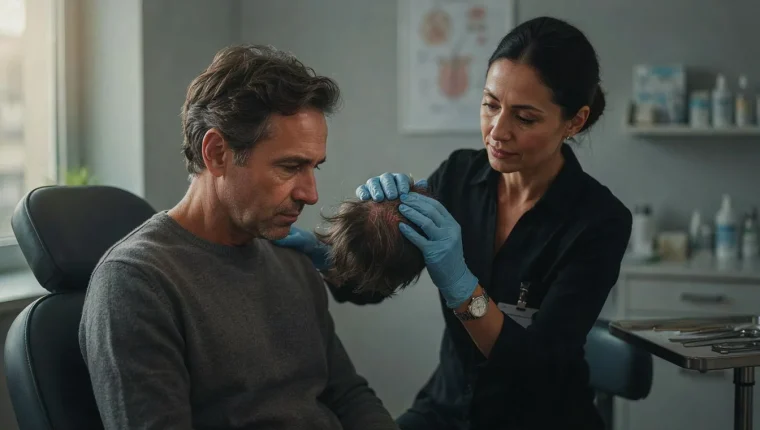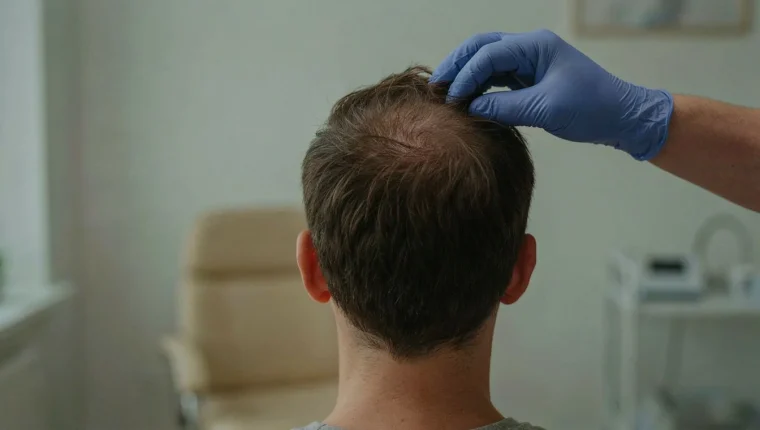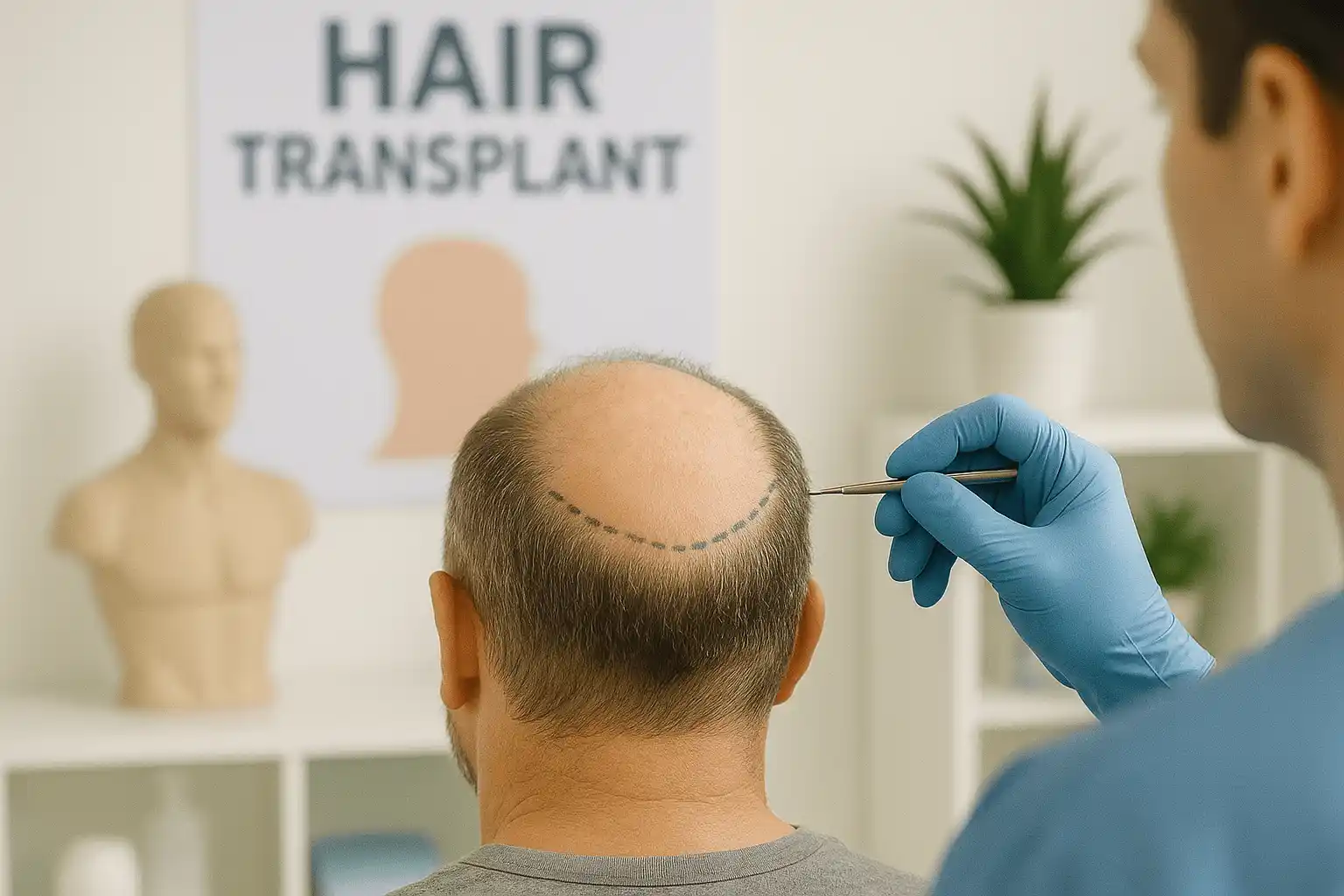
A hair transplant consultation is the first step in understanding whether hair restoration is suitable for you. During this appointment, a specialist will examine your hair loss pattern, assess the strength of your donor area, and discuss the expected appearance of your hairline and density. You may also learn how procedures such as FUE or DHI work, how many grafts could be needed, and what recovery involves. The consultation is not only about choosing a technique—it is an opportunity to ask practical questions, understand possible limitations, and receive a treatment plan based on your individual condition. Knowing what to expect beforehand can help you prepare, communicate your goals clearly, and make a more informed decision.
What Happens During a Hair Transplant Consultation?

The consultation usually begins with a conversation about your hair loss, medical history, lifestyle, and expectations. The specialist may ask when thinning started, whether it is progressing, and whether close relatives have experienced similar loss. You can also discuss previous treatments, medications, scalp conditions, and any concerns about the appearance or recovery process.
The clinic will then examine your scalp and hair from several angles. Photographs, magnified inspection, or a digital analysis may be used to compare hair density, identify thinning patterns, and assess the quality of the donor area. This examination helps the surgeon determine whether your hair loss is stable enough for surgery and whether you have sufficient healthy follicles for transplantation.
A key part of the appointment is setting realistic expectations. The specialist may outline how much coverage could be achieved, where the new hairline might sit, and how existing hair loss could affect future planning. Individualised treatment planning is essential because age, hair characteristics, follicle strength, and long-term loss patterns differ from one patient to another.
You will also have an opportunity to ask practical questions about the recommended procedure, preparation, anaesthesia, risks, recovery, and aftercare. The consultation should not feel rushed, and you should receive clear information about whether surgery is appropriate, what alternatives may exist, and what the next steps would involve. A reputable clinic will explain limitations as carefully as potential benefits rather than presenting guaranteed results.
How Is Your Hair Loss and Donor Area Assessed?

Assessing hair loss involves more than identifying visible thinning. The clinician examines how your hairline, temples, crown, and mid-scalp have changed, then considers whether the pattern is stable or still progressing. Your family history, previous treatments, medical conditions, medications, and the timing of shedding can also help distinguish pattern hair loss from temporary or inflammatory causes.
A close examination of the scalp may include magnification or digital imaging. This allows the clinician to compare hair shaft thickness, follicle groupings, scalp visibility, and areas of miniaturisation. Measurements of hair density in both the affected and unaffected regions help estimate how much coverage the recipient area may require. If the diagnosis is uncertain, blood tests or a dermatology referral may be recommended before surgery.
The donor area is assessed separately because it determines how many usable follicles may be available for redistribution. The examination usually covers the sides and back of the scalp, checking donor hair stability, density, follicular unit quality, hair calibre, and the amount of scalp laxity. A strong donor area does not simply mean having many hairs; the follicles should also be resistant to future thinning and suitable for harvesting.
The clinician may inspect the donor region under different lighting and record photographs for planning. They will also look for previous scars, uneven density, signs of scalp disease, or evidence of earlier procedures. These findings help establish realistic expectations about graft availability, possible coverage, and whether further medical management should come before a surgical plan.
Which Hair Restoration Technique May Suit You?

The most suitable hair restoration technique depends on the pattern of hair loss, the quality of the donor area, and the appearance you want to achieve in the recipient area. During the discussion, the clinician should explain why one approach may be more appropriate than another rather than presenting a single method as suitable for everyone.
FUE is commonly considered when individual follicular units need to be extracted from the donor area through small punches. It may be appropriate for patients who prefer to avoid a linear scar, although the procedure still involves healing and careful aftercare. DHI uses a specialised implanter to place follicles directly into the recipient area and may help the clinician control the angle and direction of placement in selected cases.
- FUE: Individual grafts are harvested separately, making this approach useful for many patterns of thinning and for some patients seeking shorter hairstyles.
- DHI: Follicles are implanted with an implanter device, which can support precise placement where the clinical team considers it suitable.
- FUT: A strip of donor tissue is removed and divided into grafts, so the consultation should include an honest discussion about linear scarring and long-term donor management.
- Combined planning: Some treatment plans use different techniques or stages to address limited donor supply, extensive thinning, or changing hair-loss patterns.
The choice also depends on follicle thickness, curl pattern, existing hair density, scalp characteristics, and whether future hair loss is expected. A reputable clinician should discuss realistic density, possible limitations, and how medical hair-loss treatment may support the stability of the remaining hair before recommending a procedure.
What Should You Know About Grafts, Results, and Recovery?
Grafts are the small units of tissue containing one or more hair follicles that are moved from the donor area to thinning or balding regions. During the consultation, the clinician should explain how many grafts may be appropriate, where they could be placed, and how this plan may affect future hair loss. A larger graft number does not automatically mean a better result; donor hair availability, hair characteristics, scalp coverage, and the desired hairline all influence the design.
Results develop gradually because transplanted follicles need time to establish a new growth cycle. Some implanted hairs may shed during the early weeks, while the follicles remain in place. New growth commonly becomes more noticeable over the following months, but the final appearance can take longer and varies between individuals. A realistic assessment should address expected density, limitations, and the possibility that additional treatment may be considered later.
Recovery depends on the technique used and the extent of the procedure. Mild redness, swelling, tenderness, scabbing, or tightness can occur around the recipient and donor areas. Your clinician will provide instructions on washing, sleeping position, physical activity, sun exposure, and medication. Careful aftercare helps protect newly placed grafts while the scalp heals.
Ask how progress will be monitored and which symptoms require prompt medical advice. Persistent bleeding, increasing pain, spreading redness, fever, or unusual discharge should be reported to the clinic rather than managed without guidance.
How Can You Prepare for Your Treatment Plan?

Preparing for your treatment plan starts before the procedure date is chosen. Gather relevant medical information, including current medications, allergies, previous operations, scalp conditions, and any treatments you have tried for hair loss. Share a family history of pattern hair loss if available, as this can help the clinician assess likely future thinning and plan for long-term coverage.
Bring photographs that show how your hair loss has changed over time, especially if your hairstyle or length makes the pattern difficult to evaluate. It can also help to prepare a short list of questions about the proposed technique, expected graft number, recipient area design, recovery restrictions, and follow-up appointments. Clear questions make it easier to understand what is recommended and why.
Before agreeing to treatment, ask how the plan may change if further hair loss occurs. A realistic design should consider existing hair, donor hair stability, hair density, and the possibility of future procedures. The clinician may also advise whether medical treatment should be considered before surgery or alongside it.
Follow all clinic-specific instructions about medications, smoking, alcohol, supplements, and hair products. Do not stop prescribed medication without medical guidance. Understanding the proposed long-term treatment strategy helps you compare options realistically and prepare for both the procedure and the recovery period.
FAQs
How long does a hair transplant consultation usually take?
A hair transplant consultation usually takes 30 to 60 minutes. The specialist will assess your hair loss pattern, donor area, hair density, and scalp condition, then discuss suitable options such as FUE or DHI, the estimated number of grafts, expected hair growth, recovery, and aftercare. Complex cases or consultations involving additional tests may take longer.
What should I bring to my appointment?
Bring a list of your current medications, allergies, medical conditions, and previous treatments, along with any relevant medical records or test results. For a hair restoration consultation, photos showing your hair loss history and information about previous procedures can also help the specialist assess your donor and recipient areas. Ask the clinic beforehand whether you need to stop any medication or follow specific preparation instructions.
Can a consultation confirm whether I am suitable for a transplant?
Yes. A consultation with a qualified hair transplant specialist can assess your hair loss pattern, donor area, scalp health, hair density, and overall medical history to determine whether you are a suitable candidate. The doctor can also explain suitable options, such as FUE or DHI, expected graft requirements, realistic hair growth outcomes, and any factors that may affect recovery.