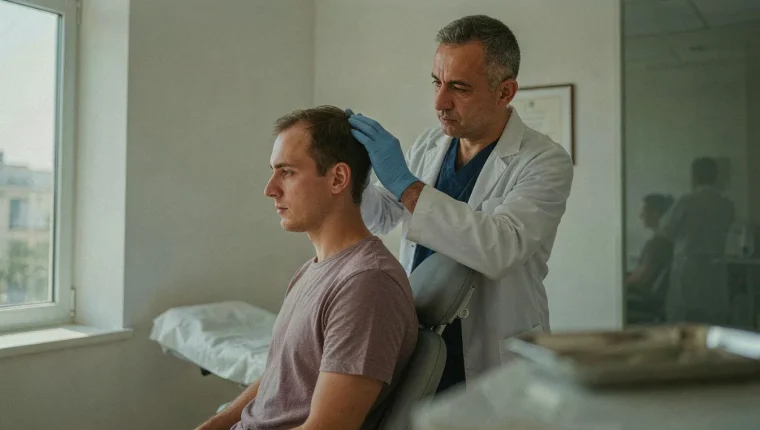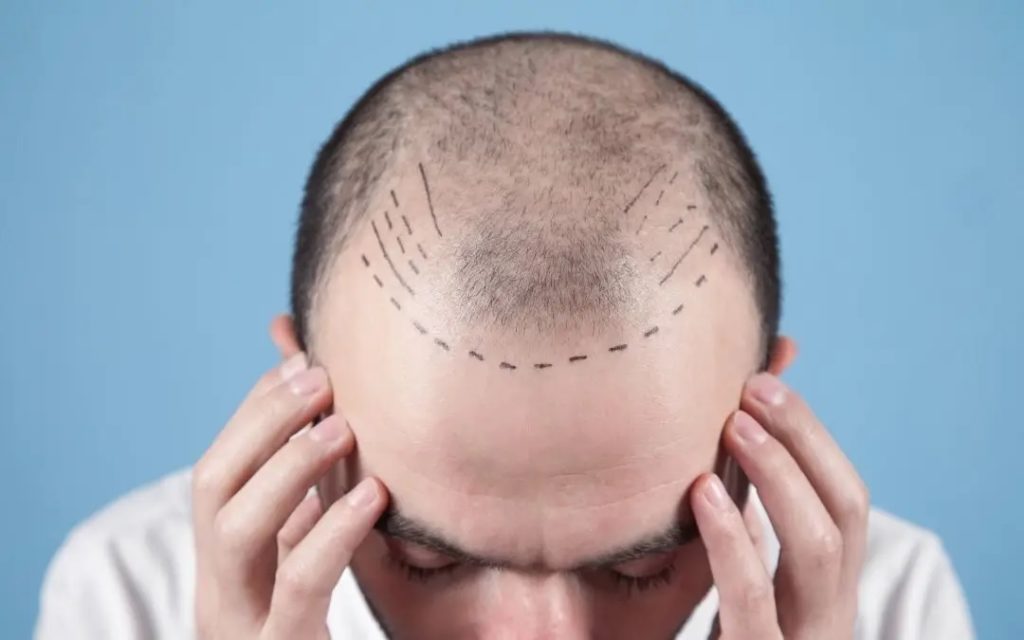
Choosing a hair transplant in Turkey involves more than comparing destinations or package prices. You need to understand how clinics assess hair loss, whether the treatment plan matches your donor area and goals, and which restoration technique may suit you. Recovery time, temporary shedding, expected hair growth, aftercare, and medical support also deserve careful attention. The right choice depends on your individual condition, not on promises of guaranteed density or fast results. This guide explains the practical factors to review before booking treatment so you can compare providers, ask informed questions, and decide whether treatment abroad suits your hair restoration needs.
What Makes a Hair Transplant in Turkey a Popular Choice?
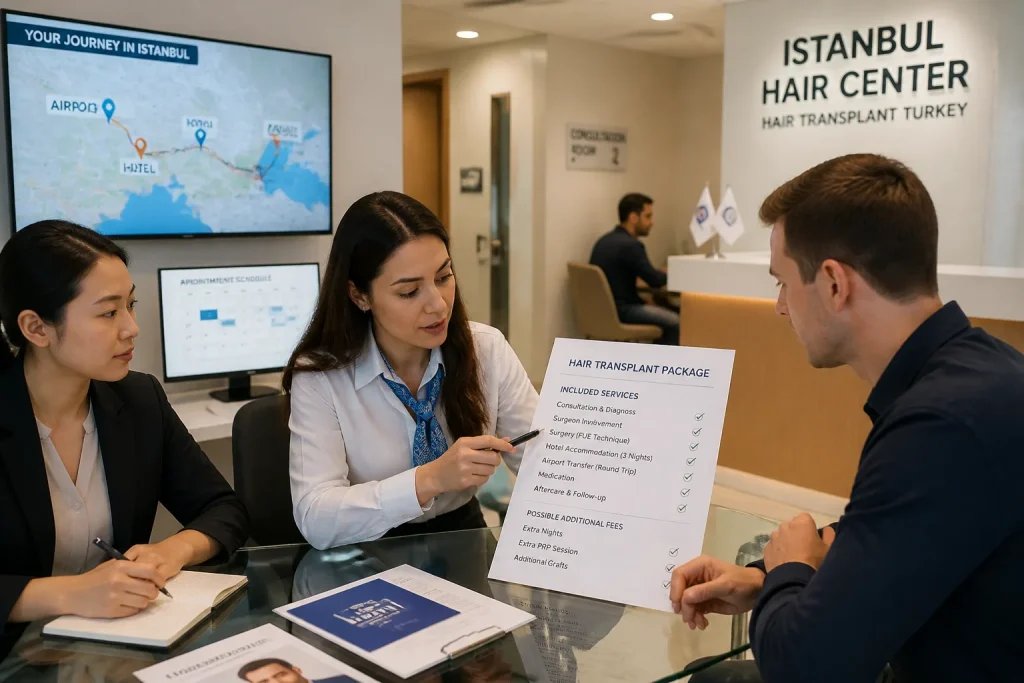
Turkey is frequently considered for hair restoration because it has a large network of clinics serving both local and international patients. Major cities offer access to providers familiar with overseas visitors, including airport transfers, interpreters, remote consultations, and assistance with appointment scheduling. These services can make treatment abroad easier to organize, but they do not indicate that every provider follows the same medical standards.
Package arrangements may combine consultations, surgery, accommodation, transportation, and aftercare coordination. Comparing what each package actually includes is essential, since surgeon involvement, follow-up access, medication, and additional fees can vary. Travel time, clinic availability, and the need to return for assessment should also form part of the decision.
Destination appeal should remain separate from clinic suitability. A convenient location or attractive package cannot replace clear information about the treatment team, patient safety procedures, facility standards, and realistic outcomes. The right choice depends on whether a specific provider can safely meet the patient’s needs, not simply on the popularity of medical tourism in Turkey.
How Do Turkish Clinics Plan Your Hair Restoration?
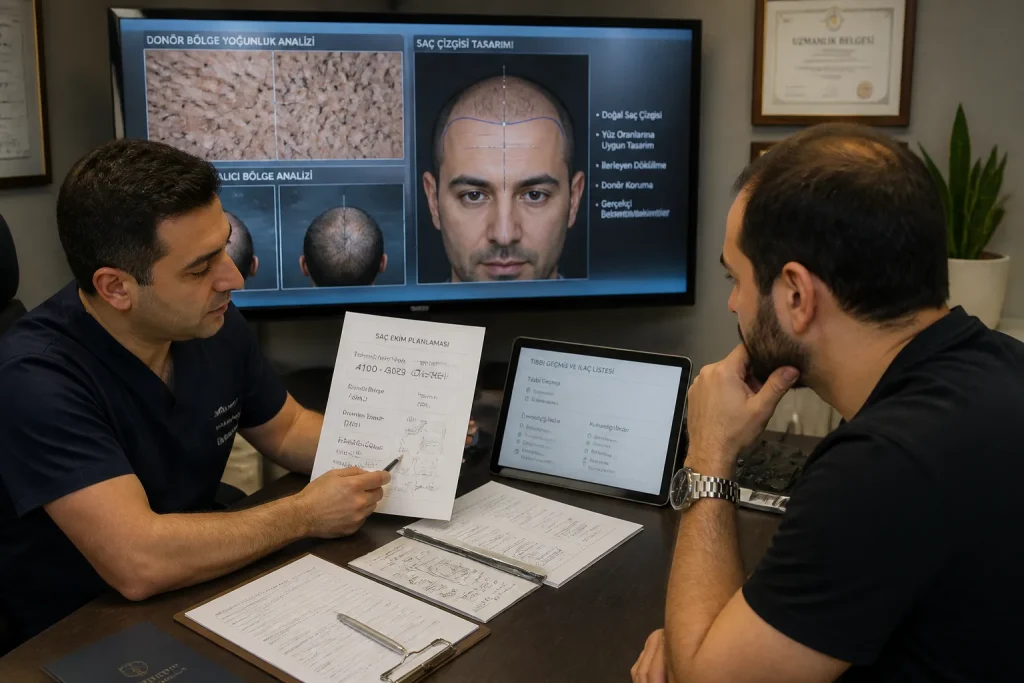
A responsible clinic begins with an individualized assessment rather than a preselected package. During the consultation, the surgeon should review your medical history, previous procedures, medications, family pattern of hair loss, and the likely progression of thinning. These details help determine whether transplantation is appropriate now or whether stabilizing ongoing loss should be considered first.
The scalp examination focuses on the donor area, including follicle quality, density, and available supply, as well as the condition of the recipient area. Clinics may use standardized photographs, magnified examination, or other measurement tools to document the pattern and support planning. Your preferred hairline, age, facial proportions, and expectations should also be discussed, since a very low hairline can use grafts that may be needed later.
Individualized graft planning should connect the available donor supply with realistic goals for coverage and visual density. A professional estimate may change after examination, and no clinic can responsibly determine candidacy from photographs alone in every case. Be cautious of fixed graft numbers or guaranteed outcomes offered before a qualified assessment.
Which Hair Transplant Techniques Are Available?
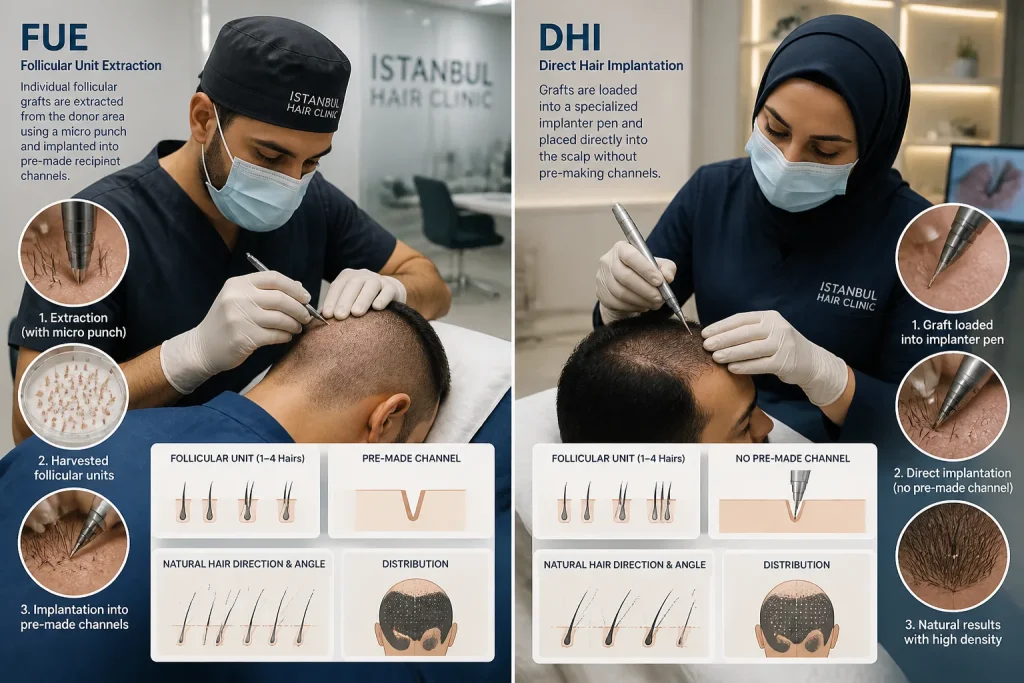
Hair restoration techniques differ mainly in how follicular units are removed from the donor area and placed into thinning or balding zones. In a traditional FUE procedure, individual grafts are extracted with a small punch and then inserted into recipient sites prepared by the surgical team. The channels created in the recipient area determine the direction, angle, and distribution of the transplanted hairs.
DHI uses a pen-shaped implanter to place extracted grafts directly into the recipient area. Because channel creation and implantation occur in the same step, this approach may suit certain cases requiring careful placement between existing hairs, although it is not automatically better than FUE. Some clinics also describe sapphire FUE or robotic-assisted procedures as separate techniques, but these labels may refer to the instruments or technology used rather than an entirely different method.
Technique selection depends on donor hair characteristics, hair texture, the number of grafts required, and the condition of the recipient area. A surgeon may recommend FUE, DHI, or a combined approach after evaluating these factors. Patients should also ask which professional performs extraction, channel opening, and implantation, since marketing terms can conceal important differences in the actual procedure.
What Should You Expect During Recovery and Aftercare?
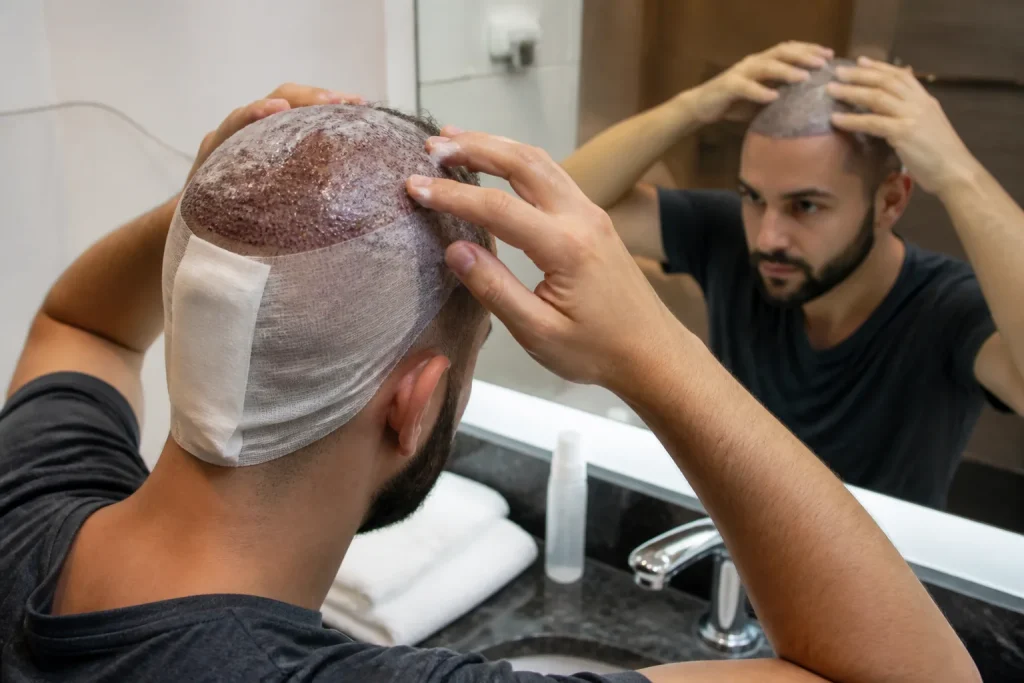
Recovery begins as soon as the procedure ends. Your clinic may place protective coverings over the donor and recipient areas and provide instructions for reducing swelling, protecting newly implanted grafts, and using prescribed medication. Sleep with your head elevated if advised, avoid rubbing or scratching the scalp, and follow the clinic’s washing routine carefully. Shampooing is often introduced gently after a specified period, but the timing and technique should be individualized.
For the first several days, strenuous exercise, heavy lifting, alcohol, smoking, swimming, and direct sun exposure may be restricted. These precautions help protect the scalp while it heals. Mild redness, tightness, crusting, or swelling can occur, although the intensity and duration vary. Ask your provider when it is safe to resume work, wear a hat, or travel by air.
Visible hair growth is gradual rather than immediate. Implanted follicles can enter a resting phase, and temporary shedding may occur during the early healing period. New strands typically become noticeable progressively over the following months, with density continuing to mature over time. Avoid judging the final outcome too early.
Before leaving, confirm how follow-up will be handled, especially if you are traveling internationally. Contact the clinic promptly about increasing pain, spreading redness, pus, fever, heavy bleeding, or any symptom that seems unusual. Your surgeon’s instructions should take priority over general online advice.
How Can You Choose a Qualified Clinic and Surgeon?
Choosing a clinic should begin with verification rather than package price or advertising. Check the surgeon’s medical qualifications, professional registration, and specific experience in hair restoration. Clarify whether the surgeon personally designs the procedure, extracts grafts, creates recipient sites, and supervises implantation, or whether much of the work is delegated to technicians. This distinction can affect both safety and the consistency of the result.
Ask to see clear, comparable before-and-after cases involving patients with similar hair loss patterns, donor area characteristics, and hair type. Photos should show consistent lighting and several stages of growth rather than only selected final images. During the consultation, the proposed graft number, donor-area limits, expected density, and possible limitations should be explained without pressure. A detailed consent process should cover the method, potential complications, alternative options, and the possibility that further treatment may be needed.
Facility standards also deserve direct questions. Confirm how grafts are labelled and stored, who is present during each stage, and what infection-control procedures are followed. Request written information about follow-up contact, managing complications, cancellation or refund conditions, and any travel-related responsibilities. These details are especially relevant when treatment takes place abroad.
Compare at least two independent treatment plans instead of relying on testimonials, discounts, or claims of guaranteed growth. A trustworthy provider should welcome questions, explain uncertainty honestly, and recommend a plan that respects the donor area and your long-term hair restoration needs.
FAQs
How much time should I spend in Turkey for the procedure?
Most patients should plan to stay in Turkey for about 3–5 days for a hair transplant or similar procedure. This usually allows time for the consultation, treatment, initial washing, and a follow-up appointment, although the exact schedule depends on the procedure, number of grafts, recovery needs, and clinic recommendations.
Is a hair transplant suitable for every type of hair loss?
No, a hair transplant is not suitable for every type of hair loss. It works best for permanent pattern baldness when the patient has sufficient healthy hair follicles in the donor area, but it may not be appropriate for active alopecia areata, untreated scalp conditions, or temporary shedding. A qualified hair restoration specialist should assess the cause, donor hair, and recipient area before recommending FUE, DHI, or another treatment.
When will I see the final hair growth results?
Final hair growth after a transplant usually becomes visible around 12 to 18 months, although some patients notice meaningful improvement earlier. New hair often sheds during the first few weeks before regrowing gradually, while density and thickness continue to develop throughout recovery. Results vary based on the number of grafts, hair characteristics, healing, and adherence to aftercare instructions.