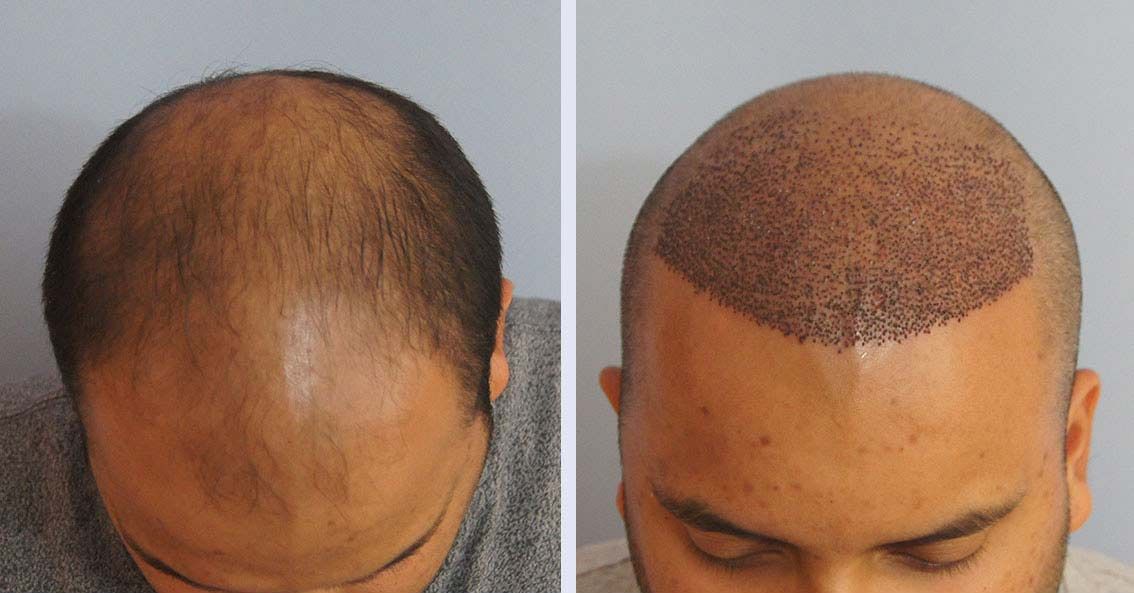
After a hair transplant, many patients want to know how full their hair will look and whether the transplanted area will match their natural density. Several factors affect the answer: the number of available hair follicles, the size of the thinning area, graft placement, hair characteristics, and the condition of the donor area. A transplant does not usually recreate the exact density you had before hair loss, but careful planning can create a natural-looking result with appropriate coverage. Density also changes throughout recovery: temporary shedding may occur before new growth becomes visible, and the final appearance develops gradually. Understanding how surgeons assess hair transplant density, what affects graft distribution, and when to expect visible improvement can help you set realistic expectations before the procedure.
What Does Hair Transplant Density Mean?

Hair transplant density refers to how closely transplanted hair follicles are placed within the recipient area. It is usually discussed as the number of follicular units per square centimetre, but the visual result also depends on the number of hairs contained in each graft, hair thickness, curl pattern, and the contrast between the hair and scalp.
A graft may contain one, two, three, or more hairs. Therefore, two areas with the same graft count can appear noticeably different if one contains more multi-hair grafts or if the patient has naturally thicker strands. Density is also different from coverage. A surgeon may distribute grafts across a larger area to create balanced coverage, while concentrating them in a smaller region can produce a fuller appearance there.
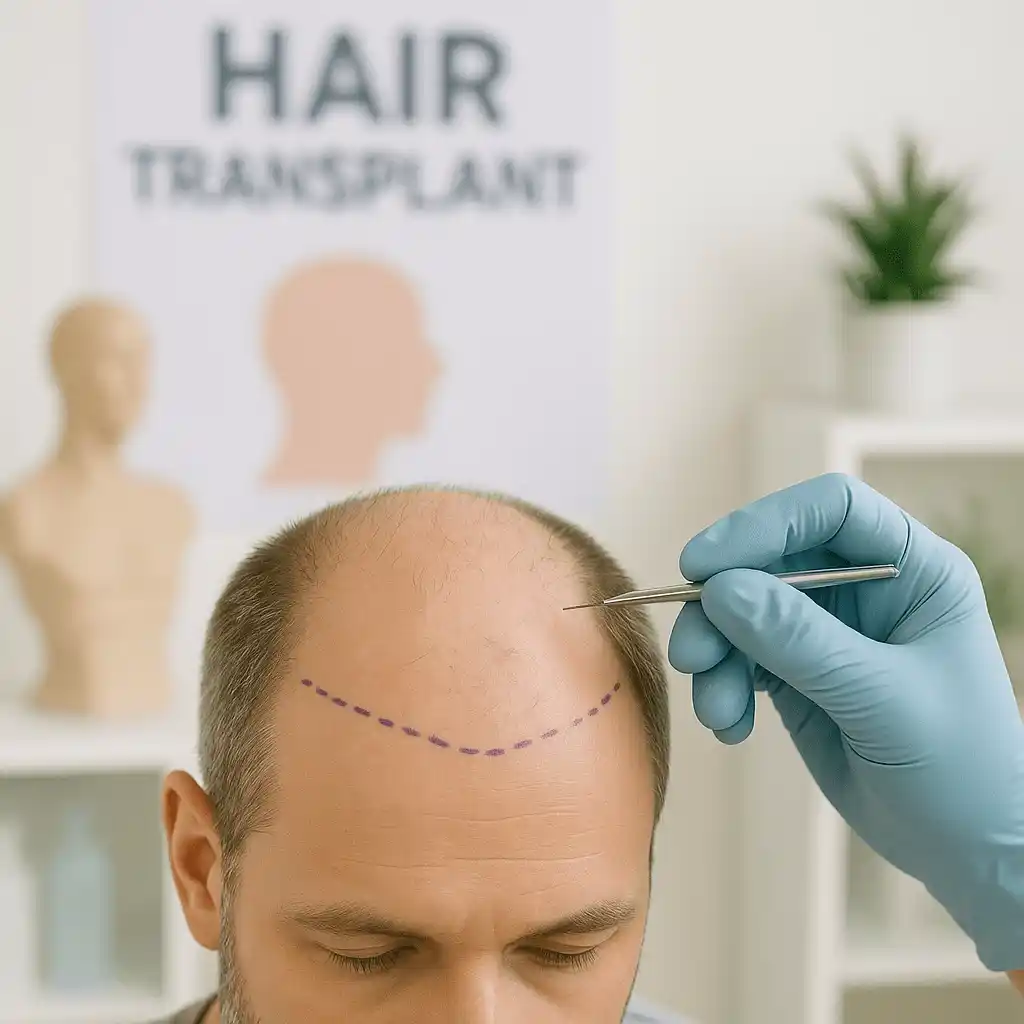
Graft placement per square centimetre is one of the main technical measures used when planning a procedure. The target is not necessarily to recreate the density of a person’s original hair. Instead, the surgeon considers the donor area, the size of the thinning region, the hairline design, existing hairs, and the need to preserve grafts for possible future loss.
FUE and DHI are extraction and implantation techniques, rather than guarantees of a particular density. The final appearance depends on careful planning, graft survival, natural placement angles, and subsequent growth. This is why a consultation should focus on realistic coverage and visual fullness, not only on the number of grafts proposed.
Which Factors Determine the Final Hair Transplant Density?
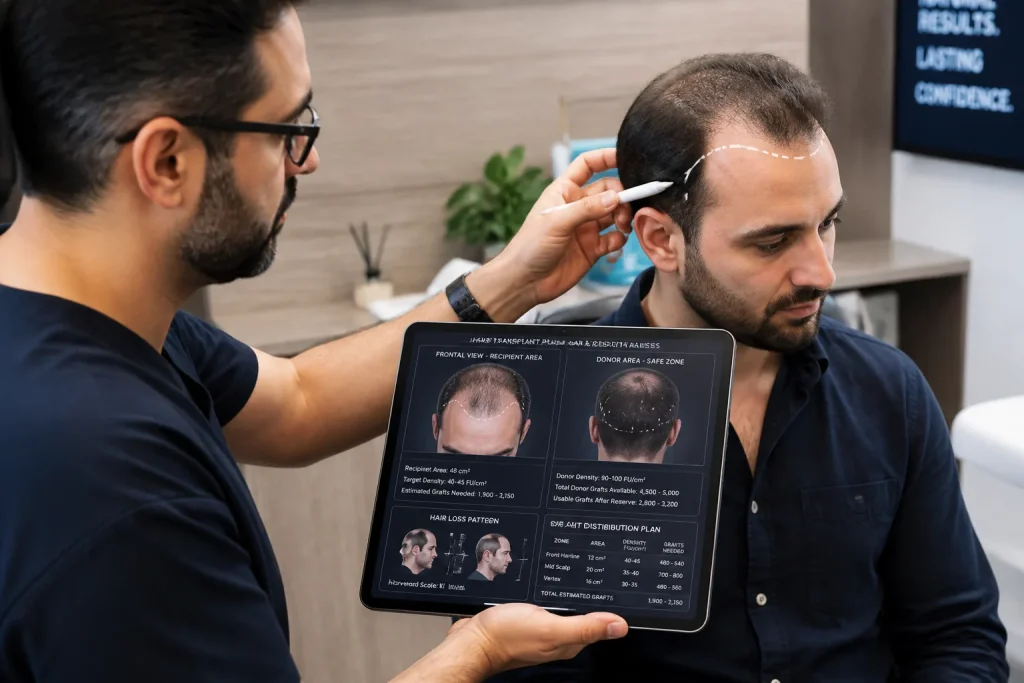
The final result depends on how many grafts can be placed safely, how well they are distributed, and how each patient’s scalp responds to treatment. A consultation must assess the size of the recipient area, the pattern of hair loss, and the amount of usable hair available in the donor area before setting a realistic density goal.
Donor hair availability is one of the most influential factors. The donor area contains a limited supply of follicles, so extracting too many grafts may create visible thinning or weaken future restoration options. A surgeon may therefore prioritize the hairline, frontal region, or other areas where added coverage creates the greatest visual improvement.
The characteristics of the transplanted hair also affect perceived fullness. Thicker shafts, naturally curly hair, and darker hair against a lighter scalp can provide more coverage than fine, straight hair, even when the same number of grafts is used. Each graft may also contain a different number of hair follicles, which influences the total number of hairs placed in the recipient area.
Existing hair, scalp visibility, and the stability of ongoing hair loss must also be considered. Transplanting between weak native hairs requires careful spacing to avoid damage, while untreated progression may reduce overall fullness later. FUE and DHI can both support precise placement, but the technique alone does not determine the outcome; surgical planning, graft handling, blood supply, healing, and following aftercare instructions all contribute to the final appearance.
How Does Density Change During Hair Growth and Recovery?
Hair density changes gradually after transplantation, so the early appearance should not be treated as the final result. The recipient area passes through predictable stages as transplanted follicles recover, shed existing shafts, and begin producing new hair.
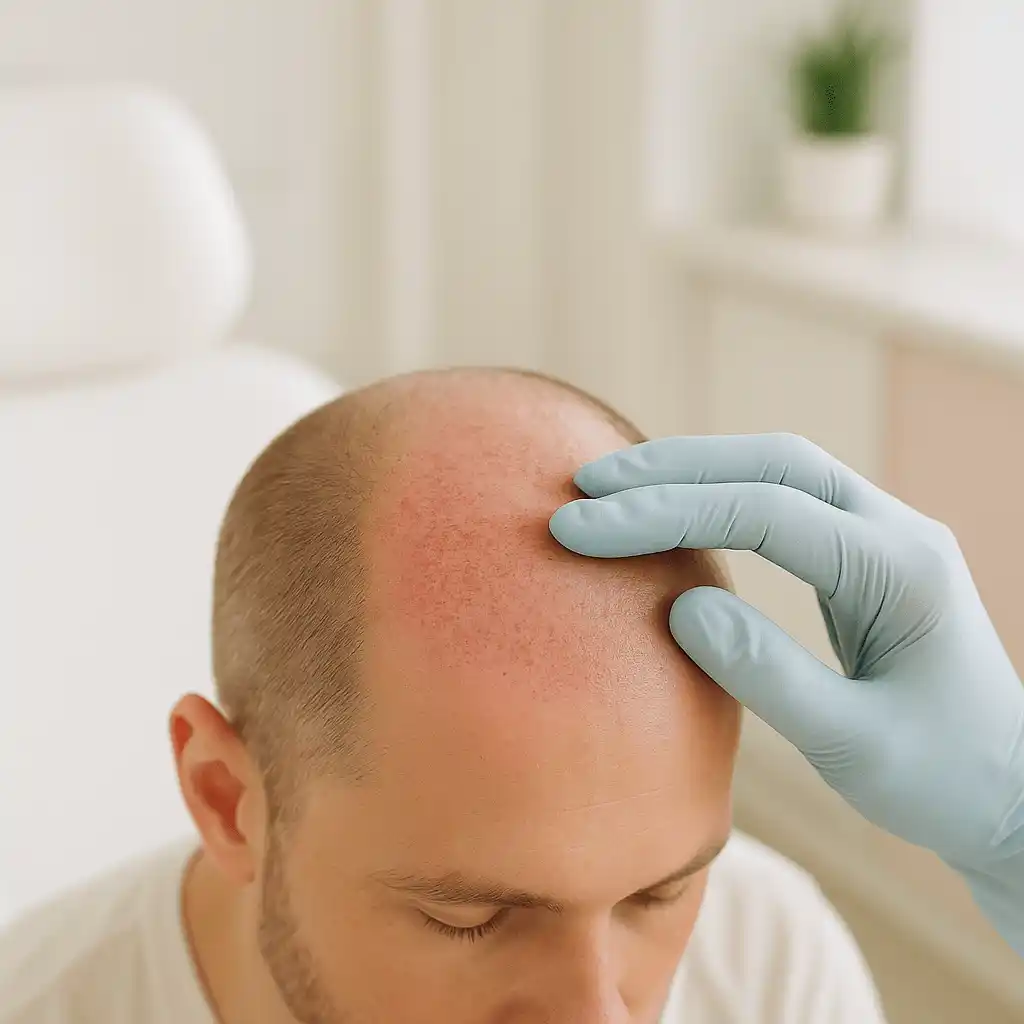
Post-transplant shedding commonly occurs during the first several weeks. The visible hair attached to some grafts may fall out while the follicles remain beneath the skin. This temporary change can make coverage appear thinner before new growth begins, and it does not necessarily indicate graft failure.
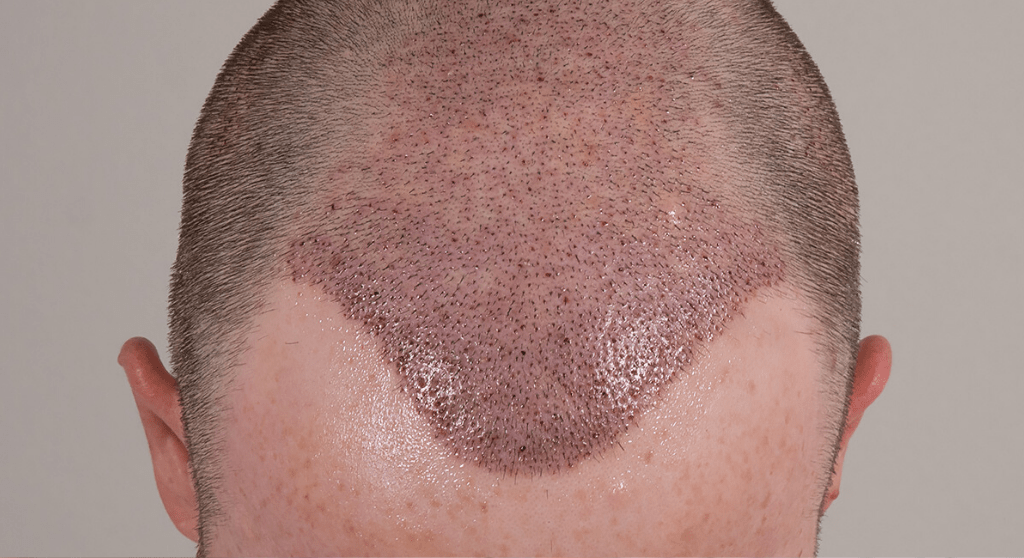
- Early recovery: Swelling, redness, crusting, and short native or transplanted hairs can temporarily affect how full the recipient area looks.
- Resting phase: After shedding, follicles may remain inactive for a period while the scalp completes its healing process.
- Initial regrowth: New hairs often emerge gradually and may first look fine, light, or uneven rather than matching surrounding strands.
- Thickening phase: With continued growth, individual shafts typically gain length and may become more substantial, improving the visual coverage.
Growth is rarely uniform across the entire scalp. Some follicles may produce visible hair earlier than others, creating temporary gaps or uneven density. Hair texture, curl pattern, scalp characteristics, and the condition of the donor and recipient areas can also influence how full the result appears.
Most patients need several months before judging meaningful coverage, while maturation can continue beyond the first year. Following aftercare instructions and attending scheduled reviews helps the surgeon monitor healing and distinguish normal variation from a concern requiring assessment.
Can a Hair Transplant Match Your Original Hair Density?
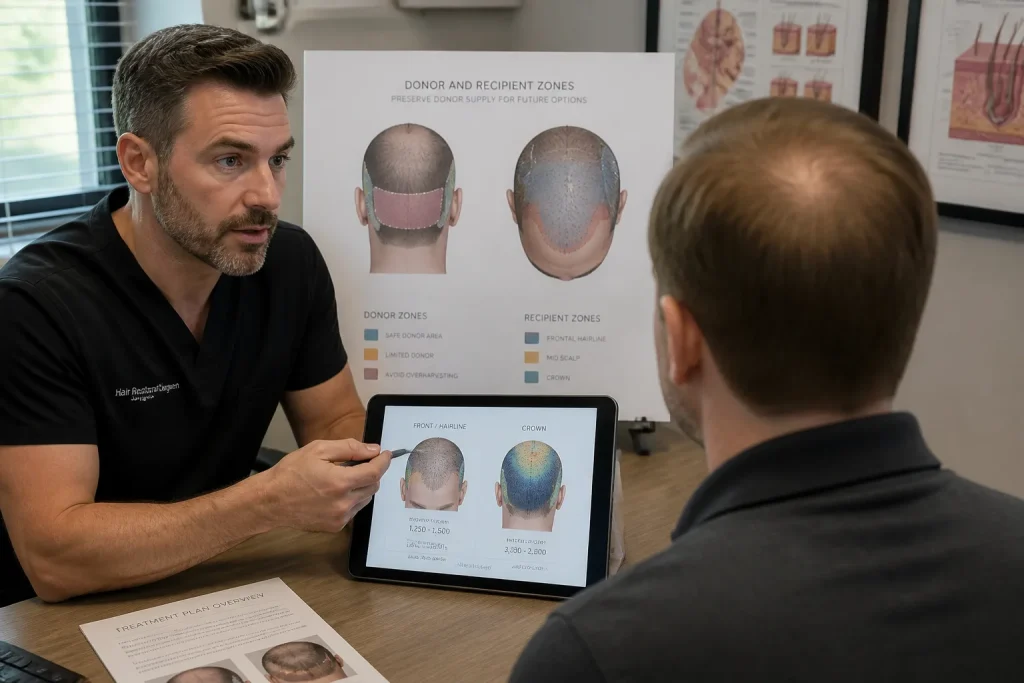
A transplant can create a natural-looking improvement, but it may not reproduce the exact density you had before hair loss. The main limitation is that restoration uses a finite supply of grafts from the donor area. These grafts must be distributed carefully across the recipient area to achieve coverage while protecting the donor region and preserving options for future treatment.
Original hair density varies from person to person and is influenced by follicle thickness, hair colour, curl pattern, and the amount of scalp visible between hairs. Finer or lighter hair may appear less dense even when the number of follicles is similar, while curly hair can provide more visual coverage. For this reason, a surgeon may aim for the appearance of fullness rather than an identical follicle count.
The hairline and frontal zone are often given priority because they have the greatest effect on facial appearance. Areas behind the hairline may receive fewer grafts if the available donor hair is limited or if the patient has extensive thinning. FUE and DHI can both support precise placement, but neither technique can increase the number of follicles available for transplantation.
A realistic target is therefore based on the contrast between the recipient scalp and surrounding hair, not on recreating the density of adolescence. A consultation should assess donor quality, hair calibre, pattern of loss, scalp characteristics, and the likelihood of future thinning. These factors help the surgeon design a result that looks balanced as the transplanted and existing hair grow together.
When Should You Assess the Final Result?
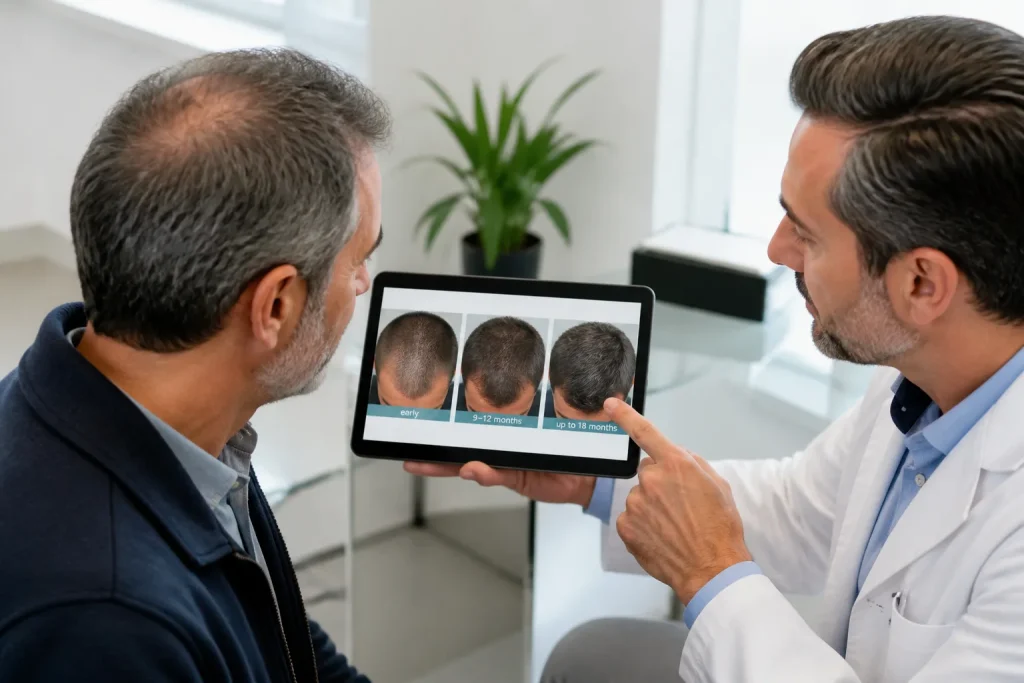
The final result should be assessed only after the transplanted hair has had enough time to mature. Early photographs can be misleading because swelling, post-transplant shedding, uneven growth, and short hair shafts may make the recipient area appear thinner than expected.
Most patients can begin making a meaningful assessment around 9 to 12 months after surgery. Hair follicles do not all enter the growth cycle at the same time, so visible coverage may continue improving during this period. In some cases, particularly after larger procedures or in areas such as the crown, the final appearance may take up to 18 months to develop.
Final hair maturation involves more than the appearance of new strands. Newly growing hairs may initially be fine, pale, or soft. As they mature, they can become thicker and contribute more effectively to visual coverage. The direction, angle, and length of the hair also influence how dense the result looks.
Progress photographs taken under consistent lighting and from the same angles provide a more reliable comparison than daily mirror checks. Your surgeon should review the recipient area, graft survival, ongoing hair loss, and donor area before deciding whether the outcome is complete or whether further treatment should be considered.
If density still appears limited before the expected maturation window has passed, patience is usually appropriate. Any concerns about delayed growth, unusual inflammation, or persistent patchiness should be discussed with the treating clinic rather than judged independently.
FAQs
How many grafts are usually needed for good coverage?
Most people need about 1,500–3,500 grafts for noticeable coverage, but the exact number depends on the extent of hair loss, desired density, hair characteristics, and donor-area supply. Smaller receding hairlines may require fewer grafts, while advanced thinning or a larger bald area may need more. A hair restoration specialist should assess the donor and recipient areas to create a realistic graft plan.
Why does transplanted hair look thin at first?
Transplanted hair often looks thin at first because the follicles need time to settle and begin a new growth cycle. Some newly placed hairs may shed temporarily, while the follicles remain beneath the skin and gradually produce thicker strands over the following months. Visible density usually improves progressively during recovery, so follow your surgeon’s aftercare instructions and attend recommended follow-up appointments.
Can another procedure increase hair density later?
Yes, a second hair restoration procedure may increase density if the donor area has enough healthy hair follicles and the recipient area can support additional grafts. Surgeons usually assess the initial results, ongoing hair loss, scalp condition, and available donor grafts before recommending FUE, DHI, or another approach. Further transplantation is typically considered after the first procedure has fully healed and hair growth has stabilized.