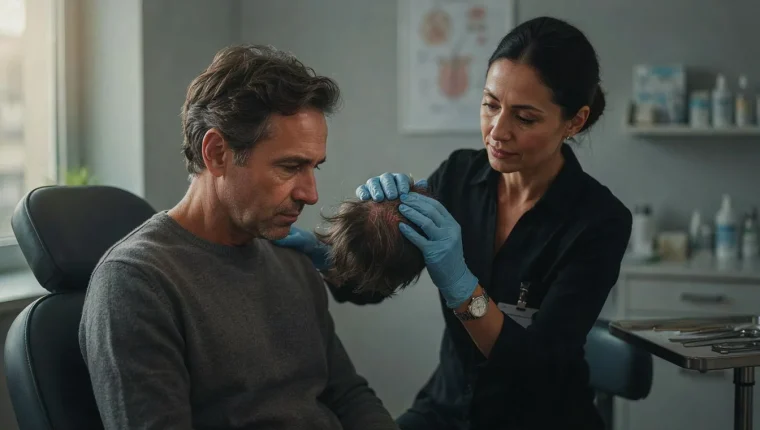
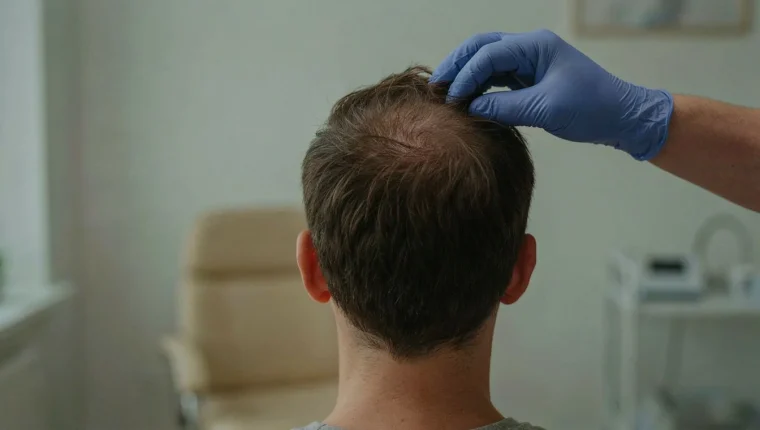
A Turkey hair transplant package can make the planning process easier by combining treatment, accommodation, airport transfers, and follow-up care in one arrangement. Packages differ in what they include, so compare the details before booking. Review the surgeon’s qualifications, proposed number of grafts, technique—such as FUE or DHI—and whether the clinic provides a personal assessment. You should also check what happens after the procedure, including medication, washing instructions, follow-up appointments, and support once you return home. Review what these packages usually cover, which costs may be excluded, how to evaluate clinic standards, and what recovery may involve. Understanding these points can help you choose a safer, more suitable hair restoration plan.
What Is Included in a Turkey Hair Transplant Package?

A well-defined hair transplant package should explain what happens before, during, and after the procedure—not simply advertise a number of grafts. Most packages begin with a remote consultation, medical history review, and assessment of the donor and recipient areas. The clinic may request photographs or arrange an online video consultation to estimate graft requirements and discuss realistic hair density.
Travel arrangements are often included, particularly for international patients. Depending on the provider, this may cover airport transfers, hotel accommodation, transport to the clinic, and assistance with appointment scheduling. Patients should check the exact number of hotel nights, whether meals are included, and whether a companion can stay under the same terms.
The treatment itself usually includes the surgeon’s examination, local anaesthesia, extraction of follicles, preparation of grafts, and implantation into the thinning areas. The technique may be FUE, DHI, or another method recommended for the patient’s hair loss pattern. Ask whether the quoted fee includes all medications, blood tests, protective equipment, and the first wash.
Post-operative aftercare is another essential part of the agreement. A reliable provider should give written instructions, prescribed medication where appropriate, a follow-up consultation, and a contact channel for questions after returning home. Some packages also include washing sessions or additional remote reviews, but these services vary.
Before booking, request an itemised treatment plan in writing. Confirm who performs each stage, the expected graft range, cancellation terms, and what happens if an unexpected medical issue changes the schedule. This prevents low headline pricing from hiding important exclusions.
How Are Clinics and Surgeons Evaluated?

Evaluating a clinic requires more than comparing package prices or counting the number of procedures performed. Start by checking whether the facility clearly identifies the doctor responsible for diagnosis, surgical planning, follicle extraction, and implantation. A qualified surgeon should assess your hair loss pattern, donor area, scalp condition, medical history, and realistic expectations before recommending treatment.
Look for verifiable professional credentials, relevant hair restoration experience, and transparent information about where the procedure takes place. The clinic should explain who performs each stage, including whether technicians assist with graft preparation or implantation. Vague answers, pressure to book quickly, or promises of guaranteed density are warning signs.
Clinical transparency is one of the strongest indicators of responsible care. A trustworthy provider should offer consistent before-and-after photographs, explain the limitations of FUE or DHI, and discuss possible risks such as overharvesting, uneven hairlines, infection, scarring, or temporary shedding. Images should show comparable lighting, angles, hair characteristics, and follow-up periods rather than selectively presenting exceptional results.
Independent reviews can provide useful context, but they should not replace medical verification. Check whether comments discuss communication, hygiene, consultation quality, and follow-up support—not only airport transfers or hotel arrangements. Ask how complications are handled after returning home and whether a qualified professional remains available for post-operative aftercare.
Which Hair Restoration Technique Fits Your Needs?
The best hair restoration method depends on the cause of hair loss, the quality of the donor area, the size of the thinning region, and the number of grafts required. A qualified surgeon should assess these factors before recommending a procedure, because a technique that suits one patient may produce limited or unsuitable results for another.
FUE and DHI are commonly discussed options, but they are not identical procedures. Both involve removing hair follicles from the donor area and implanting them into the recipient area; the main difference is how the grafts are placed. The choice should reflect your hair characteristics, treatment goals, and the surgeon’s experience rather than package terminology alone.
- FUE: Follicular unit extraction removes individual grafts and allows them to be implanted into areas with reduced density. It may be suitable for patients seeking coverage across a wider area.
- DHI: Direct hair implantation uses an implanter tool to place follicles directly into the recipient area. It can support precise placement, particularly when creating density between existing hairs.
- FUT: Follicular unit transplantation removes a strip of donor skin and may provide many grafts in one session. It leaves a linear scar, so the potential benefits and drawbacks require careful consultation.
- Non-surgical options: Medication or other treatments may help slow ongoing hair loss or support existing follicles. They may be considered alone or alongside surgery when clinically appropriate.
Patients should also ask how the clinic plans to protect the donor area and design a natural-looking hairline. Existing hair loss may continue after surgery, and expected hair growth usually develops gradually rather than immediately. A personalized medical assessment is therefore more useful than choosing a method based solely on the lowest quoted package price.
What Happens During Travel, Treatment, and Recovery?

Travel usually begins with a remote consultation, medical history review, and planning of the treatment schedule. After arrival, many international patients receive airport transfer and hotel transportation arranged through the clinic, although the exact service depends on the package. The clinic should also provide clear instructions about fasting, medications, arrival times, and any documents required before the procedure.
On treatment day, the surgeon examines the donor and recipient areas, confirms the hairline design, and explains the planned number of grafts. Local anaesthesia is commonly used, so the patient remains awake while discomfort is managed. During FUE or DHI, individual follicles are extracted from the donor area and placed into the thinning or bald regions. The duration varies according to graft numbers, technique, and the complexity of the case.
The first days after surgery require careful handling of the scalp. Mild swelling, redness, tenderness, scabbing, or tightness can occur, and the clinic should explain how to sleep, wash the hair, take prescribed medication, and protect the grafts. Patients are generally advised to avoid strenuous exercise, alcohol, smoking, direct sun exposure, and activities that may cause sweating or friction until their medical team approves them.
Shock loss may occur during the early recovery period, meaning some transplanted or existing hairs temporarily shed before new growth develops. Visible improvement is gradual rather than immediate, so follow-up communication, realistic expectations, and adherence to aftercare instructions remain essential throughout recovery.
How Can You Compare Package Costs and Aftercare?

Comparing clinics on headline price alone can hide major differences in treatment quality, medical supervision, and ongoing support. A fair comparison starts by requesting an itemized quotation that separates the procedure fee from accommodation, transfers, medication, blood tests, translation, and follow-up appointments. Confirm whether the quoted amount is fixed, what could create additional charges, and whether the number of planned grafts is based on a medical assessment rather than a sales estimate.
Aftercare should be assessed with the same care as the surgery itself. Ask who provides post-operative instructions, how quickly you can contact the clinic, and whether remote reviews are included after returning home. A responsible provider should explain washing, sleeping position, exercise restrictions, medication use, and warning signs such as persistent bleeding, severe swelling, fever, or unusual pain. Clarify whether corrective support is available if the result develops differently from expectations.
The most useful comparison is a written table showing total cost, surgeon involvement, graft planning, included services, cancellation terms, and post-operative follow-up. Also check whether the clinic monitors the donor and recipient areas during healing and explains temporary shedding, uneven growth, and the expected timeline for visible hair growth. A lower-cost offer may be less valuable if essential medical care, communication, or recovery guidance is excluded.
FAQs
How many days should I stay in Turkey for a hair transplant?
Most patients should plan to stay in Turkey for about 3–5 days for a hair transplant. This usually allows time for the initial consultation, the FUE or DHI procedure, and a follow-up appointment to check the grafts and explain aftercare. Your clinic may recommend a longer stay if you need extensive hair restoration or additional monitoring.
Are flights included in most hair transplant packages?
Flights are not included in most hair transplant packages, although some international clinics may offer airport transfers or travel assistance. Packages typically cover the procedure, consultation, aftercare, accommodation, and local transportation, while patients usually pay for airfare separately. Always confirm the package inclusions, airline arrangements, and any additional travel costs with the clinic before booking.
What should I check before booking a clinic?
Check the clinic’s medical credentials, practitioner qualifications, treatment experience, patient reviews, and before-and-after results from comparable cases. Confirm what the consultation, procedure, fees, follow-up care, recovery support, and potential risks include, and ensure the clinic uses accredited facilities and provides clear, written information before you book.