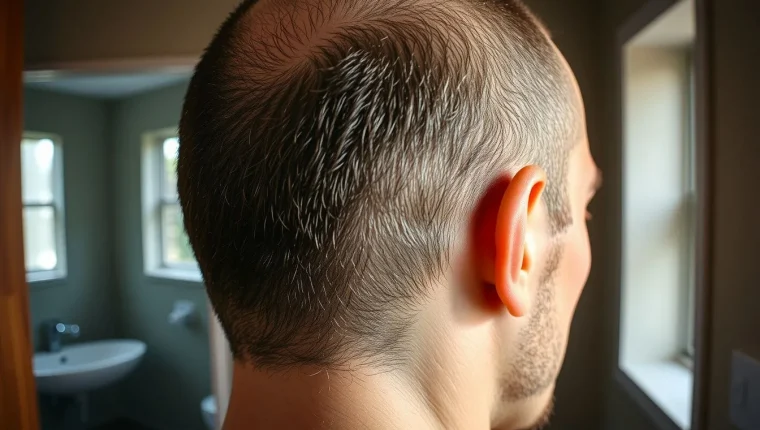
A thinning hairline rarely happens overnight. You notice it in photos first, then in the mirror: the front edge looks softer, more see-through, and the forehead seems taller than it used to. This is a specific pattern of hair loss, not general shedding, and it usually points toward androgenetic alopecia rather than stress or a temporary vitamin gap. The distinction matters because causes and restoration options depend on what is driving the change. Understanding why the frontal hairline thins and which treatments can realistically slow or reverse it helps you choose what to do next.
What Actually Happens to Hair Follicles as the Hairline Recedes
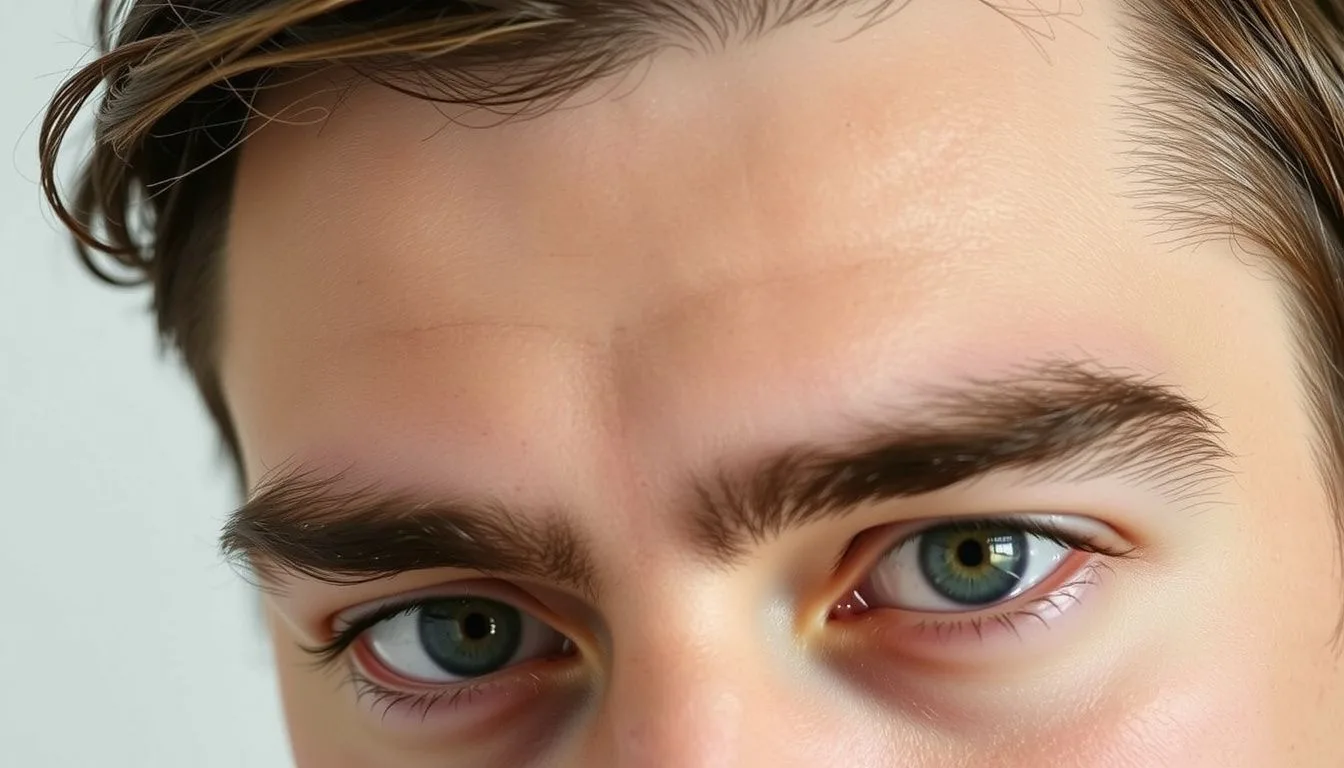
A receding hairline is not, at first, a story about lost hair. It is a story about shrinking hair. The follicles along the frontal hairline are still present and still producing fibers, but each new growth cycle yields a thinner, shorter, and less pigmented strand than the one before. This process, called follicle miniaturization, is why early thinning often looks like a soft, wispy fringe rather than a bald patch. The follicle itself is still alive, just progressively less capable of building a full-thickness hair shaft.
Underneath that visible change, the growth cycle is being compressed. The anagen, or active growing phase, shortens, while the resting phase lengthens. Over successive cycles, the hair spends less time growing and more time shedding, so the density along the hairline drops even though the follicle has not disappeared. The result is a gradual retreat of the frontal hairline rather than a sudden loss.
This distinction matters for treatment. Follicles that are miniaturizing but still cycling retain the potential to respond to therapy, because the cellular machinery for producing a thicker hair has not been permanently shut down. Follicles that have been dormant for years, by contrast, may have lost that capacity entirely. The earlier the intervention, the more likely a follicle can be nudged back toward its former output.
How Genetics and Hormones Drive Androgenetic Thinning at the Front
Androgenetic alopecia is inherited, but it is not inherited as a simple trait. What you pass on, or what you carry, is a set of follicle characteristics — chiefly how sensitive your hair follicles are to androgens, the male-pattern hormones present in both men and women. The key androgen is dihydrotestosterone (DHT), which binds to receptors in genetically susceptible follicles and gradually shortens their growth phase. Over successive cycles, the hair each follicle produces becomes finer and shorter until it no longer emerges above the scalp surface.
What makes the frontal hairline distinctive is that these androgen-sensitive follicles are concentrated along the front and top of the scalp. DHT sensitivity is largely a property of the follicle itself, not the hormone level. This explains why two people with identical circulating androgens can have completely different hairlines. It also explains why the same scalp can behave differently: follicles at the back and sides are typically far less androgen-sensitive, which is why they resist thinning even as the front recedes.
So the pattern is not random. The frontal hairline recedes first because its follicles carry the strongest inherited sensitivity to DHT, and the hormonal environment simply exposes what the genetics already determined.
Why a Receding Hairline Differs From Overall Shedding and Diffuse Loss

Pattern matters more than volume. A receding hairline follows a recognizable shape: the temples pull back first, often forming an M or V, while the mid-scalp and crown can stay dense for years. This is patterned frontal recession, and it moves slowly and asymmetrically. Overall shedding looks different. It arrives as a sudden increase in loose hairs on pillows, in the shower, or on a brush, and it usually spreads across the whole scalp rather than concentrating at the front.
Diffuse loss is subtler still. Density drops evenly, the part may widen, but the hairline itself holds its position. Because the pattern and location of loss are the clearest signals, they also tell you what kind of problem you are facing. Shedding is often temporary and tied to stress, illness, or nutrition, so it can reverse once the trigger resolves. A receding hairline reflects progressive follicle miniaturization and will not correct itself on its own.
That distinction changes what you should expect from treatment, which is where the next steps begin.
Minoxidil, Finasteride, and Other Proven Treatments for Early Hairline Thinning
Two medications dominate the evidence base for early frontal thinning: minoxidil and finasteride. They work in completely different ways, and understanding that difference matters more than any brand name. Minoxidil is a topical vasodilator that prolongs the growth phase and widens the follicle, improving density and caliber. It does not block the hormone driving the process, so it supports growth rather than addressing the cause. Finasteride, taken orally, inhibits the enzyme that converts testosterone into DHT, lowering the androgen load on genetically sensitive frontal follicles. For early thinning, it is the only widely prescribed option that targets the mechanism itself.
Response timelines are slow and easy to misread. Minoxidil typically shows visible change after three to six months of consistent use, with full effect around one year, and stopping it reverses the gain. Finasteride often stabilizes loss within six to twelve months and may produce modest regrowth, though complete restoration of a receded hairline is uncommon. Both require ongoing commitment; neither regrows hair where follicles have already stopped producing visible strands.
Other options appear in clinical discussion with weaker or narrower support. Ketoconazole shampoo has mild anti-androgenic activity and can complement a main treatment. Low-level laser therapy shows modest, inconsistent results. Dutasteride inhibits both relevant enzymes and is sometimes used off-label when finasteride response is inadequate, but it is not a first-line choice. Each of these is best framed as adjunctive therapy — useful alongside a proven primary treatment, not a replacement for one. Matching expectations to early-stage thinning, rather than to advanced loss, keeps the decision realistic.
Hair Transplants, PRP, and Microneedling: Rebuilding the Hairline When Regrowth Stalls
When medication has done what it can and the hairline still looks thin, the next step is not simply “more regrowth.” It is a change in strategy. A hair transplant does not restore follicles that have shrunk; it relocates healthy, DHT-resistant follicles from the back of the scalp into the frontal hairline. This makes it a rebuilding procedure rather than a stimulating one, which is why it can restore a visible edge that drugs alone could not.
PRP and microneedling work differently. They do not add hair; they support the follicles you still have. Platelet-rich plasma is injected into the scalp to deliver growth factors, while microneedling creates controlled micro-injuries that may improve absorption of topical treatments and encourage a repair response. Both are typically used alongside medication, not as replacements for it.
That distinction matters for expectations. Transplants can reconstruct a hairline where follicles are gone, but they depend on a stable donor supply and a settled pattern of loss. PRP and microneedling may thicken existing hair and support the graft environment, yet they cannot revive follicles that have already miniaturized beyond recovery. In practice, these approaches are most effective when they build on the earlier treatments rather than replace them.
FAQs
What causes a thinning hairline, and is genetics always to blame?
A thinning hairline most often results from androgenetic alopecia, where genetics and hormones like DHT gradually shrink hair follicles along the front and temples. Genetics is the primary driver for most people, but it is not the only cause. Chronic stress, nutritional deficiencies, thyroid disorders, traction from tight hairstyles, and certain medications can also thin the hairline. So while heredity is usually the main factor, other medical and lifestyle triggers deserve evaluation too.
Can a thinning hair line be reversed without surgery or medication?
A thinning hairline caused by androgenetic alopecia cannot truly be reversed without surgery or medication, because the underlying follicle miniaturization is progressive. Non-medical approaches such as volumizing styling, scalp-friendly hair care, and camouflaging fibers can improve appearance but do not restore lost density. Some mild shedding from stress, nutrition, or illness may improve on its own, yet a genuinely receding hairline typically requires medical treatment to regrow hair.
Which treatments actually restore a receding hairline, and how long do results take?
For a thinning hairline caused by androgenetic alopecia, the treatments with the strongest evidence are FDA-approved medications like minoxidil and finasteride, along with procedures such as platelet-rich plasma injections and hair transplantation. Minoxidil and finasteride typically require three to six months of consistent use before early regrowth or reduced shedding appears, with fuller results emerging around twelve months. PRP may show initial changes within two to three months, while transplanted hair usually settles and matures over six to twelve months. These options work best when started early, since they are more effective at preserving and thickening existing follicles than at regrowing hair on a completely smooth hairline.