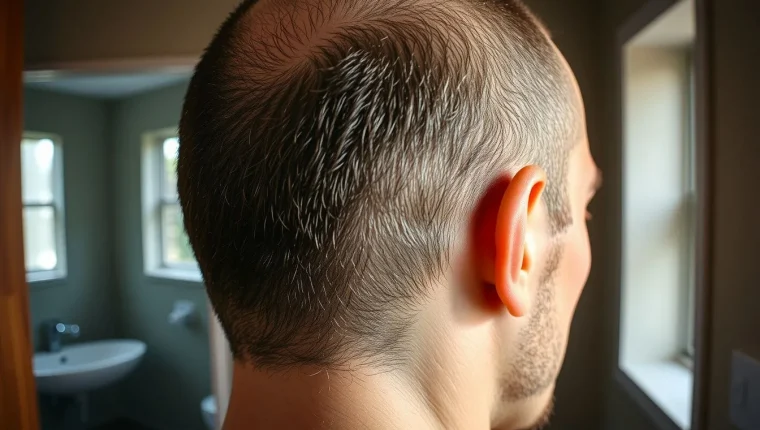
Hair thinning in women rarely follows the pattern most people expect. Instead of a receding hairline, it usually shows up as a widening part, a smaller ponytail, or a scalp that becomes more visible under bright light. Androgenetic alopecia is the most common cause, affecting roughly one in three women at some point, but it is not the only one. Telogen effluvium after illness or stress, traction from tight styling, thyroid disorders, and postpartum shedding all produce different kinds of loss that respond to different solutions.
That distinction matters because female hair replacement is not a single product or procedure. It covers a spectrum: topical and oral medications, low-level laser therapy, hair systems, integration pieces, and full wigs. Each option has a specific job, a realistic ceiling, and a cost profile. Matching the right one to the actual cause and stage of loss is what separates a good outcome from an expensive disappointment.
Understanding Female Hair Loss and Androgenetic Alopecia

Female hair loss is far more common than most people assume, affecting roughly one in three women at some point in their lives. Unlike the sudden, dramatic shedding that follows illness or stress, the most widespread form develops gradually and quietly. This pattern is known as androgenetic alopecia, or female pattern hair loss, and it accounts for the majority of permanent thinning cases in women.
The mechanism behind it differs meaningfully from male balding. In women, hair follicles do not typically disappear; instead, they gradually miniaturize under the influence of dihydrotestosterone (DHT), a hormone derived from testosterone. Each growth cycle produces a thinner, shorter strand until the follicle stops generating visible hair altogether. The result is a diffuse reduction in density, most often concentrated along the part line and crown, while the frontal hairline frequently remains intact.
Several factors shape how and when this condition appears:
- Genetics: A family history of thinning on either side of the family raises susceptibility.
- Hormonal shifts: Pregnancy, menopause, thyroid disorders, and polycystic ovary syndrome can accelerate follicle sensitivity.
- Age: Risk increases steadily after the mid-thirties, though onset can occur earlier.
Because the process is gradual, many women dismiss early changes as temporary shedding or stress-related. Recognizing the distinct signature of androgenetic alopecia — diffuse thinning with a widening part rather than patchy loss — allows for earlier, more informed decisions about management and cosmetic restoration.
How Female Hair Replacement Systems Differ from Traditional Wigs
A traditional wig is designed to sit on top of the head and cover the hairline, often as a full unit that conceals all natural hair beneath it. A female hair replacement system works differently: it is engineered to integrate with existing hair, addressing specific areas of thinning rather than masking the entire scalp.
The most meaningful distinction lies in the base construction. Replacement systems typically use a thin, breathable base — made from lace, silk, or a fine polymer — that mimics the scalp and allows natural hair to be pulled through. This creates a seamless transition where the wearer’s own hair meets the system. Traditional wigs, by contrast, usually rely on a thicker cap with pre-attached strands, which can look uniform and sit higher on the forehead.
Attachment methods also separate the two. Wigs are often secured with adjustable straps or combs and removed daily. Replacement systems are frequently bonded with medical-grade adhesives or tapes, allowing them to stay in place for weeks and withstand washing, swimming, and styling. This makes them feel more like a natural part of the wearer’s routine.
Finally, customization sets replacement systems apart. They can be matched to the wearer’s hair color, density, and curl pattern, and trimmed to blend with a natural part line. A wig offers convenience and full coverage, but a replacement system prioritizes realism and comfort for women with partial or diffuse thinning.
Choosing the Right Hair Replacement System for Your Lifestyle
Matching a system to your daily routine matters more than chasing the most advanced specification on the market. A woman who swims three mornings a week has different requirements from someone who works in a client-facing office, and both differ from a retiree who wants minimal daily handling. The practical question is not which system is best in the abstract, but which one you can attach, style, and forget about without anxiety. Attachment method, base size, and hair length all interact with your schedule, so the right choice usually emerges from an honest audit of your week rather than from a product catalog.
Start by identifying the constraints that will shape your decision:
- Activity level and sweat: Frequent workouts, swimming, or physical work call for stronger adhesion, such as a full-lace base with adhesive tape or liquid bonding, while a clip-in or tape-tab system may suit a calmer routine.
- Daily styling time: If you have ten minutes in the morning, a pre-styled unit with a mono-filament top holds its shape with minimal fuss; heat-friendly fibers reward those willing to style daily.
- Climate and humidity: Hot, humid regions favor breathable lace or silk-top bases, whereas dry cold climates tolerate denser, warmer caps without discomfort.
- Coverage needs: Partial thinning around the part line may need only a topper, while diffuse loss across the crown generally requires a full-cap system.
- Budget and replacement cycle: Longer-wearing bases cost more upfront but reduce how often you reorder, which matters for anyone balancing cost against convenience.
Once these factors are clear, comfort becomes the deciding test. A system that fits your lifestyle is one you stop noticing by mid-morning: no shifting at the hairline, no itching under the cap, no hesitation before a mirror. Trying a custom-fitted cap size before committing to a purchase prevents the most common source of regret, since a base that is even slightly too large will lift at the temples and demand constant adjustment. Lifestyle fit, in the end, is simply the freedom to live your day without thinking about your hair.
Proper Care, Maintenance, and Styling of Hair Replacement Systems

Once a system is fitted, its lifespan and appearance depend largely on how it is handled between wearings. The single most important factor is gentle cleansing with sulfate-free, residue-free products, because harsh shampoos strip the knots and weaken the base over time. Wash a system every seven to ten applications rather than daily, using lukewarm water and working shampoo downward from crown to ends instead of scrubbing the base directly.
Drying deserves equal attention. Blot the hair with a towel and let it air-dry on a stand whenever possible; heat styling should be reserved for low settings and always applied with a heat protectant, since the fibers or donor hair cannot repair themselves the way natural growth can. Detangling should begin at the tips and move upward with a wide-tooth comb, and a light leave-in conditioner or serum helps prevent friction damage at the base.
Storage matters as much as washing. After removal, place the system on a stand or in a satin-lined box to hold its shape and keep dust away. Rotating two systems extends the life of both, letting each recover its elasticity. Because adhesives and tapes break down with oil and sweat, refreshing the bond on the recommended schedule prevents slippage and keeps the hairline looking natural. With consistent handling, a quality system can stay soft, secure, and undetectable for months.
Cost, Comfort, and Confidence: Making an Informed Decision
Price tags on hair replacement vary enormously, and the sticker price alone tells you very little. What matters is the cost per wear — the total you spend divided by the months a system realistically serves you. A cheaper unit that needs replacing every two months can quietly outpace a well-built one that lasts a year, especially once you add installation appointments, adhesives, and the occasional repair. Ask any provider to quote the full annual figure, not just the purchase price.
Comfort deserves equal weight, because a system you find itchy or heavy will sit in a drawer regardless of how good it looks. Breathable bases, correct cap dimensions, and lightweight density all reduce irritation during long days. If you are sensitive to certain adhesives or tapes, say so early; alternatives exist and are far easier to arrange before a unit is built than after.
Confidence is the least measurable factor and often the deciding one. A system that matches your natural density, hairline direction, and colour lets you stop monitoring your scalp in mirrors and start simply living. Before committing, ask about trial periods, adjustment windows, and whether the provider offers a realistic return policy. Reading independent reviews and, where possible, seeing the work on a real client will tell you more than any brochure.
Weighing these three elements together — honest long-term pricing, genuine physical comfort, and the ease of mind that comes with a natural result — turns a stressful purchase into a considered one. Take your time, compare at least two providers, and choose the option that fits your life rather than the one with the loudest marketing.
FAQs
What signs indicate that female hair replacement is a better option than temporary styling coverage?
Female hair replacement becomes the better option when thinning has progressed beyond what concealers, fibers, or strategic styling can realistically hide, especially along the part line, crown, or front hairline. Persistent widening of the part, visible scalp under normal lighting, or a shrinking ponytail circumference despite styling efforts are strong indicators that temporary coverage is no longer sufficient. Women who experience daily frustration, anxiety, or time loss trying to disguise hair loss also tend to benefit more from a replacement system. When hair loss from androgenetic alopecia is stable or progressing and medical treatments have plateaued, a customized hair replacement system offers more durable, natural-looking coverage than temporary styling solutions.
How do wig systems differ from medical hair replacement for women with androgenetic alopecia?
Wig systems are removable cosmetic coverings that sit over existing hair or a bald area and require no medical procedure, whereas medical hair replacement for female androgenetic alopecia typically involves clinical interventions such as topical minoxidil, oral medications, low-level laser therapy, or surgical hair transplantation to restore natural growth. Medical options aim to slow follicle miniaturization or relocate viable follicles, so they address the underlying condition rather than simply concealing it. Wigs offer immediate, flexible coverage with no recovery time, but they do not alter the progression of androgenetic alopecia. Many women combine both approaches, using medical treatment to preserve native hair while relying on a wig or integration system for fuller cosmetic density.
Can female hair replacement be combined with treatments like minoxidil or low-level laser therapy?
Yes, female hair replacement works well alongside treatments such as minoxidil and low-level laser therapy, and many women combine them for better overall results. Minoxidil and laser therapy can help slow further thinning and support the natural hair around a system or wig, while the replacement itself restores coverage in areas that no longer respond to treatment. A dermatologist or hair restoration specialist can help you build a combined plan that fits your degree of hair loss and goals.