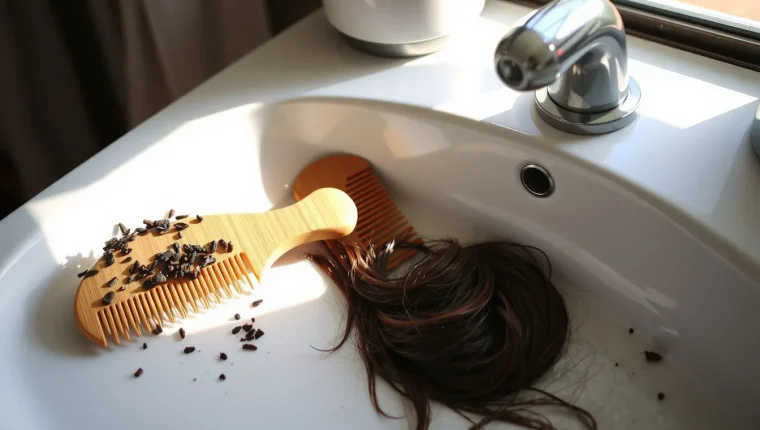
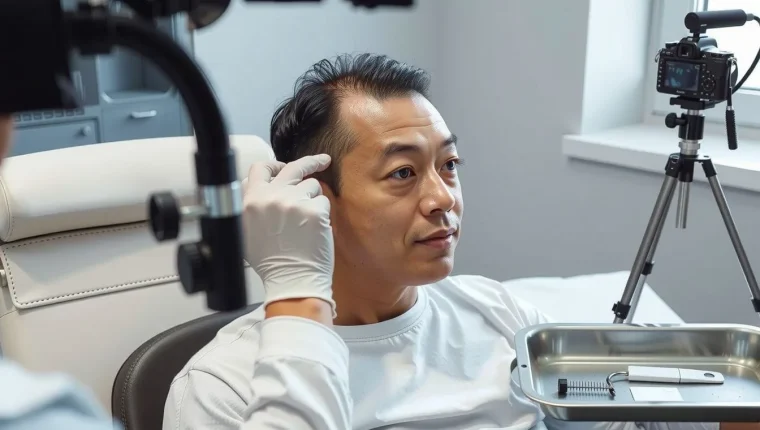
Noticing more hair in your brush or a widening part is common, and it usually can be treated. Hair thinning in women has several possible causes, from genetic sensitivity to androgens and hormonal shifts to thyroid problems, iron deficiency, stress, and styling habits. Because these causes need different approaches, treatment depends on which one is present. Understanding how androgens affect hair follicles explains why some women respond to androgenic treatments and others do not. The process involves recognizing the pattern, confirming the cause, choosing a treatment, and tracking results over time.
Understanding Hair Thinning in Women
Some daily shedding is normal. Most people lose roughly 50 to 100 hairs a day, and this number can rise temporarily after illness, stress, childbirth, or seasonal changes before settling back to baseline. The concern begins when shedding stays elevated or when hair no longer returns at the same thickness. A useful distinction is between diffuse shedding, where hair thins evenly across the scalp, and patterned thinning, where density drops in specific areas such as the part line or crown. Diffuse shedding often reflects a temporary trigger or a systemic issue like thyroid imbalance or iron deficiency, while patterned thinning points toward a more persistent, hormone-related process.
Because these two presentations suggest different underlying causes, identifying the pattern is the first practical step. Causes generally fall into a few broad groups: temporary stressors, nutritional or medical conditions, and genetic sensitivity to androgens. Recognizing which group fits your pattern helps you understand where androgens enter the picture and why targeted treatment may be appropriate.
How Androgens Drive Female Pattern Hair Loss

Androgens are often called male hormones, but they circulate in women too, and hair follicles can respond to them in ways that gradually change how hair grows. The key driver in female pattern hair loss is not necessarily a high level of these hormones, but an inherited sensitivity that makes certain follicles react more strongly to normal amounts.
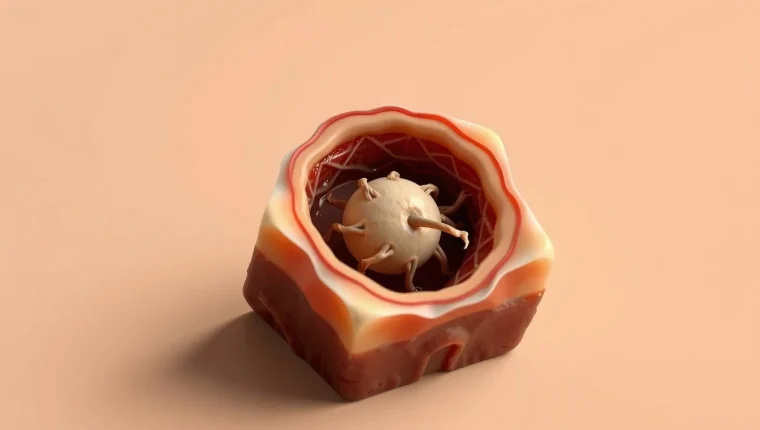
When a follicle is sensitive to androgens, the hormone signal shortens the active growth phase of the hair cycle. Over time, each new hair emerges thinner, spends less time growing, and sheds sooner. This process is known as follicular miniaturization, and it explains why hair becomes progressively finer rather than falling out all at once.
Because miniaturization affects follicles unevenly, the pattern looks distinctive. Hair tends to thin along the part and across the crown, so the part gradually widens and the scalp becomes more visible near the top of the head. Unlike some other forms of hair loss, this pattern usually spares the frontal hairline and rarely produces distinct bald patches.
An important point is that blood tests can show entirely normal androgen levels while this sensitivity is still the underlying cause. The mechanism lives in how the follicle responds, not simply in how much hormone is present. This is why androgenic treatments aim to interrupt that response rather than only lower hormone levels.
Diagnosing the Underlying Cause Before Treatment
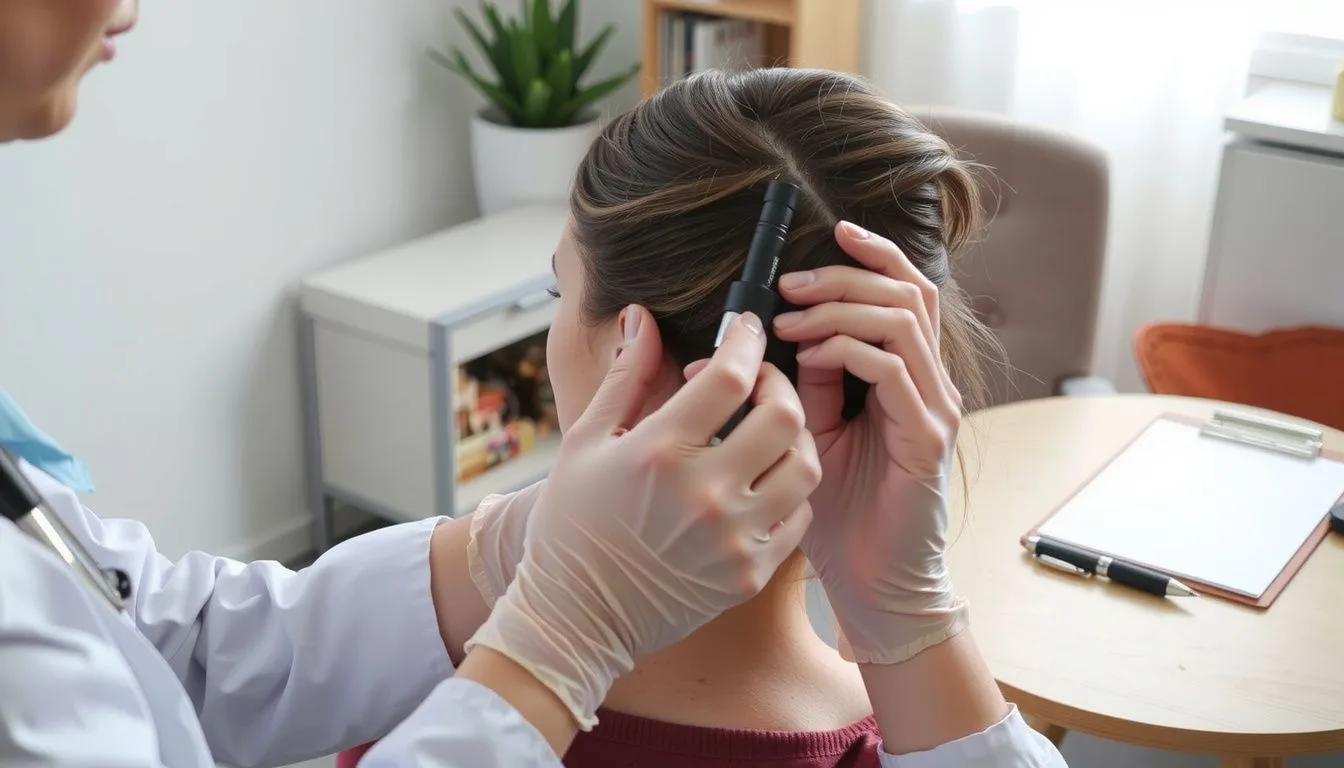
Assuming that thinning hair must be female pattern hair loss is one of the most common and costly mistakes a woman can make. Several conditions mimic androgen-driven shedding, including thyroid disorders, iron deficiency, telogen effluvium after illness or stress, and alopecia areata. Treating the wrong cause wastes months of effort and can delay the correct intervention.
A proper evaluation begins with a detailed history: when the shedding started, whether it is diffuse or concentrated at the part and crown, recent life events, medications, and family history. The clinician then examines the scalp directly, looking at hair density, follicle size variation, and signs of inflammation or scarring.
Blood tests are not routine for everyone. They add value when the history or examination points to a possible underlying condition, such as irregular cycles, fatigue, or sudden diffuse loss. A scalp biopsy is reserved for unusual or ambiguous cases.
An accurate diagnosis determines which treatment category is appropriate. Androgenic options only make sense when androgen sensitivity is genuinely driving the loss.
Androgenic Treatment Options for Balding Women
Treatment for androgen-driven hair loss works through three broad routes: lowering androgen activity at the follicle, stimulating regrowth directly, or physically restoring density through procedures. Understanding which route an option takes clarifies what it can realistically deliver.
At the follicle level, topical minoxidil remains the most widely used regrowth agent for women, extending the growth phase and lengthening thinning hairs. Oral anti-androgens such as spironolactone or finasteride-like drugs block or reduce androgen effect, but they require a prescription and careful monitoring, particularly around pregnancy risk. Low-level laser therapy and platelet-rich plasma sit between medication and procedure, offering modest support with limited evidence.
Procedural options, including hair transplantation, redistribute existing follicles rather than create new ones, so they suit stable, well-defined thinning rather than active diffuse loss. Results from any route take months, not weeks, and none restore a full head of hair.
| Option | Mechanism | Typical Use | Key Considerations |
|---|---|---|---|
| Topical minoxidil | Prolongs growth phase at follicle | First-line, self-applied daily | Requires consistent use; shedding may occur initially |
| Oral anti-androgens | Reduces androgen effect on follicles | Prescription, moderate to severe cases | Monitoring needed; not suitable during pregnancy |
| Low-level laser / PRP | Supports follicle activity | Adjunct to medication | Evidence limited; results vary |
| Hair transplantation | Redistributes existing follicles | Stable, localized thinning | Does not stop ongoing loss elsewhere |
Some options effective in men are unsuitable or dosed differently in women because of hormonal and reproductive considerations, so a clinician’s guidance is essential before starting any regimen.
Monitoring Progress and Adjusting the Plan
Hair loss treatment is a long game, and the first few months can be discouraging. Visible change typically takes three to six months, and some women notice increased shedding in the first weeks as follicles cycle into a new growth phase. This is often temporary and does not mean the treatment is failing. Because progress is gradual, tracking it consistently matters more than judging it day by day. Standardized photos taken in similar lighting, along with a simple note on part width or shedding volume, give a far clearer picture than memory alone.
If six to twelve months pass with no meaningful change, or if side effects become difficult to tolerate, that is the point to revisit the plan with a clinician rather than continue indefinitely. Lack of response may mean the dose needs adjusting, a different treatment should be added, or the original diagnosis deserves a second look.
FAQs
What are the most common causes of hair thinning in balding women?
The most common cause of hair thinning in women is androgenetic alopecia, a hereditary condition in which follicles gradually shrink under the influence of androgens. Other frequent contributors include hormonal shifts such as menopause, thyroid disorders, and polycystic ovary syndrome, as well as telogen effluvium triggered by stress, illness, or nutritional deficiencies. Because several of these factors can overlap, identifying the underlying cause is essential before choosing a treatment.
How does androgenic alopecia differ in women compared to men?
Women with androgenic alopecia typically experience diffuse thinning along the part line and crown while the frontal hairline stays largely intact, whereas men usually develop receding temples and a bald spot at the crown. Women also rarely progress to complete baldness, and the condition tends to appear later, often around or after menopause. Because these patterns overlap with other causes of hair loss in women, such as telogen effluvium or thyroid issues, an accurate diagnosis is essential before starting treatment.
Which androgenic treatment options are most effective for women with pattern hair loss?
For women with pattern hair loss, topical minoxidil remains the most reliable first-line option, while anti-androgens such as spironolactone, finasteride, and cyproterone acetate are used off-label to block the androgen activity driving follicle miniaturization. Spironolactone is generally the preferred anti-androgen because it is well tolerated and effective at doses of 100 to 200 mg daily, though it requires monitoring and is contraindicated in pregnancy. Finasteride can help postmenopausal women but is avoided in women of childbearing potential due to teratogenic risk. Because response varies and these treatments often work best in combination, a physician should tailor the choice to each woman's hormonal profile, reproductive plans, and overall health.