A receding or thinning hairline is one of the first changes many Black men notice, and it rarely has a clear explanation. Hairline loss in Black men has several distinct drivers, from genetic androgenetic alopecia to tension-based styling damage and everyday grooming habits, and these causes are often confused with one another. That confusion leads men to try products or styles that do not match the actual problem. Identifying what is happening at the hairline enables effective, androgenic-focused care.
What Causes a Thinning Hairline in Black Men

A thinning hairline rarely has a single explanation. The most common driver is genetics, specifically androgenetic alopecia, where hair follicles become sensitive to dihydrotestosterone (DHT) and gradually shrink. In Black men, this sensitivity often shows up first along the temples and frontal edge, though the pace and pattern vary widely from person to person.
Mechanical and lifestyle factors form a second category. Tight braids, locs, cornrows, and repeated tension at the hairline can pull follicles loose over time, a process known as traction alopecia. Chemical relaxers and frequent heat styling may also weaken the frontal hairline, especially when used without breaks.
A third group involves health-related or temporary causes. Thyroid imbalances, iron deficiency, scalp infections, and certain medications can trigger shedding that mimics genetic loss. Emotional or physical stress may push follicles into a resting phase, producing diffuse thinning that sometimes resolves once the trigger fades.
These causes differ in how they behave: genetic loss tends to be gradual and permanent without treatment, traction loss is often reversible if caught early, and health-related shedding may improve once the underlying issue is addressed. That is why identifying the cause matters before choosing a response.
How Androgenetic Alopecia Affects Afro-Textured Hair
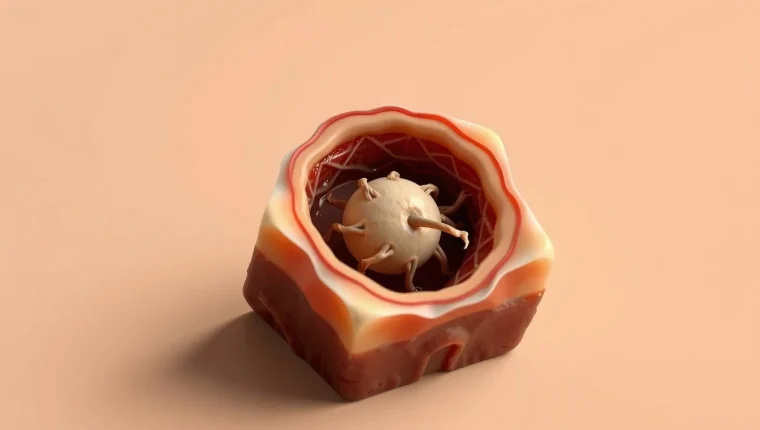
Androgenetic alopecia does not simply thin Afro-textured hair evenly across the scalp. It begins with a genetic sensitivity to dihydrotestosterone (DHT), the androgen that gradually miniaturizes susceptible follicles. On tightly coiled hair, those follicles are already shaped differently: the curl pattern creates a flatter, more angled exit from the scalp, and the hair shaft itself is elliptical rather than round. When DHT begins to shrink the follicle, the new growth emerges finer, shorter, and less tightly coiled before it eventually stops producing visible hair altogether.
At the hairline, this process often follows a recognizable path. The frontal edge recedes gradually, sometimes creating a widow’s peak shape or a slow thinning along the temples rather than a sudden bald patch. Because shrinkage keeps coiled hair close to the scalp, early recession can stay hidden for months. A man may not notice a receding edge until the contrast between the thinning front and the denser crown becomes obvious, especially when hair is styled with a sharp line-up or fade.
That delayed visibility matters. Follicular miniaturization is most responsive to care when it is caught early, before the follicle stops producing hair entirely. Recognizing the pattern on Afro-textured hair means looking past styling and shrinkage to the actual density at the front, which is why an accurate read of what is happening at the follicle level changes how soon a man seeks help.
Traction Alopecia and Other Lifestyle-Linked Hairline Loss
Not every receding hairline in Black men is genetic. Repeated tension on the same follicles, certain chemical and heat styling practices, and a handful of lifestyle-linked conditions can all pull the hairline back or thin it out independently of traction alopecia and its related triggers. Because the two problems can overlap, the practical question is how to tell them apart.
Location and behavior are the clearest clues. Traction and lifestyle-linked loss tends to follow the styling, not the calendar of a genetic pattern:
- Tension styling: Tight braids, cornrows, locs, or glued edges pull steadily on the same follicles, often producing a receding band along the temples and front hairline rather than a diffuse crown thinning.
- Chemical and heat damage: Frequent relaxers, edge control, and high-heat tools can weaken the hair shaft and irritate the scalp, so breakage and shedding concentrate where the products and tools are applied most.
- Trichotillomania: Compulsive pulling or twisting of hairline hairs is a recognized cause of localized loss that can mimic early androgenetic thinning.
- Nutritional and medical factors: Iron deficiency, thyroid disorders, and similar conditions can thin the hairline as part of a broader shedding pattern worth ruling out.
Unlike genetic thinning, which usually advances gradually and symmetrically, this type of loss often improves once the cause is removed—but only if it is caught before scarring makes the follicle loss permanent. That is why early recognition matters more than any single treatment.
Early Signs, Diagnosis, and When to Seek Professional Care
Hairline changes rarely announce themselves. The earliest sign is often not baldness but miniaturization — hairs along the frontal edge growing finer, shorter, and softer until the hairline looks less dense without an obvious bare patch. A widening part, a slightly higher forehead in photos taken months apart, or a few extra hairs on the pillow can all be early markers. Normal variation exists, though: hairlines mature with age, and some recession is common. What matters is progression — change that continues over months rather than holding steady.
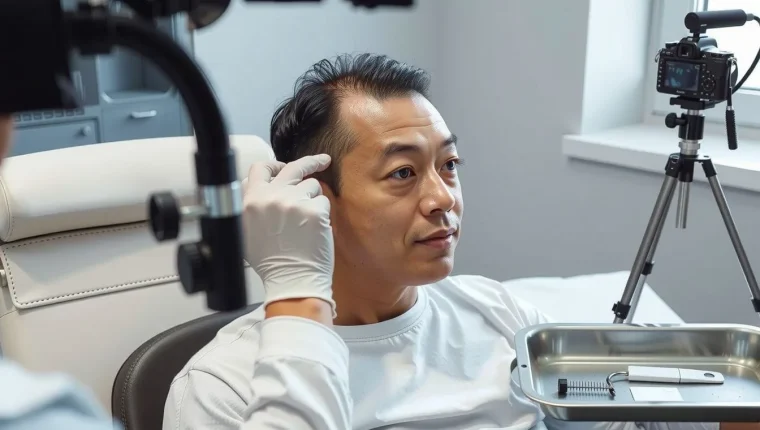
Self-diagnosis is unreliable here because several conditions look alike. A clinician distinguishes androgenetic thinning from traction alopecia by examining the pattern, checking for broken hairs and follicular damage, and asking about styling history. Scalp examination, sometimes with dermoscopy, helps confirm whether follicles are shrinking or scarred. Blood work may rule out thyroid, iron, or nutritional contributors.
Waiting becomes unreasonable once loss is visible, spreading, or accompanied by itching, pain, or scaling. Earlier evaluation generally means more options, so a persistent change in the hairline deserves a professional look rather than continued observation.
Androgenic Care Options: Treatments, Styling, and Prevention

Androgenic care works best when each option is matched to what it can realistically do. Prescription treatments such as minoxidil and oral or topical finasteride target the hormonal drivers of androgenetic alopecia and are the most consistently supported options for slowing further hairline recession. These approaches require months of consistent use before change is visible, and results vary by individual. Adjunctive options like low-level laser therapy, microneedling, and ketoconazole shampoo may support scalp health or improve absorption, but they work alongside—not instead of—core medical treatment.
Styling and grooming adjustments reduce added stress on an already vulnerable hairline. Avoiding tight braids, high-tension styles, and frequent chemical or heat treatments protects the follicles from compounding damage. Gentle cleansing, moisturizing the scalp, and limiting harsh pulling all help preserve what remains.
| Care Option | What It Targets | Practical Considerations |
|---|---|---|
| Minoxidil (topical/oral) | Hair follicle stimulation and growth phase | Requires ongoing use; results take months |
| Finasteride (oral/topical) | DHT reduction, slowing miniaturization | Prescription needed; discuss side effects |
| Low-level laser therapy | Scalp circulation and follicle activity | Adjunct only; inconsistent results |
| Microneedling | Absorption and follicle stimulation | Combine with topicals; avoid overuse |
| Gentle styling practices | Preventing traction and tension damage | Loose styles, limited heat and chemicals |
| Scalp care routine | Scalp health and follicle environment | Gentle cleansing, moisturizing, no harsh pulling |
Prevention habits matter most before significant miniaturization occurs. Early, consistent intervention generally offers better outcomes than waiting, and combining medical treatment with protective styling gives the hairline its best chance of stabilization.
FAQs
What causes a thinning hairline in Black men, and how does androgenetic alopecia differ from other types of hair loss?
A thinning hairline in Black men is most often caused by androgenetic alopecia, a hereditary condition driven by sensitivity to dihydrotestosterone (DHT) that gradually miniaturizes hair follicles along the temples and frontal hairline. Unlike traction alopecia, which results from years of tight braids, weaves, or chemical relaxers and can sometimes be reversed if caught early, androgenetic alopecia follows a predictable genetic pattern and does not regrow without treatment. Central centrifugal cicatricial alopecia (CCCA), another condition more common in Black men and women, destroys follicles through scarring and causes permanent loss, distinguishing it from the non-scarring nature of early androgenetic thinning. Because these conditions can look similar at first, a dermatologist can confirm the cause through scalp examination and, when needed, a biopsy to guide the right treatment.
How can a Black male tell whether his thinning hairline is due to genetics, traction alopecia, or an underlying health condition?
A receding hairline that follows a recognizable pattern, such as temple recession or a widening part, most often points to genetics, especially when it resembles the hair loss pattern of close male relatives. Traction alopecia tends to appear where tension has been applied, such as along the edges or at the temples, and it may improve once tight hairstyles, braids, or chemical treatments are stopped. If the thinning is diffuse, patchy, or accompanied by scalp pain, itching, scaling, fatigue, or other systemic symptoms, a doctor or dermatologist should evaluate for an underlying health condition such as thyroid disease, anemia, or a scalp disorder.
What treatment options work best for a thinning hairline black male who wants to slow or reverse hair loss?
The most effective options for a thinning hairline in Black men combine FDA-approved medications like topical minoxidil and oral finasteride with gentle, low-tension styling to protect fragile edges. For many Black men, traction alopecia from tight braids, weaves, or relaxers worsens the hairline, so stopping those practices is essential alongside treatment. Finasteride addresses the androgenic component by lowering DHT, while minoxidil improves follicle stimulation and blood flow. For advanced or unresponsive cases, platelet-rich plasma or hair transplant surgery can restore density once the hairline has receded significantly.