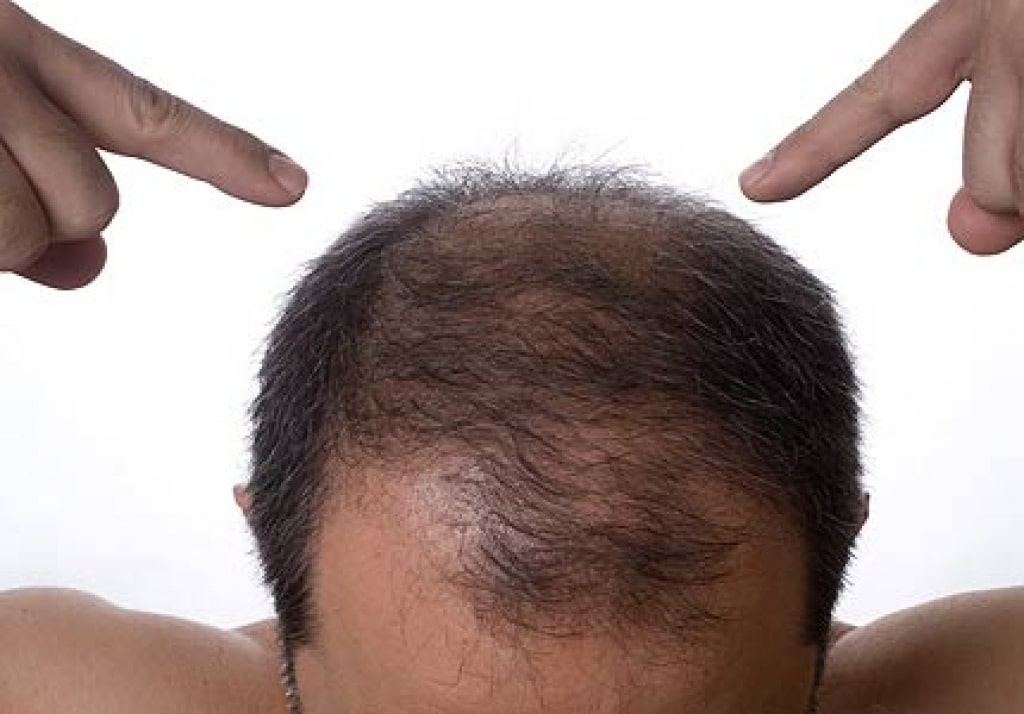
Itching after hair transplant is a common concern during recovery, but not every sensation means the same thing. Mild irritation may be part of normal healing as the scalp adjusts after graft placement, while persistent or worsening symptoms can require professional assessment. Post-transplant itching may have several causes, last for different lengths of time, and may improve with gentle aftercare. It also highlights habits that can irritate the recipient or donor area and clarifies when you should contact your transplant clinic or a qualified clinician rather than trying to manage the problem yourself.
Why Does Itching After Hair Transplant Happen?
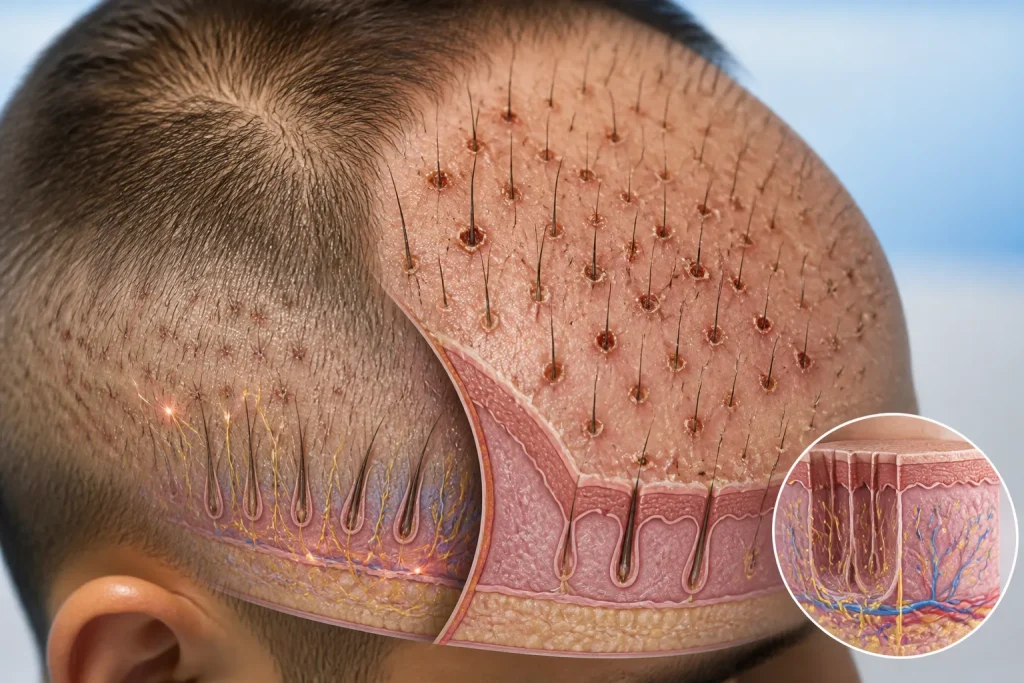
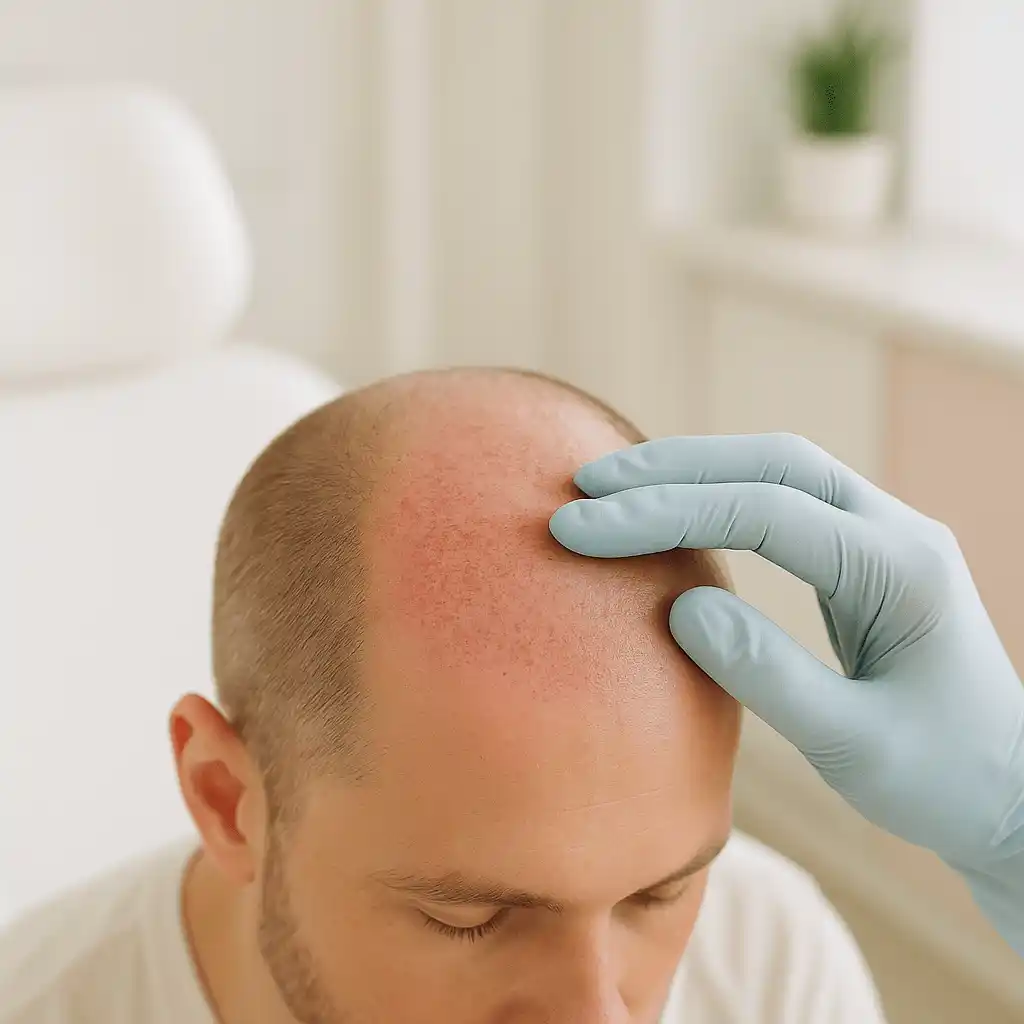
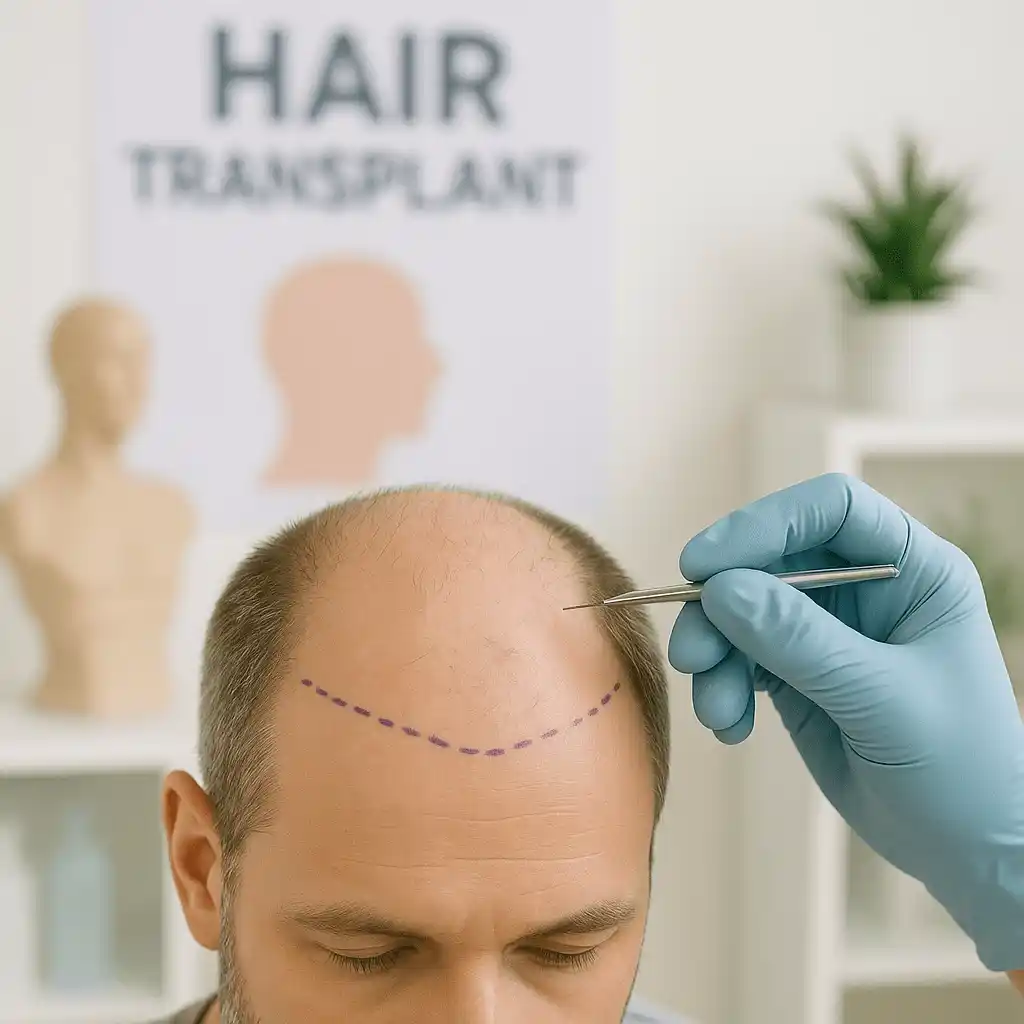
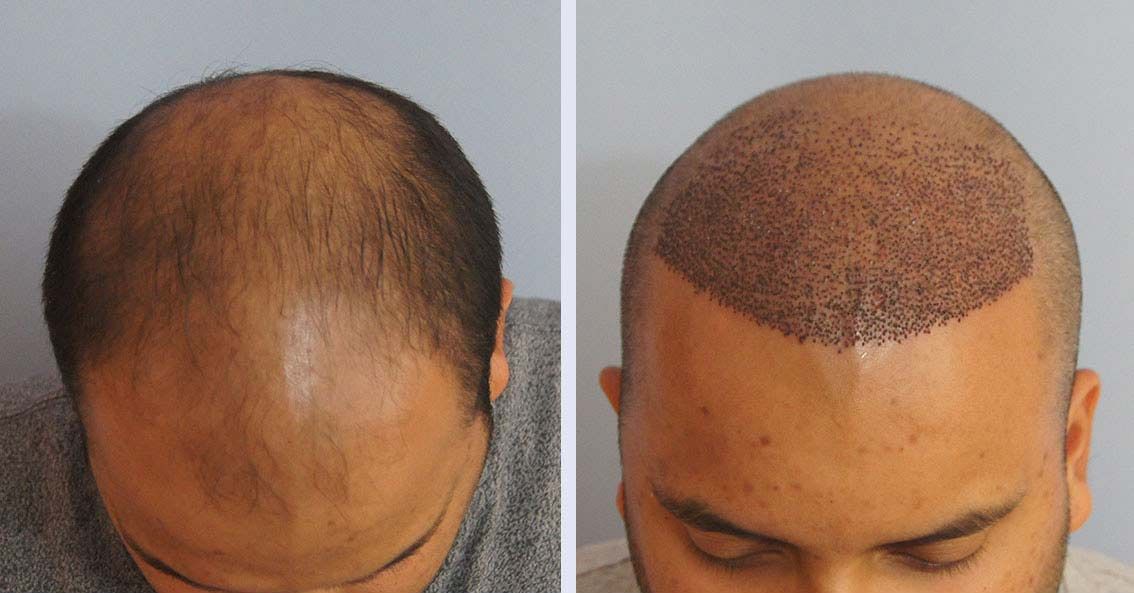
Several normal healing processes can make the scalp itchy after graft placement. In both the recipient and donor areas, tiny wounds begin to close, new skin forms, and the surrounding tissue may feel tight or irritated. This sensation is often part of the body’s repair response after procedures such as FUE or DHI.
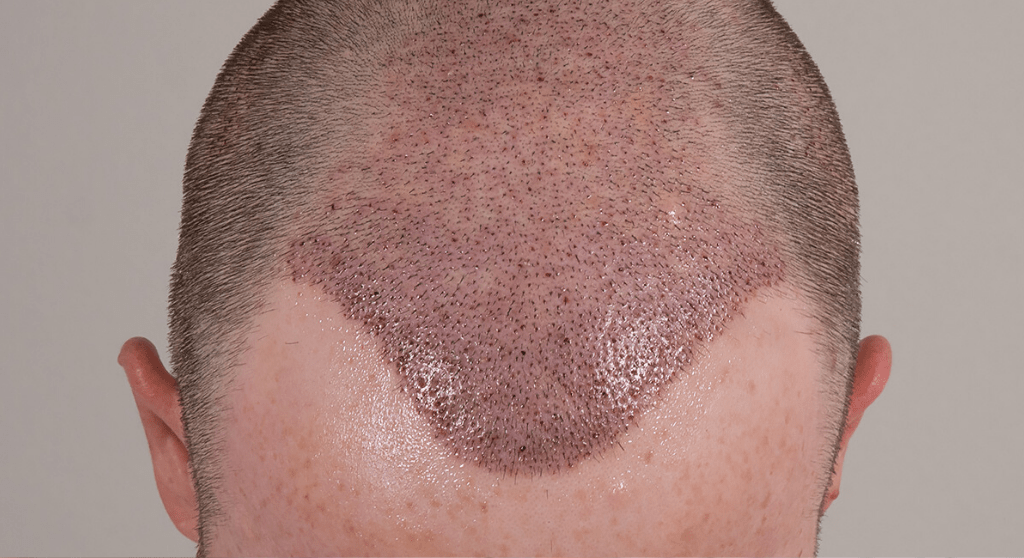
As the scalp heals, small scabs can develop around the grafts. These scabs may pull slightly on the skin and create an urge to scratch. Dryness can add to the discomfort, especially if the scalp has been washed less frequently or exposed to air during the early recovery period. Mild swelling, dried fluid, and friction from a pillow or dressing may also contribute.
Another cause is nerve regeneration. The procedure can temporarily disturb small sensory nerves in the skin. As they recover, some people notice itching, tingling, numbness, or brief prickling in the donor or recipient area. These sensations can occur even when the grafts are healing normally.
Itching may also result from irritation caused by a dressing, adhesive, shampoo, antiseptic, or another product that touches the scalp. This does not always mean an allergy, but a new rash, spreading redness, marked swelling, blisters, increasing pain, pus, or fever should be assessed by the transplant clinic. Such changes can point to infection, significant inflammation, or a reaction that needs professional guidance rather than scratching or self-treatment.
How Long Does Scalp Itching Usually Last?
Scalp itching often becomes more noticeable during the early healing period, particularly as small scabs loosen and the skin beneath them repairs itself. For many patients, irritation gradually eases over the first several days or weeks rather than disappearing immediately. Mild sensations may also come and go as the recipient and donor areas recover.
The exact timeline varies according to the number of grafts placed, the technique used, individual skin sensitivity, and how quickly the scalp heals. FUE and DHI recovery can therefore feel different from one person to another. Temporary dryness, tightness, or tingling may continue even after the most visible redness has improved.
Gradual improvement is generally more reassuring than a fixed day-by-day schedule. Avoid scratching or removing scabs prematurely, and follow the washing and medication instructions provided by your transplant clinic. If itching becomes increasingly intense, persists without improvement, or appears alongside symptoms such as spreading redness, unusual swelling, discharge, or fever, contact the medical team rather than waiting for it to resolve on its own.
Safe Ways to Relieve Post-Transplant Itching

Relief should come from reducing irritation without disturbing the grafts or healing skin. Follow your clinic’s washing instructions closely, as the timing and technique may differ after FUE, DHI, or another hair restoration procedure. Usually, cleansing involves lukewarm water, a mild approved shampoo, and very gentle fingertip contact around the recipient area. Do not direct strong water pressure at the grafts, and avoid picking away flakes or dried fluid.
A cool, clean compress may help calm an itchy sensation, particularly around the forehead or donor area. Place it near the uncomfortable region rather than pressing directly on newly implanted grafts, and keep the application brief. Ice should never be placed directly on the scalp because excessive cold and pressure can irritate healing tissue.
Your clinic may recommend a specific spray, cleanser, moisturizer, or other post-transplant product. Use only products that have been approved for your recovery stage. Even a product marketed for sensitive skin can contain ingredients that cause irritation after surgery. If itching is affecting sleep or daily activities, ask the transplant team whether an appropriate antihistamine or another medication is suitable for you. Do not guess the dose, combine medicines, or apply steroid creams unless a clinician has advised it.
Protecting the grafts from friction and pressure is the safest general principle. Keep fingernails away from the recipient area, avoid rubbing with a towel, and pat the scalp dry only as directed. If an involuntary scratching habit is difficult to control, discuss practical nighttime precautions with the clinic. Persistent discomfort should also be reported rather than managed by increasingly aggressive self-treatment.
Which Aftercare Habits Can Make Itching Worse?
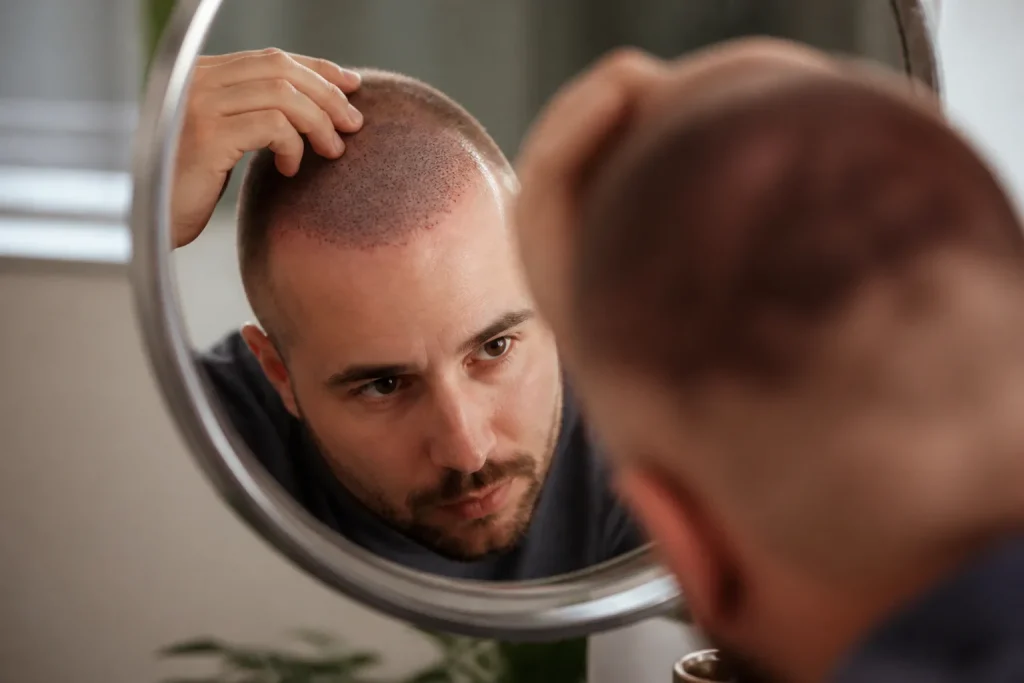
Some everyday aftercare habits can intensify scalp irritation and prolong discomfort after a hair transplant. Scratching is one of the most damaging responses because fingernails can disturb healing skin, loosen crusts, and place pressure on newly positioned grafts. Picking scabs has a similar effect, even if the area feels dry or tight.
Friction and pressure may also increase itching. Tight hats, helmets, rough pillowcases, and frequent rubbing can irritate both the recipient and donor areas. Heat and heavy sweating may worsen the sensation, so avoid hot environments and strenuous activity until your clinic says they are appropriate. Washing too vigorously, using high water pressure, or rubbing the scalp dry can create additional mechanical irritation.
Unapproved topical products are another common trigger. Regular shampoos, styling products, oils, alcohol-based solutions, and home remedies may contain fragrances or ingredients that irritate healing tissue. Do not apply creams or medications unless your surgical team recommends them. Instructions may also differ between the donor area and recipient area, particularly after FUE or DHI, so follow the specific washing and handling guidance provided for each site.
When Does Itching Require Medical Advice?
Itching should be assessed by your transplant clinic if it becomes progressively worse instead of gradually settling, especially when other symptoms appear. Increasing redness, warmth, swelling, severe tenderness, or pain around the recipient or donor area may indicate inflammation or infection. Yellow or foul-smelling discharge, persistent bleeding, fever, or chills also warrants prompt medical advice rather than continued home treatment.
A spreading rash, marked facial swelling, or intense itching that begins soon after using a shampoo, lotion, antibiotic, or other new product may suggest an allergic or irritant reaction. Stop using the suspected product and contact your medical team for guidance; seek urgent care for breathing difficulty or swelling of the lips and tongue.
Worsening symptoms after hair restoration require individualized assessment. Contact the surgeon or clinic that performed the FUE or DHI procedure, describe when the changes began, and provide photographs if requested. Do not scratch the grafts, apply unapproved medication, or start antibiotics without professional instructions.
FAQs
Can I scratch my scalp after a hair transplant?
Avoid scratching the scalp after a hair transplant, especially during the first few weeks, because friction can dislodge newly placed grafts and irritate the recipient area. If itching occurs, follow your clinic’s aftercare instructions, such as gentle washing or prescribed medication, and contact your surgeon if it becomes severe, persistent, or involves increasing redness or swelling.
Is itching normal during hair transplant recovery?
Mild itching is common during hair transplant recovery as the scalp heals and scabs form around the grafts, particularly in the recipient and donor areas. Avoid scratching or picking, as this may dislodge grafts; follow your clinic’s aftercare instructions and use only approved products or medications. Contact your surgeon if itching becomes severe or is accompanied by increasing redness, swelling, pain, pus, or fever.
What can I use for an itchy donor or recipient area?
Use the aftercare products recommended by your hair transplant clinic, such as a gentle moisturizer or prescribed soothing lotion. Avoid scratching, rubbing, alcohol-based products, and applying creams or oils without medical approval, as these may irritate the grafts. Contact your clinic if itching becomes severe or is accompanied by increasing redness, swelling, pain, discharge, or fever.