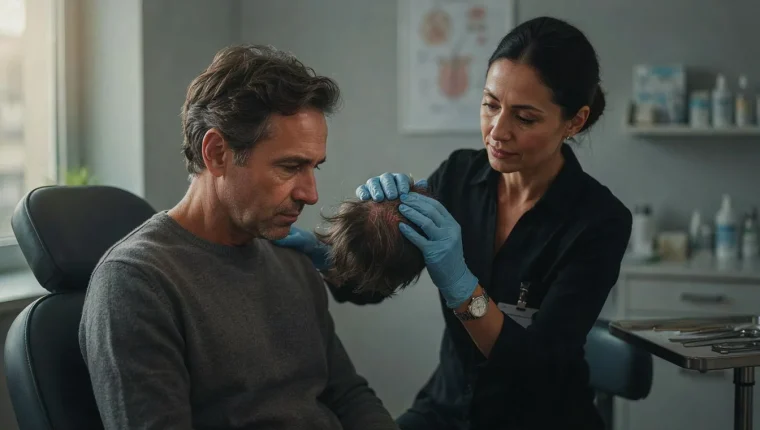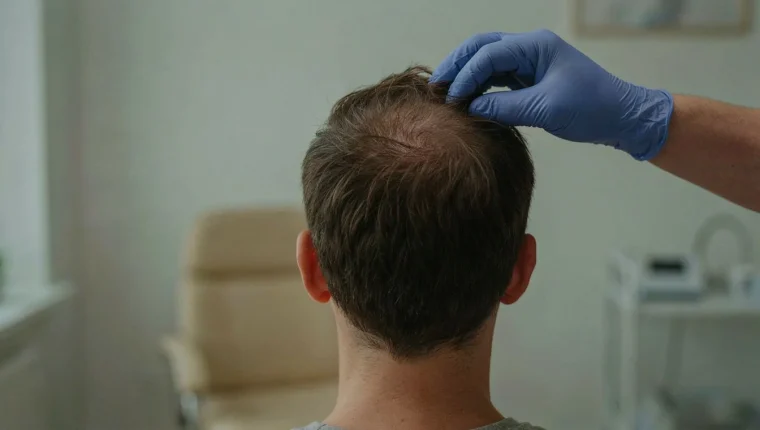
Many people ask, is Turkey safe for hair transplant procedures, but safety depends less on the country itself than on the clinic, medical team, and standards of care involved. Hair restoration is still a surgical procedure, so safety should be assessed carefully before booking treatment abroad. This includes checking the surgeon’s credentials, facility licensing, hygiene, treatment planning, and recovery support. Travel arrangements and aftercare also deserve attention, especially if complications arise after returning home. Practical factors can help you judge whether a hair transplant in Turkey is suitable and safe for your situation.
Is Turkey Safe for Hair Transplant Procedures?
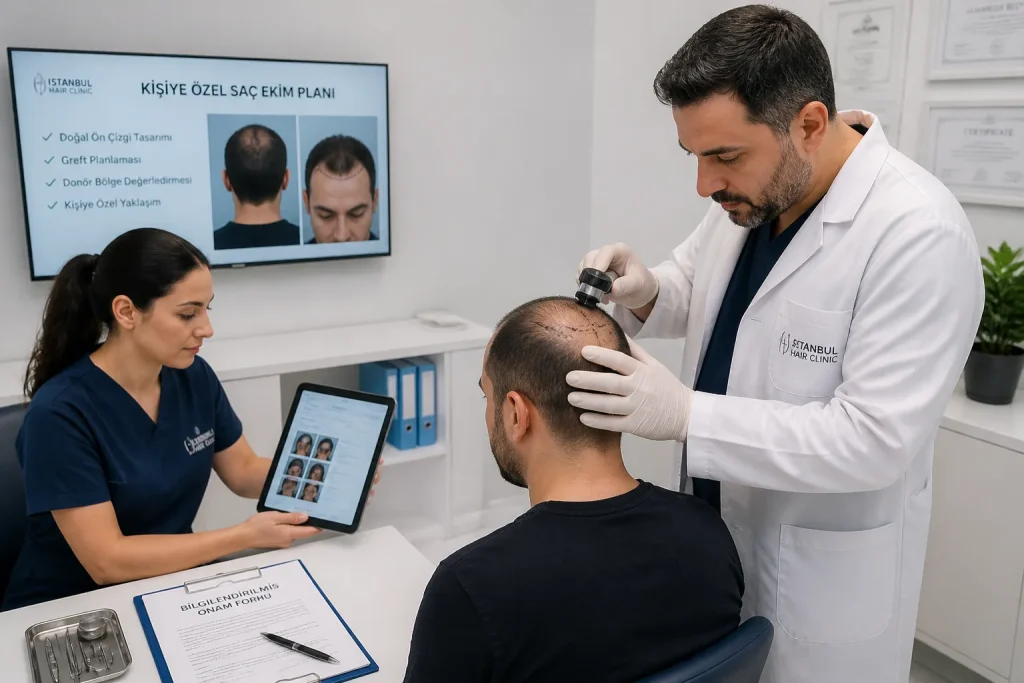
Turkey’s strong reputation for hair restoration does not make every clinic or treatment team equally safe. The real answer to whether a hair transplant in Turkey is safe depends on the standards of the specific facility, the qualifications of the medical staff, and the quality of care before, during, and after surgery.
A careful patient assessment should come before any treatment plan. The surgeon or appropriately qualified clinician should examine the cause of hair loss, evaluate the donor area, assess the recipient area, and determine whether the available follicles can support a natural result. Unrealistic graft numbers or a rushed consultation may signal that commercial goals are taking priority over medical judgment.
Direct surgeon involvement is another central safety factor. Patients should know who designs the hairline, extracts grafts, creates recipient sites, and supervises implantation. These responsibilities should not be left entirely to unqualified technicians. Safe treatment also requires strict sterile technique, appropriate infection-control procedures, accurate medical records, and clear instructions for medication and recovery.
FUE and DHI describe techniques, not guarantees of quality. Either method can be performed well or poorly depending on planning, training, handling of hair follicles, and aftercare. Reliable follow-up is therefore essential, particularly if the patient experiences unexpected healing problems, prolonged swelling, or concerns about hair growth after returning home.
How Turkish Clinics Are Regulated and Accredited
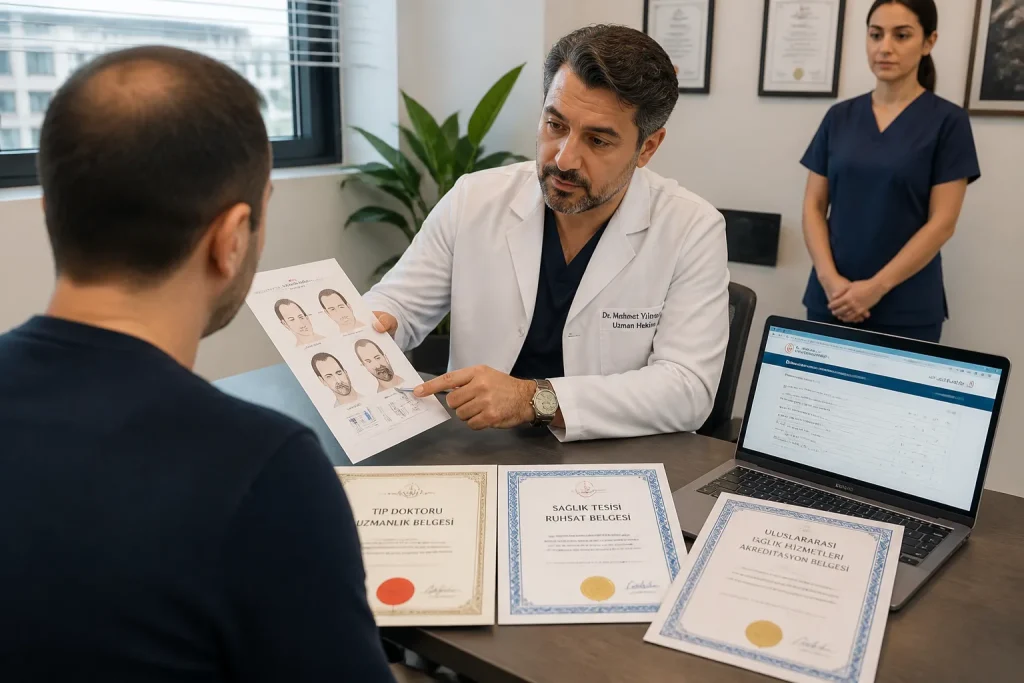
Turkish clinics are overseen through several layers of professional and facility regulation, so a clinic’s legitimacy should be assessed through verifiable records rather than its advertising. Start by confirming that the physician responsible for the procedure holds a current medical license and is clearly identified in the treatment plan. The doctor’s role should also be stated: some clinics use physicians for assessment and medical supervision while technicians perform much of the extraction or implantation.
Official facility authorization should be independently verified through relevant Turkish health authorities or the clinic’s published registration details. Accreditation from a recognized healthcare organization may provide additional evidence of quality systems, but it is different from a commercial membership, award, or website badge. Patient testimonials and social media photographs can offer context, yet they do not prove licensing, surgical competence, or safe practice.
Ask specifically who will conduct the consultation, design the hairline, extract grafts, implant follicles, prescribe medication, and manage complications. The clinic should provide consistent answers and identify the supervising surgeon by name. Unclear staff roles, pressure to book quickly, or claims that cannot be checked through official sources should be treated as warning signs.
What Medical Risks Should Hair Transplant Patients Consider?
Hair transplantation is generally a minor surgical procedure, but it still carries medical risks that should be assessed individually. Possible short-term effects include bleeding, swelling, tenderness, pain, temporary numbness, itching, and inflammation around the grafts. Infection is uncommon with appropriate sterile technique and aftercare, yet patients should know which symptoms require prompt medical attention.
Some complications relate to how the grafts are removed, handled, and implanted. Excessive extraction can thin the donor area or limit future treatment options, while poor graft handling may damage hair follicles. Incorrect angle, spacing, or depth in the recipient area can produce unnatural hair growth, visible scarring, or uneven density. A thorough assessment of the donor area and existing hair-loss pattern helps determine whether the planned number of grafts is medically realistic.
Individual medical assessment is essential before consent. Patients should disclose chronic conditions, previous operations, allergies, bleeding problems, smoking, and every medication or supplement they take, including blood thinners. They should also discuss realistic expectations because temporary shedding can occur after transplantation, and final hair growth develops gradually rather than immediately.
Before treatment, clarify who to contact for worsening pain, fever, persistent bleeding, or signs of infection. Ask how aftercare instructions will be provided, who handles urgent concerns, and what escalation arrangements exist if recovery does not follow the expected course.
How to Choose a Qualified Surgeon and Reliable Clinic

A safe provider should be evaluated through evidence, not a low-cost package or polished social media content. Begin by checking the surgeon’s medical qualifications, experience with hair restoration, and involvement in your consultation. Ask who will design the hairline, extract the grafts, create recipient sites, and supervise implantation. The answers should be clear rather than limited to the clinic’s brand name or sales coordinator.
Review a consistent portfolio showing comparable cases, including similar hair loss patterns, donor density, hair texture, and follow-up stages. During assessment, the proposed graft number should match your donor area and long-term hair-loss pattern. A responsible plan explains the expected hairline, recipient-area density, and whether FUE or DHI is appropriate, without promising guaranteed growth.
Also confirm where the procedure will take place, which staff members assist the surgeon, and how hygiene and emergency arrangements are managed. You should have direct access to a qualified medical professional before and after surgery, rather than relying exclusively on a coordinator.
Before booking, request written information about aftercare and complication management, including medication instructions, follow-up appointments, communication channels, and what happens if healing is delayed or a revision is considered. A reliable clinic gives specific answers and allows time for informed consent instead of pressuring you to pay immediately.
What Should You Check Before Traveling to Turkey for Treatment?

Before booking a flight, confirm exactly who will provide the treatment and where it will take place. Ask whether you will have a consultation with the responsible clinician before the procedure, and request a written schedule covering arrival, consultation, surgery, follow-up, transfers, and accommodation. The clinic should also provide a direct contact person rather than relying only on a sales representative.
Prepare your passport or identity documents, completed medical history, current medication list, allergy information, and any previous hair-loss treatment records. Read the consent documents carefully and make sure they explain the planned technique, expected graft range, donor and recipient areas, possible changes to the plan, and who will answer questions in your language.
Plan your return realistically. Allow time for the initial review, early swelling, washing instructions, and restrictions on exercise, alcohol, headwear, or strenuous travel. Ask whether flying soon after surgery is appropriate for your circumstances and follow the clinic’s individualized advice.
Before departure, establish remote follow-up and urgent-care arrangements. Obtain written aftercare instructions, a secure way to send photographs, emergency contact details, and guidance on what to do if concerns arise after returning home. Also identify a local doctor or medical service you could contact if in-person assessment becomes necessary.
FAQs
Are hair transplants in Turkey performed by licensed doctors?
Yes, reputable hair transplant clinics in Turkey use licensed physicians, but the doctor’s qualifications and role can vary between providers. Before treatment, verify the surgeon’s medical license, hair-restoration experience, clinic authorization, and whether they personally perform key steps such as designing the hairline and extracting or implanting grafts. Ask for clear details about the FUE or DHI procedure, aftercare, and who will be responsible for your treatment.
How can I verify a clinic’s safety and credentials?
Check that the clinic is legally registered and that the surgeon holds a valid license and recognized specialist qualifications. Look for independent reviews, verified before-and-after cases, clear information about who performs each stage, and proper medical facilities with documented hygiene and emergency procedures. Ask for a consultation, treatment plan, risks, fees, aftercare details, and evidence of accreditation before making a decision.
What should I do if complications occur after returning home?
Contact your surgeon or clinic promptly for advice, especially if you develop increasing pain, heavy bleeding, severe swelling, fever, pus, breathing difficulties, or signs of an allergic reaction. Follow their aftercare instructions, avoid self-treating with unapproved medication, and seek emergency care immediately for severe symptoms or rapidly worsening complications.