Most patients who travel to Turkey for breast augmentation need to stay between 7 and 10 days after surgery. This period covers your initial recovery, follow-up appointments with your surgeon, and removal of dressings or drains before you’re cleared to fly. Some patients with straightforward recoveries leave after 5–6 days, but planning for a full week allows for longer-lasting swelling or fatigue. Your return date also depends on the surgical technique, whether the implant was placed under the muscle, and how your body responds in the first days. Airlines and surgeons recommend avoiding long flights too soon because cabin pressure and limited movement can affect healing. This guide provides a realistic day-by-day breakdown of your stay and the signs that indicate you’re ready to travel home.
Recommended Length of Stay in Turkey for Breast Augmentation
For most patients, the sweet spot falls somewhere between the 7 and 10 days mentioned earlier — and there’s a good reason surgeons cluster their recommendations in this range. The first week covers the most critical healing phase, when swelling peaks, drains (if used) are removed, and your surgical team can confirm that everything is settling as expected.
Within that window, the first post-operative check-up typically happens 24 to 48 hours after surgery, with a second review around day five or seven. Staying through these appointments is non-negotiable; it’s how your surgeon verifies there’s no unusual fluid buildup, infection, or wound-healing concern before you board a flight home.
Your ideal duration varies. A healthy, uncomplicated patient with implants placed under the muscle may be cleared to fly on day seven. Someone with a larger volume increase, a combined procedure like a lift, or a slower start to recovery may be advised to stay closer to ten days — sometimes a little longer if healing demands it.
A few practical factors also shape the number: whether you’re staying in a hotel or a recovery residence, how quickly you can move your arms comfortably, and how far you’ll be traveling once you leave Turkey. Longer international flights put extra pressure on early recovery, so your surgeon may factor your flight length into the clearance date.
In short, plan for a week as your baseline, but hold a flexible return ticket if you can. The extra two or three days are rarely needed — yet when they are, you’ll be glad the space was already there.
What to Expect During the First Days After Surgery
The first 48 to 72 hours after your procedure are when your body does its most demanding work, and knowing what a normal recovery actually feels like removes much of the anxiety patients carry into those days. Most women wake up with a tight, heavy sensation across the chest rather than sharp pain, since modern anesthesia protocols and long-acting local anesthetics keep discomfort well controlled during the crucial early window.
You will leave the clinic wearing a surgical compression bra, and this garment becomes your constant companion — it reduces swelling, supports the implants as they settle, and helps the skin adapt to its new contour. Your surgical team will typically see you the day after the operation to check incisions, drain any fluid if needed, and confirm that your pain management plan is working.
Here is what a typical early recovery day looks like:
- Rest in a slightly upright position. Sleeping propped up on two or three pillows, or in a recliner, lowers swelling and keeps pressure off the chest muscles.
- Take short, gentle walks. Moving around your hotel room every couple of hours supports circulation and reduces the risk of blood clots, even though exercise itself is off-limits.
- Expect drainage and changing sensations. Mild fluid from the incisions, occasional twinges, and numbness around the nipple area are all normal parts of healing at this stage.
- Follow your medication schedule precisely. Antibiotics and pain relief work best when taken on time, not on demand.
- Avoid lifting, reaching, or driving. Anything that engages the chest muscles can disturb implant positioning during this sensitive period.
Swelling usually peaks around day three or four and then begins to fade noticeably. By the time of your first post-operative check-up, most patients are walking comfortably, managing with mild discomfort, and genuinely surprised by how manageable the early days feel when they follow their surgeon’s instructions closely.
Why Your Surgeon's Follow-Up Schedule Matters
Your surgeon’s follow-up plan is not a formality—it is the safety net that makes a shortened recovery trip possible in the first place. When you travel for breast augmentation, the post-operative check-up schedule is designed to catch problems early, during the narrow window when they are easiest to treat. Missing one appointment before flying home means losing that protection.
Most clinics in Turkey structure follow-ups around three key moments: a review within the first 24 to 48 hours, a wound and drain check around day three or four, and a final assessment shortly before your departure. Each visit has a distinct purpose. The early appointment confirms that implants have settled correctly and that there is no unexpected bleeding. The mid-week check tracks healing at the incision sites, and the final consultation clears you for travel and hands you documentation worth keeping—operative reports, implant details, and personalized aftercare instructions for your surgeon back home.
These visits also shape your departure date more than any general guideline does. A surgeon who wants one extra day to monitor swelling or fluid accumulation is giving you information no online article can: a tailored, in-person judgment about your body’s healing pace. Building one or two buffer days into your itinerary gives your surgeon room to make that call without pressure.
Treat each scheduled appointment as non-negotiable, and keep your clinic’s emergency contact details saved before you leave the hospital. Patients who complete every follow-up before departure consistently report smoother recoveries—and a far less stressful flight home.
When Is It Safe to Fly Home After Breast Augmentation
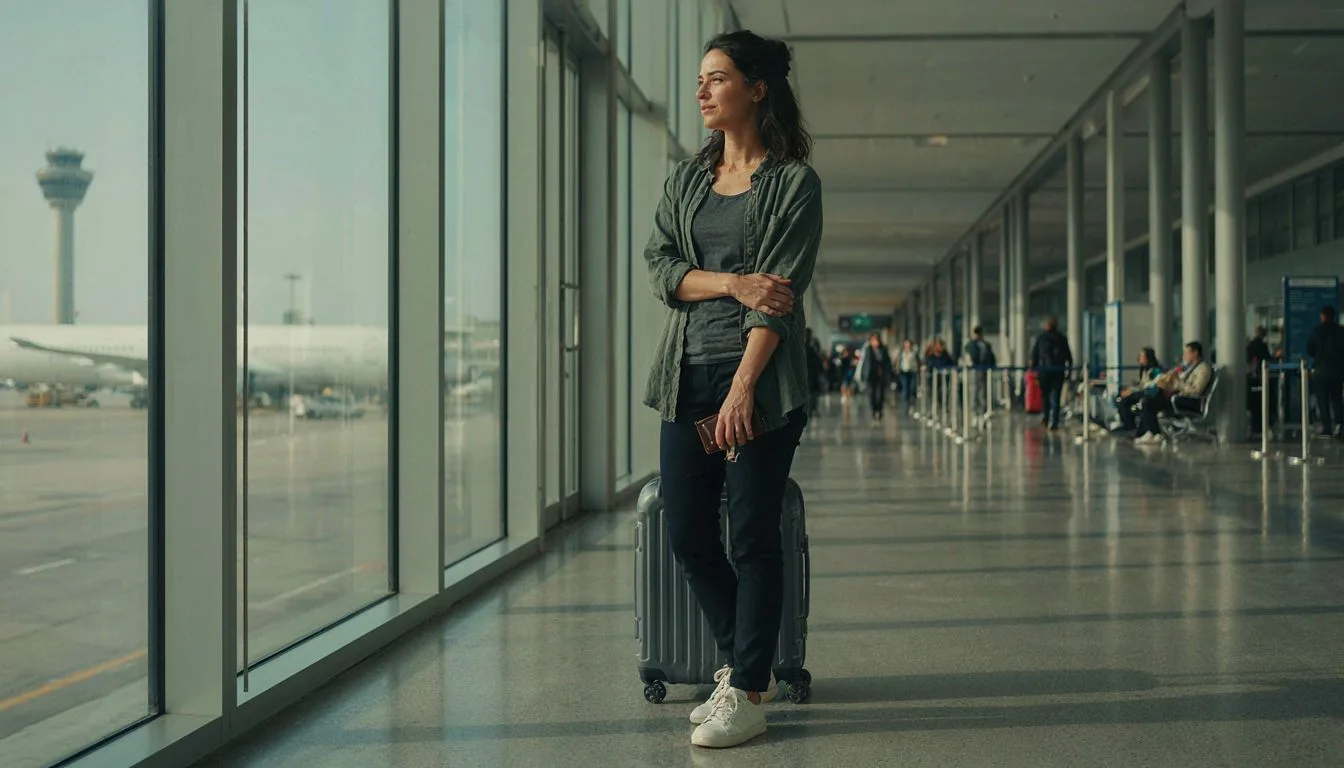
For most patients, flying home is medically possible once the first post-operative check-up confirms that healing is on track — typically somewhere between day 7 and day 10. The real concern in the air is not the incisions themselves but the increased risk of blood clots, such as deep vein thrombosis (DVT), during long flights. This is why your surgeon will want to see you at least once, and often twice, before clearing you for travel.
Cabin pressure and prolonged immobility can add to the swelling and discomfort you already feel in the first days. Because of this, most surgeons in Turkey recommend waiting until the drains are removed, the initial swelling has begun to settle, and you can move your arms comfortably without straining the chest muscles. If your return flight is longer than four hours, many surgeons suggest waiting the full 10 days rather than rushing out at the one-week mark.
Before you book your ticket, ask your clinic these practical questions:
Is my surgeon comfortable with a flight on day 7, or do they prefer day 10? A written confirmation from your clinic is worth having, especially if your airline asks for medical documentation.
A few in-flight precautions make a significant difference: wear your compression bra throughout the journey, stay well hydrated, avoid alcohol, and stand up to walk the aisle every hour when possible. Simple ankle circles and calf movements while seated also keep circulation moving. Some patients with longer routes or connecting flights choose to break the journey with an overnight stop, which reduces the strain of a single long-haul flight considerably.
If your chest feels unusually tight, painful, or swollen during travel, contact your clinic immediately — most Turkish clinics provide 24/7 patient lines for exactly this reason, even after you have left the country.
Extending Your Trip: When Extra Recovery Days Are Wise
While the standard recommendation of 7 to 10 days works well for most patients, some situations genuinely benefit from a few extra days on the ground. Adding recovery days is not about playing it safe out of anxiety—it is a practical decision that can make the difference between a smooth flight home and a stressful one. Knowing when an extension is actually worth it helps you plan your trip realistically from the start, rather than making rushed changes after surgery.
The concept of a buffer recovery period is exactly what it sounds like: extra days built into your itinerary that absorb the small, unexpected delays recovery sometimes brings. Surgeons who treat international patients regularly see cases where swelling lingers, a drain needs an extra check, or energy levels are lower than expected. Having those days already reserved means you never have to choose between your health and a non-refundable flight.
Consider extending your stay if any of the following apply to you:
- You are combining procedures. If your breast augmentation is part of a mommy makeover or paired with liposuction, your body is healing from more than one operation, and most surgeons will advise adding several days.
- You have a demanding job or lifestyle waiting at home. Patients who cannot rest properly once they return often use their time in Turkey as their only true recovery window, making a longer stay a smart investment.
- Your first check-up reveals slower healing. If your surgeon wants to monitor incision closure or fluid drainage for another day or two, an already-flexible schedule removes the pressure to fly anyway.
- You traveled alone. Without a companion to help with luggage, hotels, or logistics, extra days let you regain the strength and mobility needed to manage the journey independently.
- You have a long or connecting flight. Routes involving layovers and extended time in a seated position are easier on a body that has had a few more days to recover.
The cost of extending is usually modest—additional hotel nights and a rebooking fee—compared with the comfort and confidence those days buy. Most clinics can help you arrange accommodation near the facility, so an extension rarely disrupts your overall experience. If your budget and schedule allow, booking your return ticket with a changeable date from the outset is one of the simplest ways to keep this option open without any last-minute stress.
Combining Recovery with a Short Stay in Istanbul
One of the pleasant surprises many medical travelers discover is that Istanbul itself becomes part of the healing process. Rather than treating your recovery days as time to simply endure in a hotel room, you can turn this period into a gentle, memorable introduction to one of the world’s most fascinating cities. The key is choosing low-impact activities that keep you mobile and relaxed without straining your chest muscles or raising your blood pressure.
Think of your recovery days as having a natural rhythm. In the first few days, your energy will be low and your body will ask for rest — this is not the time for sightseeing. But once you pass the 4- or 5-day mark and your surgeon confirms you are healing well, light exploration becomes not only possible but actually beneficial. Short, unhurried walks are already part of your recovery plan, and Istanbul rewards slow walkers like few cities do.
Some patient-friendly options that fit comfortably within post-surgery limitations:
A leisurely stroll through a quiet stretch of Sultanahmet, pausing often to sit in a tea garden. A scenic ferry ride along the Bosphorus, where you simply sit and take in the skyline — no walking required, minimal exertion. A visit to a calm café or a traditional hammam is best postponed entirely; the heat and steam are not recommended during early healing.
What you should consciously avoid is anything involving crowds, stairs, heavy lifting of shopping bags, or long stretches on your feet. Your compression bra and healing tissue need stability, and fatigue can slow your recovery more than most patients expect. A good rule: if an activity would leave you needing a nap afterward, save it for a future trip.
Practical planning helps too. Choose accommodation close to your clinic for the first few days, then consider moving to a hotel near the attractions you want to enjoy once your surgeon has cleared you at your follow-up appointment. Many patients book 10 days total and reserve the final two or three for this lighter, more enjoyable phase. This way, you fly home rested and with genuinely positive memories — not just memories of a hospital and a hotel bed.
What Happens If Complications Delay Your Departure

Complications after breast augmentation are uncommon, but when they occur, your return date becomes a medical decision rather than a travel plan. Issues such as a wound infection, fluid collection (seroma), or unusual swelling may require additional treatment, monitoring, or even a minor intervention — and in these cases, staying in Turkey until your surgical team clears you is by far the safest option.
This is why extending your stay under your surgeon’s guidance matters. Most clinics build contingency into their patient care: if a problem arises in your final days, your surgeon can arrange follow-up appointments, prescribe adjusted medication, or perform a bedside procedure such as draining fluid. Flying home with an unresolved complication means handing your care to a doctor who has never seen your surgical plan, which can complicate both treatment and communication.
It also helps to know what typically causes delays. The most common scenarios are an infection requiring a few extra days of antibiotics, a seroma that needs draining, or a delayed first check-up that reveals slower healing than expected. None of these are usually serious, but all of them benefit from being managed where your surgery took place. Reputable clinics will not release you to fly if doing so could jeopardize your results or health.
Practically, protect yourself before you travel. Book a flexible or refundable return ticket, keep one or two buffer days in your itinerary, and confirm your clinic’s post-operative care policy in writing — including whether extended monitoring incurs additional fees. If you develop fever, spreading redness, increasing pain, or unusual discharge, contact your surgical team immediately rather than waiting until your flight day.
Finally, check whether your travel insurance or the clinic’s own guarantee policy covers complication-related extensions. The best clinics treat this as part of your care package, not an inconvenience. A few unexpected days in Istanbul is a small price for ensuring your results heal exactly as your surgeon intended.
FAQs
Can I fly home just a few days after breast augmentation surgery in Turkey?
Most surgeons advise waiting about 5 to 7 days before flying after breast augmentation, so returning home after just a few days is generally possible but you should get your surgeon's clearance first. Short flights are usually tolerated better than long-haul ones, which carry a higher risk of blood clots. If you must fly early, move your legs regularly, stay hydrated, wear loose clothing, and avoid lifting heavy luggage. Always attend your post-operative check-up before departure to confirm you are healing properly.
When is it safe to return to work or light exercise after my procedure?
Most people can return to desk work and light daily activities within 24 to 48 hours after the procedure, once the effects of anesthesia have fully worn off. Light exercise such as walking is typically safe after a few days, but avoid strenuous activity, heavy lifting, and anything that strains the treated area for at least one to two weeks. Your surgeon will give you a specific timeline at your follow-up visit based on how you are healing, so follow that guidance over general estimates.
What should I do if I experience complications after leaving Turkey?
Contact your clinic or hospital in Turkey immediately and describe your symptoms, as most reputable facilities offer aftercare support and guidance for international patients. Follow any instructions they provide, and if your condition is urgent or worsening, seek care from a local doctor or emergency service right away rather than waiting. Keep all medical records, prescriptions, and photos of your condition, since these documents help both your Turkish provider and local physicians assess the problem. If you traveled with a medical tourism agency or used travel insurance covering complications, notify them as well to clarify coverage for revision treatment or follow-up care.