Deciding to have gastric bypass surgery is a major health decision, and the consultation makes that decision real. For many patients, this conversation takes place in Turkey, where thousands of bariatric procedures are performed each year at significantly lower costs than in the US or UK. But a lower price should never mean less information. The gastric bypass consultation in Turkey lets you evaluate the surgeon, the hospital, and the plan for your situation rather than just hear a sales pitch. Your questions directly shape the care you receive, especially when arranging surgery from another country. Knowing what to ask before booking a flight puts you in control from the first message.
Why Consider a Gastric Bypass Consultation in Turkey
Turkey has become one of the most sought-after destinations for weight loss surgery, and a well-organized gastric bypass consultation is the first step toward understanding why. The country combines internationally trained bariatric surgeons, modern hospitals, and significantly lower prices than Western Europe or the United States, often including accommodation and transfers in bundled treatment packages.
However, affordability alone should never drive such an important decision. The real value of a gastric bypass consultation lies in what it reveals about your individual case: your body mass index, obesity-related conditions such as type 2 diabetes or hypertension, and whether bypass is truly the right procedure for you compared to alternatives like a sleeve gastrectomy. A thorough pre-operative evaluation allows surgeons to tailor the operation to your medical history rather than applying a one-size-fits-all approach.
For international patients, the consultation also serves a practical purpose. It is your opportunity to assess how the clinic communicates across language barriers, how transparently it explains risks and expected outcomes, and how seriously it takes long-term follow-up. During this stage, you should expect detailed questions about your previous dieting attempts, medications, and lifestyle habits.
When the consultation is handled properly, it builds the foundation for a safe surgery and a realistic recovery plan—provided you know exactly what to ask, which is what the rest of this guide covers.
Verifying Surgeon Qualifications and Clinic Accreditation

Once you’ve decided that Turkey offers real value for your weight loss journey, the next priority is making sure the hands holding the scalpel are truly qualified. Any serious gastric bypass consultation Turkey should begin with credentials you can verify independently — not just a polished website.
Start with your surgeon’s board certification. In Turkey, bariatric surgeons should be registered with the Turkish Medical Association and hold specialization in general surgery, ideally with a documented track record in metabolic and bariatric procedures. Reputable surgeons will readily share their board certification and case volume — a key indicator, since outcomes improve significantly when a surgeon performs bariatric operations regularly rather than occasionally.
Clinic-level checks matter just as much. Look for international accreditation such as JCI (Joint Commission International), which signals that the hospital meets globally recognized safety and hygiene standards. Also confirm that the facility has a dedicated intensive care unit and emergency protocols — essential safeguards for any major surgery.
Don’t hesitate to ask direct questions: How many gastric bypass procedures has the surgeon performed? What is the revision rate? Can you speak with former international patients? A trustworthy team answers openly and provides documentation without hesitation.
Finally, be cautious of medical tourism agencies that market doctors as their own. Always verify that the named surgeon will personally perform your operation — a detail that protects both your safety and your legal rights.
Medical Tests and Health Evaluations Before Surgery
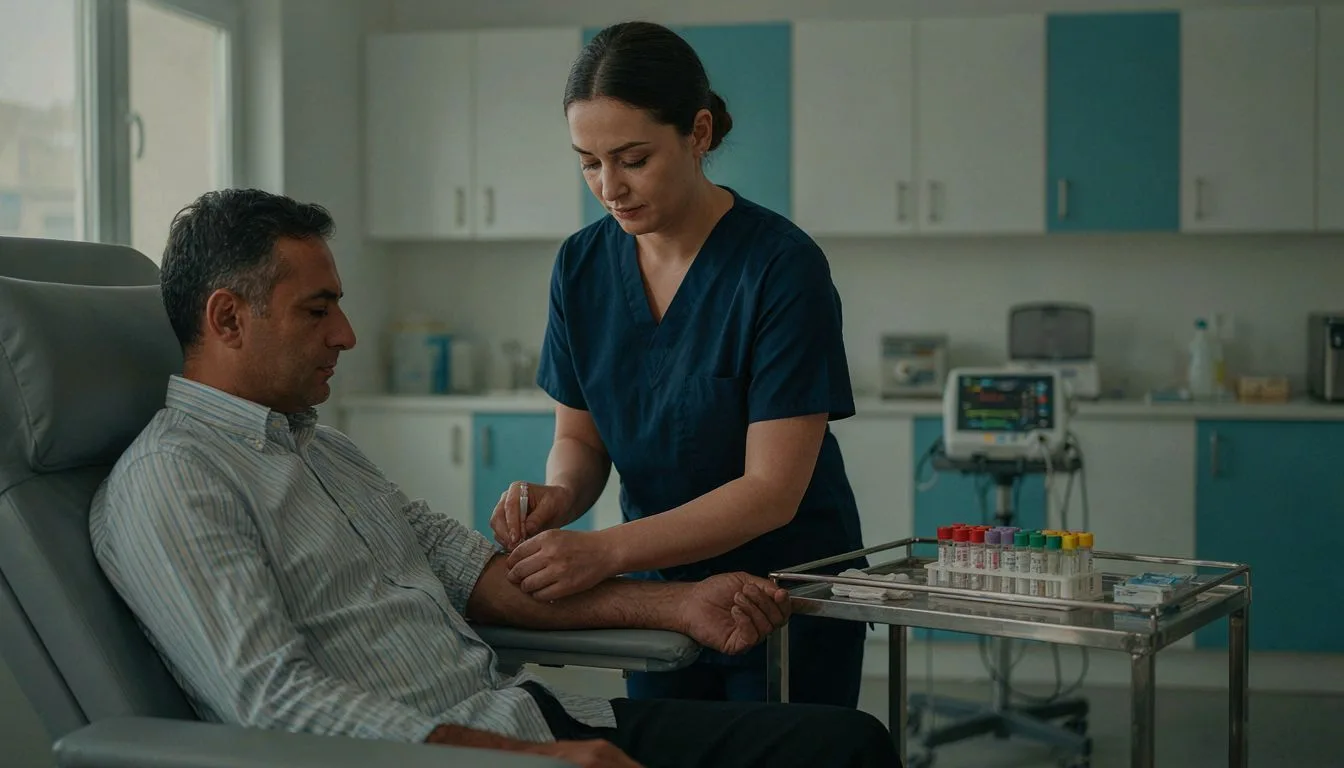
A reputable Turkish clinic will never schedule bariatric surgery based on photographs and a questionnaire alone. A proper pre-operative evaluation is what separates a serious surgical program from one that treats patients as numbers, and it typically begins before you even board your flight. Many hospitals in Istanbul, Izmir, and Ankara now offer remote blood work kits or coordinate lab tests in your home country, then review the results with their anesthesiology team before confirming your surgery date.
While the exact panel varies by clinic and your medical history, international patients should expect the following as standard practice:
- Comprehensive blood panels — complete blood count, coagulation profile, liver and kidney function, thyroid hormones, and HbA1c to screen for uncontrolled diabetes.
- Cardiac clearance — an ECG is routine, and patients over 45 or with hypertension may also need an echocardiogram or cardiology sign-off.
- Respiratory assessment — a chest X-ray is standard, and suspected sleep apnea may trigger a sleep study or CPAP review.
- H. pylori testing — this stomach bacteria must be treated before gastric bypass, as leaving it active increases the risk of postoperative complications.
- Upper endoscopy or barium swallow — many Turkish surgeons require one to rule out hiatal hernia, ulcers, or other abnormalities inside the stomach.
- Pregnancy and infection screening — a pregnancy test for women of childbearing age, plus hepatitis and HIV panels, are non-negotiable for surgical safety.
Ask your consultant exactly how results are reviewed and by whom — ideally a multidisciplinary team including the surgeon, anesthesiologist, and dietitian. If a clinic offers to operate within 24 hours of your arrival without a full workup, treat that as a warning sign rather than convenience. Patients with conditions like severe asthma, uncontrolled hypertension, or a BMI above 60 should also confirm in advance whether the hospital’s ICU capacity and specialist support meet their needs.
Key Questions to Ask About Costs and Package Inclusions
Price is one of the biggest reasons patients choose Turkey, but it’s also where unclear communication causes the most frustration. During your gastric bypass consultation in Turkey, ask for a written, itemized quote rather than a single lump-sum figure. A trustworthy clinic will happily break down exactly what you’re paying for.
The most important term to clarify is the all-inclusive package. These packages typically cover surgeon and hospital fees, anesthesia, pre-operative tests, a set number of nights in the hospital, hotel accommodation, and airport transfers — but the details vary widely between providers.
Ask specifically: How many nights are included in the hospital, and what happens if I need to stay longer? Are complications or readmissions covered, or would those be billed separately? Does the quote include the surgeon’s fee, anesthesiologist, and post-operative medications? Are nutritionist follow-ups and compression garments part of the plan? Which items are excluded entirely?
Also ask what’s not covered: flights, visa fees, companion accommodation, and any tests you may need to repeat after arriving. Requesting this in writing protects both sides and makes comparison between clinics meaningful.
Finally, be wary of quotes that seem dramatically lower than the market average. Exceptionally cheap offers often signal shortcuts in surgical time, implant quality, or aftercare — the very things you can’t afford to compromise on.
Recovery Planning and Aftercare Support for International Patients
Recovery after gastric bypass follows a predictable timeline, but traveling home adds a layer of planning most patients underestimate. Most surgeons recommend staying in Turkey for 7 to 10 days after surgery, which covers the initial healing phase, suture checks, and the first follow-up appointment before you fly. Ask during your consultation exactly how long the clinic expects you to remain, and whether your surgeon will personally conduct these post-operative examinations.
Your flight itself deserves attention. Long-haul travel within the first two weeks raises the risk of blood clots, so a good clinic will advise on compression stockings, short walking intervals during the flight, and sometimes preventive blood-thinning injections for the journey home.
Clarify what happens once you leave Turkey. Reputable clinics provide written discharge documents, imaging results, and a detailed dietary plan your doctor at home can follow. Some also offer remote follow-up through video calls or messaging apps for several months after surgery. Find out who to contact if complications arise abroad, whether any emergency fund or insurance covers a return trip, and how they coordinate care with your local physician.
Choosing a clinic that treats aftercare as a partnership rather than a formality is one of the strongest signals you can find during your gastric bypass consultation in Turkey.
FAQs
How much does a gastric bypass consultation in Turkey typically cost?
A gastric bypass consultation in Turkey typically costs between $50 and $150, and many clinics offer it for free when bundled with a treatment package. Prices vary depending on the clinic, the surgeon's experience, and whether the consultation includes additional tests such as blood work or an endoscopy. Compared to the UK or US, even paid consultations in Turkey are significantly more affordable, making them an accessible first step for international patients.
Are virtual consultations available before traveling to Turkey?
Yes, most Turkish clinics and hospitals offer virtual consultations through video calls, WhatsApp, or online forms before you travel. These initial consultations allow you to share photos, medical history, and your goals so the doctor can assess your suitability and provide a treatment plan and cost estimate. This process helps you compare providers and make an informed decision before committing to travel.
What medical tests and documents should I bring to my consultation?
Bring your recent lab results, imaging scans (X-rays, MRIs, CT scans), and any biopsy or pathology reports related to your condition. Also include a current list of your medications with dosages, your vaccination records, and any documentation of allergies or past surgeries. If you have seen other doctors for the same issue, bring their referral letters or discharge summaries. Carrying a valid ID, your insurance information, and a family medical history summary can also speed up the consultation.