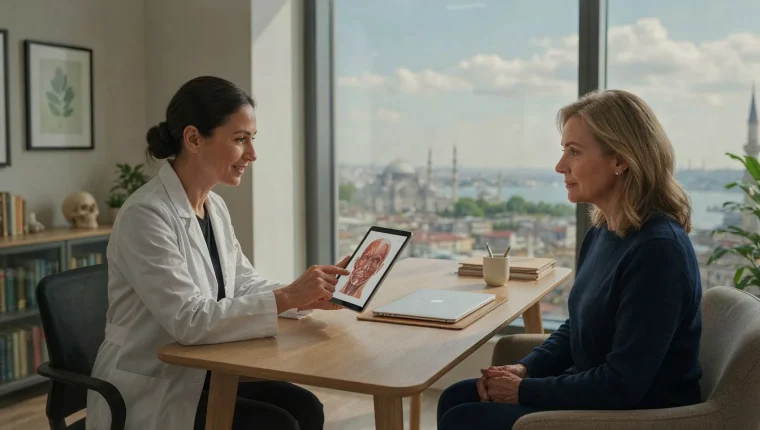
More Canadians are flying to Istanbul for facelift surgery because the same board-certified surgeons and JCI-accredited hospitals you’d expect at home often cost 50–70% less in Turkey. Choosing a clinic from thousands of kilometers away raises real questions: Who performs the surgery? What does recovery look like abroad? Is it safe? This guide covers what Canadian patients need to know before booking a facelift in Istanbul, from choosing a qualified surgeon and understanding costs to planning travel and aftercare. Whether you’re starting your research or comparing clinics, here’s what to know before you commit.
Why Istanbul Is a Top Choice for Facelift Surgery Among Canadian Patients
Every year, thousands of Canadians book their flights to Turkey for facial rejuvenation surgery, and the reasons go far beyond simple curiosity. Istanbul has quietly built one of the most developed medical tourism ecosystems in the world, and facial plastic surgery sits at the heart of it. For a facelift that might cost a small fortune at home, patients find internationally trained surgeons, modern private hospitals, and all-inclusive treatment packages that typically cost 50 to 70 percent less than comparable procedures in Toronto or Vancouver.
Price alone doesn’t explain the trend, though. Istanbul’s JCI-accredited private hospitals perform high volumes of cosmetic procedures daily, which means surgeons there refine their techniques far more frequently than many of their Canadian counterparts. Add direct flights from major Canadian cities — often under ten hours — and the logistics become surprisingly manageable for something that once sounded like an extreme idea.
The support structure is another major draw. Most established clinics in Istanbul employ English-speaking patient coordinators who handle everything before you even board the plane: reviewing your photos, recommending the right technique, arranging airport transfers, and booking a hotel near the clinic. When you land, someone is waiting for you. This concierge-style care is something Canadian patients rarely experience within their own public healthcare system, where cosmetic consultations often mean long waits and out-of-pocket fees regardless.
There’s also a practical benefit tied to scheduling. Canadians facing months-long waitlists for consultations at home can often secure a surgery date in Istanbul within a few weeks, combining the procedure with a genuine travel experience in a city that bridges Europe and Asia. Recovery in a relaxed hotel room, with follow-up visits scheduled around your flight home, makes the two-week recovery window feel less like an ordeal and more like a structured retreat.
Of course, choosing Istanbul means doing your homework carefully — verifying surgeon credentials, checking before-and-after galleries, and understanding exactly what your package includes. The city rewards informed patients with world-class results, and the sections that follow will show you precisely how to vet clinics, compare real costs, and plan every step of the journey with confidence.
What a Facelift Procedure Involves: Techniques and Options

A facelift is not a single operation with one fixed method — it is a family of surgical approaches that surgeons tailor to your anatomy, skin quality, and aging pattern. Understanding the main techniques before you consult clinics will help you ask better questions and compare recommendations across Istanbul surgeons with far more confidence.
The most important concept to grasp here is the SMAS lift, which stands for the superficial musculoaponeurotic system. Instead of only tightening skin the way older facelifts did, a modern SMAS-based procedure lifts and repositions the deeper muscle and connective tissue layer beneath the skin. This structural approach is what produces results that look natural and last anywhere from eight to ten years.
Within that SMAS philosophy, Turkish surgeons typically offer several variations, each designed for a different degree of aging:
- Deep plane facelift: The most advanced option, releasing deeper ligaments so the midface, jowls, and neck move as one unified block. It delivers the most dramatic rejuvenation but demands a surgeon with specific expertise.
- Mini facelift: A shorter-incision technique focused on the jawline and early jowling, often chosen by patients in their forties who want a quicker procedure and faster recovery.
- Full facelift with neck lift: The comprehensive choice when loose neck bands, heavy jowls, and sagging cheeks all appear together, addressing the entire lower face and neck in one operation.
- Thread lift: A non-surgical alternative using temporary sutures to lift tissue. It offers modest results lasting one to two years and is generally suited to younger patients or those avoiding surgery.
Most reputable Istanbul clinics will also recommend combining your facelift with complementary procedures such as fat grafting to restore lost facial volume, or blepharoplasty if the eyes show significant aging. These add-ons are discussed during your consultation, often with computer imaging that lets you preview the projected outcome before committing.
Your surgeon’s technique recommendation should depend on your anatomy, not on a clinic’s marketing package. When you receive proposals from several clinics, ask each one to explain specifically which plane they operate in and why that choice suits your face — their answers will quickly reveal their true level of expertise.
How to Choose a Qualified Surgeon and Clinic in Istanbul
Choosing the right surgeon matters more than choosing the right city. In Istanbul, the quality gap between excellent clinics and mediocre ones is significant, so your vetting process needs to be rigorous. The single most important credential to look for is board certification by the Turkish Society of Plastic, Reconstructive and Aesthetic Surgery (TPRECD), which confirms the surgeon completed formal plastic surgery residency — not a short course in cosmetic procedures.
Start by verifying the surgeon’s own credentials, not the clinic’s marketing. Reputable surgeons in Turkey are registered with the Turkish Medical Association, and many display their hospital affiliations and before-and-after galleries on professional websites. Look for consistency in results: photos taken from the same angles, with realistic outcomes rather than dramatic, over-tightened looks. Be cautious of galleries where every patient appears to have the same face.
The consultation itself is a powerful screening tool. A qualified surgeon will ask about your medical history, examine your skin quality and bone structure, discuss which technique suits you — whether a SMAS lift or a deep plane approach — and explain the risks honestly. If a coordinator offers you a fixed price over email without ever seeing your face, treat that as a warning sign.
For Canadians travelling abroad, it also helps to work with clinics that routinely serve international patients and can provide documentation in English, including surgical reports and aftercare instructions. Ask directly: Who performs the surgery? Who administers the anesthesia? Which accredited hospital is used if complications arise? Clear, confident answers are a good sign; vague ones are not.
Finally, check independent reviews on platforms like RealSelf and Google rather than relying solely on testimonials published by the clinic itself. Patient reviews that mention follow-up care and how the clinic handled concerns tell you far more than a glossy website ever will. Taking a few extra weeks to research thoroughly is the best investment you can make in your result.
Understanding Costs: Facelift Prices in Istanbul vs. Canada
Cost is the single biggest reason Canadian patients look toward Istanbul, and the savings are real—often dramatic. In Canada, a full facelift typically runs between CAD $15,000 and $30,000 once surgeon fees, anesthesia, facility charges, and taxes are combined. In Istanbul, the same operation, frequently including a neck lift and a hospital stay, usually lands between USD $4,000 and $8,000. Even after adding flights and accommodation, most patients report total savings of 40% to 60% compared to staying home.
The reason for this gap is not lower quality but lower operating costs. Surgeons in Turkey perform far more facial procedures annually, which drives economies of scale, and clinic overheads—staff wages, rent, malpractice insurance—are simply lower. Many Istanbul surgeons also hold international fellowships and are members of bodies like ISAPS, so the technique behind an SMAS lift or deep plane facelift is the same standard you’d expect in Toronto or Vancouver.
When comparing quotes, make sure you’re looking at what’s genuinely included. A transparent package should cover:
the all-inclusive surgical package—surgeon’s fee, anesthesia, hospital costs, medications, compression garments, and post-operative follow-up—rather than a low headline price that balloons once extras are added.
Be cautious of quotes that seem too good to be true. A price far below the market range often signals shared operating rooms, inexperienced staff, or hidden fees that appear later. Ask the clinic for an itemized breakdown in writing, and confirm whether revision surgery is covered and under what conditions.
One more factor Canadians should budget for: currency exchange. Prices in Istanbul are usually quoted in euros or US dollars, so fluctuations in the Canadian dollar can shift your final cost by several hundred dollars. Build a small buffer into your budget—most returning patients recommend setting aside an extra 10% for unexpected expenses, extended stays, or additional treatments such as fat grafting, which many patients combine with their facelift for a more natural result.
Planning Your Medical Trip: Travel, Visas, and Accommodation Tips
Once your surgeon and clinic are confirmed, the practical side of the journey becomes the priority. Canadians enjoy relatively easy access to Turkey, but a smooth medical trip still depends on sorting out logistics well before your surgery date. Most Istanbul clinics catering to international patients assign a patient coordinator who helps arrange these details, yet knowing the essentials yourself protects you from surprises.
The single most important administrative step is understanding Turkey’s visa requirements. Canadians travelling to Turkey for medical care can apply for an e-Visa online, a straightforward process that usually takes minutes and grants stays of up to 90 days. Apply through the official Turkish government e-Visa portal only, and complete it at least a week before departure to avoid last-minute complications.
Beyond the visa, a few practical preparations will make your week in Istanbul far more comfortable:
- Flight timing: Book a return flight at least 10 to 14 days after surgery. Direct routes from Toronto or Montreal to Istanbul run daily, and many clinics will advise on the ideal arrival date relative to your procedure.
- Accommodation near the clinic: Choose a hotel within walking distance or a short drive of your surgeon’s facility. Most all-inclusive packages include several hotel nights, so confirm exactly how many and where before booking anything yourself.
- Travel companion: Arrange for a friend or family member to join you, especially for the first 48 hours after anaesthesia. If travelling alone is unavoidable, ask whether the clinic offers post-operative nursing care.
- Payment planning: Confirm accepted payment methods in advance. Many Istanbul clinics prefer cash, bank transfer, or credit card, and some add surcharges for card payments.
Season also matters. Spring and autumn offer the mildest weather, which makes moving around the city with stitches and swelling considerably easier. Avoid scheduling surgery immediately before a Turkish public holiday, as some services at clinics and pharmacies operate on reduced hours.
Keep digital and printed copies of everything: your surgical contract, pre-operative test results, prescriptions, and clinic contact numbers. Store them in cloud storage as well as on paper, so your records travel with you even if your luggage doesn’t. Canadian patients who organize their documents before flying consistently report far less stress during follow-up appointments back home.
Recovery Timeline and Aftercare Advice for Canadian Patients
Recovery from a facelift follows a predictable pattern, but how smoothly it goes often depends on the first two weeks. Most clinics in Istanbul provide a detailed aftercare protocol, and following it closely is the single best thing you can do for your final result.
In the first 48 to 72 hours, expect swelling, tightness, and mild bruising around the cheeks and jawline. You will typically be discharged with drainage tubes and a compression garment, which you should wear exactly as instructed. Keeping your head elevated, even while sleeping, significantly reduces swelling during this stage.
By days 7 to 10, most sutures are removed and bruising begins to fade. Many Canadian patients feel presentable enough for a video call at this point, though flying home too early is not recommended. Reputable clinics usually ask you to stay in Istanbul for 10 to 14 days after surgery so your surgeon can monitor healing before you board a long-haul flight back to Canada — a detail worth factoring into your travel plans from the start.
Weeks 2 to 4 bring a return to light daily activities and work from home. Numbness along the incision lines is normal and can persist for several months. Strenuous exercise, heavy lifting, and anything that raises your blood pressure should wait until your surgeon clears you, typically around week four to six.
Once you land in Canada, aftercare does not end. Plan for these essentials:
Follow-up communication with your Istanbul clinic — most offer video consultations and written protocols for your local family doctor, so arrange that relationship before you travel.
Sun protection is non-negotiable. Incisions exposed to UV light can darken permanently, so use SPF 50 and wide-brimmed hats for at least six months. Avoid smoking entirely; nicotine dramatically compromises blood flow to healing tissue.
Final results take time — subtle swelling can last up to six months, and scars continue to soften and fade for a year. Most patients find the patience worthwhile: the refreshed, natural outcome is precisely why they made the journey in the first place.
FAQs
Is it safe for Canadians to travel to Istanbul for a facelift?
Yes, Istanbul is generally safe for Canadians seeking a facelift, as the city hosts many internationally accredited hospitals and surgeons who treat large numbers of international patients each year. Canada's official travel advisories do not discourage travel to Istanbul for medical care, though standard precautions against petty crime and scams apply as in any major city. The key safety factor is choosing a JCI-accredited clinic or a board-certified plastic surgeon with verified reviews and before-and-after results. Canadians should also plan adequate recovery time before flying home and arrange follow-up care options in Canada.
How much can I expect to save by choosing facelift Istanbul Canadian patients clinics over local options?
Patients typically save 40% to 60% on a facelift in Istanbul compared to prices in Canada, where the procedure often costs CAD 15,000 to 25,000, while Istanbul clinics commonly charge CAD 4,000 to 8,000 for comparable surgery. Even after adding flights and accommodation, most patients still save several thousand dollars overall. The exact amount depends on the surgeon's experience, the clinic's package inclusions, and the specific technique used.
How long should I stay in Istanbul after my facelift before flying back to Canada?
Most surgeons recommend staying in Istanbul for 10 to 14 days after a facelift before flying back to Canada. This allows time for your initial follow-up appointments, suture removal, and reduction of the swelling and bruising that peak in the first week. Flying too early carries risks such as increased swelling due to cabin pressure and, more seriously, blood clots during long-haul flights. Your clinic will confirm the exact timeline at your final check-up and clear you for travel once healing is on track.