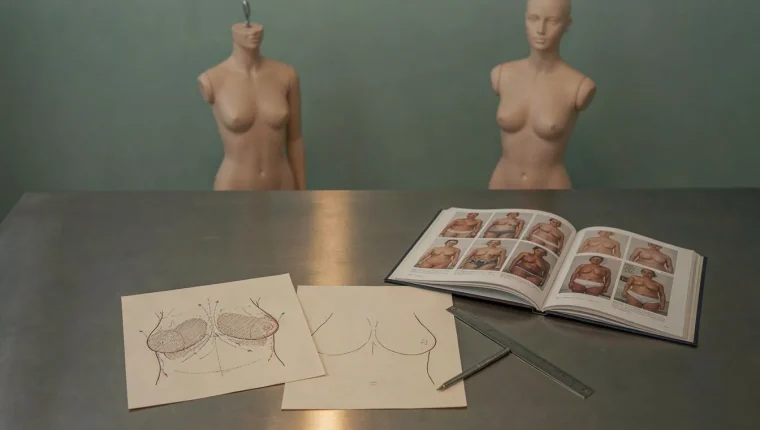
Getting breast reduction Turkey quotes can feel confusing at first because prices swing wildly from one clinic to the next. The real challenge is figuring out what you are actually paying for and whether a lower number signals a smart deal or a red flag. A single figure may include surgeon fees, anesthesia, hospital stay, implants or compression garments, and aftercare visits, and not every quote includes the same line items. Some packages look cheap until you add the extras; others look expensive until you see everything is bundled. Before you commit, compare equivalent details, not just the bottom line. Reviewing a quote carefully protects your health, your results, and your wallet.
What's Typically Included in Turkey Breast Reduction Quotes
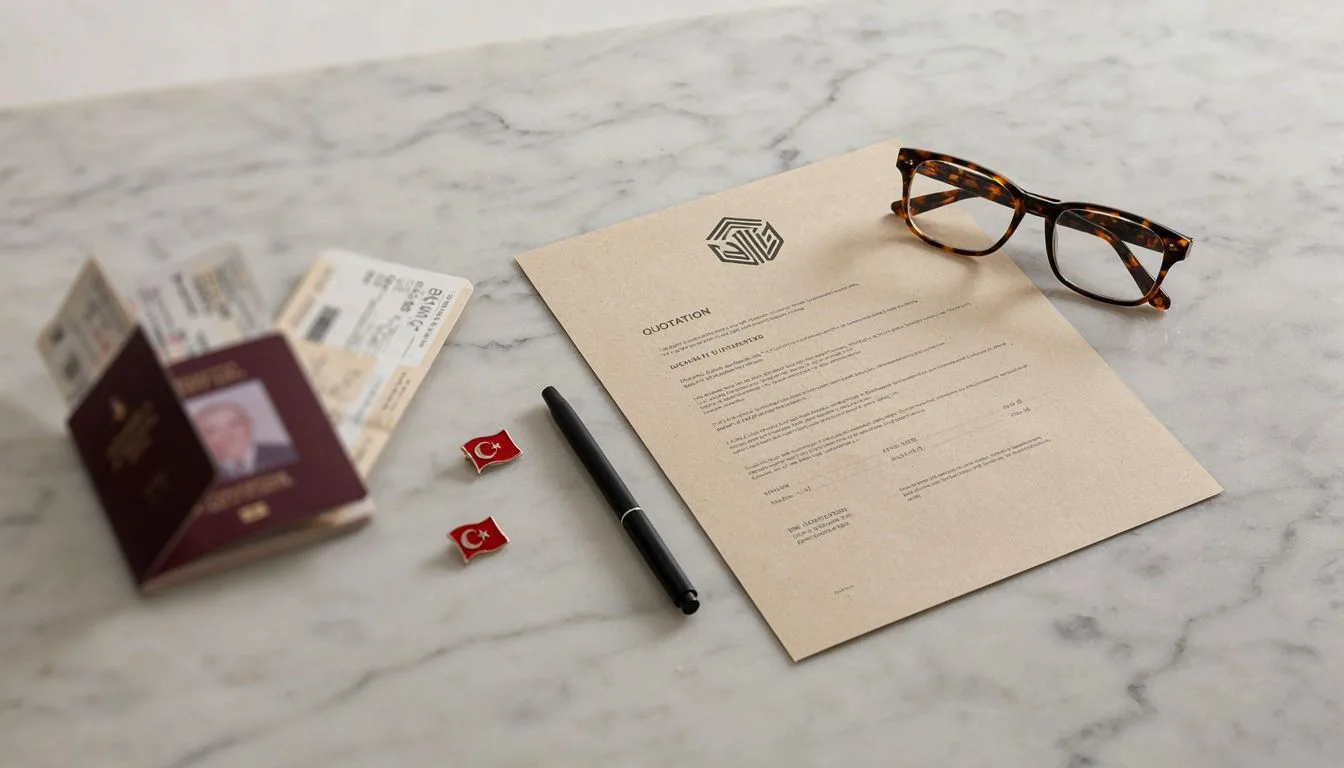
Most Turkish clinics structure their pricing around a core package, so the first thing to look for is the surgical fee itself, which usually covers the surgeon’s work, the anesthesia, and the operating room time. Quotes generally bundle pre-operative testing such as bloodwork and an ECG, since these are required before anesthesia can be safely administered.
Accommodation is another standard line item. Many packages include a set number of nights in a partnered hotel or a recovery apartment, often with airport transfers and a nurse-led check-in the day after surgery. Compression garments, prescribed medications, and at least one or two follow-up visits before your return flight are also typically written into the quote.
Beyond these basics, some clinics add extras that quietly raise the final figure. Look for mentions of lymphatic drainage massages, extended hotel stays for your companion, upgraded implant-grade recovery kits, or additional nights in a private clinic room rather than outpatient discharge. When a quote feels unusually low, it often means one of these elements has been trimmed rather than gifted.
Hidden Costs That Change the Final Price
A quote that looks complete on the surface can still climb by hundreds of euros once the trip is underway, and most of those extra charges hide in places patients rarely ask about. The key is to remember that a price list describes a service, not the whole experience, so anything that happens outside the operating room deserves the same scrutiny as the surgery fee itself.
The line items that tend to surprise people when they actually start comparing real totals are usually the same few categories, presented very differently by each clinic:
- Pre-operative medical assessments, including bloodwork, ECG, or imaging, that are quoted separately even when the surgeon requires them to operate.
- Compression garments and post-surgical bras, which some clinics hand over free while others charge per piece or ask patients to bring their own.
- Hotel nights beyond the package window, especially when recovery takes longer than expected and an extra two or three days in Turkey become unavoidable.
- Airport transfers and in-city transport, often advertised as included but limited to a single ride in each direction.
- Medications, drains, and wound-care supplies used after discharge, frequently itemised on the final invoice rather than folded into surgery costs.
- Revision or complication policies, where the fine print can shift responsibility for operating-room fees back to the patient.
Asking each clinic to spell out exactly which of these items are covered, and which trigger an add-on, turns an appealing headline price into a number you can actually plan a budget around. Reviewing every line in writing before booking, and requesting a sample final invoice from past patients when possible, gives a far more honest picture than the glossy number on the clinic’s website. Once those hidden categories are brought into the open, the real cost of surgery in Turkey becomes something that can be weighed against quality, safety, and aftercare, rather than a figure that quietly grows long after the plane has landed.
How Surgeon Credentials Affect Pricing Differences
Two quotes from Turkish clinics can look nearly identical on paper yet differ by several thousand euros, and most of that spread comes down to who is actually holding the scalpel. A surgeon with a focused breast surgery practice, active surgical volume, and international society membership usually bills at a premium compared with a generalist who performs these operations occasionally.
Board certification from the Turkish Plastic, Reconstructive and Aesthetic Surgery Association (TPRECD) is the baseline to look for, since it confirms the surgeon completed an accredited residency and passed national exams. Beyond that, surgeons who hold additional roles such as EBOPRAS fellowship, academic positions, or invited faculty status at conferences typically price higher because their training ladder adds years of subspecialty exposure. Memberships in organizations like ISAPS or ASPS also signal ongoing engagement with international standards, which influences how a clinic positions its pricing.
Experience level matters as much as paper credentials. Surgeons with fifteen-plus years in practice and a large before-and-after portfolio often charge more, partly because their results tend to reduce the need for revision surgery, saving patients money over time. Many clinics publish surgeon CVs on request, and comparing those details side by side is one of the most reliable ways to understand surgeon credentials behind differing quote amounts.
Reading Patient Testimonials to Verify Quote Accuracy
Patient testimonials work like a backstage pass into what really happens between the first consultation and the final bill. A review that mentions the exact figure a clinic quoted, then describes what was actually delivered, gives you a far clearer picture than any polished PDF. Look for posts that name the surgeon, the hospital, and the length of stay, because those details make it easier to match the experience to the line items on your own estimate.
Pay close attention to language around post-operative care, since this is the area where quotes most often drift from reality. When several patients independently say that compression garments, drain removal, or follow-up appointments were either included or charged separately, you have a reliable signal. Generic praise such as “everything went smoothly” or “the team was wonderful” tells you very little about pricing accuracy.
Cross-check reviews across multiple platforms rather than relying on the clinic’s own gallery, which is usually curated. Independent forums, video diaries, and before-and-after communities often contain the small frustrations that reveal hidden costs, unexpected medications, or extra nights of accommodation. Reading these accounts side by side with your shortlist of quotes turns patient stories into a practical verification tool, helping you separate transparent pricing from marketing.
Comparing Clinic Facilities and Post-Operative Care
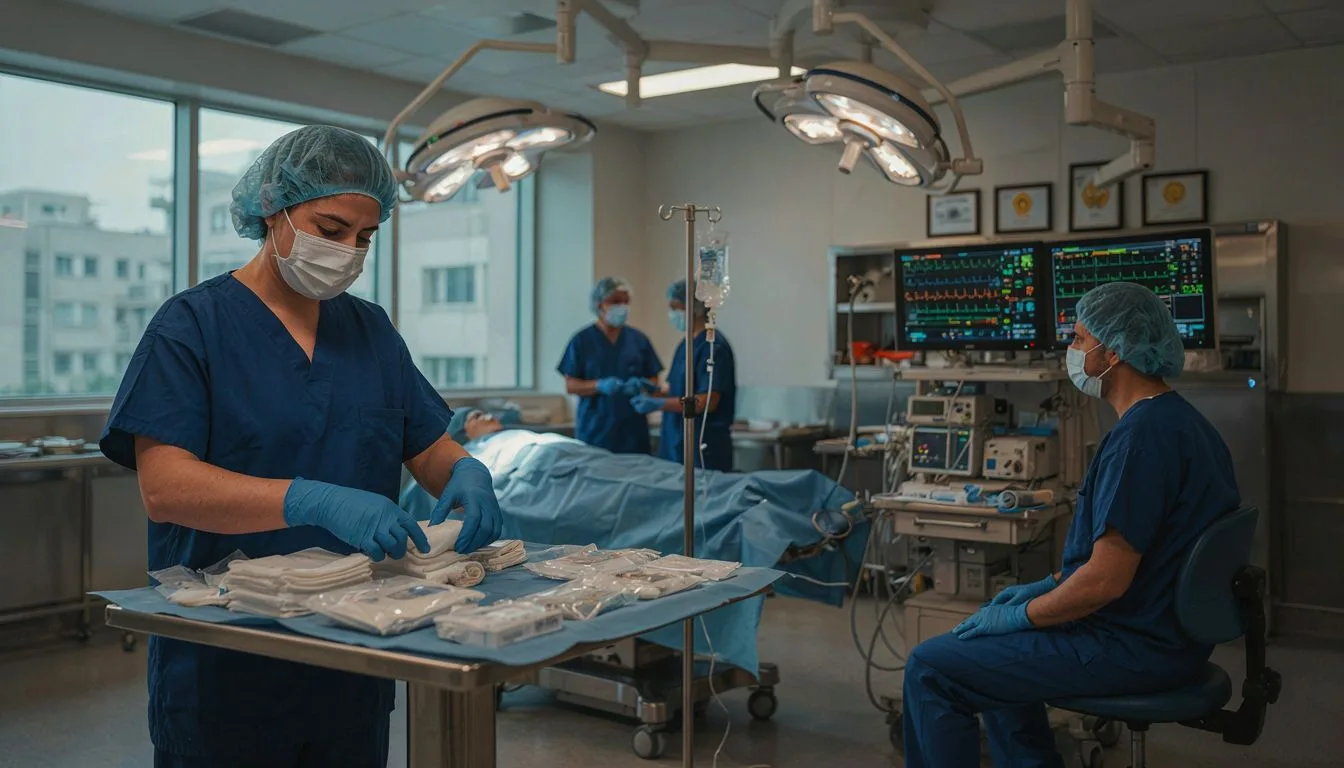
When two quotes appear similar on paper, the differences usually live inside the clinic itself. Look closely at the operating environment and the recovery pathway, because those details determine whether the price you were quoted covers the actual experience or just the surgery hours.
- Accreditation status of the facility, since JCI- or ISO-certified hospitals follow standardized safety, sterilization, and emergency protocols that smaller day-clinics may not maintain.
- Whether procedures are performed in a full-service hospital versus a private surgical center, which affects access to overnight beds, ICU support, and on-site imaging.
- Type of anesthesia provider and monitoring equipment, since board-certified anesthetists with continuous monitoring equipment represent a different cost tier than nurse-administered sedation.
- Inclusion of compression garments, drains, and wound-care supplies in the original quote rather than as pharmacy add-ons.
- Scheduled follow-up visits, suture removal, and lymphatic drainage sessions, which signal whether recovery support is structured or improvised.
- Round-the-clock contact line and designated patient coordinator, since responsive post-operative communication often separates organized clinics from the rest.
Post-operative care is where many quotes quietly cut corners. Ask which nurse or surgeon reviews your recovery photos remotely, how complications are handled, and whether revision policies are written into the agreement. A slightly higher number tied to structured aftercare usually represents better real-world value than a lower number that leaves you managing swelling and dressings on your own.
Questions to Ask Before Committing to a Quote
Walking into a consultation armed with the right questions transforms a glossy brochure price into real clarity. Ask whether the quote is valid for a specific date range, since exchange-rate shifts can quietly inflate your final bill. Confirm the surgical technique recommended for your anatomy and how it changes the cost compared with alternative approaches. Clarify how many follow-up visits are bundled in, what happens if a revision becomes necessary, and whether the clinic covers complications during your stay in Turkey. Request the exact brand and size of implants if any are involved, and ask who administers anesthesia and what their credentials are. Finally, pin down who answers the phone at 2 a.m. if something feels off after you return home. These conversations rarely increase the price, but they consistently separate a confident booking from a costly surprise.
FAQs
What should be included in a detailed quote when comparing breast reduction options in Turkey?
A detailed quote should itemize the surgeon's fee, anesthesia, hospital or clinic charges, implant or tissue-removal costs, pre-op tests, post-op garments, medications, and follow-up visits, while also specifying what's not covered such as revisions or complications. It should also outline the length of hospital stay, the number of nights included, transfer services, and whether accommodation for recovery is part of the package. Transparent timelines, payment schedules, and any conditions that could change the price help you compare offers on equal footing.
How can I tell if a low quote covers the same services as a higher one when evaluating breast reduction surgery in Turkey?
Great question — and honestly, the only reliable way to compare quotes properly is to ask each clinic for an itemized breakdown, not just a bottom-line number. This should clearly list what is included, such as pre-op tests, the surgical technique and anesthesia type, operating room and hospital stay, all medications, compression garments, post-op checks, and how many follow-up appointments are covered. You should also clarify whether revision policy, complication coverage, and airport transfers or accommodation are part of the deal or charged separately. If a lower quote skips details, responds vaguely, or refuses to put inclusions in writing, that is usually a red flag rather than a genuine saving. Once you line these items up side by side, the difference between quotes almost always comes down to what is actually included, not to a big variation in surgical quality.
Are quotes from clinics in different Turkish cities typically affected by travel and accommodation costs, and how do I factor that into comparing them?
Evet, şehirler arası fiyat farklılıkları genellikle yolculuk, konaklama ve olası araç kiralama maliyetlerini içerir. Karşılaştırma yaparken sadece prosedür fiyatını değil, uçuş veya transfer, otel konaklaması, yerel ulaşım ve takip randevuları için kalınması gereken süreyi de toplam maliyete eklemek önemlidir. Bir kliniğin paket fiyatı ilk bakışta yüksek görünse bile, başka bir şehre seyahat etmenize gerek kalmıyorsa aslında daha ekonomik olabilir. Fiyat teklifi alırken "tüm süreç için kapıdan kapıya" toplam maliyeti sorarsanız daha sağlıklı bir kıyaslama yapmış olursunuz.