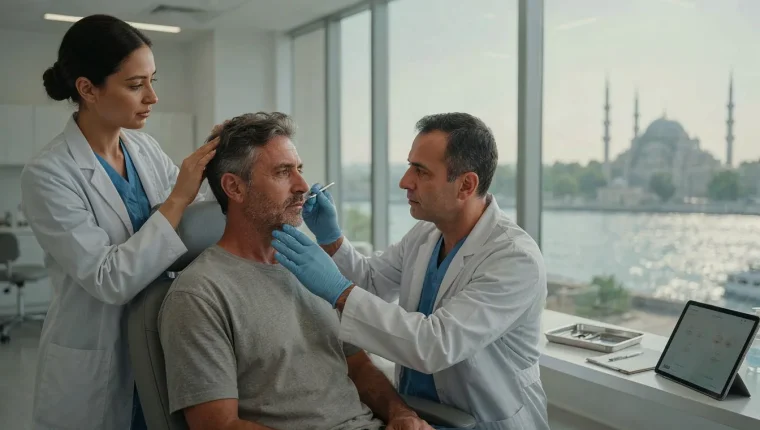
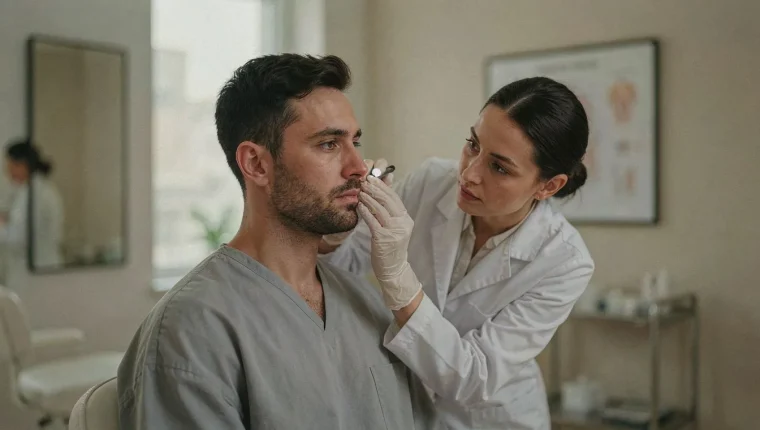
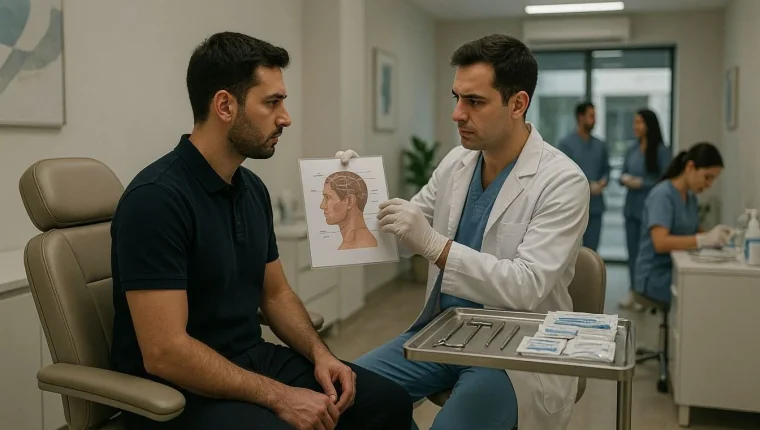
For Canadians considering a beard transplant in Turkey, the package matters as much as the procedure itself. Travel, accommodation, treatment planning, clinic credentials, and follow-up support all need to be assessed together—not treated as attractive extras. This guide explains how to review a beard transplant Turkey package for Canadians, compare what it includes, and prepare for care before and after the journey. Prices, services, surgeon involvement, and remote follow-up vary between providers, so confirm every important detail directly with the clinic before booking. A careful comparison can help you avoid unclear arrangements and choose an option that fits your medical, practical, and recovery needs.
Why Canadians Choose Turkey for Beard Transplants
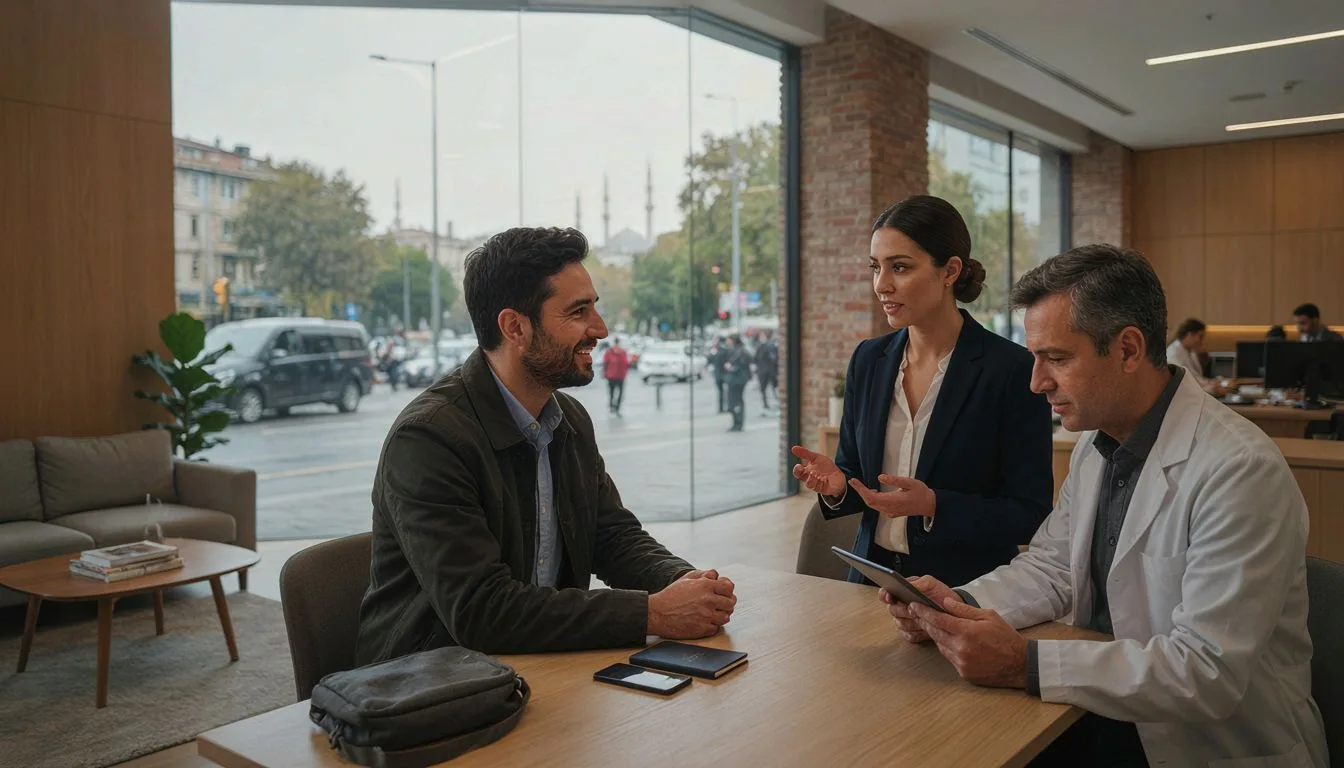
Turkey attracts many Canadian beard transplant patients because it has developed a strong international-patient infrastructure around hair restoration. Clinics that regularly work with overseas visitors may coordinate airport transfers, consultations, treatment appointments, and accommodation, making the process easier to manage from abroad. Experience with Canadian travellers can also help clinics anticipate practical issues such as long-haul travel, time-zone differences, and communication preferences.
Convenience, however, should be assessed rather than assumed. Before booking, Canadian patients should confirm how consultations are conducted, who will perform the extraction and implantation, and whether English-speaking staff are available throughout the process. Clear communication is particularly important when discussing beard density, donor hair limitations, facial hair design, and realistic growth expectations.
Some patients also perceive Turkey as offering attractive value compared with treatment prices in Canada, but a lower quoted price does not automatically indicate equivalent quality. Individual suitability should remain central, alongside verified surgeon credentials, appropriate medical facilities, transparent treatment planning, and safe clinical standards. Turkey may be a practical destination for some Canadians, provided the decision is based on evidence and personal needs rather than package convenience alone.
What Canadian Patients Should Look for in a Beard Transplant Package
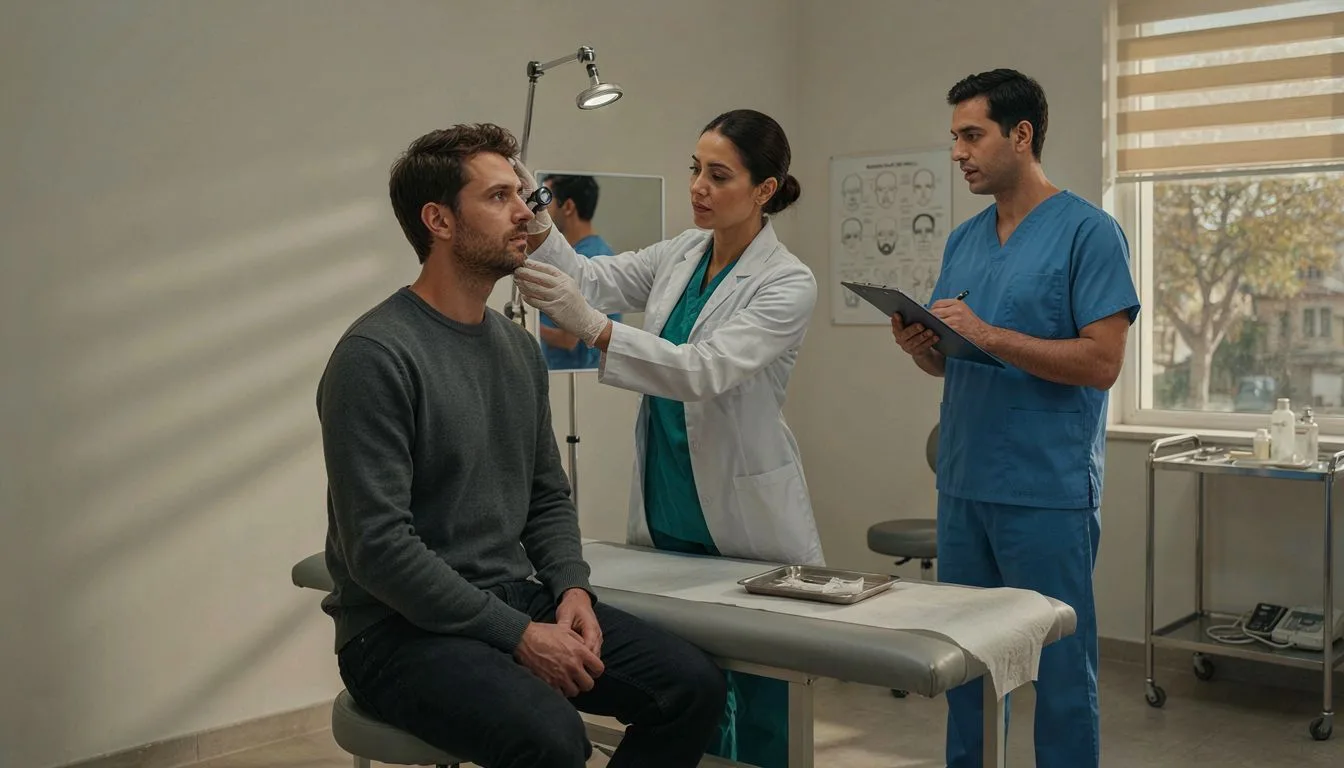
A well-structured package should begin with a proper medical assessment, not a fixed graft number or a promotional price. Ask who conducts the consultation and whether the doctor personally evaluates your donor area, skin condition, facial-hair pattern, and expectations. Beard density, growth direction, and the availability of suitable grafts can vary considerably, so the proposed design should be based on your individual anatomy rather than a standard template.
Confirm exactly who will perform each stage of treatment. The clinic should clearly identify the physician responsible for medical supervision, as well as the professionals handling extraction, channel opening, and implantation. You should also receive a written treatment plan describing the expected graft range, beard-line design, technique, and any limitations affecting the result. Be cautious if staff avoid discussing candidacy or promise a guaranteed density.
Before paying a deposit, request the package terms in writing. They should state what treatment includes, which medical tests or medications are covered, and whether accommodation, transfers, translation, or additional clinic visits are part of the arrangement. Cancellation, rescheduling, refund, and no-show conditions should be easy to understand. A low advertised price is difficult to assess if important services are left undefined.
Finally, review the clinic’s credentials, licensing information, surgeon qualifications, and examples of comparable beard cases. Patient photographs should show consistent angles and realistic healing stages rather than only highly edited final images. Reliable communication before travel is also important: your questions should receive clear, medically responsible answers. The most important standard is transparent treatment planning, allowing you to make an informed decision before committing to surgery.
Comparing Treatment Costs, Travel, and Included Services
Comparing package prices requires looking beyond the quoted procedure fee. A realistic budget should include the entire journey from Canada to Turkey and back, because accommodation, local transport, prescriptions, and additional nights can materially change the final cost.
| Comparison field | What to check | Questions to clarify |
|---|---|---|
| Procedure | Surgeon involvement, graft estimate, facility, and treatment technique | Is the quoted fee based on an individual assessment? |
| Flights | Return airfare, baggage, and travel-date flexibility | Are flights excluded from the package? |
| Accommodation | Hotel category, nights, breakfast, and extra-night rates | What happens if the stay must be extended? |
| Transfers | Airport, hotel, and clinic transportation | Are transfers private and available on every required date? |
| Medication | Prescriptions, aftercare products, and pharmacy costs | Which items are included and which must be purchased separately? |
| Exclusions | Meals, companion expenses, additional nights, and unforeseen services | Can every exclusion be confirmed in writing? |
| Follow-up support | Remote communication and access to post-treatment guidance | Who will handle questions after returning to Canada? |
Travel dates also affect airfare and hotel availability, while a companion may add separate flight, accommodation, and meal expenses. Ask for a current, clinic-specific quotation with all inclusions and exclusions itemized. Avoid treating an unverified advertised price as a standard rate, particularly when the treatment plan or length of stay has not yet been determined.
Preparing for Your Procedure in Turkey
Good preparation reduces avoidable delays and helps your consultation produce a more accurate plan. Before travelling, organise the information the clinic will need to understand your health, facial hair growth, and treatment goals. Keep all instructions in writing, especially when appointments are scheduled close to your flight dates. Reviewing your medical information, procedure arrangements, travel plans, documents, payment requirements, and work commitments in advance can make the process more organised and help you identify questions before you arrive.
- Medical information: Prepare a current list of medications, allergies, medical conditions, previous procedures, and any relevant healing or bleeding concerns. Send clear, recent photographs if requested.
- Procedure details: Confirm the proposed technique, estimated graft plan, consultation time, procedure date, and any appointments required before departure.
- Travel arrangements: Book flights and accommodation with enough flexibility for clinic timing, and confirm airport transfers, local transportation, and the address of every appointment.
- Documents and payment: Carry your passport, booking confirmations, medical records, contact details, and an appropriate payment method. Check whether deposits or additional services are excluded from the quoted price.
- Work planning: Allow practical time away from work and avoid scheduling important commitments immediately around your trip, particularly if travel arrangements change.
Follow the clinic’s confirmed preoperative instructions regarding food, alcohol, smoking, supplements, and medications. Do not stop prescribed medication without advice from the clinician who manages your health. If you have a personal medical concern, obtain guidance before flying rather than relying on general online information. Keeping communication clear with the clinic and allowing sufficient flexibility in your schedule can help your consultation and procedure proceed as planned.
Aftercare, Recovery, and Follow-Up from Canada
Recovery continues after you return to Canada, so arrange clear aftercare before leaving the clinic. During the first days, mild swelling, redness, tightness, and small crusts can occur. Follow the clinic’s washing instructions carefully, avoid rubbing or picking the grafts, and postpone strenuous exercise, swimming, and activities that cause heavy sweating until your medical team approves them.
Temporary shedding or uneven beard growth may appear during the following weeks before new growth develops gradually. The clinic should provide a remote review schedule, with secure email, messaging, or video consultations for progress checks. Keep their contact details accessible and confirm who is responsible for after-hours concerns.
Ask how prescriptions or recommended medication can be obtained in Canada, and identify a local family doctor or walk-in clinic for assessment if needed. Increasing pain, spreading redness, significant swelling, fever, pus, or persistent bleeding requires prompt medical attention. Any planned in-person review should be arranged with a qualified healthcare professional before departure or after you return.
FAQs
What does a beard transplant Turkey package for Canadians usually include?
A beard transplant Turkey package for Canadians usually includes a consultation, hairline and beard design, the transplant procedure, local anesthesia, prescribed medications, and post-operative instructions. Many packages also cover hotel accommodation, airport and clinic transfers, interpreter support, and follow-up care, while flights and personal expenses are often excluded. Verify the exact inclusions, surgeon’s credentials, clinic accreditation, and aftercare arrangements before booking.
Are beard transplant clinics in Turkey safe and reputable for Canadian patients?
Many beard transplant clinics in Turkey are safe and reputable, and they commonly treat international patients, including Canadians. Safety depends on the clinic’s medical licensing, surgeon’s qualifications and experience, transparent pricing, accredited facilities, and documented patient outcomes. Canadians should verify independent reviews, confirm who performs each procedure, and arrange follow-up care before traveling.
What should Canadians budget for flights, accommodation, and follow-up care?
Canadians should budget for round-trip flights, accommodation, local transportation, meals, and any required follow-up appointments or medications. Costs vary by destination and procedure, so obtain a detailed quotation that separates treatment fees from travel and aftercare expenses. Allow extra funds for extended stays or unexpected follow-up care.