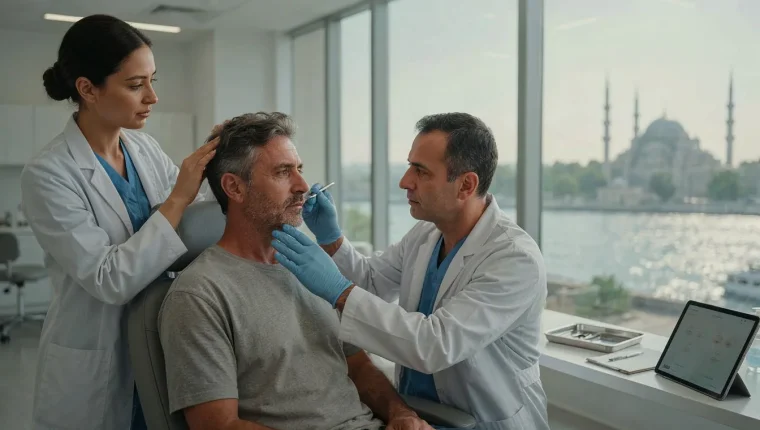
For Canadians considering a beard transplant abroad, Turkey may appear attractive because of its established hair-restoration sector and potentially lower overall treatment costs. However, deciding whether beard transplant Turkey for Canadians is worthwhile requires more than comparing prices. The right questions include whether you are a suitable candidate, what result you can realistically expect, how travel may affect recovery, and whether the clinic provides dependable medical care before and after the procedure. This guide examines those practical factors without promising a universal advantage. Your decision should be based on an individual assessment, clear treatment information, and current verification of the provider’s qualifications and standards.
Why Canadians Consider Beard Transplant Surgery in Turkey
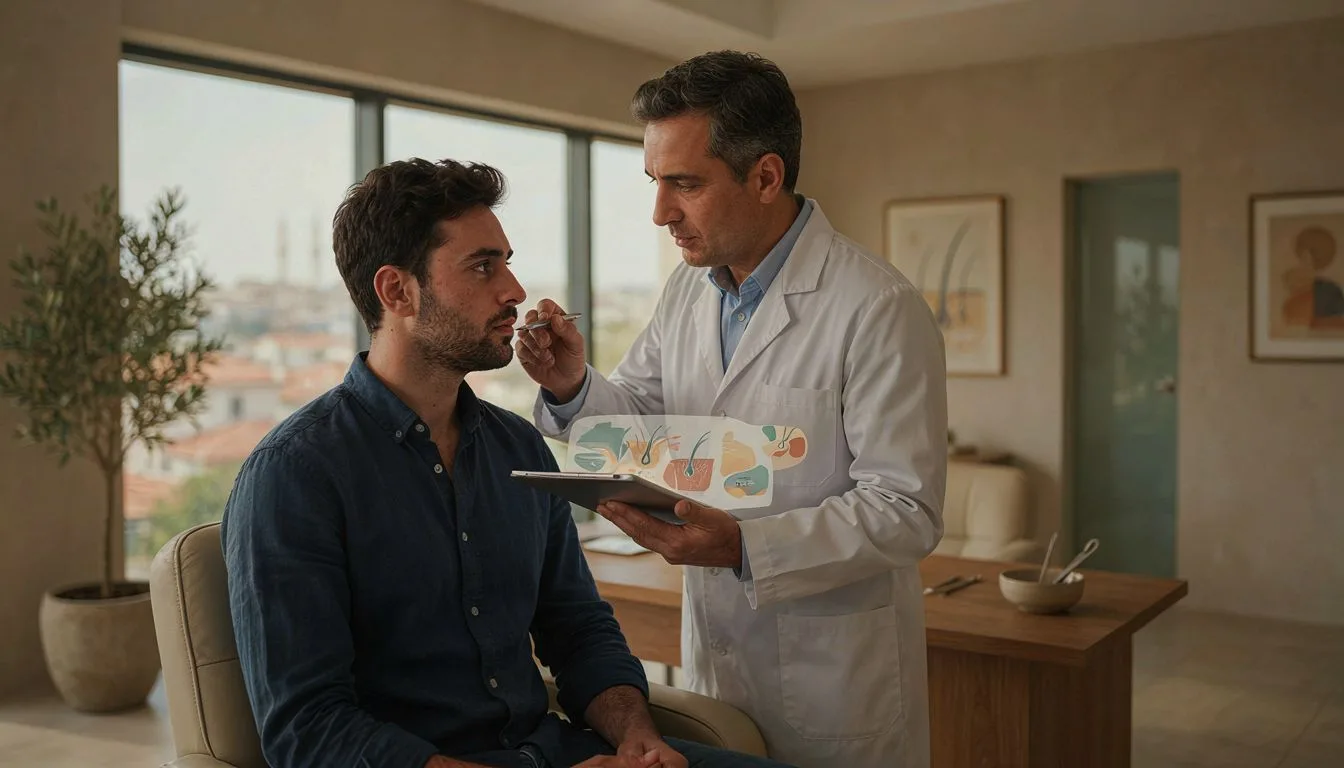
Canadians may consider Turkey when patchy growth, sparse areas, an uneven beard pattern, or facial scars make everyday grooming frustrating. A transplant can offer a more defined appearance by redistributing healthy hair follicles to areas where natural growth is limited. For some men, the appeal also lies in finding clinics that perform a high volume of hair and beard procedures, making specialist access an important consideration alongside price.
Personal goals vary. One patient may want fuller cheek coverage, while another may be seeking a stronger jawline or improved symmetry after acne or surgery-related scarring. Turkey can appear attractive when local appointment availability, treatment preferences, or the range of package-based services do not match what a patient is seeking in Canada. However, overseas care requires greater personal planning and comfort with managing communication, follow-up, and unexpected concerns from abroad. The key issue is whether the clinic offers appropriate postoperative follow-up, not simply whether the procedure is available or affordable.
What the Procedure Includes and Who Is a Suitable Candidate
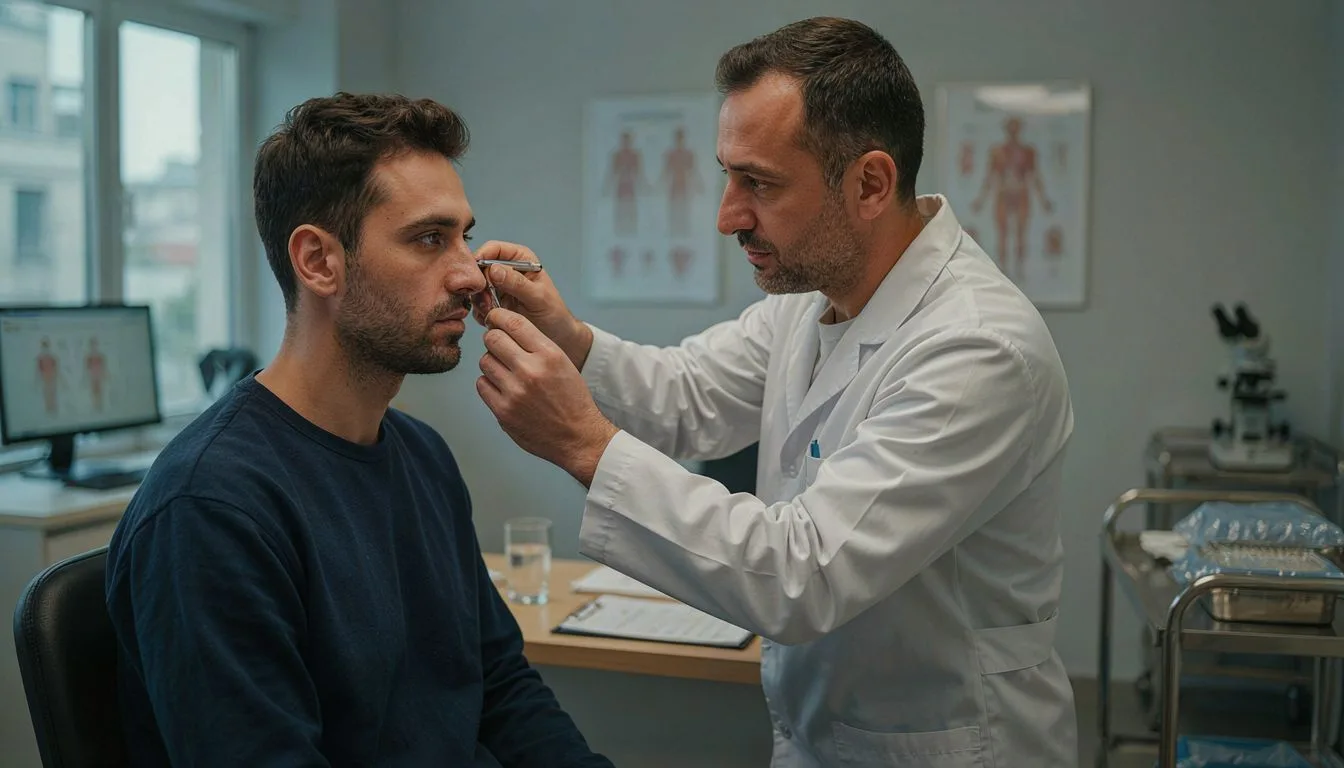
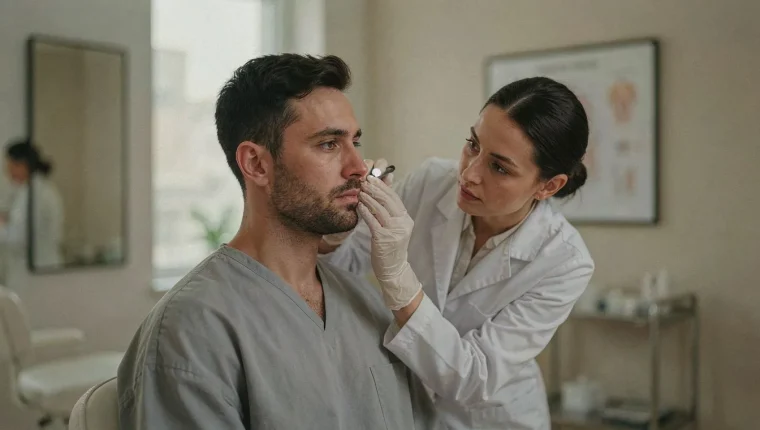
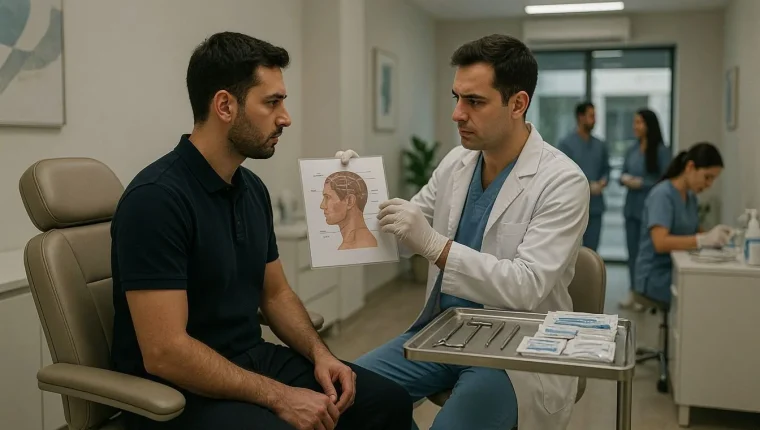
A beard transplant usually begins with a medical consultation rather than a fixed treatment package. The clinician reviews your facial-hair pattern, asks about previous procedures or medical conditions, and examines the donor area—typically the scalp or another suitable hair-bearing region. This assessment helps determine whether enough healthy follicles are available and how they can be distributed to create a natural outline and appropriate density.
During the procedure, follicular units are extracted individually, prepared, and implanted into carefully planned sites in the beard area. The angle, direction, and spacing of each graft matter because facial hair grows differently across the cheeks, jawline, moustache, and chin. The exact number of grafts depends on the size of the area, existing growth, donor supply, and the patient’s preferred design.
Donor supply is one of the most important suitability factors. Good candidates generally have adequate hair density, realistic expectations, and healthy skin without an active infection or uncontrolled dermatological condition. Stable general health, the ability to follow aftercare instructions, and a clear understanding that results develop gradually are also important. A particular beard style may be achievable only if the available follicles support it; aesthetic preference alone cannot overcome limited donor hair.
Newly transplanted hairs commonly shed before regrowth begins, and visible improvement develops progressively over the following months. Before deciding, ask a qualified clinician to explain potential risks, medication adjustments, aftercare, expected density, and the possibility that more than one session could be appropriate for your goals.
How Turkey Compares with Canada on Cost and Quality
Comparing Turkey with Canada fairly requires looking beyond the advertised procedure fee. A lower quote may reflect a bundled package, while a Canadian estimate may list each service separately. The question is what is included, who performs the key steps, and how easily you can access support after returning home.
| Comparison factor | Turkey | Canada | What to verify |
|---|---|---|---|
| Procedure quote | May be offered as a package | May be itemized by service | Whether consultation, taxes, and medical fees are included |
| Additional expenses | Flights, accommodation, local transport, medication, and meals may be separate | Travel is usually limited, but medication and follow-up costs may still apply | The complete expected budget rather than the headline price |
| Clinical quality | Can vary substantially between providers | Can also differ by surgeon, facility, and treatment plan | Surgeon involvement, facility standards, planning, and documentation |
| Aftercare access | Initial support may be available through the clinic or coordinator | In-person local access may be simpler after treatment | Who answers questions after departure and how complications are handled |
Quality should be assessed through the treatment plan, realistic graft recommendations, clear communication, and appropriate medical oversight—not through country reputation alone. Package pricing can offer convenience, but it should not replace independent questions about the surgeon’s role and the clinic’s standards.
Prices, included services, and regulatory requirements can change, so Canadians should request a current written quotation and confirm every component before booking. A Turkish option may provide strong overall value when the clinical plan and support are transparent; a Canadian option may be preferable when convenient continuity of care carries greater importance.
Travel, Accommodation, and Recovery Planning for Canadians
Planning the journey carefully can make medical travel more manageable and reduce avoidable stress during the first days after treatment. Canadian patients should build their schedule around the clinic’s instructions rather than choosing flights immediately after the appointment. Time is needed for the procedure, initial checks, and any required in-person guidance before returning home.
- Arrival timing: Arrive early enough to attend consultations or examinations and allow for unexpected travel delays.
- Accommodation: Choose a clean, quiet place near the clinic with easy access to transport, an elevator if needed, and suitable space for resting.
- Early recovery: Plan for possible swelling, prescribed cleansing routines, and temporary limits on exercise, alcohol, and activities that may cause sweating or pressure.
- Flight preparation: Confirm with the clinic when flying is appropriate, keep treatment instructions and medication details accessible, and avoid carrying heavy luggage during the early recovery period.
Before departure, ask how postoperative follow-up will work after returning to Canada. A reliable arrangement should explain whom to contact, how progress photos will be reviewed, and what to do if swelling, discomfort, or healing concerns develop. This aftercare access should be confirmed in writing rather than assumed as part of the travel package.
How to Choose a Safe and Reliable Turkish Clinic
Choosing a safe and reliable Turkish clinic should involve more than comparing package prices or reading enthusiastic testimonials. Focus on whether the provider can show accountable medical leadership, consistent clinical standards, and a treatment plan tailored to your facial hair pattern and donor capacity. Before making a decision, take time to verify who will perform the procedure, how the facility operates, what the quoted treatment includes, and whether the clinic can provide evidence of comparable results.
- Verify the surgeon: Confirm the doctor’s identity, relevant hair-restoration experience, professional credentials, and exact role during extraction, design, and implantation.
- Assess the facility: Ask whether the clinic is properly authorized, follows documented infection-control procedures, and has clear emergency and clinical-supervision arrangements.
- Demand written details: The proposal should state the estimated graft number, technique, total fees, inclusions, possible risks, and who handles follow-up questions.
- Review comparable results: Examine dated before-and-after photographs of beard cases with similar growth patterns, lighting, and angles rather than relying on generic promotional images.
A video consultation with the operating surgeon can reveal whether your questions receive specific, medically grounded answers. It also gives you an opportunity to discuss expectations, donor capacity, the proposed design, recovery requirements, and any factors that could affect the final result. Clear communication before treatment is an important sign that the clinic takes patient safety and informed consent seriously.
If the information remains vague or pressure is used to secure a booking, seek an independent consultation before committing. A trustworthy provider should give you enough time to review the written plan, understand the possible risks, and make a decision without being rushed. This careful approach can help you distinguish responsible clinical care from marketing that focuses mainly on securing payment.
FAQs
What does a beard transplant in Turkey for Canadians typically cost compared with treatment in Canada?
A beard transplant in Turkey typically costs about CAD 2,500–6,000, while comparable treatment in Canada often ranges from CAD 8,000–15,000 or more. Turkey’s lower prices commonly reflect reduced clinic and labor costs, but Canadians should also budget for flights, accommodation, aftercare, and potential follow-up visits.
Are Turkish beard transplant clinics safe and properly accredited for Canadian patients?
Many Turkish beard transplant clinics are licensed and operate under national healthcare regulations, but accreditation and safety standards vary by facility. Canadian patients should verify the clinic’s Ministry of Health authorization, surgeon’s medical credentials, hospital or facility accreditation, infection-control protocols, and transparent complication policies before booking. Independent reviews and written aftercare arrangements in Canada can provide additional reassurance.
How long should Canadians stay in Turkey for a beard transplant and follow-up care?
Canadians should generally plan to stay in Turkey for about 5–7 days for a beard transplant, including the procedure, initial washing, and follow-up checks. Most clinics schedule an early review within a few days, while further aftercare can usually continue remotely with the clinic once you return home.