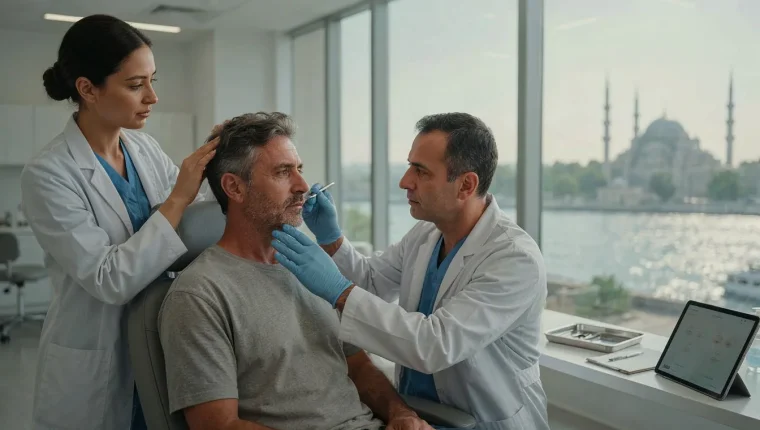
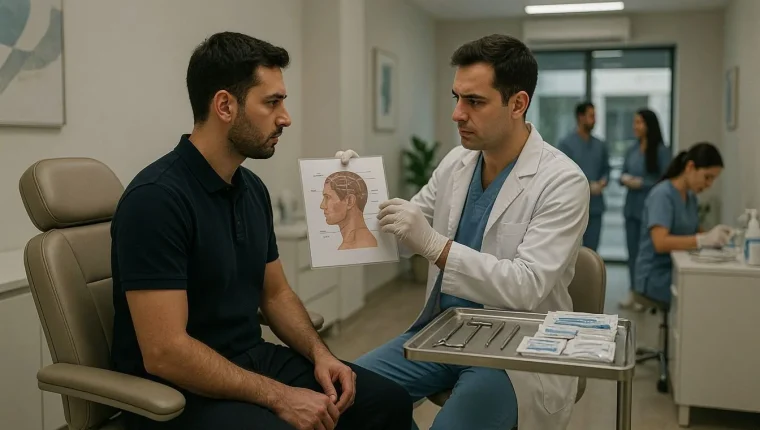
Choosing a surgeon for a beard transplant in Turkey requires more than comparing package prices or attractive clinic websites. The key question is whether the provider can deliver a natural-looking result safely, with a plan suited to your facial hair pattern, donor area, and expectations. A careful comparison should consider the surgeon’s qualifications, relevant beard transplant experience, documented results, treatment approach, clinic standards, and the support available before and after the procedure. Marketing claims can be difficult to assess, especially when different clinics present information in very different ways. Before booking, evaluate a beard transplant surgeon in Turkey based on evidence, suitability, and continuity of care rather than cost alone.
Understanding Surgeon Qualifications and Experience
Start by confirming the surgeon’s medical credentials and the training relevant to hair restoration or facial procedures. Promotional titles can sound impressive without explaining the clinician’s actual qualifications, so check licensing and professional registration through appropriate official sources where available. The clinic should also clearly identify the surgeon responsible for your assessment and treatment.
Experience matters most when it is specific to beard transplantation. Ask how regularly the surgeon performs beard cases and whether they have treated different facial hair patterns, skin types, densities, and design goals. Beard work requires careful attention to direction, angle, spacing, and facial symmetry, so broad experience in scalp procedures does not automatically demonstrate equivalent expertise.
During a consultation, clarify who examines you, who designs the beard outline, who extracts the grafts, and who places them. These stages may involve different team members, and you should understand the surgeon’s direct role in each one. Ask to see relevant clinical examples rather than relying on general claims or stock imagery.
Above all, verify the surgeon’s beard-specific experience through consistent case evidence, professional records, and clear answers. A reputable provider should explain qualifications openly and avoid pressuring you to proceed before your questions are addressed.
How to Assess Beard Transplant Results
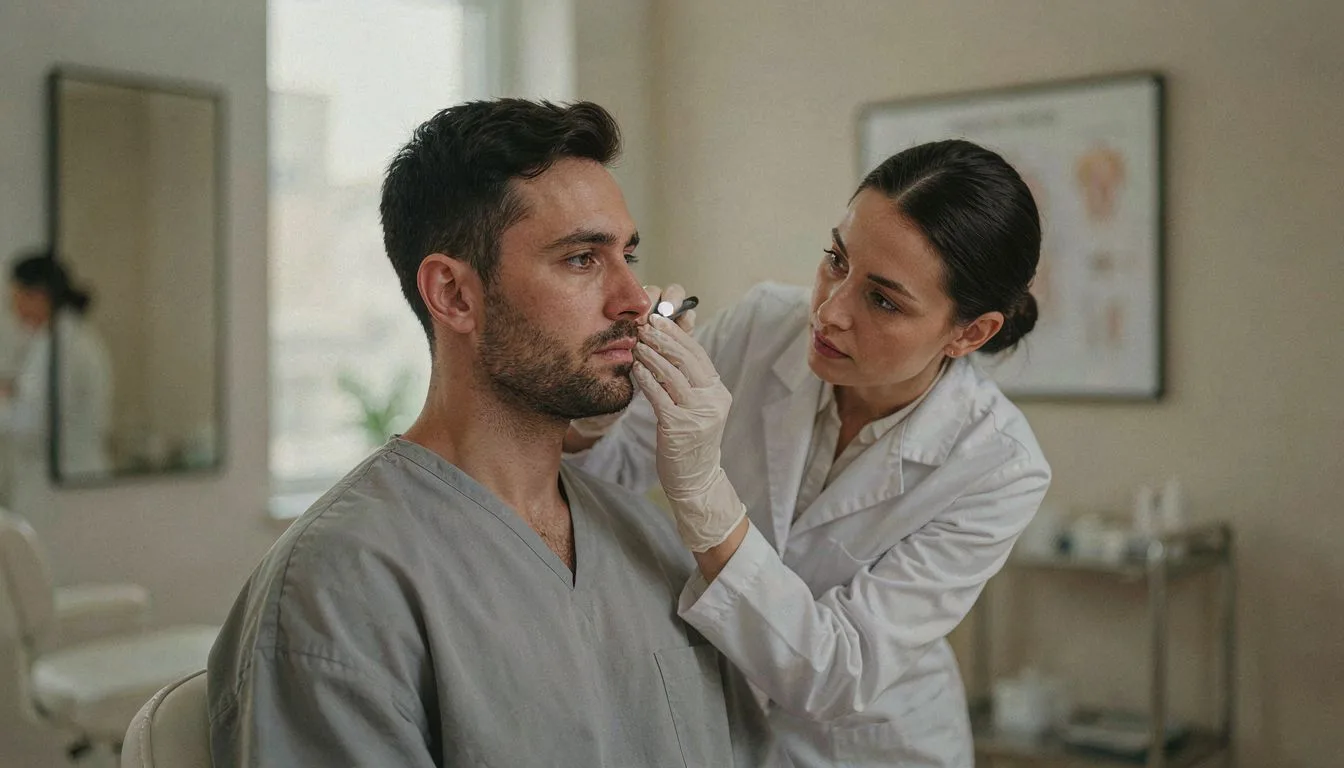
Before-and-after galleries are most useful when they allow a fair comparison, rather than simply displaying a few impressive photographs. Look for patients with similar beard density, hair texture, skin tone, treatment areas, and levels of hair loss. A cheek reconstruction may require a different assessment from a sparse moustache or goatee enhancement, so relevance matters more than the number of images shown.
Examine the beard from several angles and focus on how naturally the transplanted hairs blend with existing growth. Pay attention to follicle direction, insertion angle, spacing, symmetry, and the transition along the cheek or neckline. Grafts that appear too uniform, upright, tightly packed, or poorly aligned may remain noticeable even when overall coverage looks strong.
Consistent photographic evidence should include comparable lighting, camera distance, facial positioning, and multiple views. Confirm that the follow-up photographs were taken after sufficient maturation, since early growth does not represent the final appearance. Ideally, ask whether results can be reviewed across several similar cases, not just one carefully selected example.
Use photographs as evidence to support, not replace, a detailed consultation. A gallery cannot guarantee the same outcome for every patient; donor characteristics, healing, existing facial hair, and realistic treatment goals all influence the result.
Evaluating Techniques and Treatment Planning
Technique selection should follow the patient’s facial structure and donor resources, rather than a fixed treatment package. During consultation, the plan should identify which areas need coverage, how many grafts may be appropriate, and what level of density can be achieved without overusing the donor supply. The surgeon should also examine existing beard growth, patchiness, skin characteristics, and the proportions of the chin, cheeks, sideburns, and moustache.
Ask how grafts will be extracted, sorted, stored, and implanted. Careful handling can help preserve graft viability, while the angle and direction of placement determine whether new hairs blend naturally with existing growth. A suitable design should account for how the beard may look from different distances and as it matures, not just how the marked outline appears before treatment.
Medical history, previous procedures, medications, skin conditions, and future changes in facial hair should be discussed before finalizing the plan. These factors may affect suitability, timing, or expected density. It is also reasonable to clarify who makes the technical decisions and whether the surgeon personally reviews the graft count, design, and placement strategy.
Individualized treatment planning should include clear alternatives and limitations. Be cautious when a clinic presents identical graft numbers or technique choices for every patient, particularly if it does not explain how donor capacity, facial proportions, and realistic long-term expectations shaped the recommendation.
Reviewing Clinic Standards and Patient Safety
A safe clinic review should begin with the facility itself, not its promotional promises. Confirm that the clinic or hospital is legally authorized to perform surgical procedures and that the treatment takes place in a dedicated, clean medical environment. Ask who will be present throughout the procedure, what responsibilities assisting staff have, and whether appropriate sterile equipment is used.
Before treatment, a qualified medical professional should complete a health assessment, review medications and relevant conditions, and explain realistic benefits, limitations, and potential complications. The consent process should give you enough time to ask questions rather than presenting paperwork as a formality. Clear documentation of the planned procedure, anesthesia, graft handling, and expected recovery is also reassuring.
Ask how the team responds to excessive bleeding, infection, poor healing, unexpected findings, or an urgent reaction to anesthesia. The clinic should have appropriate emergency equipment, trained personnel, and a defined pathway for transferring patients to a hospital when necessary. These safeguards reflect patient safety protocols, not simply high-end branding.
Finally, verify the information directly. A polished website cannot establish hygiene standards, emergency readiness, or transparent medical practice. Request specific answers during consultation and consider vague responses or pressure to book quickly as meaningful warning signs.
Comparing Costs, Aftercare, and Patient Support

Price comparisons are meaningful only when each quotation covers the same scope of care. Separate the procedure fee from consultation charges, prescribed medication, local transfers, accommodation, and travel expenses. Also ask whether a later assessment could change the price, which services are optional, and whether corrective or revision treatment carries a separate fee.
Request the package details in writing. Clear terms should identify what is included, who provides follow-up, and whether you will receive regular reviews after returning home. A reliable provider should explain how to contact the clinical team, how quickly messages are answered, and what happens if swelling, infection concerns, or another unexpected issue develops.
The quality of continuity of care can matter as much as the initial quote. Compare the availability of remote consultations, practical recovery guidance, and escalation procedures rather than choosing the lowest advertised price. Make this comparison only after confirming acceptable clinical standards, transparent planning, and appropriate safeguards; low cost cannot compensate for limited accountability or inadequate support.
FAQs
How do I choose the best beard transplant surgeon in Turkey?
Choose a surgeon with recognized specialist qualifications, extensive experience in beard restoration, and a strong portfolio of verified before-and-after results. Confirm that the procedure takes place in a properly licensed clinic, ask which technique and graft plan they recommend, and review independent patient feedback rather than relying solely on promotional claims. Ensure the surgeon personally performs the key stages and provides clear information about risks, pricing, aftercare, and follow-up.
What qualifications should a beard transplant surgeon Turkey specialist have?
A qualified beard transplant surgeon in Turkey should hold a recognized medical degree, specialist training in dermatology or plastic surgery, and substantial experience with facial hair restoration procedures. They should be licensed to practice in Turkey, use evidence-based techniques such as FUE or DHI, and provide verifiable before-and-after results. Membership in reputable professional organizations, transparent communication, and treatment in an accredited clinic are also important.
How can I verify a surgeon’s experience through before-and-after results?
Review a surgeon’s before-and-after photos for consistent lighting, angles, facial expressions, and time intervals, and check whether they show a range of patients with similar concerns. Look for long-term results, clear captions, and outcomes that match your goals rather than relying on a few dramatic examples. Ask whether the images are the surgeon’s own patients, how long after surgery the photos were taken, and whether you can speak with verified former patients.