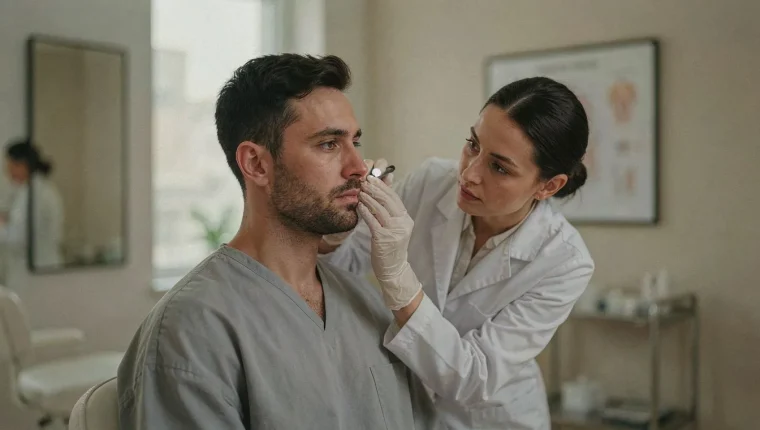
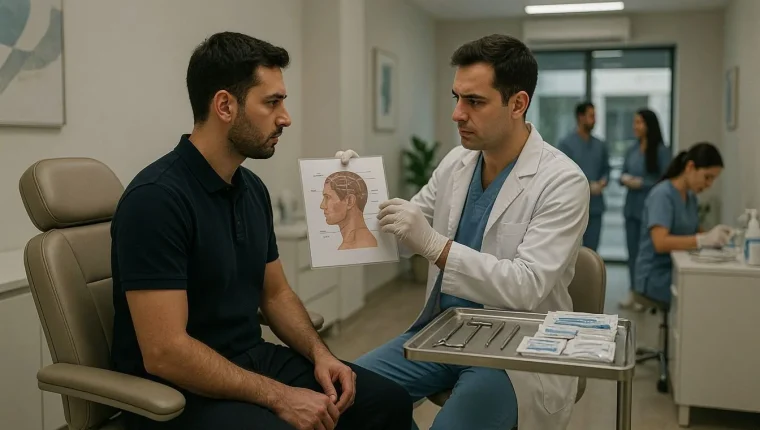
For many men in the United States, a beard transplant in Istanbul can address patchy growth, sparse areas, or scars that do not respond to conventional treatments. Istanbul is a popular destination for facial hair restoration because it offers experienced clinics, modern techniques, and competitive treatment packages. However, choosing the right provider involves more than comparing prices. You need to understand the procedure, graft planning, expected results, recovery process, and the standards that should guide medical care abroad. This guide covers what US patients should know before booking a beard transplant in Istanbul, including consultation questions, travel planning, potential costs, and how to evaluate a clinic. The details may help you avoid common mistakes and approach your decision with clearer expectations.
Why US Patients Choose Istanbul for Beard Transplants

Istanbul attracts many US patients because it combines experienced hair-restoration teams with a highly developed medical-tourism infrastructure. Beard transplantation requires more than placing grafts into empty areas: the surgeon must match facial hair direction, angle, density, and growth patterns so the result looks natural at conversational distance. Clinics that perform these procedures regularly may offer valuable technical experience, particularly for patients seeking treatment for patchy growth, scars, or limited donor hair.
Another factor is affordability. Treatment in Istanbul can cost less than comparable private care in many US cities, even after including flights and accommodation. However, a lower quote should not be treated as proof of value. The quality of the surgeon, the number of procedures performed each day, the medical team’s involvement, and the standard of follow-up all matter more than the headline package price.
Convenience also influences the decision. Many international clinics arrange airport transfers, consultations, interpreters, hotel stays, and post-operative instructions in one coordinated plan. This can make the process easier for first-time medical travelers, although patients should still confirm exactly what the package includes and whether a qualified physician—not only technicians—will perform the key stages.
For US patients, the most important benefit is often access to specialized beard-transplant technique. A thorough remote assessment before booking should review donor-area capacity, facial goals, medical history, medications, and realistic density expectations. Patients should also plan how they will contact the clinic after returning home, since early healing and graft growth continue long after the flight back to the United States.
What to Check When Choosing an Istanbul Clinic
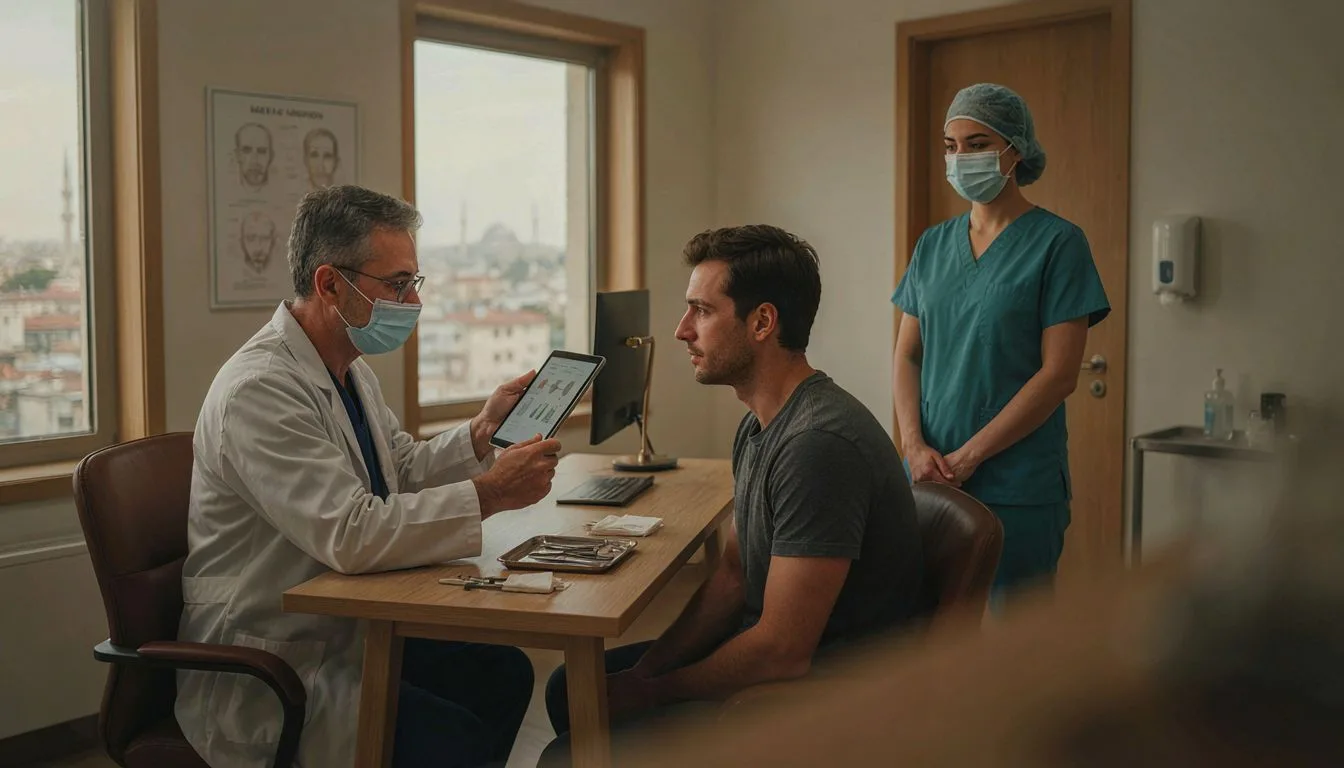
Choosing the right clinic is one of the most important decisions for US patients considering a beard transplant in Istanbul. Start by verifying who will perform the procedure, not just which clinic markets it. The treating physician should be clearly identified, appropriately licensed, and experienced in facial hair restoration. Ask how often the doctor personally performs beard procedures and whether the clinic can provide consistent, comparable before-and-after cases.
Review the proposed treatment plan during a consultation rather than relying on a fixed package price. A qualified team should assess donor hair, beard density, facial proportions, skin condition, and the number of grafts likely to be needed. The plan should explain the extraction method, implantation approach, expected limitations, and who will be present at each stage. Surgeon involvement is especially important because graft direction, angle, spacing, and hairline design strongly influence whether the result looks natural.
US patients should also confirm the clinic’s accreditation, infection-control standards, emergency arrangements, and communication process after returning home. Request a written quotation that separates surgical fees, medications, accommodation, transfers, and any follow-up care. Be cautious of clinics that guarantee a specific result, pressure you to book immediately, use generic photographs, or avoid answering questions about complications and revision policies.
Before paying a deposit, obtain the doctor’s full name, facility address, treatment schedule, and a realistic follow-up plan in writing. Independent reviews can add context, but they should support—not replace—medical verification and a direct consultation.
How Beard Transplant Surgery Works
Beard transplant surgery restores density by moving healthy hair follicles from a donor area to carefully planned sites in the beard, moustache, or sideburns. The surgeon first assesses facial proportions, existing growth, skin quality, and the patient’s goals before designing a natural hairline and determining how many grafts are needed.
Most procedures use a follicular unit extraction (FUE) technique. After local anaesthesia is applied, individual follicular units are removed from the donor area, commonly at the back of the scalp. The surgeon then creates tiny recipient openings at carefully selected angles and directions, matching the natural pattern of facial hair growth.
- Donor preparation: The donor area is trimmed and sterilised, while the planned beard zones are marked according to the agreed design.
- Graft extraction: A fine punch tool removes follicular units individually, helping limit visible scarring and preserve surrounding hair.
- Recipient-site creation: Small channels are opened with attention to angle, depth, spacing, and facial symmetry.
- Graft placement: Each follicular unit is inserted into the prepared sites, with single-hair grafts typically used where a softer, more natural edge is required.
The procedure may take several hours, depending on the number of grafts and the treatment area. Mild swelling, redness, crusting, or temporary sensitivity can occur afterward. Newly implanted hairs commonly shed during the early healing phase, while the follicles remain in place and begin producing visible growth over the following months.
Travel, Recovery, and Follow-Up for US Patients
Planning the journey is part of the treatment. US patients should usually allow several days in Istanbul: one for the consultation and procedure, followed by time for the first dressing change and an early clinic review. The clinic should provide clear instructions about airport transfers, accommodation, washing the face, sleeping position, and when normal activities can resume.
During the first week, transplanted follicles are vulnerable to friction, pressure, and accidental impact. Mild swelling, redness, tightness, and small crusts can be expected, while strenuous exercise, swimming, saunas, and alcohol may need to be avoided temporarily. Follow the clinic’s washing routine carefully, and do not pick at crusts or apply unapproved products. Many patients can return to desk-based work within a few days, although visible redness may last longer.
Before flying back to the United States, confirm how the clinic will monitor healing after departure. Remote follow-up should include a direct contact method, scheduled photo reviews, and specific instructions for reporting increasing pain, spreading redness, drainage, fever, or unexpected swelling. Ask who will handle urgent concerns after returning home and whether a local physician should be involved.
Hair growth is gradual rather than immediate. Temporary shedding of transplanted hairs can occur before new growth begins, so patients should maintain realistic expectations and attend the planned follow-up appointments, whether online or in person.
Beard Transplant Costs, Risks, and Results in Istanbul
Pricing for a beard transplant in Istanbul varies according to the number of grafts, the surgeon’s experience, the technique used, and what the package includes. Many clinics quote a fixed treatment price rather than charging per graft, but US patients should request an itemized estimate covering consultation, surgery, medication, airport transfers, accommodation, and follow-up care. A lower headline price may exclude important services or reflect limited surgeon involvement, so cost should be compared with clinical standards rather than viewed in isolation.
The main medical risks include infection, bleeding, swelling, temporary numbness, poor graft growth, unnatural direction, and uneven density. In rare cases, donor areas may be overharvested or scarring may be more visible than expected. Careful recipient-site planning and appropriate graft selection help reduce these risks, but no clinic can guarantee a perfect outcome. Patients should also disclose conditions, medications, smoking, and previous facial procedures before treatment.
Natural growth is a gradual result. Newly placed hairs commonly shed during the first weeks, while visible regrowth usually develops over several months and continues improving for up to 12–18 months. Final density depends on graft survival, donor supply, skin healing, and the original pattern of facial hair. Before booking, ask to see comparable before-and-after cases, clarify who performs each surgical step, and obtain written instructions for managing concerns after returning to the United States.
FAQs
How much does a beard transplant in Istanbul cost for US patients?
For US patients, a beard transplant in Istanbul typically costs between $2,000 and $5,000, depending on the number of grafts, clinic, technique, and what the package includes. Many clinics include consultation, procedure, medications, accommodation, airport transfers, and follow-up care, but patients should confirm all inclusions and check the surgeon’s credentials before booking.
Is a beard transplant in Istanbul safe and what credentials should US patients verify?
A beard transplant in Istanbul can be safe when performed by a properly licensed physician in an accredited clinic with strong infection-control and emergency protocols. US patients should verify the surgeon’s medical license, board certification or recognized specialty training, documented experience with beard transplantation, clinic accreditation, and who will perform each step of the procedure. They should also confirm independent reviews, transparent pricing, informed-consent details, and access to qualified follow-up care after returning to the United States.
How long should beard transplant Istanbul US patients plan to stay for recovery and follow-up?
Most US patients should plan to stay in Istanbul for about 5–7 days after a beard transplant. This allows time for the initial recovery, clinic checks, and any necessary follow-up before flying home. The clinic should confirm when travel is safe and provide aftercare instructions for continued healing in the US.