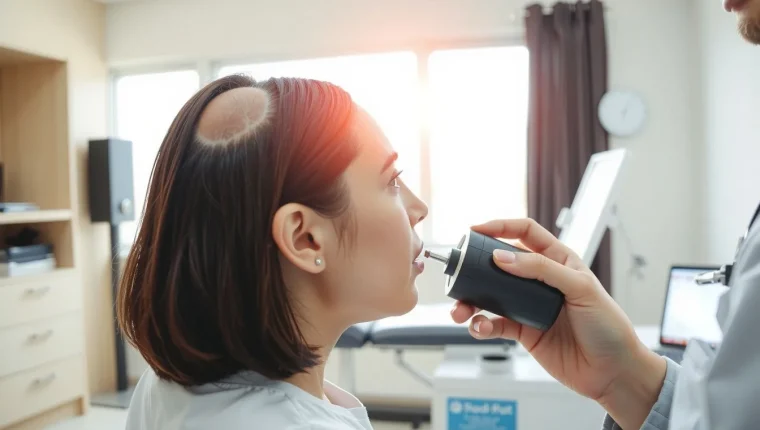
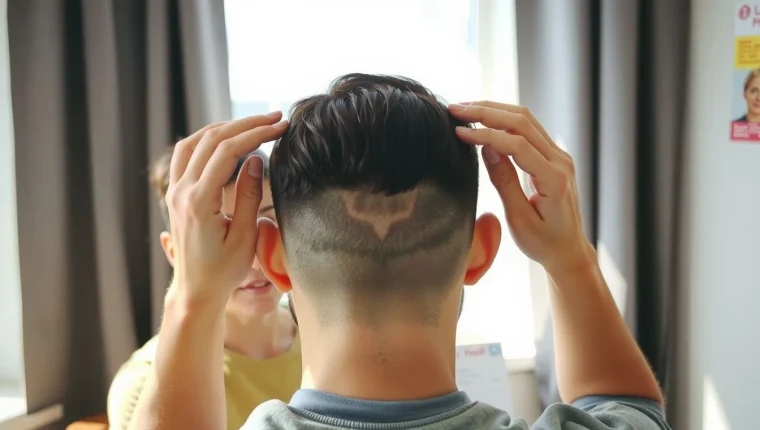
Alopecia areata causes sudden, patchy hair loss on the scalp, beard, eyebrows, or anywhere else on the body. The immune system mistakenly attacks hair follicles, so the condition is classified as an autoimmune disorder rather than a simple hair or scalp problem. Patches often appear within days; in some cases, hair regrows on its own, but in others, the loss spreads or recurs.
The condition affects people of all ages, though it most often begins before age 30. Symptoms can range from a single small bald spot to total scalp hair loss (alopecia totalis) or loss of all body hair (alopecia universalis). Nail changes such as pitting or ridging appear in a minority of cases. Because the causes involve genetics, immune activity, and environmental triggers, treatment and outlook vary widely from person to person, and understanding these factors helps set realistic expectations.
Recognizing the Early Signs and Patterns of Alopecia Areata
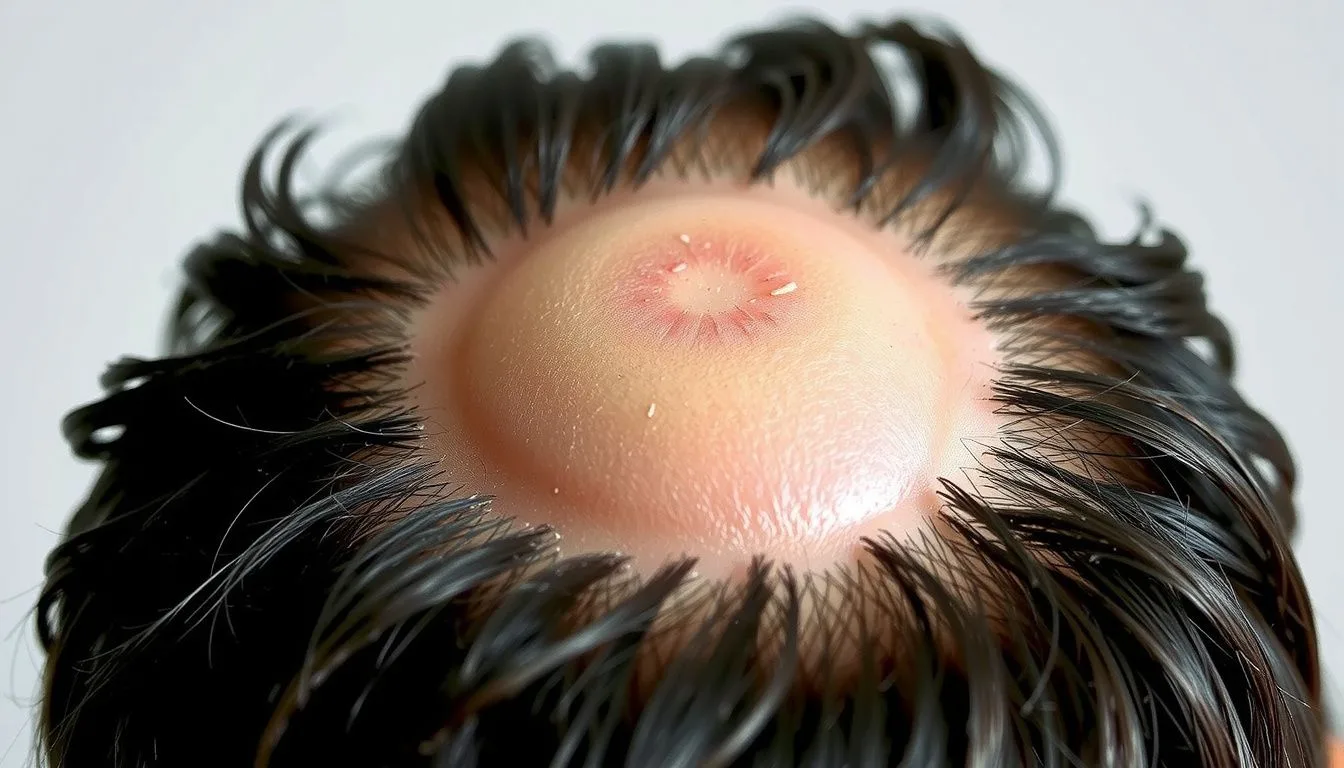
Hair loss rarely announces itself with a single dramatic moment. More often, it begins quietly: a small, smooth bald spot that appears almost overnight, most commonly on the scalp but occasionally in the beard, eyebrows, or eyelashes. This sudden, well-defined patch is the hallmark presentation, and it is the pattern most people notice first. The skin within the patch looks normal rather than inflamed or scaly, which distinguishes it from many other scalp conditions.
Several early clues help differentiate this form of hair loss from other types. The affected areas are typically round or oval, sharply bordered, and completely smooth. Many people also notice exclamation mark hairs — short, broken strands that are narrower at the base than at the tip — along the edges of an active patch. These hairs signal that the follicle is under attack and often indicate that the spot is still expanding.
Other early signs include:
- Nail changes such as fine pitting, ridging, or a roughened surface
- A tingling, itching, or mild burning sensation before a patch appears
- Rapid progression from one small spot to several patches
- New growth of fine, white, unpigmented hairs as a patch begins to recover
Patterns vary widely. Some people develop only one or two patches that regrow within months, while others experience coalescing lesions that merge into larger areas. Recognizing these early signals matters because the extent of involvement at the outset often shapes how the condition is later classified and managed.
What Triggers the Immune Attack on Hair Follicles

Hair follicles are not destroyed by an external invader in this condition. Instead, the body’s own defense system misidentifies actively growing hair as a threat and launches an inflammatory response against it. This process is known as an autoimmune reaction, and it explains why the loss is sudden, patchy, and unpredictable rather than gradual.
Several factors appear to push the immune system toward this mistake. Genetic predisposition plays a central role: people with a family history of the condition, or of other autoimmune disorders such as thyroid disease or vitiligo, carry a higher risk. Specific gene variations linked to immune regulation have been identified, which is why the tendency often runs in families.
Environmental and emotional stressors frequently precede a flare. Physical illness, surgery, severe emotional strain, or major life changes can act as catalysts, though they are rarely the sole cause. The immune system, already primed by genetics, responds to that stress by attacking the follicle.
Importantly, the follicle is not permanently scarred. The immune attack targets the growing phase of the hair cycle, which is why regrowth remains possible once the inflammation subsides.
How the Condition Is Diagnosed and Classified by Severity
Because several forms of hair loss look alike on the surface, diagnosis relies on careful visual examination supported by targeted tests. A dermatologist typically begins with a detailed history and a scalp inspection using a dermatoscope, a magnifying tool that reveals subtle features such as tapering hairs and yellow dots. When the picture is unclear, a scalp biopsy or blood work may be ordered to rule out thyroid disorders, iron deficiency, or other conditions that mimic the disease. The most defining step, however, is confirming the clinical pattern of nonscarring, well-demarcated patches alongside these trichoscopic findings.
Once confirmed, severity is graded to guide treatment decisions. Classification generally follows the extent and location of involvement:
- Mild: A few small patches limited to one area, often resolving without aggressive intervention.
- Moderate: Multiple patches affecting several regions of the scalp.
- Severe: Extensive scalp involvement, rapid progression, or loss exceeding a defined surface area.
- Alopecia totalis: Complete loss of scalp hair, consistent with the total scalp hair loss introduced earlier.
- Alopecia universalis: Loss extending to eyebrows, eyelashes, and body hair.
These categories matter because they predict how responsive the condition may be to treatment. Mild cases frequently respond to topical therapies, while extensive or rapidly progressing forms often require systemic options or closer monitoring. Severity grading also helps clinicians track change over time, since the disease can shift between categories as new patches appear or existing ones regrow.
Distinguishing Patchy Hair Loss from Androgenetic Alopecia
Androgenetic alopecia follows a fundamentally different course from the immune-driven form of hair loss, and telling the two apart is one of the most practical steps in reaching the right diagnosis. Where patchy disease produces smooth, clearly bordered bald spots, androgenetic alopecia develops through a gradual, patterned miniaturization of hair follicles. Individual strands become progressively thinner and shorter before they disappear, so the scalp rarely shows completely bare skin in the early stages.
The distribution is equally telling. Androgenetic alopecia typically begins at the temples or crown in men and along the central part in women, widening over time rather than appearing as isolated round patches. The frontal hairline may recede in a recognizable pattern, and diffuse thinning across the top of the scalp is common. By contrast, patchy disease can affect any region, including the eyebrows, eyelashes, and beard, and the affected areas often feel entirely normal.
Two further clues help separate the conditions. First, shedding in androgenetic alopecia is gradual and continuous, without the sudden onset that characterizes immune-related patches. Second, the pull test and dermoscopy findings differ: androgenetic alopecia shows a wide variation in hair shaft diameter, while patchy disease reveals the short, tapered hairs already familiar from earlier sections. Because treatments diverge sharply, confirming which pattern is present prevents unnecessary delays and guides the clinician toward the appropriate approach.
Treatment Options and Long-Term Outlook for Regrowth
Treatment is tailored to the extent and activity of the disease rather than applied as a single universal protocol. For limited patchy disease, first-line care usually involves topical or intralesional corticosteroids, which suppress the local immune attack and give the follicle a chance to resume normal cycling. Broader or rapidly progressing involvement may call for topical immunotherapy, systemic corticosteroids, or newer JAK inhibitors, while mild cases are sometimes observed alone because spontaneous regrowth is common within a year. Response varies widely between individuals, and no option guarantees permanent remission.
Regrowth itself often begins as fine, unpigmented vellus hair that gradually thickens and regains color, so early improvement can look subtle. Several factors shape the long-term outlook:
- Age at onset and the extent of scalp involvement
- Duration of the current episode
- Presence of nail changes or other autoimmune conditions
- Whether the disease follows a relapsing or continuous course
Because the follicle is not permanently destroyed, regrowth remains biologically possible even after years of inactivity. Relapse is nonetheless frequent, which is why many clinicians treat the condition as a chronic, manageable problem rather than a one-time event. Realistic expectations, consistent follow-up, and emotional support are as important as any prescription.
FAQs
What are the most common early signs of alopecia areata that people often overlook?
People often overlook small, smooth round patches of hair loss on the scalp, beard, or eyebrows because they can appear gradually and without itching or pain. Another early sign is increased shedding of short, tapered "exclamation point" hairs at the edges of a bald spot, which many mistake for normal shedding. Some individuals also notice subtle pitting or ridging of the nails before any obvious hair loss becomes visible.
Can emotional stress or an autoimmune condition actually trigger this type of hair loss?
Emotional stress is widely reported by patients as a trigger for alopecia areata, but it is generally considered a contributing factor rather than a direct cause. The condition is fundamentally autoimmune: the immune system mistakenly attacks hair follicles, and stress may worsen this response in genetically predisposed individuals. Because alopecia areata often coexists with other autoimmune disorders such as thyroid disease or vitiligo, an underlying immune dysregulation is central to its development.
Does alopecia areata always lead to permanent baldness, or can hair regrow without treatment?
No, alopecia areata does not always cause permanent baldness, and hair often regrows on its own without treatment. In many people, patches of hair loss resolve spontaneously within a few months to a year as the immune system stops attacking the hair follicles. However, some cases become chronic or extensive, and a minority of patients may experience long-term or permanent hair loss.