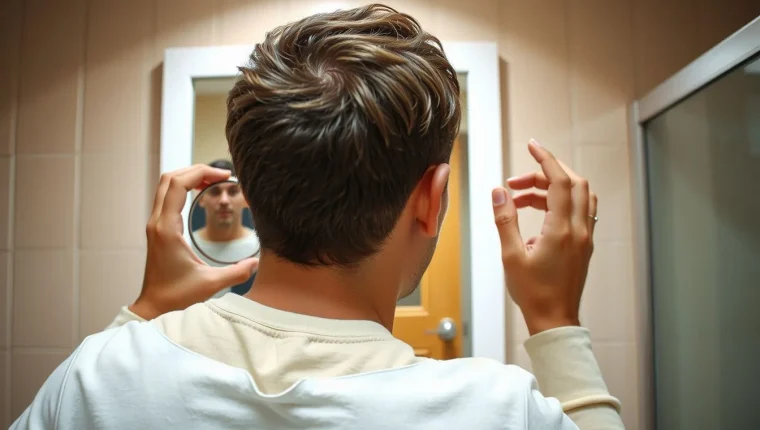
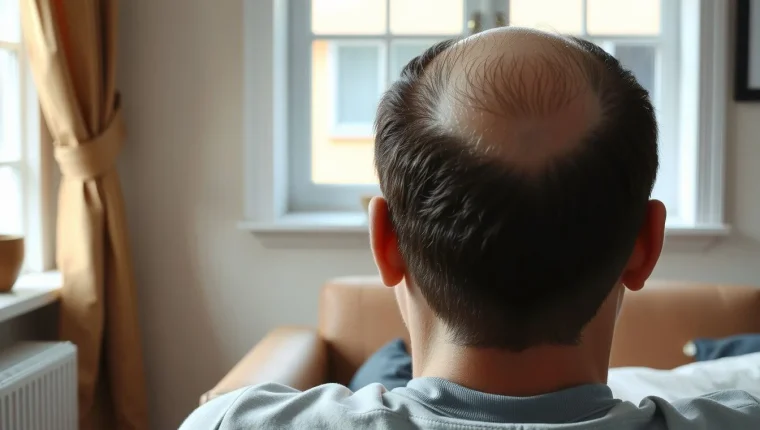
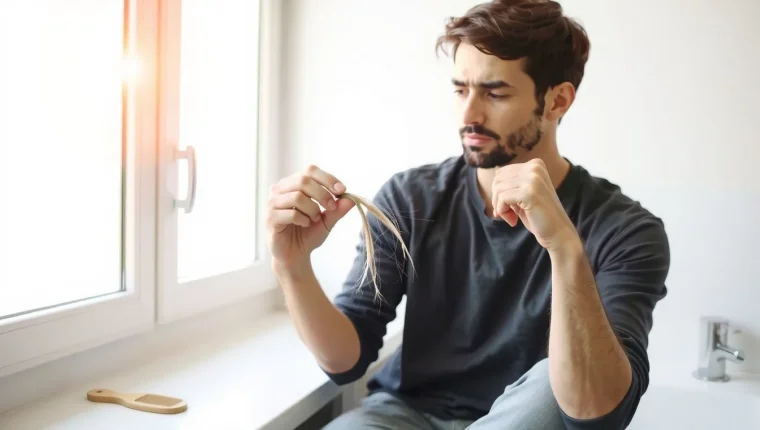
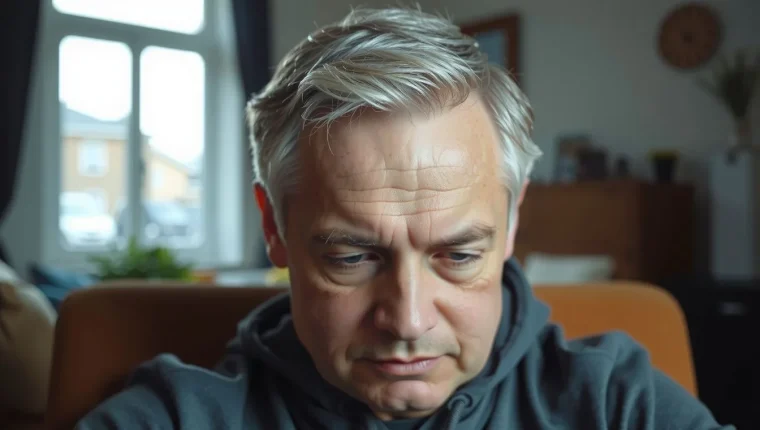
You notice it first in the brush, then at your part, then in photos taken a year apart. Thinning hair raises a question: can it grow back? The answer is that hair loss is reversible in some cases and not in others; the difference is cause and timing. Hair that thins because of a temporary trigger often returns once that trigger is removed. Hair lost to permanent follicle damage does not. Doctors make this distinction by looking at the type of hair loss, how long it has been active, and whether the follicles are still alive. Knowing your category clarifies the answer.
What Doctors Mean by Reversible Hair Loss
When doctors describe hair loss as reversible, they are talking about the hair follicle, not the strand you see in your brush. Each follicle cycles through growth, rest, and shedding. In many forms of thinning, the follicle does not die; it miniaturizes. It shrinks, produces a finer and shorter hair, and eventually may stop producing a visible strand at all. Crucially, that follicle is still alive and retains the cellular machinery to rebuild a full hair. A dormant follicle can wake up; a follicle that has been replaced by scar tissue cannot.
This distinction is the dividing line in every prognosis. Before offering any outlook, doctors assess whether the follicle unit still exists and whether inflammation, scarring, or permanent damage has taken its place. They look at the pattern and density of thinning, the condition of the scalp, and the presence of living follicles within the affected area. If the structure is intact, the loss is considered potentially reversible. If the follicle has been destroyed, regrowth from that site is not expected.
That standard explains why the same complaint can carry two very different outcomes, and it sets the terms for everything that follows.
Types of Hair Loss That Can Grow Back

Doctors group the recoverable cases by what is driving the shedding, not by the name of the diagnosis. The first category is telogen effluvium, a temporary shedding triggered by physical or emotional stress, a high fever, surgery, or rapid weight loss. The follicles are not damaged; they simply shift into a resting phase and release hair earlier than usual. Once the trigger passes, the growth cycle usually resumes on its own.
A second group involves nutritional and hormonal shifts. Low iron stores, thyroid imbalance, and the drop in estrogen after childbirth or during menopause can all thin the hair. Here the follicle remains capable of producing a normal strand, but the environment supporting it has changed. Correcting the underlying deficiency or hormonal state often allows density to return.
Early pattern thinning sits in a different place. In androgenetic alopecia, the follicle gradually miniaturizes rather than dies, which is why the earliest stages respond best. The hair is still being made, just in a smaller and thinner form.
The shared thread is that none of these types destroy the follicle itself. Regrowth depends on removing or managing the trigger, which is why recognising the pattern early matters more than choosing a product.
Conditions Where Regrowth Is Unlikely
Not every type of hair loss carries a realistic chance of regrowth. The clearest example is scarring alopecia, a group of conditions in which inflammation permanently destroys the hair follicle itself. Once a follicle is replaced by scar tissue, no strand can grow from it again, because the structure that produced hair no longer exists. This is different from the dormant follicles seen in pattern hair loss, which can still be reactivated under the right conditions. Here the follicle is gone, not sleeping.
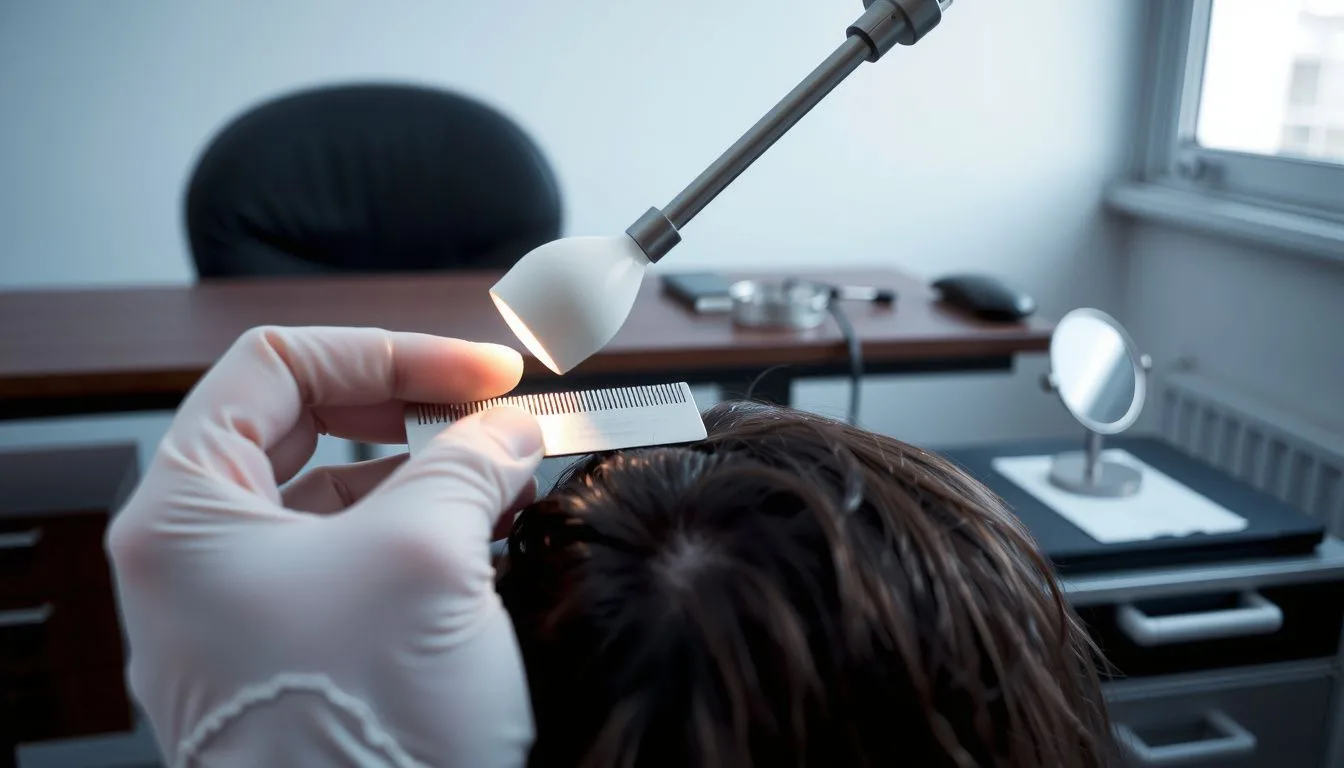
Doctors confirm this by examining the scalp closely, often with a dermatoscope, looking for loss of follicular openings, redness, scaling, or smooth, shiny skin where hair once grew. A scalp biopsy can provide further certainty when the diagnosis is unclear. Other situations with a poor regrowth outlook include long-standing traction alopecia, where years of tension have scarred the roots, and permanent damage from burns, injury, or certain infections.
It is important to understand that “unlikely” refers to regrowth, not to the entire situation. Even when new hair will not return, treatment may still slow or stop further loss and protect the follicles that remain. That distinction matters, and it is where the next stage of care often focuses.
How Early Treatment Changes the Outcome
The timing of intervention often matters more than the specific cause of hair loss. Many conditions that doctors classify as reversible are only reversible within a certain window. The reason lies in how follicles miniaturize over time. A follicle affected by androgenetic alopecia, for example, does not vanish overnight. It shrinks gradually, producing thinner and shorter hairs with each growth cycle. At month two, that follicle is still alive and capable of producing a normal hair if the underlying trigger is addressed. At year five, the same follicle may have miniaturized to the point where it no longer produces visible hair at all.
This progression explains why the same diagnosis can lead to very different outcomes depending on when a person seeks help. Early evaluation allows a doctor to identify whether follicles are still active, which determines what is recoverable. Waiting does not simply delay treatment; it can permanently reduce the number of follicles that will ever respond. For anyone noticing thinning, the practical takeaway is straightforward: assessment early, while the follicles are still present, gives the best chance of regrowth.
Medical Treatments That Restore Hair Growth
Medical treatment for hair regrowth generally works by interrupting whatever is driving the loss. The most widely used oral option, minoxidil, extends the growth phase of the hair cycle, which is why it can thicken existing strands and lengthen the time they stay in place. It tends to suit diffuse thinning and early pattern loss rather than bare, smooth scalp.
Hormone-directed treatments work differently. Finasteride and similar drugs block the conversion of testosterone into the androgen that miniaturizes follicles in genetically prone men, so they are matched to androgenetic pattern loss rather than to stress-related shedding. Because they act on a hormonal pathway, they require a prescription and ongoing medical review.
Procedural options form a third family. Platelet-rich plasma injections and low-level laser therapy are used to stimulate activity in follicles that are still present but underperforming, while hair transplantation moves follicles rather than reviving them. These approaches suit different situations, and none of them restores growth where the follicle itself is gone.
What ties all of these together is assessment. A clinician confirms the type of loss, checks for treatable causes, and then matches the treatment to it. Used without that step, even effective options can be applied to the wrong problem.
FAQs
Can hair loss from stress or poor diet grow back on its own?
Yes, hair loss caused by stress or poor diet is often reversible because these factors disrupt the hair growth cycle rather than permanently destroying the follicles. Once the underlying trigger is resolved, such as managing stress or correcting nutritional deficiencies, hair typically begins to regrow on its own within a few months. However, regrowth depends on how long the trigger persisted and whether any underlying genetic or medical condition is also present.
Which types of hair loss are permanent even with treatment?
Cicatricial alopecias, including lichen planopilaris and frontal fibrosing alopecia, are permanent because the hair follicle is destroyed and replaced by scar tissue. Androgenetic alopecia becomes largely permanent once follicles miniaturize and stop producing visible hair, so treatment mainly preserves existing hair rather than restoring what is already lost. In both cases, early intervention offers the best chance of limiting further loss, but regrowth in scarred or long-dormant areas is generally not achievable.
How soon can you tell if is hair loss reversible after starting a new routine?
Most people need at least three to six months of consistent treatment before they can judge whether hair loss is reversible, since hair grows slowly and shedding often continues briefly before improving. Noticeable regrowth or reduced shedding typically appears within six to twelve months, depending on the cause and the routine used. If there is no change after a full year of proper use, the loss may be permanent or the underlying cause may need medical evaluation.