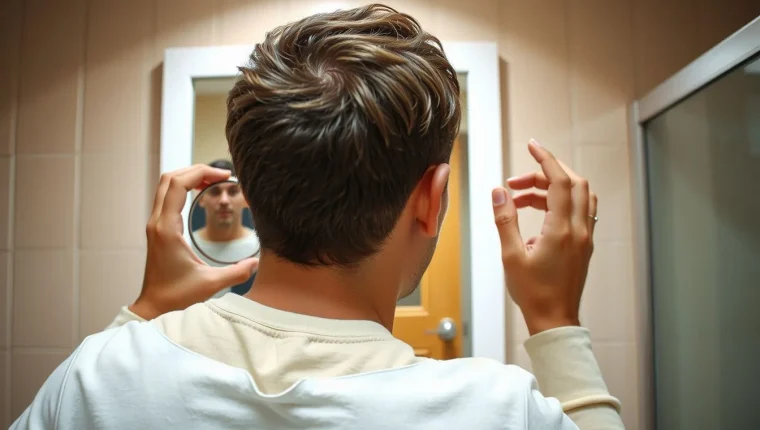
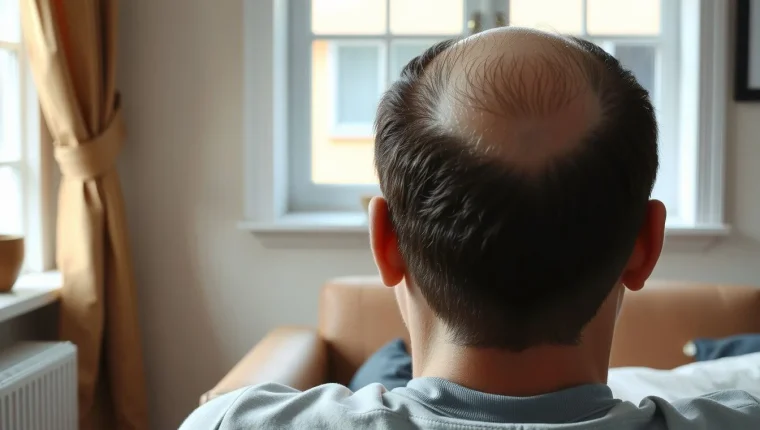
Noticing more hair in your brush, on your pillow, or circling the shower drain is unsettling, and it rarely resolves on its own once a pattern sets in. Many adults wait months before acting, assuming the shedding is temporary or stress-related. That delay has a cost: the earlier you have a hair loss consultation, the more treatment options remain available, because thinning hair is often easier to preserve than to regrow.
A first consultation is a structured evaluation, not a sales pitch. Its purpose is to identify the type and cause of your hair loss, rule out medical triggers such as thyroid disorders, nutritional deficiencies, or medication side effects, and establish a baseline for tracking change. The visit typically combines a conversation about your history with a physical examination of your scalp and hair. Understanding this process in advance helps you arrive prepared, ask better questions, and leave with a clear plan rather than vague reassurance.
Recognizing the Early Signs That Warrant a Hair Loss Consultation

It helps to start with a baseline: most adults lose somewhere between 50 and 100 hairs a day, and that shedding is spread evenly rather than concentrated in one spot. You may notice this more on wash days or when you change how you style your hair, which is normal. The concern begins when the pattern shifts. A widening part, a thinning crown, a receding hairline, or a noticeable drop in overall density over a few months is not routine turnover. Neither is shedding that comes out in clumps, or hair that breaks off before it reaches full length.
Scalp condition matters just as much as the hair itself. Persistent itching, burning, flaking, redness, or patches of smooth, bare skin point toward an underlying scalp or medical condition rather than ordinary aging. Sudden, diffuse shedding after illness, surgery, major stress, or a change in medication follows a different timeline and often reverses on its own, but it still deserves a look if it continues.
Timing shapes what can be done. Conditions caught early tend to respond better, and some forms of hair loss can become permanent once the follicle scars over. Waiting to see if it resolves can quietly close off options that were available months earlier.
How to Prepare Your Medical and Family History Before the Appointment

A single scalp exam can only reveal so much; the story behind your hair often lives in your broader health record. Gathering a personal and family medical history before the appointment gives your specialist the context needed to interpret what they see and to narrow down likely causes faster.
Bring the following information in written form so nothing important gets lost in conversation:
- Past and current conditions: Note thyroid disorders, anemia, autoimmune diseases, hormonal imbalances, or recent illnesses and surgeries.
- Medications and supplements: List everything you take, including dosages, plus any recent changes or stopped prescriptions.
- Hair and scalp habits: Record how often you wash, color, heat-style, or tightly braid your hair, and any treatments already tried.
- Family patterns: Describe hair thinning or loss in parents, siblings, or grandparents, and the approximate age it began.
- Lifestyle and timing: Mention major stress, diet changes, or weight shifts in the months before shedding started.
Organizing these facts in advance shortens the path to a working diagnosis and helps your specialist decide which assessments are worth pursuing.
What Happens During the Initial Scalp and Hair Assessment
The visit usually begins with a focused conversation rather than a physical exam. Your specialist will ask you to describe when you first noticed the change, whether shedding is diffuse or concentrated in certain areas, and how your scalp feels day to day. This interview frames the problem and tells the clinician where to look first. If you prepared notes on your history, this is the moment to share them.
The examination itself is straightforward and non-invasive. Using good lighting and often a magnifying tool, the specialist inspects your scalp for redness, scaling, inflammation, or thinning patches, then compares hair density across different regions. They may gently pull a small cluster of hairs to see how many come away, and they will note the hair growth cycle pattern visible at the roots. Density, distribution, and scalp condition are all recorded so that changes can be tracked over time.
Once the assessment is complete, your specialist should explain what they observed in plain language and invite your questions. Ask what the pattern suggests, whether any areas need closer attention, and what the next step will be. Understanding these findings helps you follow the reasoning behind any tests or treatments that follow.
Diagnostic Tests and Questions Your Specialist May Recommend
Testing is not a routine checklist that every patient works through in the same order. Instead, your specialist selects specific evaluations to narrow down the possible causes of your hair loss and rule out conditions that would change the treatment approach. Each test answers a particular question, so the combination is tailored to your history and what the scalp assessment revealed.
Blood work is one of the most common directions. A complete blood count, ferritin, thyroid function, vitamin D, and hormone panels can reveal deficiencies, thyroid imbalance, or elevated androgens that disrupt the hair growth cycle. These results help clarify whether an internal factor is driving the shedding rather than a primary scalp disorder.
Scalp sampling, sometimes called a scalp biopsy, may be suggested when the pattern or appearance raises suspicion of scarring or inflammatory conditions. A small sample helps distinguish between conditions that look similar on the surface but require very different treatments. Pull and density checks offer another layer: a gentle pull test estimates how many hairs are actively shedding, while densitometry or photography measures thinning over time.
Not every reader will need every test. Your specialist builds the plan around your individual picture, and some results may lead to further questions rather than immediate answers.
Understanding Your Diagnosis and Building the First Treatment Plan
A diagnosis is not simply a label for hair loss; it identifies the type and the likely drivers behind it. Your specialist may describe a pattern such as androgenetic alopecia, telogen effluvium, or alopecia areata, and then connect it to what your history and test results suggest. That distinction matters because each cause responds differently, and the diagnosis is what determines which treatments are worth trying first.
From there, the first plan is built around the cause rather than around the symptom alone. A plan might combine a topical or oral medication, in-office treatments, nutritional correction if a deficiency was found, or a change in hair care habits that were contributing to breakage. Your specialist should explain what each part is meant to do and roughly how long before you might notice a difference. Hair grows slowly, so most treatments are judged over several months, not weeks.
Follow-up is where the plan proves itself. Your specialist will usually set a review point to check whether shedding has slowed, whether new growth is appearing, and whether side effects are manageable. If the response is slower or different than expected, the treatment plan is adjusted rather than abandoned. Knowing this in advance helps you judge progress realistically and stay with a plan long enough to give it a fair chance.
FAQs
What happens during a hair loss consultation and how long does it usually take?
During a hair loss consultation, the specialist reviews your medical history, examines your scalp and hair, and may run a trichoscopy or blood tests to identify the cause. You will then discuss possible treatment options, such as medication, PRP, or hair transplantation, along with realistic expectations. The appointment usually takes 30 to 60 minutes, depending on the tests performed and the complexity of your case.
Will the specialist examine my scalp or run tests before recommending any treatment?
Yes, a proper hair loss consultation typically includes a close examination of your scalp, hair density, and pattern of thinning. The specialist may also perform a pull test, trichoscopy, or blood work to rule out underlying conditions such as thyroid issues, anemia, or hormonal imbalances. These findings help determine the most appropriate treatment plan for your specific type of hair loss.
Should I stop using my current hair products or medications before the first appointment?
You should generally continue using your current hair products and medications as usual until your first consultation, since stopping them abruptly could affect your scalp or hair cycle and make the evaluation less accurate. However, bring a complete list of everything you use, including prescription drugs, supplements, and topical treatments, so the specialist can assess whether any of them influence your hair loss. If you are unsure about a specific medication, contact the clinic beforehand rather than changing your routine on your own. Any adjustments should be made only after the doctor reviews your history and examines your scalp.