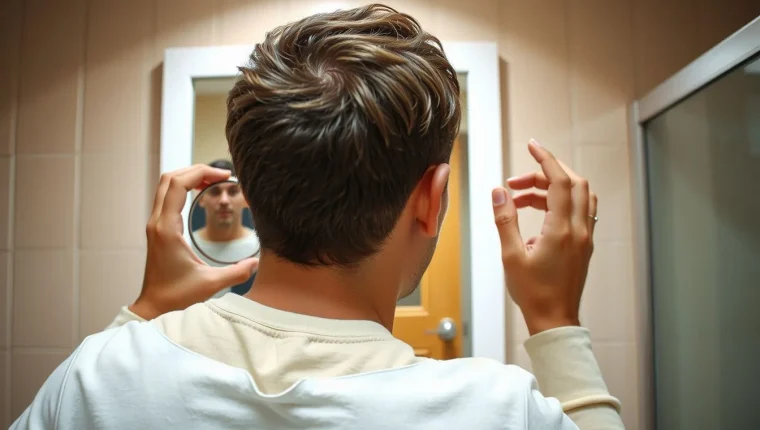
You run your hand through your hair and find more strands than usual. Maybe it started during a difficult stretch at work, a loss, an illness, or months of poor sleep. The timing feels suspicious, and the question is hard to ignore: is stress causing this? In many cases, the answer is yes. Stress induced hair loss is a recognized response to physical or emotional strain, and it usually appears weeks after the trigger rather than immediately. This type of shedding is usually temporary. Hair growth runs in cycles, and stress can push more follicles than normal into a resting phase. Once that pressure eases, the cycle can recover, though not overnight.
How Stress Affects the Hair Growth Cycle

Hair does not grow continuously. Each follicle moves through a repeating cycle with three phases: anagen, the active growth stage that can last several years; catagen, a short transition of a few weeks; and telogen, a resting phase of roughly three months before the strand is released and the cycle restarts. At any given moment, most follicles are in anagen, which is why hair normally appears stable, while a small percentage sit in telogen and shed on a rolling basis.
What matters here is how stress disrupts that balance. A significant physical or emotional stressor can push an unusually large number of follicles into the resting phase at roughly the same time. Because telogen lasts around three months, those hairs do not fall immediately. They stay in place until the resting period ends, then release together.
This synchronized shift, known as telogen effluvium, explains the timing that so often confuses people. The shedding appears weeks or even months after the stressful event, not during it, which makes the loss feel disconnected from its cause. Understanding this delay is the key to reading your own timeline correctly.
Warning Signs: Recognizing Stress-Related Shedding
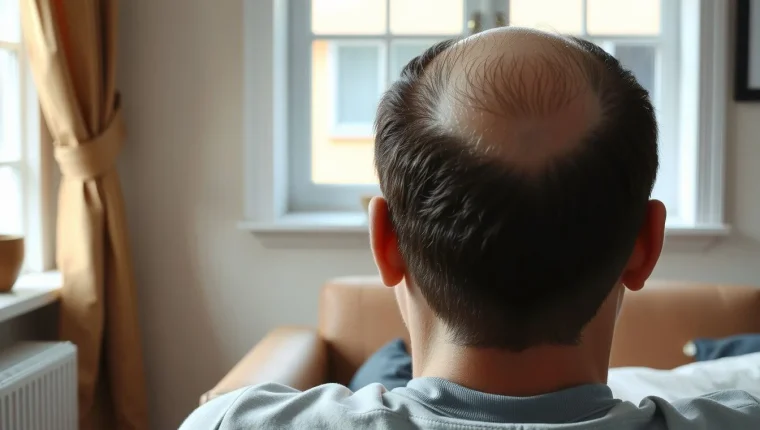
Stress-related shedding rarely announces itself with a dramatic single event. Instead, it tends to show up as a gradual, diffuse thinning spread evenly across the scalp, rather than concentrated in one bald spot. You may notice more strands than usual in your brush, on your pillow, or circling the shower drain, and your part may look slightly wider without any obvious patch of missing hair.
Timing is often the clearest clue. Because the growth cycle shifts before hair actually falls, shedding typically begins roughly two to three months after the stressful period — a divorce, surgery, illness, job loss, or intense emotional strain. That delay can make the connection easy to miss, since the trigger may feel like old news by the time you notice the loss.
Other patterns point in different directions. Patchy, sharply defined bald spots, a receding hairline, or visible scalp inflammation, scaling, or itching are less consistent with a stress response and deserve a closer look. If your shedding is sudden, severe, or accompanied by fatigue, weight changes, or other systemic symptoms, those are signals to have a professional assess the picture rather than assume stress is the cause.
The Role of Cortisol in Slowing Hair Regrowth

Cortisol is the body’s primary stress hormone, and it is designed for short bursts of demand — not for the weeks or months of sustained pressure that many people experience. When levels stay elevated, the body prioritizes functions essential to immediate survival, such as cardiovascular output, alertness, and energy mobilization, while diverting resources away from what it treats as non-essential. Hair follicle activity falls into that second category. The follicle is metabolically active during growth, and when the system is under constant stress signaling, that activity is effectively deprioritized.
The result is that follicles remain in a resting state longer than they normally would. Even after the stressful period passes and shedding begins to subside, regrowth does not start immediately, because the follicle must first re-enter the growth phase. This lag is a key reason recovery feels slow: sustained cortisol elevation keeps follicles paused, so the visible return of hair trails well behind the point at which the stress itself has eased.
Importantly, this pause is a functional state, not permanent damage. Once the stress load decreases, follicles are capable of re-entering growth, and the waiting period is best understood as recovery rather than loss. That distinction matters, because it means the timeline is influenced by how quickly the stress response settles — not by whether the follicle can still produce hair at all.
Nutrition and Lifestyle Changes That Support Recovery
Nutrition and lifestyle habits cannot reverse shedding on their own, but they can give follicles the raw materials and stable conditions they need during the regrowth window. The most important principle is consistency rather than intensity: hair is a non-essential tissue, so when intake of key nutrients is marginal, the body diverts them elsewhere first. A balanced, nutrient-dense diet supports the follicle cycle more reliably than any single supplement.
- Protein: Hair is largely keratin, so aim for a palm-sized portion of protein at each meal — eggs, fish, poultry, legumes, or dairy.
- Iron and ferritin: Low iron stores are a common and easily missed contributor to shedding; pair plant iron with vitamin C to improve absorption.
- Vitamin D and zinc: Both play roles in follicle cycling, and deficiency is common in people with limited sun exposure or restricted diets.
- Sleep: Seven to nine hours a night helps regulate the same stress response that slows regrowth.
- Gentle hair handling: Avoid tight styles, harsh brushing, and frequent heat or chemical treatments while follicles are recovering.
Sustainable stress management — regular movement, breathing practice, or simply protecting time to rest — matters because it reduces ongoing strain rather than undoing damage already done. Treat these steps as support for recovery, not a cure: they work alongside time, and if shedding persists despite them, that is a signal to seek professional assessment rather than to try harder on your own.
Medical Treatments and When to Seek Professional Help
Self-care has limits, and knowing where they sit protects you from months of unnecessary worry. A professional evaluation is warranted if shedding continues well beyond the expected recovery window — generally more than six months after the stressful trigger has eased — or if the loss is accompanied by scalp itching, burning, pain, scaling, or patchy bald spots that suggest something other than a stress response. Seek medical advice sooner if you also notice fatigue, unusual weight changes, or menstrual irregularities, since these point toward thyroid, iron, or hormonal contributors that require their own treatment.
When you do see a clinician, expect a structured approach rather than a single prescription. A dermatologist or physician will typically review your history, examine the scalp, and may order blood tests for ferritin, thyroid function, vitamin D, and zinc to rule out overlapping causes. Depending on findings, treatment options can include topical minoxidil to support the regrowth phase, prescription medications in selected cases, or correction of an underlying deficiency. Platelet-rich plasma and low-level laser therapy are sometimes discussed as adjuncts, though evidence and suitability vary by individual.
Most stress-related shedding does recover, so booking an appointment is a route to clarity, not a sign that your situation is worse than you feared.
FAQs
Can stress induced hair loss become permanent if left untreated?
Stress induced hair loss is typically temporary because it pushes hair follicles into a resting phase rather than destroying them, so regrowth usually occurs once the stressor is resolved. However, if the underlying stress or related conditions like chronic telogen effluvium go untreated for a long time, the shedding can persist and recovery may become slower or incomplete. In rare cases, ongoing stress can aggravate genetic or hormonal hair loss, which may look permanent without treatment. Seeking early intervention and managing stress are the best ways to protect long-term hair regrowth.
How long does it usually take to see hair regrowth after stress related shedding stops?
Once the stress trigger is removed, stress-induced shedding typically slows within a few weeks and stops after about three to six months. Because hair grows in cycles, visible regrowth usually becomes noticeable three to six months after shedding ends, though it can take up to a year for density to fully recover. Following a consistent scalp-friendly routine and managing stress support faster, more reliable regrowth.
Which treatments or habits are most effective for regrowing hair lost to stress induced hair loss?
The most effective approach for stress induced hair loss is to remove the underlying trigger by managing stress through sleep, exercise, and relaxation techniques, since hair typically regrows on its own once the stressor resolves. Gentle scalp care, a balanced diet rich in protein, iron, zinc, and vitamin D, and avoiding harsh styling or tight hairstyles all support healthy regrowth. If shedding persists beyond several months or does not improve, a doctor may recommend treatments such as minoxidil or address other conditions like telogen effluvium or alopecia areata.