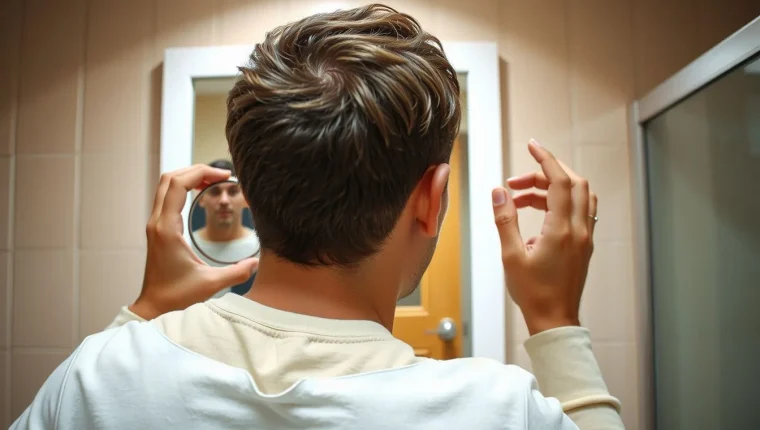
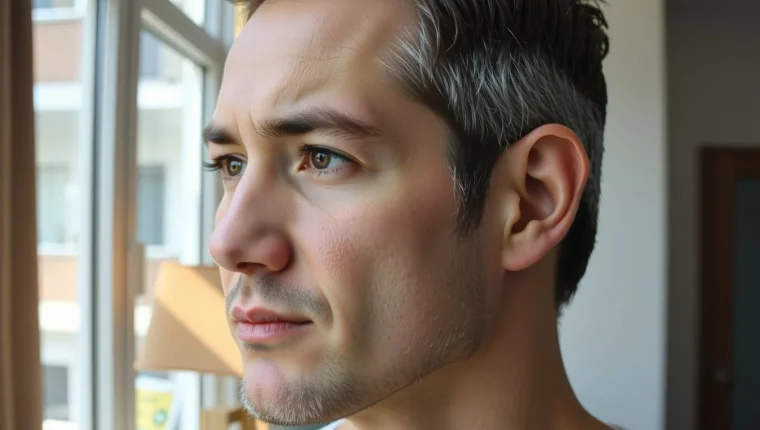
A V-shaped hairline is common, and many adults who notice one at the temples wonder whether it signals the start of balding. The honest answer is that widows peak hair loss is not a single condition, and the shape alone rarely tells you what is happening. A widow’s peak is a hairline form; hair loss is a process that changes density and position over time. Those are two different questions, and they need two different answers. What matters most is not how your hairline looks today, but whether it has shifted, thinned, or receded compared with a year ago.
What a Widow's Peak Actually Is and How It Differs From a Receding Hairline
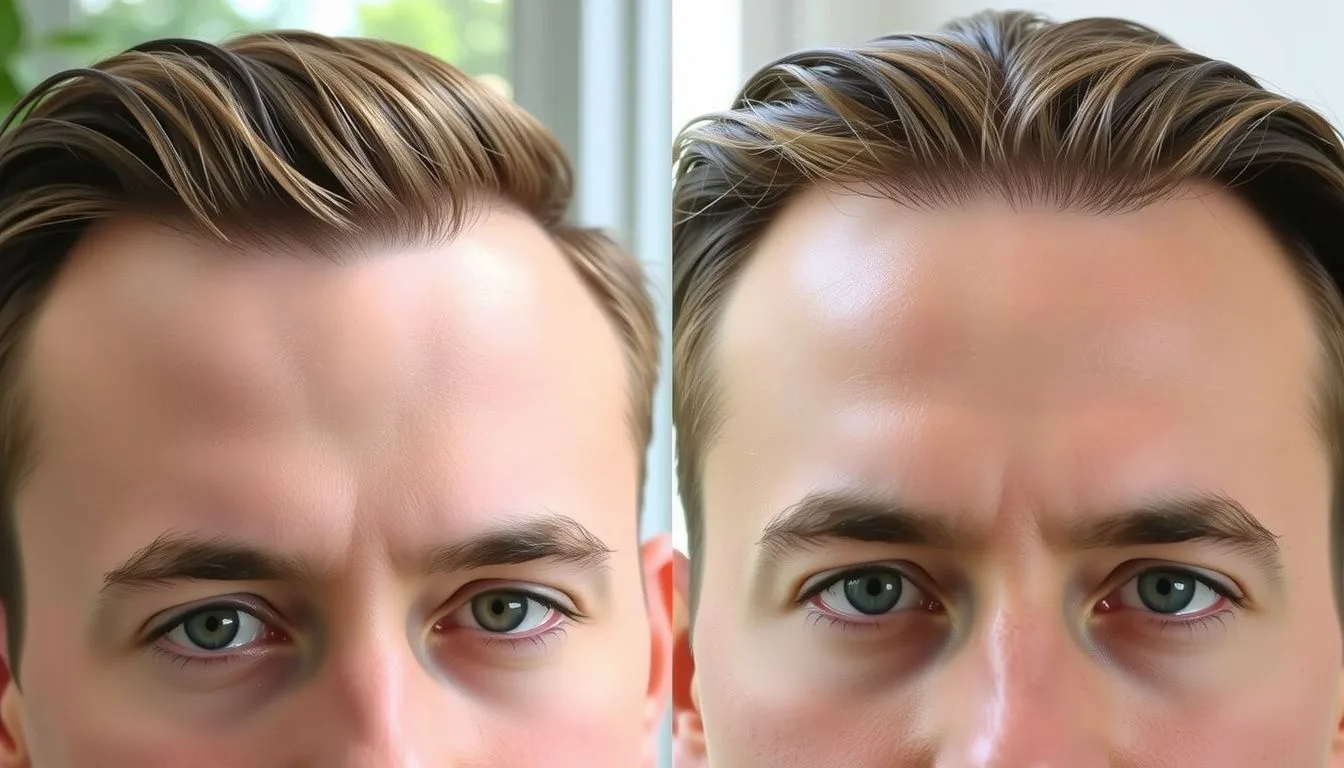
A widow’s peak is an anatomical feature, not a condition. It describes a hairline shape in which the central portion dips downward into a distinct V, while the corners at the temples sit higher and further back. This contour is determined by where hair follicles are genetically programmed to grow, and it is present from childhood onward. The key word is shape: a widow’s peak is a fixed outline, not an activity happening to your hair.
A receding hairline works differently. Here the temples do not simply sit higher by design; they gradually move backward over time as follicles miniaturize and stop producing visible hair. The change is progressive and directional, which is why people often notice it through comparison, such as an old photograph or a shifting hairline in the mirror. A widow’s peak can be present in someone whose hairline is completely stable, and a receding hairline can develop in someone who never had a pronounced V to begin with.
The practical distinction comes down to movement. A widow’s peak is static and inherited; recession is an active process that changes the hairline’s position. If the central V has always looked the same, you are likely observing anatomy rather than loss.
When a Widow's Peak Signals Normal Genetics Rather Than Hair Loss
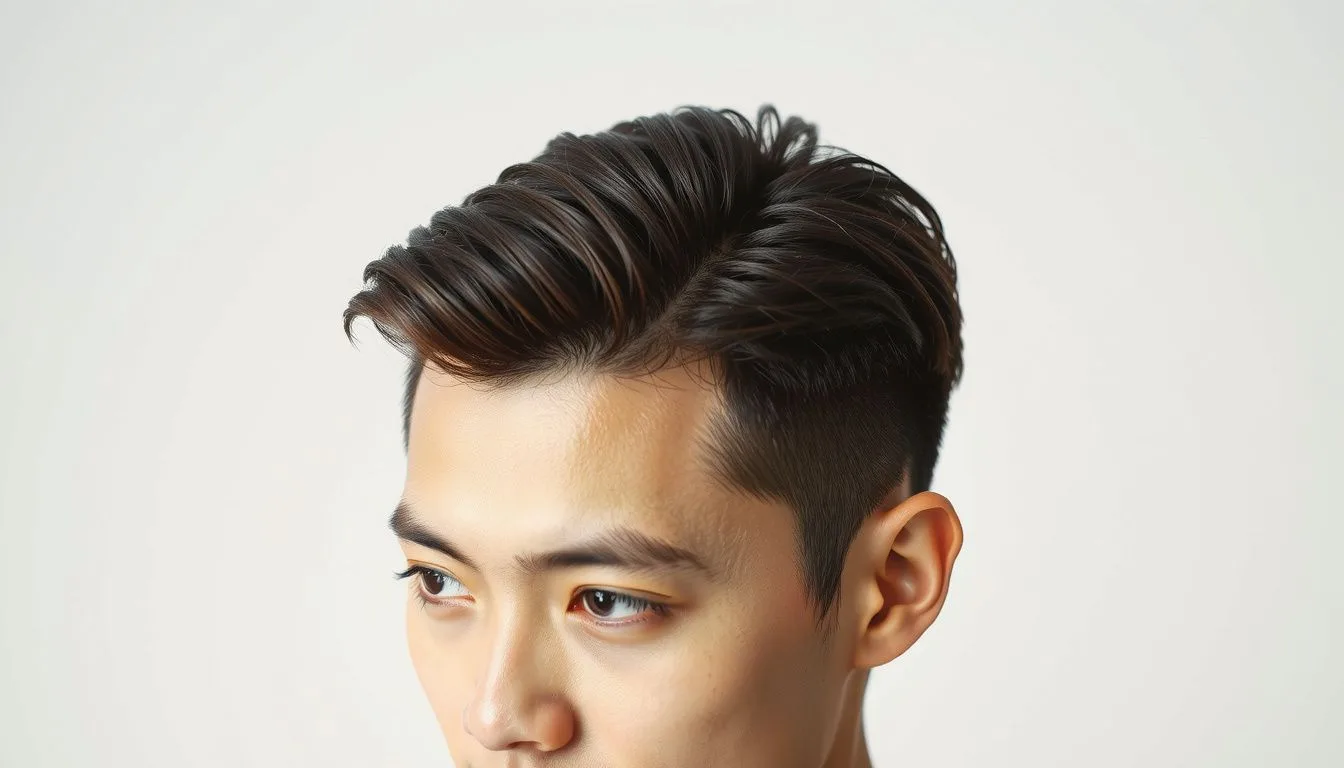
A widow’s peak is best understood as a polygenic trait, meaning it is shaped by many genes working together rather than a single inherited switch. It is present from early development, not something the hairline acquires later, and it appears across populations and in people who never experience significant hair loss. In other words, the V-shape itself is a variation in hairline design, not a defect or a warning sign written into your genes.
Having this trait does not predict baldness on its own. The genetics behind hairline shape and the genetics behind androgen-driven follicle miniaturization are largely separate stories, so a widow’s peak tells you very little about your future density. The practical catch is visibility: because the temples already sit higher, early thinning there can blend into the existing shape and become harder to notice.
A simple self-check helps separate the two. Ask whether your hairline has actually changed over time or whether it has always looked this way. If photographs from years ago show the same outline, you are most likely looking at inherited anatomy rather than an active process.
How Hormones and Aging Affect Hair Loss at the Temples
Hairline shape and hairline change are governed by different forces. Even a clearly inherited widow’s peak can sit above follicles that are quietly shrinking, because the mechanism behind patterned temple loss is not shape at all. It is androgen sensitivity. Circulating androgens, chiefly dihydrotestosterone, bind to receptors in genetically susceptible follicles along the temples and frontal hairline. Where that sensitivity is inherited, follicles gradually miniaturize: each growth cycle produces a thinner, shorter strand until the follicle stops producing visible hair. The skin itself looks unchanged, which is why temple thinning often goes unnoticed until density has already dropped.
Aging works alongside this process. Hair spends less time in the active growth phase and more in the resting phase, so regrowth slows and overall density declines. This gradual shift is normal maturation and affects the whole scalp, not just the temples. Active miniaturization is different: it is localized, progressive, and tied to androgen exposure rather than to time alone.
These two processes can overlap in the same hairline. A widow’s peak may remain prominent while the hair around it thins, and its shape can even mask early recession by keeping the central point intact. That is why a stable V-shape says little about what is happening at the follicles beneath it.
Distinguishing a Mature Hairline From Early Signs of Male Pattern Baldness
A mature hairline is best understood as a modest, one-time shift rather than an ongoing process. Many men experience a slight deepening at the temples during their twenties or thirties, after which the hairline settles into a stable position and stops moving. This change is typically symmetrical, gradual, and limited in extent. Crucially, it plateaus: once the new shape is established, no further recession occurs, and hair density behind the front line remains unchanged.
Early male pattern baldness behaves differently. Instead of stabilizing, the hairline continues to recede year after year, often unevenly, with one temple advancing faster than the other. Thinning may extend backward from the temples into the mid-scalp, and the crown can begin to show reduced density at the same time. Another observable marker is miniaturization—hairs along the front and temples become finer, shorter, and less pigmented before they disappear entirely. This gradual shrinking of individual follicles distinguishes true pattern loss from a fixed hairline shape.
Photographic comparison is one of the most reliable self-assessment tools. Taking clear, consistent photos every three to six months under similar lighting and angles reveals whether the hairline is holding steady or continuing to retreat. When recession persists across multiple checkpoints, when thinning appears behind the temples, or when the crown becomes involved, the pattern suggests evaluation rather than continued observation.
Treatment Options and When to Seek Professional Evaluation
Treatment is organized by what it is meant to accomplish, not by brand name. Topical and oral medications aim to slow loss and partially restore density by acting on the underlying drivers of follicle thinning. Procedural options, such as hair transplantation, move existing healthy follicles to areas of thinning and are best suited to stable, well-defined patterns rather than active, spreading loss. Cosmetic approaches address hairline shape itself, softening a pronounced V or filling temple corners without changing the biology of the hair.
Because response depends heavily on cause, diagnosis precedes treatment choice. A treatment that works well for one pattern may do nothing for another, and using the wrong approach can waste months before the real problem is addressed. This is why a professional evaluation is not a formality but the step that determines which option is appropriate.
Self-monitoring makes sense for gradual, stable changes. Seek a clinician when loss is rapid, patchy, or accompanied by scalp itching, pain, or other symptoms. Those features point toward causes that need medical assessment rather than cosmetic management.
FAQs
Is a widows peak hair loss a sign of male pattern baldness or just a natural hairline shape?
A widow's peak is most often a natural hairline shape determined by genetics, not a sign of male pattern baldness by itself. It only becomes a concern when the hairline recedes further, the peak deepens over time, or thinning appears along the temples and crown. In male pattern baldness, this inherited hairline shape can simply serve as the starting point from which additional shedding progresses.
Can a widows peak hair loss be reversed with treatments like minoxidil or finasteride?
Whether treatments like minoxidil or finasteride can reverse a widow's peak depends on the cause, since a widow's peak is often a natural hairline shape rather than true hair loss. If the recession stems from androgenetic alopecia, finasteride may slow or partially reverse it, and minoxidil can support regrowth, though results vary and a naturally positioned widow's peak cannot be changed by these medications. A proper diagnosis from a dermatologist is the best way to determine whether the hairline change is genetic, hormonal, or simply your natural hair pattern.
How can you tell the difference between a normal widows peak and actual hair loss?
A natural widow's peak is a stable, V-shaped hairline that has been present since childhood and does not change over time. Actual hair loss, by contrast, involves progressive thinning or recession at the temples or along the frontal hairline, often with increased shedding, a widening part, or a noticeable change from photos taken months or years earlier. You can also compare the density and texture of the hair at the peak: healthy widow's peak hair remains thick and consistent, while early-stage loss shows miniaturized, finer hairs at the edges. If the hairline is actively receding or you notice a family history of pattern baldness, a dermatologist can confirm whether it is a normal hairline shape or androgenetic alopecia.