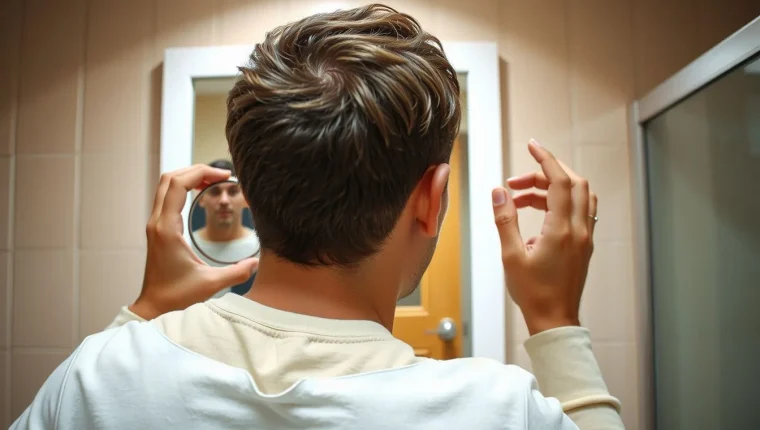
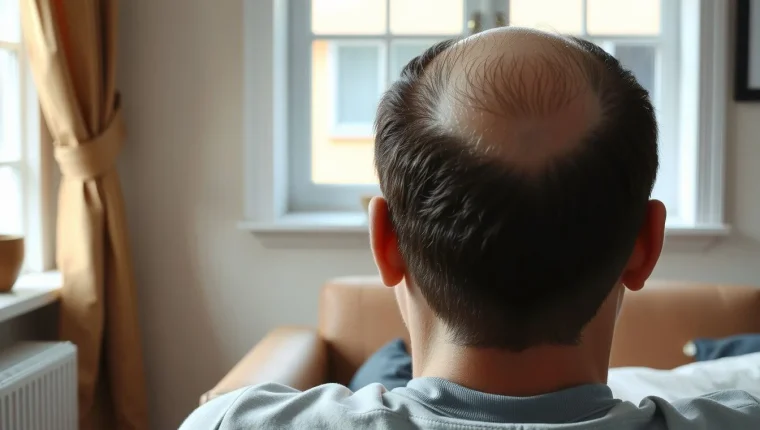
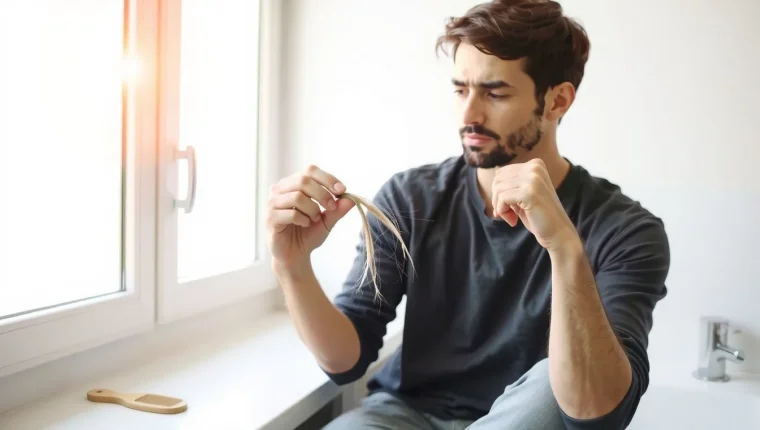
More hair in the drain or a thinner crown can raise a quiet question: could hormonal changes be involved? For men, the word menopause rarely enters the conversation, but the same shift in sex hormones that reshapes hair in women can also affect alopecia in men. Androgen levels, estrogen balance, and hair follicle responses to both change with age, which can accelerate shedding or slow regrowth. The confusion is understandable, because the pattern is rarely sudden or uniform. Some men see diffuse thinning; others see a receding hairline that worsens over months. Understanding whether menopausal hormonal transitions play a role means examining how hair cycles respond to shifting hormones, what patterns emerge, and which treatments remain safe and effective during this stage.
Understanding the Link Between Alopecia and Menopause
Menopause is often framed as a female milestone, yet the hormonal transition it describes—a gradual decline in circulating sex steroids and a shift in the balance between them—is not exclusive to one sex. Men experience a comparable endocrine drift as testosterone and other hormones fluctuate and fall with age. Because hair follicles are hormone-sensitive mini-organs, they respond to these shifts, which is why alopecia and menopause are discussed together rather than treated as unrelated events.
The hair follicle cycle depends on a stable hormonal environment. Growth (anagen), transition (catagen), and rest (telogen) phases are coordinated by androgens, estrogens, and the signaling that balances them. When that balance is disturbed, more follicles may be pushed prematurely into the shedding phase, and new growth may emerge thinner or slower. This hormonal imbalance is the conceptual bridge between menopausal change and visible hair loss.
The link is therefore plausible and multifactorial. Genetics, age, stress, and overall health all interact with hormonal shifts, so no single cause explains every case. Recognizing this complexity sets the stage for understanding the specific patterns that follow.
Types of Alopecia Triggered by Menopausal Changes

Menopausal hair loss is not a single condition, and recognizing which pattern applies to you is the first step toward understanding what may be happening. Two broad categories tend to appear or worsen during this transition, and they look quite different in everyday observation.
- Androgenetic alopecia: Gradual, patterned thinning that typically follows a recognizable shape, often starting at the crown or along the frontal hairline before spreading.
- Telogen effluvium: Diffuse shedding across the whole scalp, usually appearing as increased hair in the drain or on the pillow rather than a distinct bald patch.
- Frontal fibrosing alopecia: A scarring form marked by progressive recession of the frontal hairline, sometimes with itching or tenderness along the edge.
- Diffuse thinning without distinct pattern: General density loss that does not follow a clear shape, making it harder to classify by appearance alone.
The distinction matters because each type reflects a different underlying process, and the visible pattern is often the most useful clue you have. Overlap is common, however, and many people show features of more than one type at the same time. That is why matching your own observations to a specific category is a starting point rather than a conclusion, and why clinical assessment is needed to tell them apart.
Hormonal Mechanisms Behind Hair Loss in Men
Hair follicles are not passive structures waiting for hormones to act on them; they respond to hormonal signals through androgen receptors, and how strongly they respond depends largely on inherited sensitivity. Dihydrotestosterone (DHT), converted from testosterone by the enzyme 5-alpha reductase, binds to these receptors and gradually miniaturizes susceptible follicles, shortening the growth phase and producing finer, weaker strands over time. This is why two men with similar hormone levels can have very different hair outcomes: the deciding factor is often receptor density and follicular sensitivity, not circulating androgen levels alone.
During the menopausal transition, the balance between androgens and estrogens shifts. Estrogen has a protective, prolonging effect on the hair growth phase, so when estrogen declines, the relative influence of androgens becomes more pronounced. The result can be a shortened anagen phase, increased shedding, and accelerated miniaturization in follicles already genetically predisposed to it. In men, this shift may compound existing androgenetic patterns rather than create an entirely new one.
These mechanisms remain an active area of research, and the exact contribution of each hormonal pathway is still debated. Age, genetics, thyroid function, and stress all interact with the process, which is why individual experiences vary so widely and why assessment matters before drawing conclusions.
Diagnosing Alopecia During the Menopausal Transition
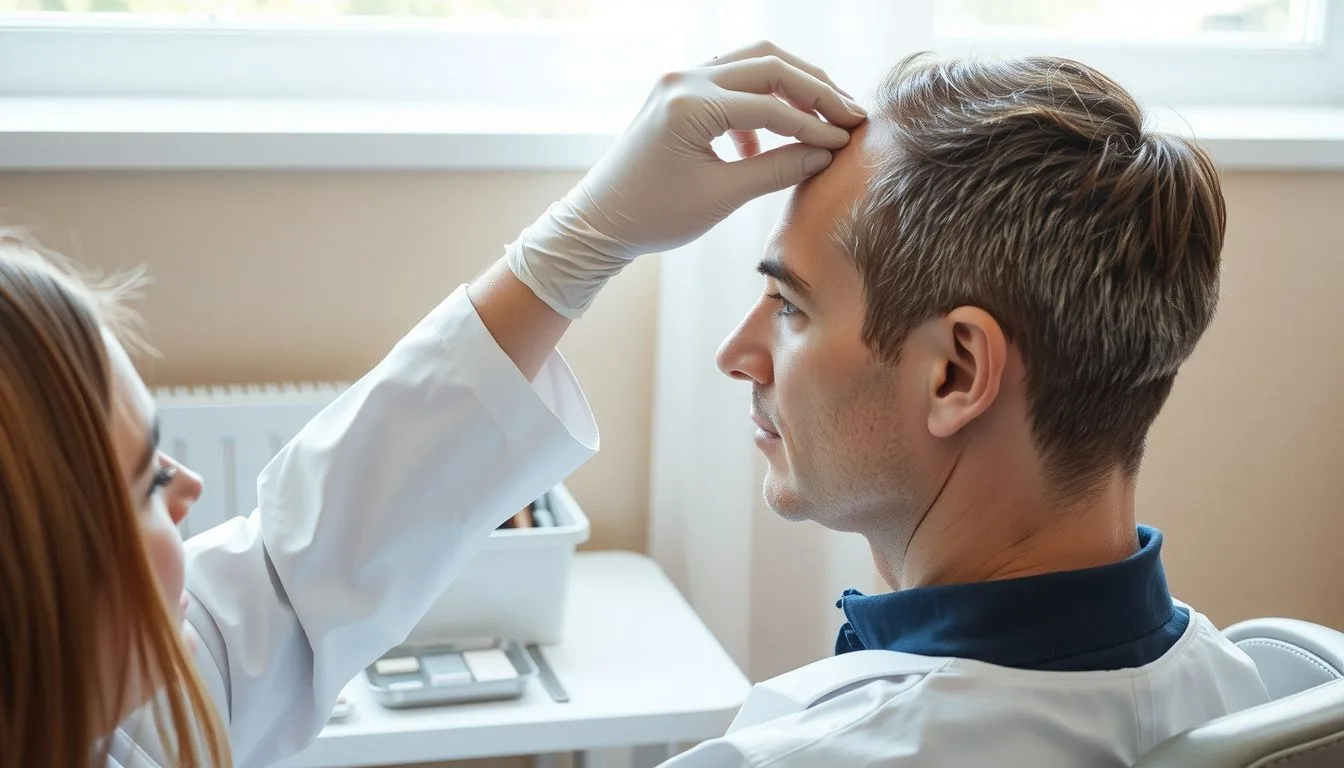
Self-diagnosis is unreliable because shedding during the menopausal transition rarely has a single obvious cause. A clinician begins by taking a structured history: when the shedding started, whether it is diffuse or patterned, how much scalp hair has changed, and whether there is itching, scaling, or pain. They will also ask about medications, recent illness, major stress, diet, thyroid disease, and family history of hair loss. Because several triggers can act at once, the history is what separates a hormonal pattern from a nutritional or inflammatory one.
Examination usually includes a scalp inspection and a pull test, in which gentle traction reveals how many hairs are in the telogen phase and ready to shed. A dermatoscope may be used to look at follicle openings, hair diameter variation, and signs of scarring. Blood tests commonly check ferritin, thyroid function, vitamin D, and reproductive hormones. These steps help distinguish androgenetic thinning from telogen effluvium or frontal fibrosing alopecia, since each has a different appearance and course.
An accurate diagnosis matters because it determines which treatment path is appropriate. A scarring condition, for example, needs early intervention to prevent permanent follicle loss, while a reversible shedding trigger may resolve once the underlying cause is addressed. Without this clarity, treatment becomes guesswork.
Treatment Options for Menopausal Alopecia
Treatment for menopausal alopecia generally falls into three broad directions: approaches that address the hormonal environment, therapies that directly stimulate hair growth, and supportive measures that protect the scalp and remaining follicles. The right combination depends heavily on which pattern was identified during evaluation, since androgenetic alopecia, telogen effluvium, and frontal fibrosing alopecia respond differently to the same interventions.
Hormone-oriented options aim to reduce the influence of androgens on sensitive follicles or to correct imbalances that may be driving shedding. Because the menopausal transition already involves shifting estrogen, progesterone, and androgen levels, any hormonal treatment must be weighed against cardiovascular, metabolic, and cancer-risk factors. This is why safety during hormonal transition is not a secondary concern but a central filter for every option.
Growth-stimulating treatments, including topical agents and certain oral medications, work on follicular activity rather than on hormones directly. Supportive measures such as gentle scalp care, nutritional adequacy, and stress management can reduce additional shedding and improve the scalp environment.
No single option is universally best. Choice should follow the confirmed diagnosis, the individual’s overall health status, and clinical guidance rather than symptom severity alone.
FAQs
Can menopause trigger or worsen hair loss in men?
Menopause is a female biological process and cannot occur in men, so it does not directly trigger or worsen hair loss in men. However, the hormonal shifts seen in aging men, particularly declining testosterone and changes in androgen activity, can contribute to androgenetic alopecia through a similar hormonal mechanism. In this context, any apparent link between menopause and male hair loss reflects shared age-related hormonal changes rather than a direct causal relationship.
How does androgenetic alopecia in men differ from menopause-related shedding?
Androgenetic alopecia in men is driven primarily by inherited sensitivity to dihydrotestosterone (DHT), producing a characteristic pattern of receding temples and thinning at the crown that can begin as early as the late teens or twenties. Menopause-related shedding, by contrast, results largely from declining estrogen and progesterone levels, which disrupt the hair growth cycle and typically cause diffuse thinning across the scalp rather than a defined pattern. Unlike the progressive, permanent miniaturization seen in male androgenetic alopecia, menopausal shedding is often temporary or stabilized once hormonal balance is addressed.
Which treatments are safe for hair loss during hormonal transition?
During hormonal transition, topical minoxidil remains the safest first-line option because it does not interfere with systemic hormone levels, and many clinicians also support low-level laser therapy as a non-hormonal adjunct. For androgen-related loss driven by testosterone or DHT shifts, oral finasteride or spironolactone may be prescribed, but only under medical supervision since these agents can interact with the transitioning hormone regimen. Before starting any treatment, a dermatologist should confirm the alopecia type and review it against the patient's current hormonal therapy.