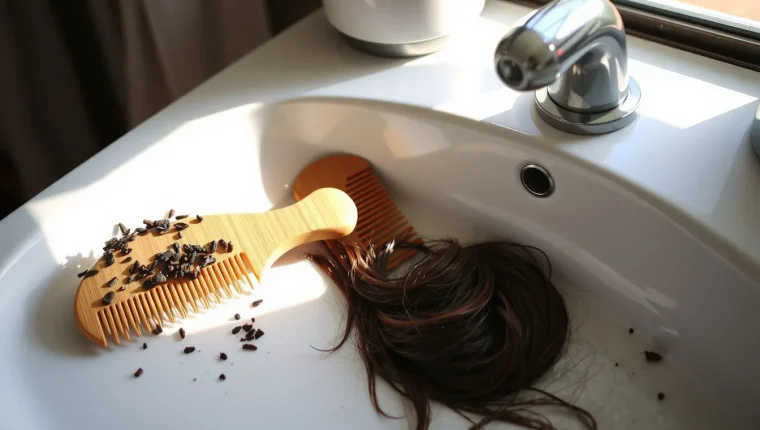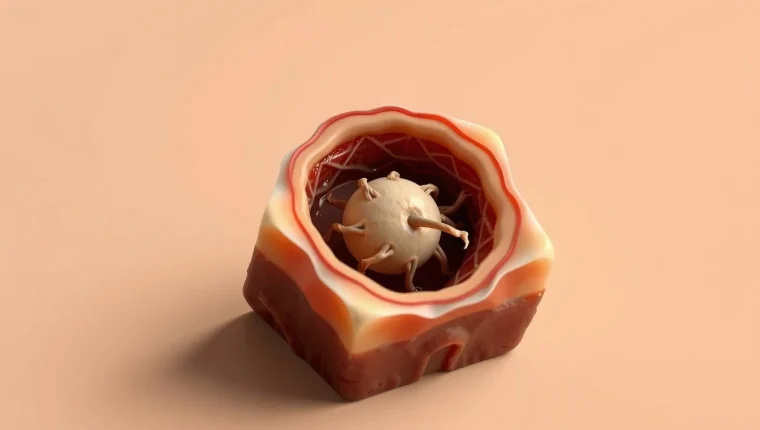
Hair loss can develop gradually or appear suddenly, making it difficult to know which solution is right for you. The first step is understanding what may be causing the change, whether it involves genetics, hormonal shifts, stress, nutrition, medication, or a scalp condition. Different causes require different approaches, so copying someone else’s treatment may not produce the same results. This guide explores practical hair loss solutions, from lifestyle adjustments and medical treatments to hair restoration procedures such as FUE and DHI. You will also learn how hair follicles, the donor area, grafts, recovery, and aftercare affect the outcome. Before choosing a treatment, knowing what is realistic—and when professional evaluation is necessary—can help you make a more informed decision.
Understanding the Main Causes of Hair Loss

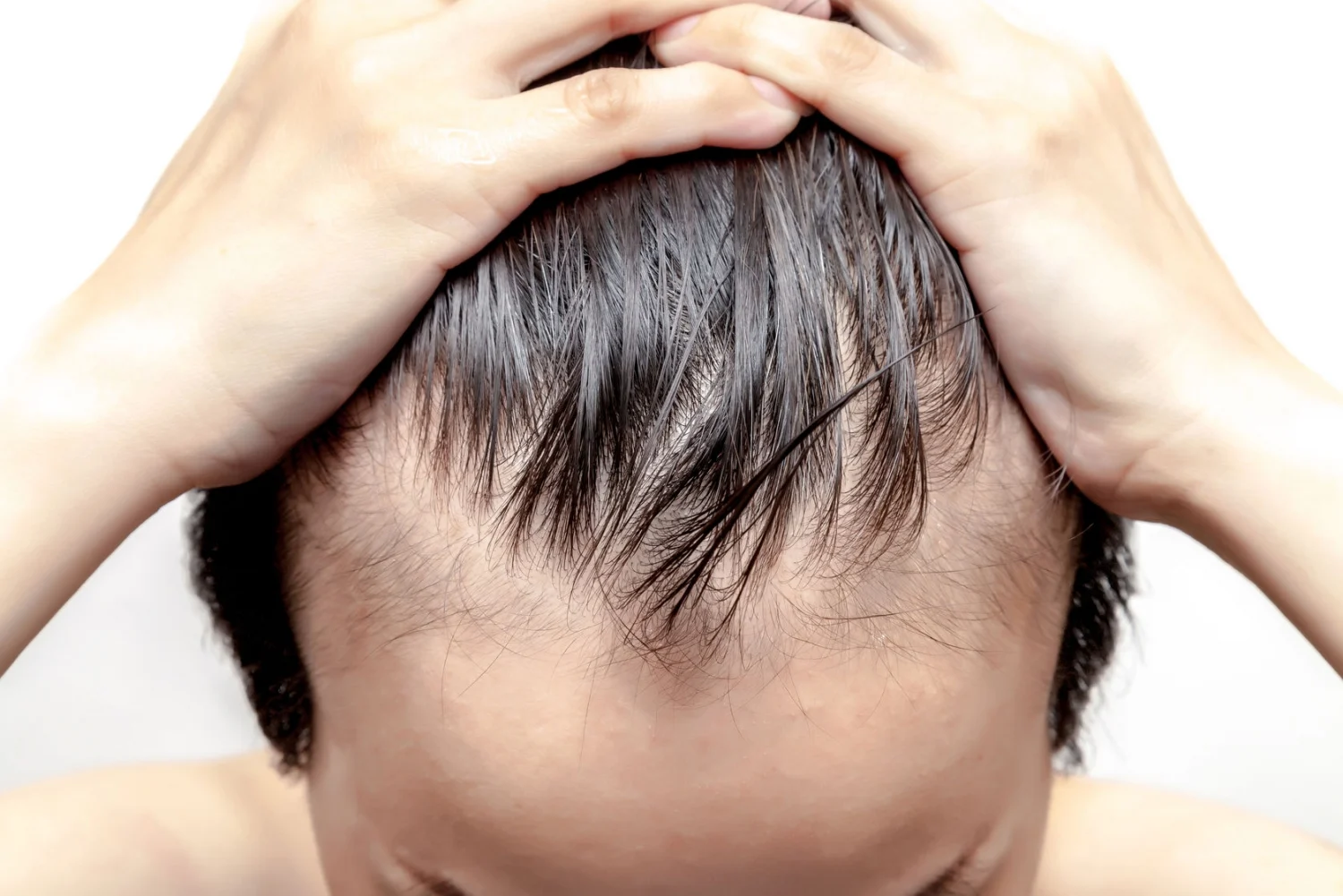
Hair loss can stem from several overlapping factors, so identifying the underlying cause is the first step toward choosing an appropriate response. The pattern, speed, and location of shedding often provide useful clues. Gradual thinning at the hairline or crown may suggest androgenetic alopecia, while sudden, diffuse shedding can follow illness, significant stress, rapid weight loss, or hormonal changes.
Androgenetic alopecia is one of the most common causes of progressive hair thinning in both men and women. Genetic sensitivity to dihydrotestosterone (DHT) can gradually shrink susceptible follicles, producing shorter, finer hairs over time. Other possible causes include alopecia areata, scalp infections, traction from tight hairstyles, and inflammatory or autoimmune conditions.
Temporary shedding may also occur because of iron deficiency, thyroid disorders, nutritional inadequacy, certain medications, or postpartum hormonal shifts. In these situations, treating the contributing problem may help normalize the hair cycle, although visible improvement can take several months because follicles grow in phases.
Hair loss accompanied by itching, scaling, pain, redness, scarring, or sharply defined bald patches deserves prompt medical assessment. A dermatologist can examine the scalp and, when appropriate, request blood tests or other evaluations. This distinction matters because treatments designed for hereditary thinning may not address an underlying disease or nutritional problem.
How Diagnosis Guides Effective Hair Loss Solutions
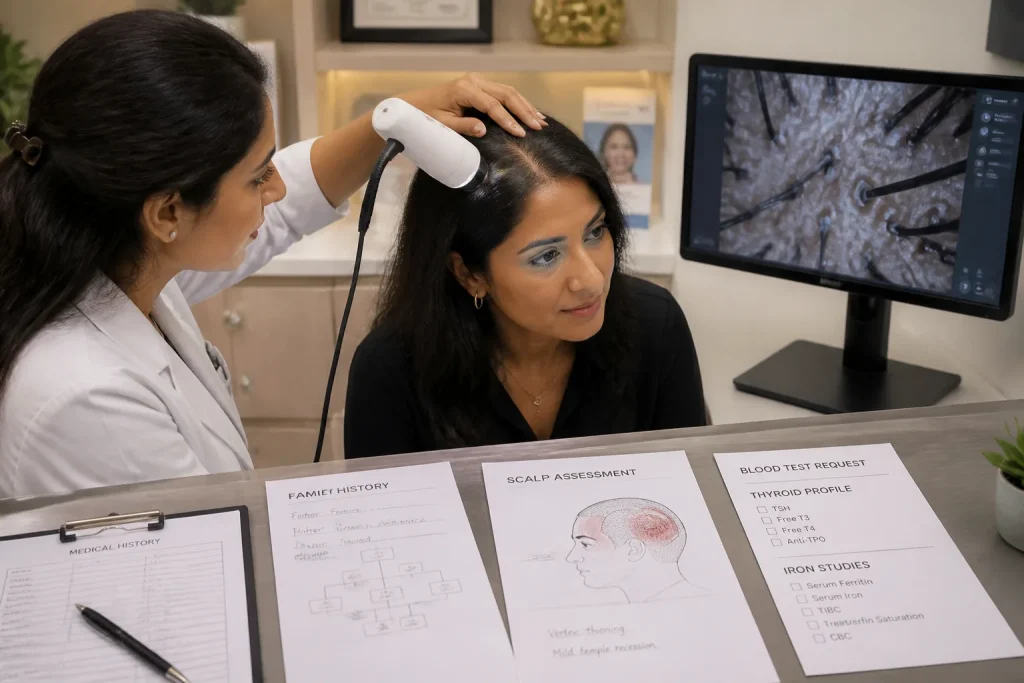
An accurate diagnosis is the foundation of a sensible hair loss treatment plan. The pattern, speed, and location of shedding can reveal whether the problem is related to inherited sensitivity, hormonal changes, illness, medication, nutritional deficiency, inflammation, or physical damage. Because different causes can look similar at first, choosing a treatment without identifying the trigger may delay improvement or worsen irritation.
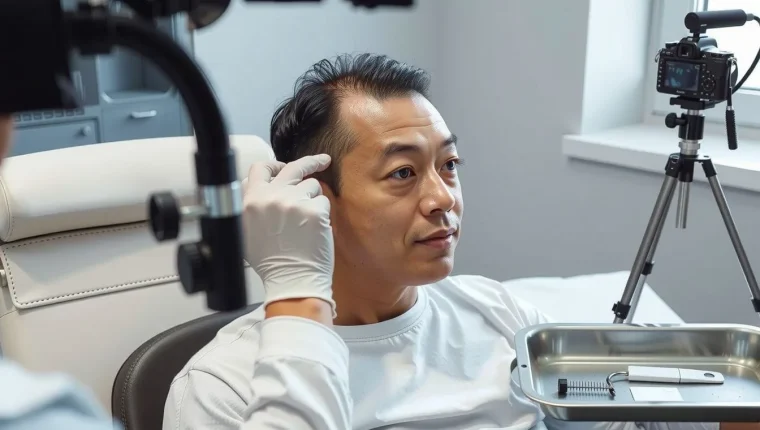
A dermatologist or qualified hair specialist may examine the scalp, assess hair density, and review the medical and family history. They may also perform a pull test, dermoscopy, or other evaluations to study the condition of individual follicles. Blood tests can be recommended when symptoms suggest thyroid disorders, iron deficiency, hormonal imbalance, or another underlying health issue.
Trichoscopy can provide particularly useful detail by magnifying the scalp and showing differences in hair shaft thickness, follicle openings, scaling, redness, or scarring. These findings help distinguish gradual pattern thinning from conditions such as alopecia areata, telogen effluvium, or inflammatory scalp disease. The diagnosis also clarifies whether follicles are still active and potentially responsive to treatment.
Timing matters as well. Sudden shedding after illness, major stress, childbirth, or rapid weight loss may require a different approach from slowly receding hairlines or crown thinning. A professional assessment can determine whether observation, medical therapy, scalp care, or later hair restoration should be considered, while setting realistic expectations for hair growth and recovery.
Medical Treatments That May Support Hair Regrowth
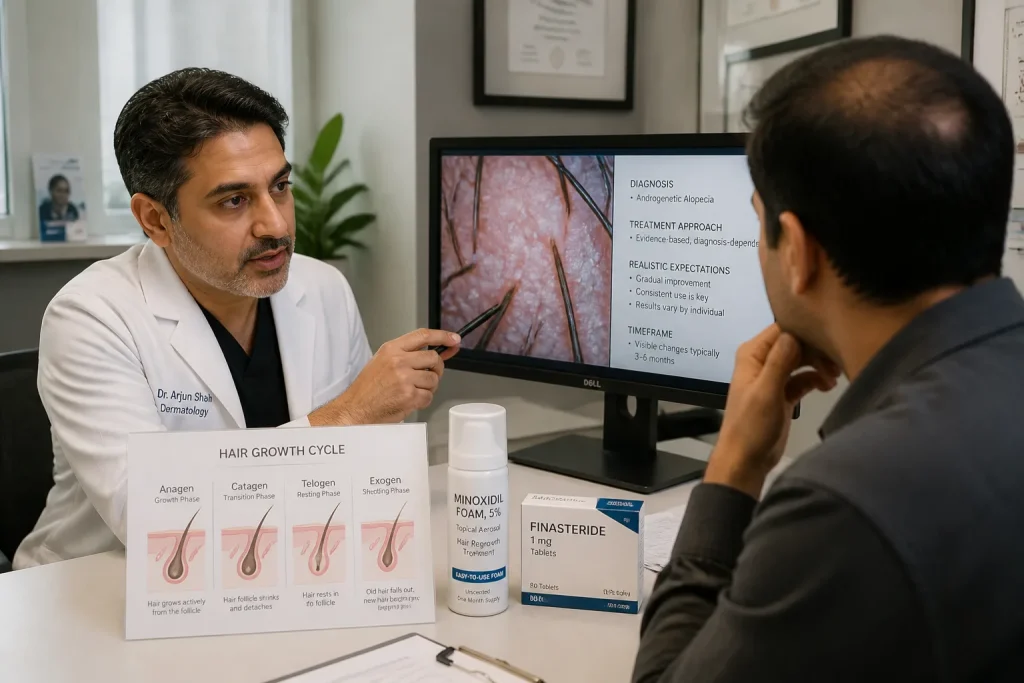
Once the cause of shedding has been identified, treatment can be selected to address the underlying process rather than simply mask reduced density. Medical options may slow ongoing loss, strengthen vulnerable follicles, or encourage thicker growth, but their suitability depends on the diagnosis, age, health history, and pattern of hair thinning. A careful assessment helps determine whether treatment should focus on hormonal influences, inflammation, follicular activity, or another contributing factor. It also helps ensure that expectations are realistic, because most medical approaches require consistent use and time before changes in density become noticeable.
- Minoxidil is available in topical and, in selected cases, oral forms. It may help prolong the growth phase of hair follicles, although continued use is generally needed to maintain any benefit.
- Finasteride may be prescribed for certain men with androgen-related thinning because it reduces the hormone activity linked to follicle miniaturization. A clinician should discuss potential side effects and whether it is appropriate.
- Anti-inflammatory treatment can be considered when conditions such as alopecia areata or inflammatory scalp disorders contribute to shedding. Treatment may involve topical, injected, or oral medicines under specialist supervision.
- Low-level light therapy uses controlled light exposure to support follicular activity. Results vary, and devices should be used consistently according to professional guidance.
The most relevant medical approach is often evidence-based treatment selection, supported by examination and, when necessary, blood tests or scalp assessment. Improvement is usually gradual, and temporary increased shedding can occur after starting some therapies. A dermatologist can monitor density, scalp health, and side effects while adjusting the plan if growth remains limited. Follow-up also makes it possible to identify whether the chosen treatment is helping, whether the diagnosis needs to be reconsidered, or whether additional support is needed to protect the scalp and remaining hair.
When Hair Restoration Procedures Are Appropriate
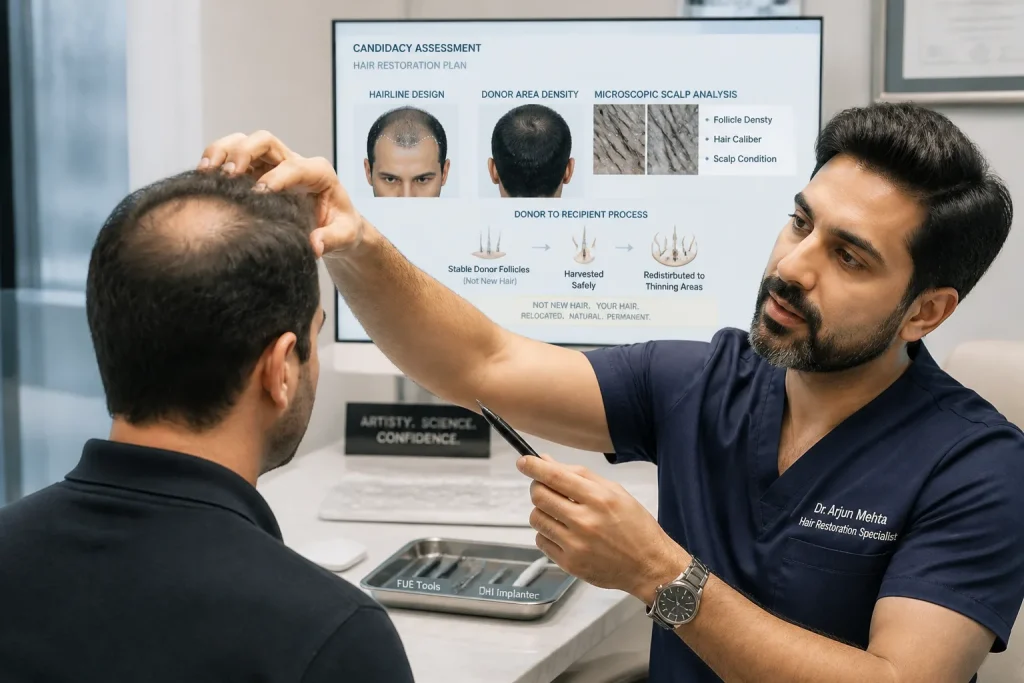
Hair restoration procedures are most appropriate when hair loss has been carefully assessed, the underlying condition is stable or manageable, and enough healthy follicles remain in the donor area. A transplant is generally designed to redistribute existing hair rather than create new follicles, so candidacy depends on the contrast between the donor and recipient areas, the pattern of thinning, and realistic expectations about density.
Adequate donor hair is one of the main technical requirements. During an evaluation, a specialist examines follicle quality, scalp laxity, hair caliber, and the stability of the donor region. FUE and DHI may be considered for suitable patients, but the recommended technique should reflect individual anatomy rather than a fixed preference.
People with progressive androgenetic alopecia may be advised to stabilize shedding before surgery. Medical options such as Minoxidil or Finasteride can sometimes help protect existing hair, although their suitability depends on personal health factors and professional guidance. Treating active scalp inflammation or another diagnosed cause of hair loss may also need to come first.
A procedure may be less suitable when hair loss is rapidly progressing, the donor supply is limited, or expectations are unrealistic. Certain forms of scarring alopecia and uncontrolled medical conditions require specialist assessment before any surgical plan is considered. Consultation should address graft planning, the recipient area, expected recovery, temporary shedding, and the possibility that future sessions may be needed.
Building a Sustainable Hair Care and Aftercare Plan
A sustainable hair care plan supports the scalp, protects existing strands, and makes treatment easier to follow over time. After diagnosis and treatment selection, consistency becomes central: hair growth cycles are slow, and short-term shedding or changing density can make progress difficult to judge.
Use a gentle shampoo suited to the scalp’s needs, avoid aggressive scrubbing, and limit frequent high-heat styling, tight hairstyles, bleaching, and chemical processing. Conditioner can reduce friction and breakage, while careful detangling helps protect fragile hair. Nutrition also matters; adequate protein, iron, zinc, vitamin D, and other nutrients support normal follicle function, but supplements should be guided by confirmed deficiencies rather than taken indiscriminately.
Post-treatment monitoring helps distinguish expected changes from problems that require medical review. Patients using topical or oral medication should follow the prescribed schedule and report persistent irritation, unusual shedding, or other side effects. After FUE, DHI, or another restoration procedure, instructions for washing, sleeping position, exercise, sun exposure, and avoiding pressure on the recipient area should be followed closely. Grafts need protection during the early recovery period, even when the scalp appears to be healing normally.
Take standardized photographs under similar lighting every few months instead of checking the mirror daily. Follow-up appointments allow the clinician to assess hair density, scalp health, and treatment response, then adjust the plan if the underlying cause changes. Seek evaluation sooner if hair loss becomes sudden, patchy, painful, inflamed, or associated with scalp scaling.
FAQs
Can hair loss be reversed naturally?
Natural hair loss reversal depends on its cause. Improving nutrition, managing stress, treating scalp conditions, and correcting deficiencies may reduce shedding and support regrowth, especially in temporary hair loss. Genetic pattern baldness usually cannot be fully reversed naturally, so consult a dermatologist for an accurate diagnosis and suitable treatments.
How long do hair loss treatments take to work?
Most hair loss treatments take three to six months before you notice early changes, while fuller results may require six to twelve months of consistent use. Treatments such as minoxidil or finasteride work gradually, and temporary shedding can occur at the beginning. Results vary by the cause of hair loss, treatment type, and individual response, so consult a healthcare professional for personalized guidance.
Is a hair transplant suitable for everyone?
A hair transplant is not suitable for everyone. Candidates generally need stable hair loss, sufficient healthy hair follicles in the donor area, and realistic expectations about hair density and growth. A qualified hair restoration specialist should assess the cause of hair loss, scalp health, age, medical history, and whether treatments such as medication should be tried first.