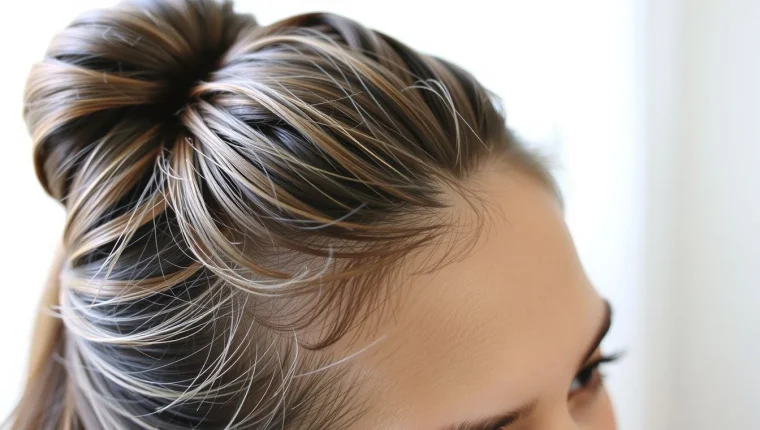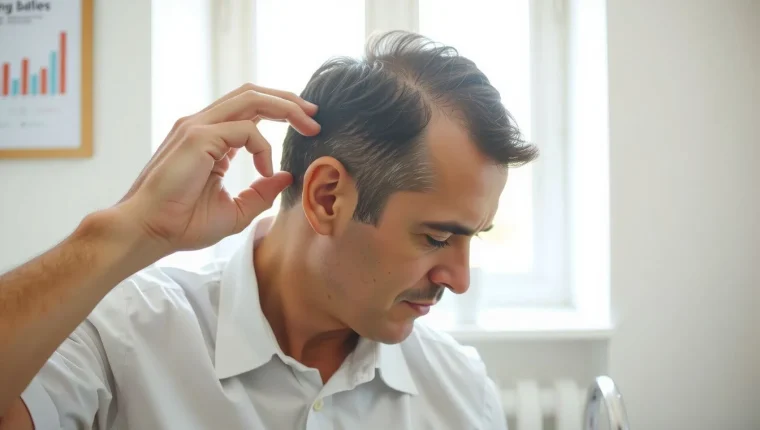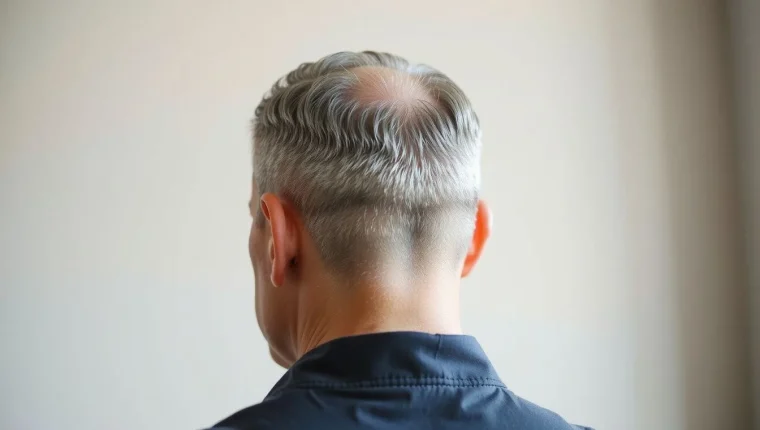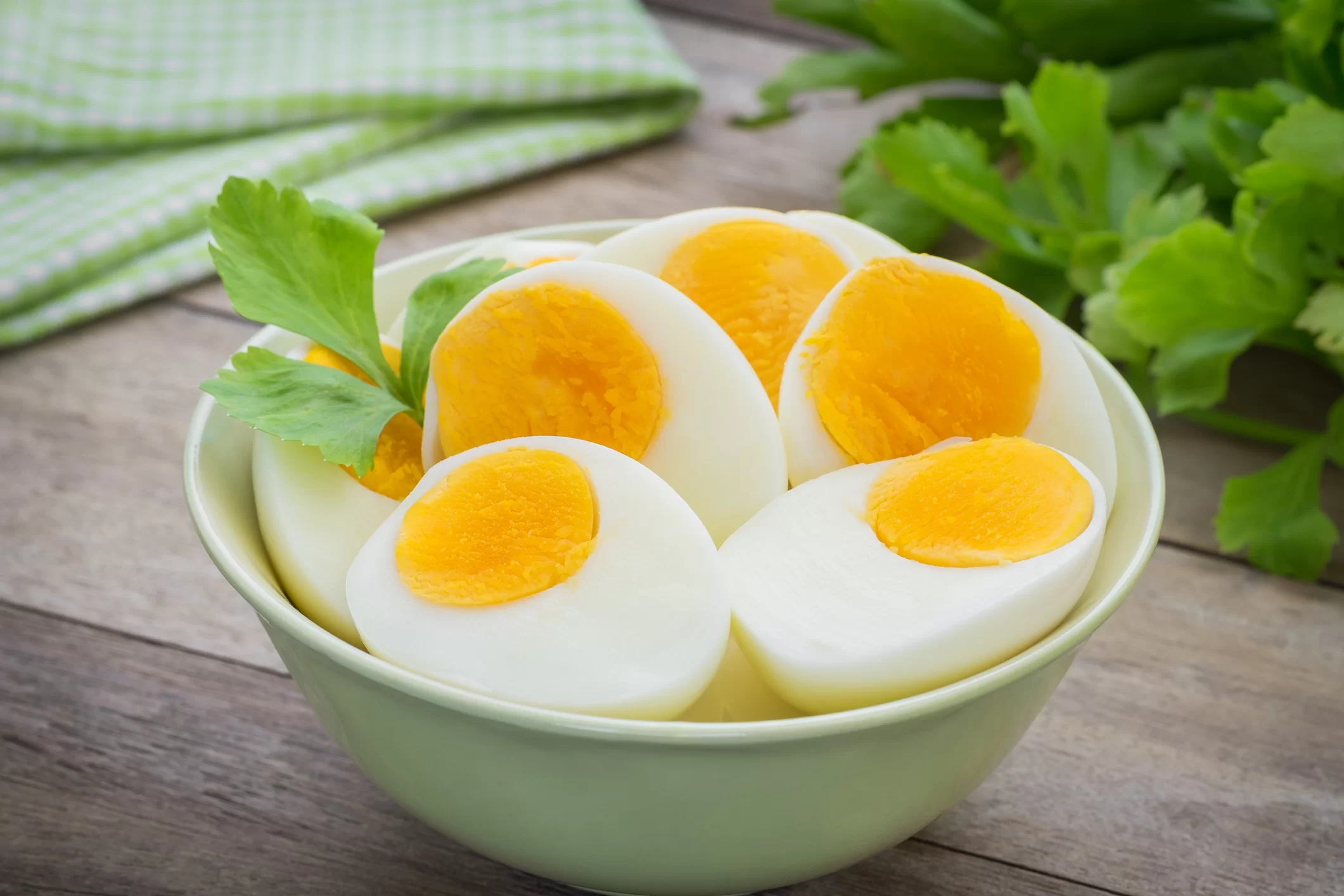
Can egg yolk for hair growth really make a difference, or is it mainly a popular home remedy? Egg yolk contains nutrients and fats that may help hair feel softer, smoother, and less prone to dryness. Applying it to the scalp is not the same as treating thinning hair or stimulating inactive hair follicles. This article looks at what topical egg yolk may realistically do, what it cannot promise, and why the cause of hair loss matters. If shedding is persistent, sudden, or accompanied by scalp irritation, professional advice may be more useful than relying on a homemade mask alone.
What Nutrients Make Egg Yolk Relevant to Hair Health?
Egg yolk is considered relevant to hair health because it contains several nutrients involved in the body’s normal maintenance of hair and skin. Its protein provides amino acids, which are the building blocks of keratin, the structural protein that makes up the hair shaft. However, applying protein to the outside of the hair does not automatically repair damaged follicles or stimulate new growth.
The yolk also contains fats and phospholipids that may help coat the hair, improve softness, and reduce the rough feel associated with dryness. Vitamins A, D, and E, along with B vitamins such as biotin, are present in varying amounts. These nutrients support normal biological functions when obtained through a balanced diet, but their presence in egg yolk is not proof that a topical treatment can correct hair loss or increase hair density.
Nutritional adequacy matters more than any single food. Inadequate protein, iron, zinc, vitamin D, or other nutrients can contribute to shedding in some people, while genetics, hormones, illness, stress, medications, and scalp conditions may also affect hair follicles. A yolk-based product may temporarily improve the feel and appearance of the hair shaft, yet that cosmetic benefit is different from proven follicle stimulation. Understanding this distinction helps keep egg yolk for hair growth claims realistic and prevents a home treatment from replacing appropriate evaluation of persistent shedding.
Can Egg Yolk for Hair Growth Support Stronger Hair?
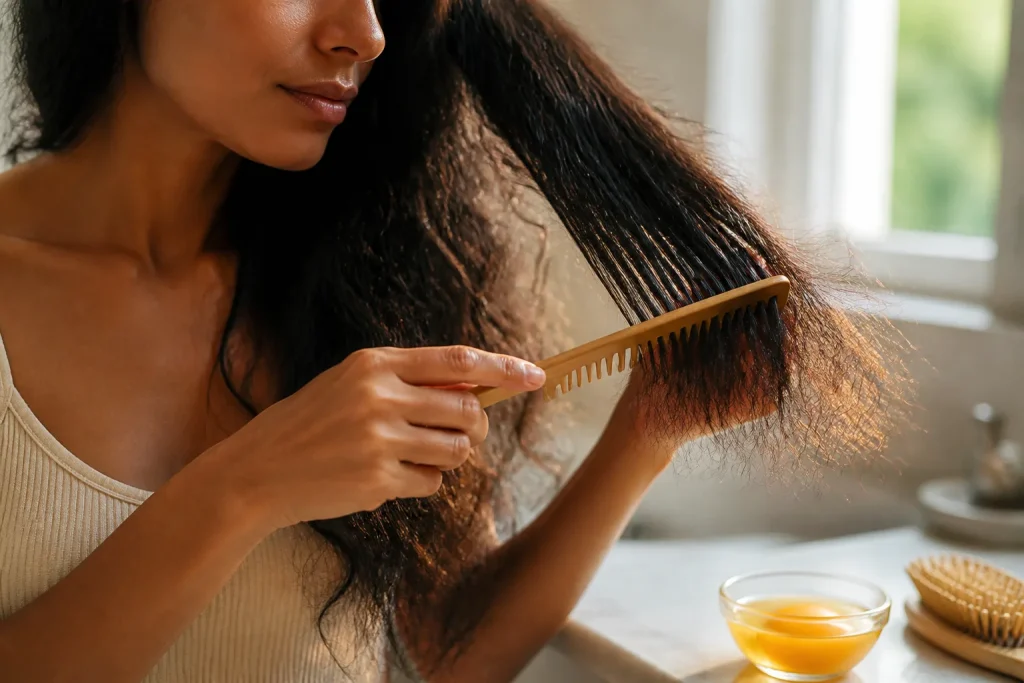
Egg yolk may help hair look and feel stronger by improving the condition of the strands rather than changing how follicles produce hair. Its fats can give dry hair a smoother surface, while its protein content may leave the fiber feeling more supple after application. This temporary conditioning effect can make hair easier to detangle and less vulnerable to friction-related damage during brushing or styling.
The most realistic benefit is therefore reduced breakage in hair that is dry, rough, or prone to snapping. Less breakage can help preserve length and create the appearance of fuller, healthier hair over time. However, this is different from increasing the number of active follicles. Strand conditioning does not reliably stimulate follicle activity, raise hair density, or reverse pattern hair loss.
There is also no strong clinical evidence that applying egg yolk to the scalp directly promotes new growth. A softer texture after a mask may be noticeable, but it should not be interpreted as proof that dormant follicles are producing more hair. Concerns such as widening part lines, persistent shedding, or thinning around the temples may require a proper assessment because topical food-based treatments cannot address every cause.
Results can also vary according to hair porosity, existing damage, and how thoroughly the mixture is removed. Treating the lengths may be more appropriate than massaging it aggressively into the scalp, especially if the goal is to reduce dryness and breakage rather than target follicle-level growth.
How to Apply an Egg Yolk Hair Mask Safely
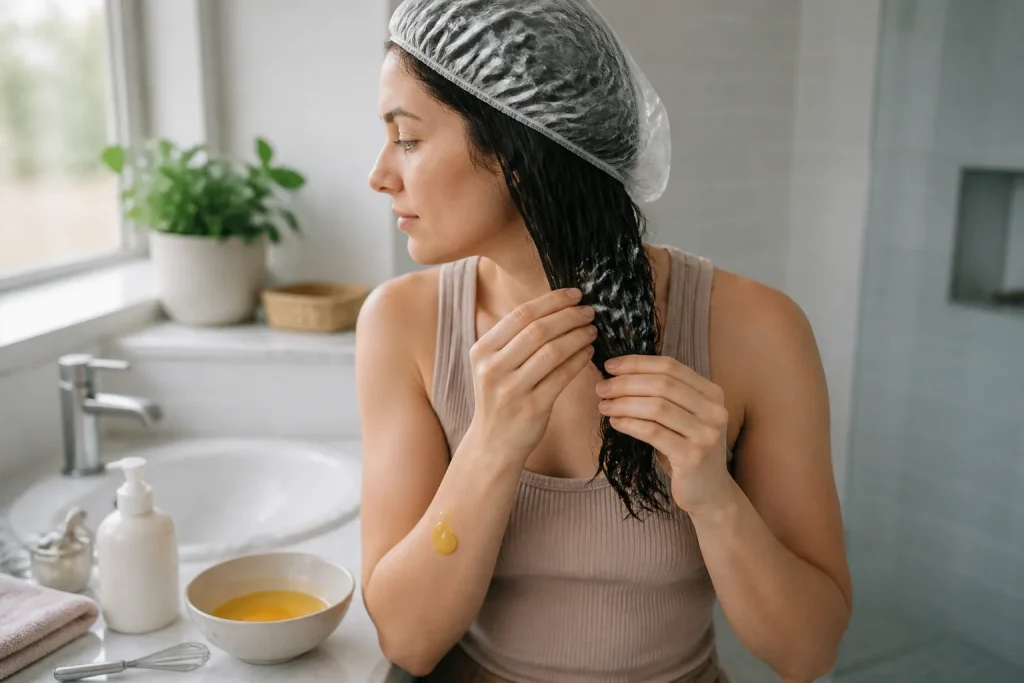
Start with a clean, dry bowl and separate one egg yolk from the white. Whisk it until smooth, then dilute it with a small amount of water or a lightweight, fragrance-free conditioner so it spreads more easily. Avoid adding essential oils or other irritating ingredients. Before applying the mixture fully, perform a patch test on a small area of skin and wait 24 hours for signs of redness, itching, or burning.
Apply the mask mainly to the mid-lengths and ends if your scalp is sensitive or your hair becomes greasy easily. If you tolerate scalp application, use your fingertips to place a thin layer on the scalp without scratching or vigorous rubbing. Keep the mixture away from the eyes and cover the hair loosely with a shower cap. Leave it on for about 10 to 15 minutes; allowing egg to dry completely can make removal more difficult and increase residue.
Rinse with cool to lukewarm water, not hot water, because heat can cause the yolk to set and cling to the strands. Follow with a gentle shampoo, concentrating on the scalp, and use conditioner on the lengths if needed. Rinse thoroughly until no slippery film or odor remains. Clean the bowl, tools, and surrounding surfaces promptly, and wash your hands after handling raw egg.
For most people, occasional use is more sensible than frequent treatments—about once every two to four weeks is a cautious starting point. Coarse or very dry hair may tolerate a little conditioner in the mixture, while fine hair may need less product and a shorter contact time. Stop using the mask if discomfort develops, and avoid applying it to broken or irritated skin.
What Results Can You Realistically Expect?
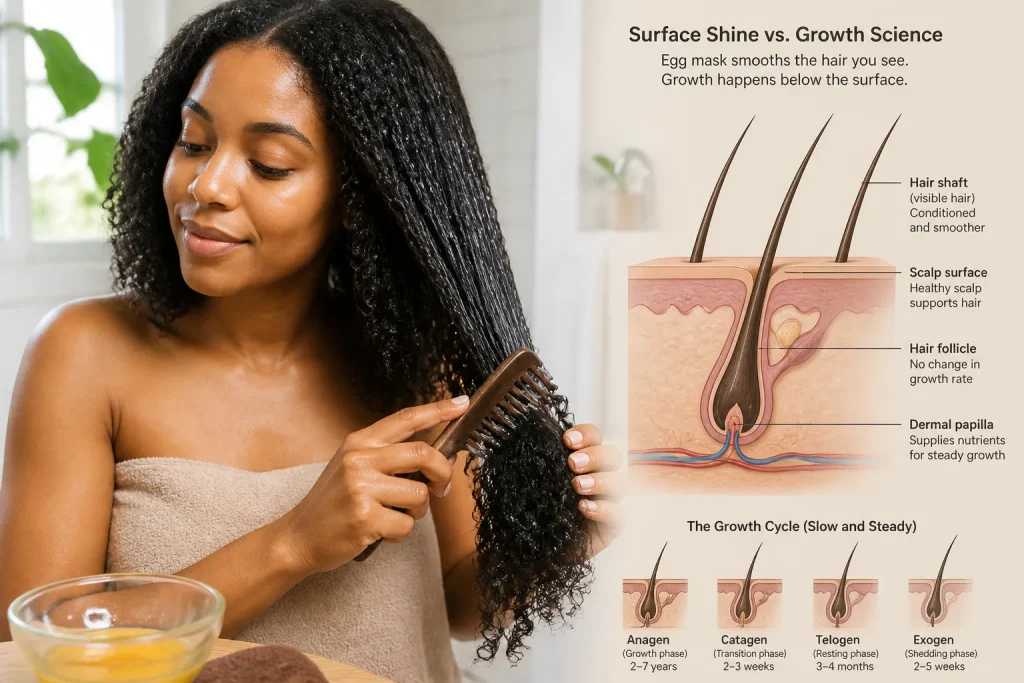
The first changes people notice after an egg-yolk hair mask are usually cosmetic rather than biological. Hair may feel smoother, look shinier, or seem easier to detangle because the strands have been temporarily conditioned. These effects can make hair appear healthier, but they do not show that new follicles are producing hair.
True growth occurs within the follicle and follows a much slower cycle. A topical mask cannot be expected to create immediate length, restore lost density, or reverse every type of shedding. Any perceived improvement may instead come from less friction and reduced breakage, especially in dry or damaged hair.
Results also vary according to hair texture, porosity, washing habits, and the underlying reason for thinning. Someone with brittle ends may notice a visible improvement in manageability, while someone experiencing pattern hair loss or sudden shedding may see little meaningful change. The key distinction is between temporary conditioning and genuine hair growth.
If shedding continues, the part becomes wider, bald patches appear, or hair density declines despite routine changes, consider speaking with a dermatologist or qualified healthcare professional. Persistent loss may require evaluation for nutritional deficiencies, hormonal changes, scalp disorders, medication effects, or hereditary hair loss rather than repeated home treatments.
Who Should Avoid Using Egg Yolk on the Scalp?
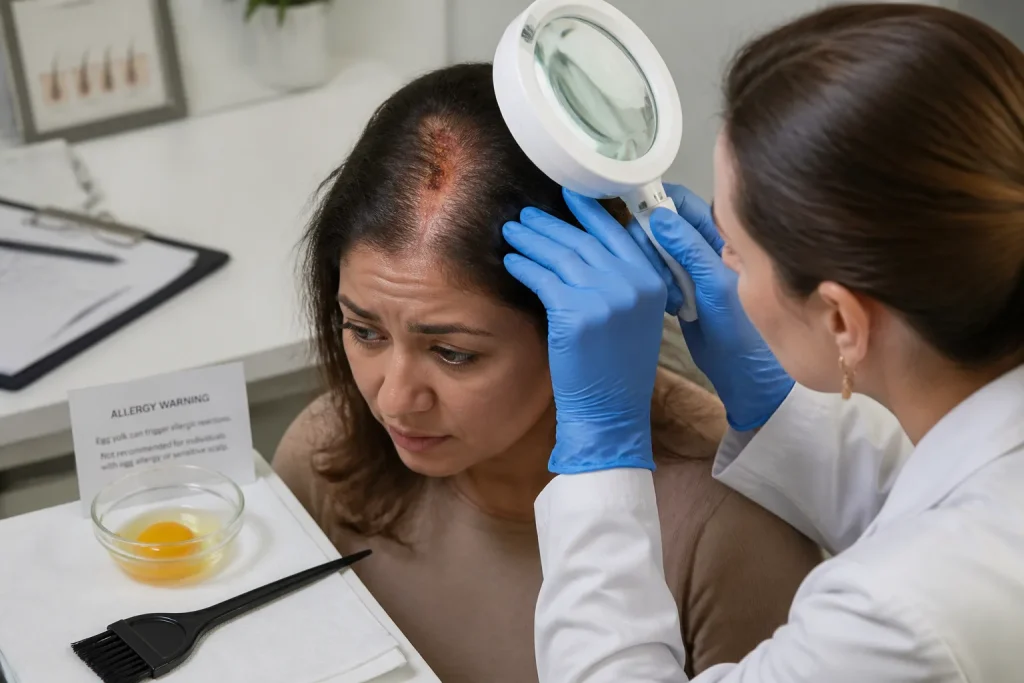
People with an egg allergy should avoid applying egg yolk to the scalp, even if they have previously eaten eggs without a reaction. Contact can still cause itching, redness, hives, or swelling. A patch test cannot guarantee safety, especially for anyone with a history of severe allergic reactions.
Do not use an egg-based mask on broken skin, scratches, eczema, psoriasis flare-ups, or an irritated, inflamed, or infected scalp. Oily scalps may also respond poorly because yolk can add residue, worsen buildup, and leave a persistent odor that is difficult to remove. People with fine hair may find the coating especially heavy.
Significant shedding or scalp symptoms should be assessed by a dermatologist rather than managed solely with a home mask. Persistent itching, pain, scaling, sores, sudden hair loss, or thinning may have causes that require appropriate treatment, and delaying evaluation can make the underlying problem harder to address.
FAQs
Can egg yolk reduce hair shedding?
Egg yolk may support healthy hair because it contains protein, biotin, and other nutrients, but there is no strong evidence that applying it or eating more of it directly stops hair shedding. Excessive shedding can result from genetics, hormonal changes, illness, stress, or nutritional deficiencies, so persistent or sudden loss should be assessed by a healthcare professional.
How often can I use an egg yolk hair mask?
Use an egg yolk hair mask once a week, or every two weeks if your hair is fine, oily, or prone to buildup. Applying it more often may leave hair greasy or cause protein-related dryness and stiffness. Rinse thoroughly with cool or lukewarm water, and stop using it if you experience scalp irritation or an allergic reaction.
Is egg yolk suitable for dry or oily hair?
Egg yolk can benefit both dry and oily hair, but its effect depends on how it is used. Its fats and proteins may help moisturize dry, brittle strands, while the protein content can temporarily improve the feel of oily hair without regulating scalp oil production. Apply it mainly to the hair lengths, rinse thoroughly with cool water, and avoid it if you have an egg allergy or a sensitive scalp.