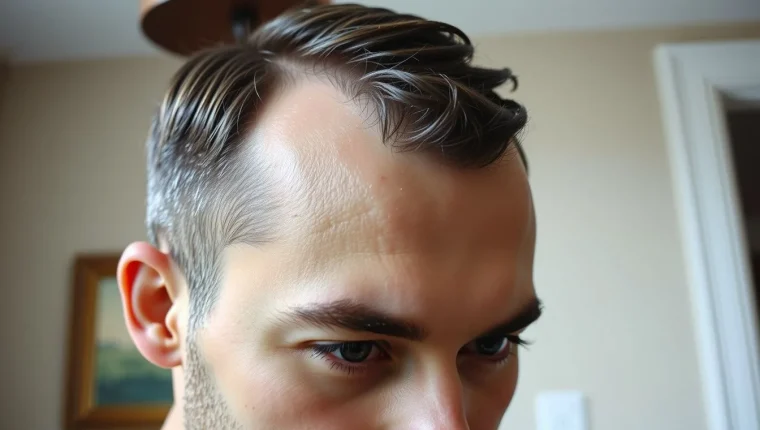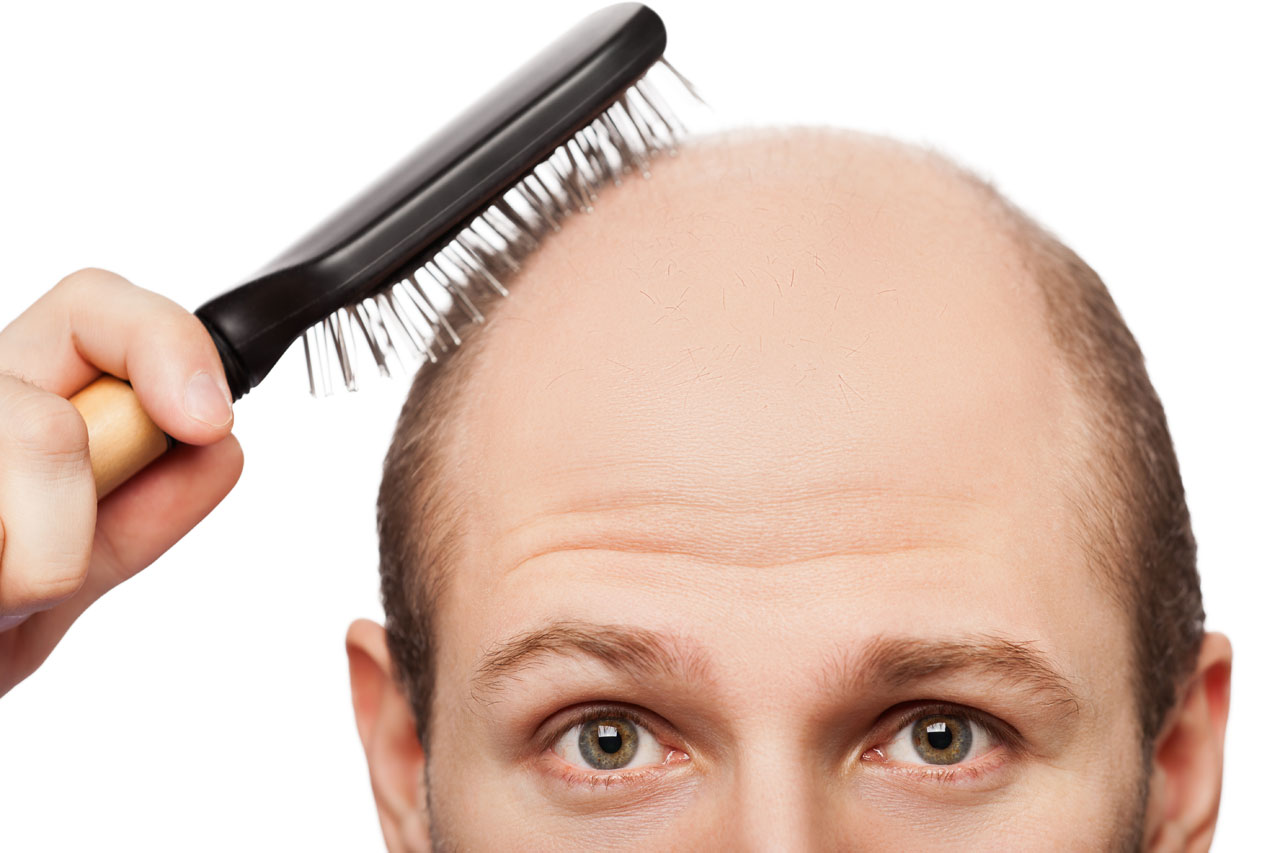
Hair shedding is normal, but persistent thinning or visible bald patches may signal a different problem. People lose hair for many reasons, including genetic predisposition, hormonal changes, illness, nutritional deficiencies, stress, and damage to the hair follicles. The pattern, timing, and speed of hair loss often provide useful clues, but they cannot confirm a diagnosis on their own. This article explains the main causes of hair loss, how everyday factors may affect hair growth, and when professional advice may be appropriate. Understanding these differences can help you tell whether increased shedding is temporary or needs further investigation.
What Does Hair Loss Look Like and When Is It Abnormal?
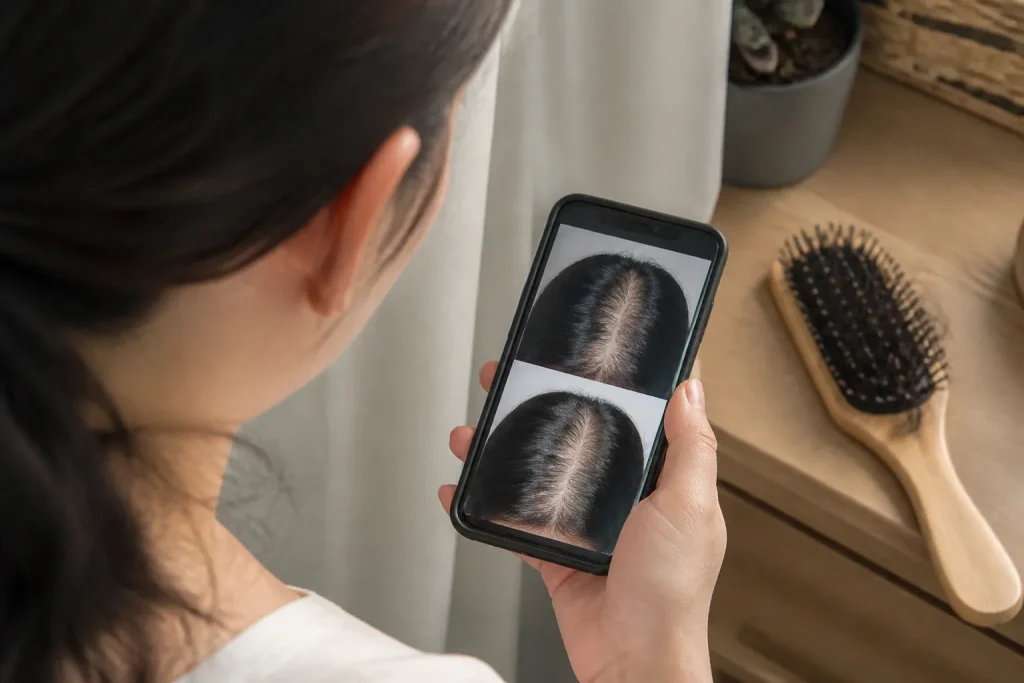
Normal hair shedding can leave a few strands on a pillow, brush, or shower drain each day. The more meaningful warning sign is a sustained change in overall density. Hair loss may be abnormal when the scalp becomes increasingly visible, the part widens, or the hair looks thinner in photographs over several weeks or months.
Different patterns can provide useful clues. Progressive thinning may appear across the scalp, while a receding hairline often begins at the temples or forehead. Patchy hair loss creates clearly defined round or irregular areas with little or no hair. Some people notice excess shedding throughout the scalp rather than a single bald spot, particularly after a major change in health or routine.
Pay attention to the timing and distribution instead of judging the condition by isolated hairs. Taking occasional photographs in similar lighting can make gradual changes easier to recognize. Sudden shedding, rapidly expanding bare patches, broken hairs, or visible redness, scaling, tenderness, itching, or sores on the scalp deserve closer attention. Changes involving eyelashes, eyebrows, or body hair can also make the pattern more significant.
Why Do People Lose Hair? Common Causes Explained
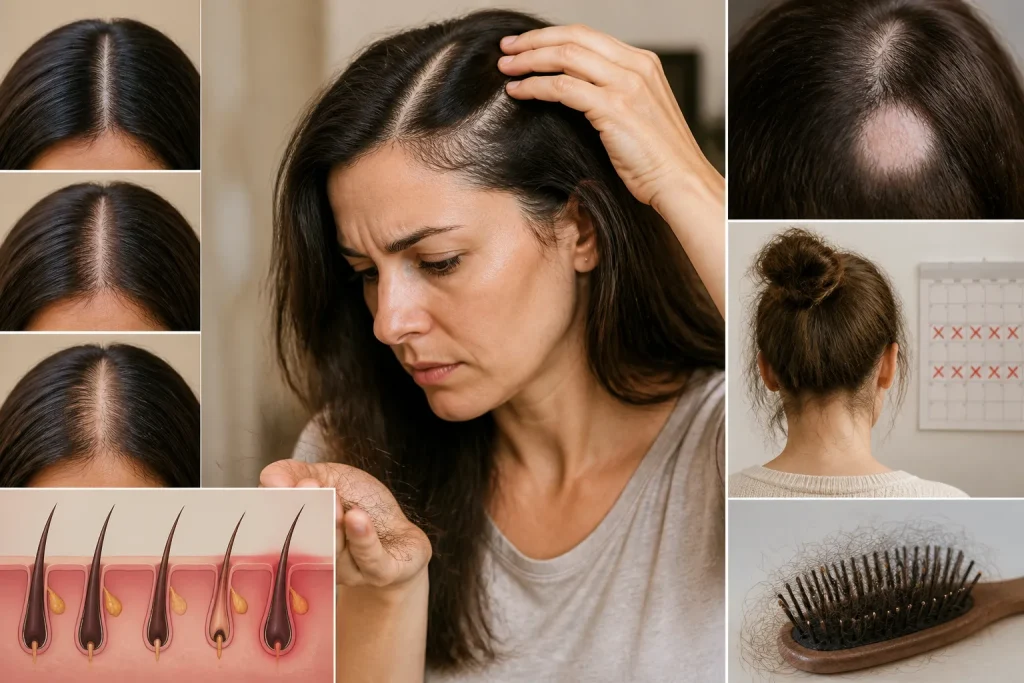
Hair loss can begin for very different reasons, so a widening part or increased shedding does not automatically mean permanent genetic baldness. Some causes change the normal hair-growth cycle, while others affect the scalp or damage the follicles themselves. Identifying the pattern and timing often provides useful clues.
Hereditary pattern hair loss is one of the most common causes. In genetically susceptible people, follicles gradually become more sensitive to certain hormones and produce finer, shorter hairs over time. Temporary shedding may follow an illness, surgery, significant physical stress, or a major change in the body. This type of shedding often appears weeks or months after the trigger because more hairs enter the resting phase before falling out.
Autoimmune conditions can also cause hair to fall in defined patches or, in some cases, across much of the scalp and body. Scalp problems such as fungal infection, severe inflammation, psoriasis, or persistent irritation may interfere with healthy growth. Repeated traction from tight hairstyles and harsh chemical treatments can place additional stress on follicles.
Medications, medical procedures, hormonal changes, and nutritional deficiencies may contribute as well. Some treatments affect rapidly dividing hair cells, while others alter the growth cycle indirectly. Overlapping causes are possible: a person may have an inherited tendency and experience extra shedding after illness or medication. Because each cause may require a different approach, persistent, sudden, painful, or patchy loss deserves professional assessment rather than assumptions based on appearance alone.
How Genetics, Hormones, and Medical Conditions Affect Hair Growth
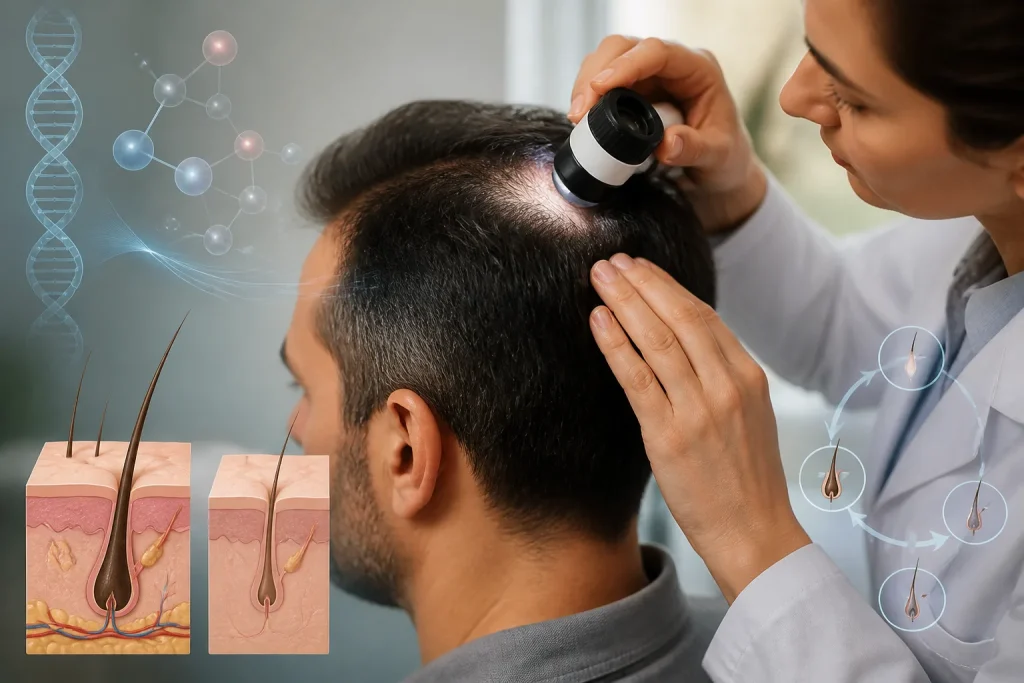
Inherited biology can influence how long hair follicles remain active and how strongly they respond to circulating hormones. In pattern hair loss, follicles may have an inherited sensitivity to dihydrotestosterone (DHT), a hormone made from testosterone. Over time, sensitive follicles can gradually produce finer, shorter hairs, particularly around the hairline, temples, or crown. This pattern may suggest a genetic tendency, but appearance alone cannot confirm the cause.
Hormonal changes can also shift the hair-growth cycle. Changes related to pregnancy, childbirth, menopause, thyroid dysfunction, or certain hormonal disorders may move more follicles into the resting phase, leading to increased shedding several weeks or months later. The effect can be temporary or persistent, depending on the underlying trigger and whether hormone levels return to balance.
Some medical conditions affect the follicles more directly. Thyroid disease, iron deficiency, autoimmune disorders, scalp infections, and inflammatory skin conditions may cause diffuse thinning, breakage, scalp discomfort, or clearly defined patches of missing hair. Certain medicines and treatments can also interrupt follicle activity.
Follicle sensitivity is only one possible explanation, so similar-looking hair loss may require different assessments. A clinician may examine the scalp and hair shafts, review family and medical history, and order selected blood tests or other evaluations when a nutritional, hormonal, autoimmune, or inflammatory cause is suspected. Identifying the mechanism helps determine whether monitoring, medical treatment, or another form of hair restoration is appropriate.
Can Stress, Diet, and Daily Habits Trigger Shedding?
Major stress, a high fever, surgery, or another significant illness can temporarily disturb the hair-growth cycle. Several weeks to months later, more follicles may enter the shedding phase, causing noticeable thinning across the scalp. This pattern is often temporary, but the timing can make the original trigger easy to miss.
Nutrition may also influence hair growth. Very low calorie intake, rapid weight loss, or inadequate protein, iron, zinc, or other nutrients can affect the body’s ability to support healthy follicles. A deficiency should be confirmed through an appropriate medical assessment rather than assumed from shedding alone. Taking high-dose supplements without guidance can be harmful and may even worsen some problems.
Everyday hair practices can create a different issue. Tight ponytails, braids, extensions, repeated chemical processing, and excessive heat may cause traction, weakness, or breakage along the hair shaft. Breakage produces shorter, uneven hairs, whereas follicle-related shedding usually releases complete hairs from the scalp. Reducing tension, using gentler products, and limiting heat may help prevent additional damage.
Telogen effluvium is the term commonly used for temporary, diffuse shedding after a physical or emotional stressor, but other causes can look similar. Reviewing recent illness, diet changes, medications, grooming habits, and supplement use can help identify a trigger without blaming lifestyle alone.
When Should You See a Doctor About Hair Loss?
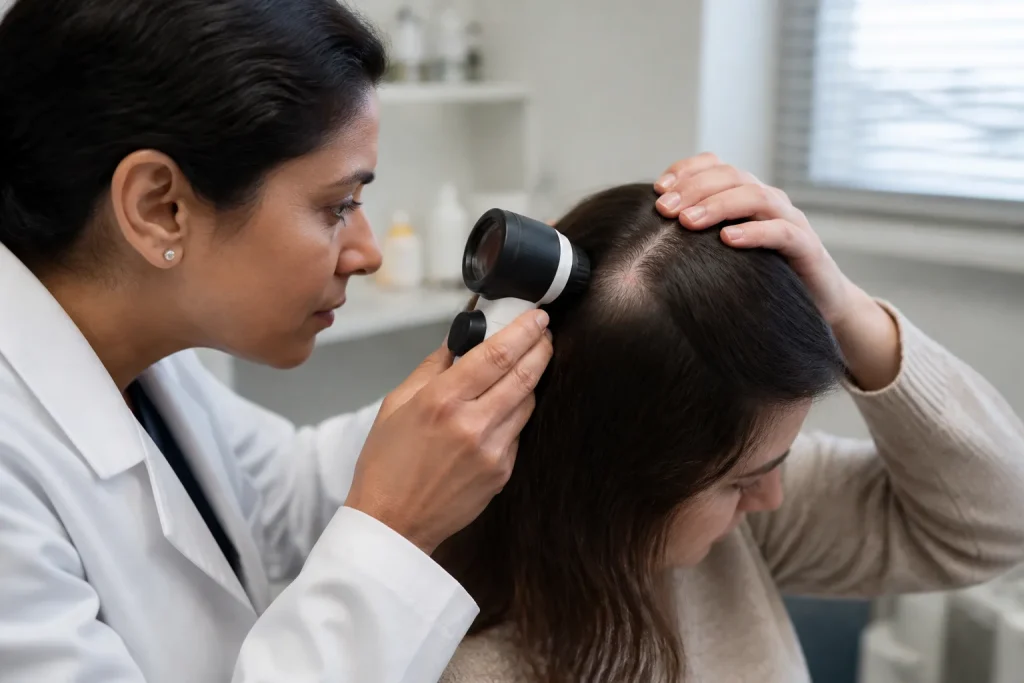
Seek medical advice if hair loss is sudden, rapid, or noticeably different from your usual shedding. Patchy bald spots, scalp pain, persistent itching, redness, swelling, scaling, or skin that looks smooth and scar-like may require prompt assessment, because some conditions can affect the hair follicles permanently.
Tell a clinician about fatigue, unexplained weight changes, menstrual irregularities, skin changes, joint symptoms, recent illness, and any new medicines or supplements. An evaluation usually includes a health and family history, questions about the timing and pattern of shedding, and a close scalp examination. Depending on the findings, blood tests or other investigations may be considered rather than assumed in advance.
Arrange an appointment if thinning continues, causes significant distress, or appears alongside broader changes in your health. Early assessment can help identify the underlying cause and clarify whether observation, medical treatment, or referral to a dermatologist is appropriate. Avoid self-prescribing supplements or delaying care when scarring hair loss is suspected.
FAQs
Can hair loss grow back on its own?
Hair loss may grow back on its own if it results from temporary shedding, stress, illness, hormonal changes, or certain medications. Regrowth is less likely when hair follicles have been damaged by conditions such as hereditary pattern baldness or scarring alopecia. If shedding continues, becomes sudden, or creates noticeable thinning, a dermatologist can identify the cause and recommend suitable treatment.
What deficiencies can cause excessive shedding?
Excessive hair shedding can result from deficiencies in iron, vitamin D, zinc, protein, vitamin B12, or folate. Low iron stores are particularly associated with diffuse hair loss, especially in people with heavy menstrual bleeding or restricted diets. A healthcare professional can confirm deficiencies with blood tests before recommending supplements, since unnecessary or excessive supplementation may worsen hair loss.
How can I tell whether my hair loss is genetic?
Genetic hair loss is more likely if thinning follows a predictable pattern, such as a receding hairline or widening crown in men, or gradual widening of the part in women, and close relatives have experienced similar hair loss. It usually develops slowly without scalp pain, redness, or sudden shedding. A dermatologist can confirm the cause by examining your scalp, reviewing your family and medical history, and ordering blood tests when another condition may be involved.