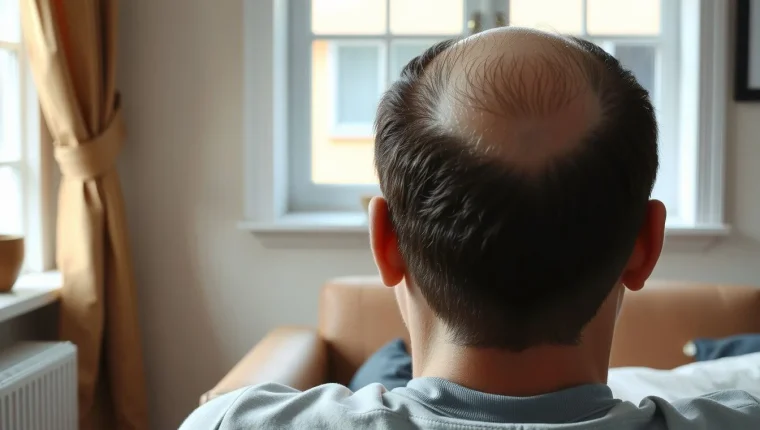
Hair thinning at the hairline rarely happens overnight, but it almost always follows a predictable pattern. You may first notice a few extra strands on your pillow, then a slightly wider part near the temples, and eventually a thinner, more receded edge where your forehead meets your hair. This area is often the earliest visible sign of a broader change in hair density, which is why it draws so much attention. The reason is biological: hairline follicles are among the most sensitive to DHT, the hormone linked to pattern hair loss, and they sit in a region with less protective cushioning than the back of the scalp. Friction from styling, tight hairstyles, or constant tension makes the hairline the first place where damage shows. Recognizing this early matters because identifying the cause sooner gives you more options to slow it down.
Understanding the Anatomy of the Frontal Hairline
The frontal hairline is not a simple line of hair but a structured boundary made of thousands of individual follicles, each with its own growth cycle and sensitivity. Along the frontotemporal region, follicles sit in the superficial fascia of the scalp, where they are supplied by a network of small blood vessels and influenced directly by circulating hormones. This anatomical position matters because these follicles are closer to the surface and receive a distinctive blood supply compared to those on the crown.
Each hair follicle moves through three main phases: anagen (growth), catagen (transition), and telogen (rest). On the frontal hairline, the anagen phase is typically shorter than in other areas, which means hairs naturally shed and replace themselves more frequently. This shortened cycle makes the region more vulnerable to disruption when hormonal or genetic factors interfere.
The hairline also contains a higher density of androgen receptors on the dermal papilla, the structure at the base of the follicle that regulates growth. Androgen receptors are proteins that bind hormones like DHT, and their concentration in this zone explains why the frontal hairline responds so sharply to hormonal changes. Understanding this anatomy clarifies why the earliest signs of thinning appear at the temples and front before spreading backward.
Why the Hairline Follicles Are Genetically Predisposed to Miniaturization
Genetics do not thin the hairline evenly; they target specific follicles. The hair cells along the frontal hairline and temples carry a hereditary trait that makes them unusually sensitive to androgens, particularly DHT. This sensitivity is not a disease in itself — it is an inherited characteristic written into the follicle’s biology.
The key mechanism lies in the androgen receptor gene. Variations in this gene determine how strongly a follicle responds to circulating hormones. Follicles with a more reactive receptor version are far more likely to shrink when exposed to DHT over time, while follicles with a less reactive version remain largely unaffected.
This explains why pattern hair loss follows such a predictable shape. The follicles at the temples and frontal hairline often carry the highest receptor sensitivity, while follicles at the back and sides of the scalp usually do not. That difference in genetic programming — not differences in blood flow or hair care — is why the hairline is typically the first area to show visible thinning.
Because this predisposition is inherited, it also determines the timing and pace of miniaturization. Some people carry a stronger genetic signal and begin losing hairline density in their early twenties, while others with a weaker signal may keep a stable hairline for decades. The trait is polygenic, meaning multiple genes contribute, which is why hair loss patterns vary so widely between individuals and between family members.
The Role of DHT and Hormonal Sensitivity in Early Hairline Recession
DHT does not act alone; it acts through a receptor. The hormone circulates in the bloodstream and reaches the hairline, but its effect depends on how strongly the follicle’s androgen receptors respond to it. This is what separates two men with identical DHT levels: one may lose his hairline early, another may keep it for decades. The difference lies in hormonal sensitivity, not hormone quantity.
Several factors determine how aggressively DHT affects frontal follicles:
- Receptor density: Follicles with more androgen receptors bind more DHT, amplifying the signal that triggers miniaturization.
- Receptor binding affinity: Genetic variations can make the same receptor grip DHT more tightly, extending the hormone’s active time.
- Local enzyme activity: The enzyme 5-alpha reductase converts testosterone into DHT directly within the follicle, creating a concentrated hormonal environment at the hairline.
- Follicle cycle sensitivity: Some follicles enter the resting phase sooner under DHT exposure, shortening the growth window with each cycle.
Because these factors vary between individuals, hairline recession follows a personal timeline. Two people can carry the same genetic predisposition yet experience very different rates of thinning. This variability also explains why early intervention works better for some than others: reducing DHT is only part of the equation when receptor sensitivity is high.
How Lifestyle, Stress, and Nutrition Accelerate Thinning at the Temples

Genetics load the gun, but daily habits often pull the trigger. While androgen receptor sensitivity determines which follicles are vulnerable, lifestyle factors shape how quickly that vulnerability becomes visible at the temples.
Chronic stress is one of the most underrated accelerators. Elevated cortisol disrupts the normal hair growth cycle, pushing more follicles into the resting phase and delaying regrowth. Over time, this stress-driven shedding compounds the slower, DHT-related miniaturization already underway at the hairline, making recession appear faster and more dramatic than genetics alone would predict.
Nutrition plays a similarly direct role. The frontal hairline follicles are metabolically demanding, and deficiencies in iron, zinc, vitamin D, and B vitamins can weaken the hair shaft and shorten the growth phase. When the body is short on these nutrients, it prioritizes vital organs over hair production, and the temples, already the most sensitive region, are often the first to show the cost.
Lifestyle choices reinforce these effects. Smoking restricts blood flow to the scalp, reducing oxygen and nutrient delivery to already fragile follicles. Poor sleep, high alcohol intake, and crash dieting add further strain. None of these factors create the genetic predisposition itself, but they can noticeably speed up how soon thinning becomes apparent.
The practical takeaway is that managing stress, correcting nutritional gaps, and improving circulation won’t reverse a genetic pattern, but they can slow its visible progression and support healthier hair overall.
Treatment Options and Prevention Strategies for a Receding Hairline

Because the mechanisms behind a receding hairline are progressive, the most effective strategies combine early intervention with consistent, long-term maintenance. The goal is not simply to grow hair back, but to stabilize the follicles that remain and slow the miniaturization process before it becomes irreversible.
For clinically proven treatment, two approaches dominate. Topical minoxidil extends the growth phase and improves blood flow to the follicle, while oral finasteride blocks the conversion of testosterone into DHT, directly targeting the hormonal driver discussed earlier. These are often used together, and results depend heavily on starting before significant follicle loss occurs.
Emerging options include low-level laser therapy, platelet-rich plasma injections, and topical anti-androgens, which may support follicle health but generally work best as complements rather than replacements for proven treatments.
Prevention focuses on reducing the accelerating factors covered in the previous section. Managing chronic stress, correcting nutritional deficiencies such as iron, vitamin D, and zinc, avoiding harsh styling practices, and quitting smoking can all ease the load on vulnerable follicles. Since genetic sensitivity cannot be changed, the realistic aim is to keep the follicle environment as favorable as possible. The earlier these habits and treatments begin, the more hairline density can realistically be preserved.
FAQs
Why does hair thinning at the hairline often begin earlier than thinning in other areas?
The hairline is one of the most androgen-sensitive zones on the scalp, so follicles there respond first to DHT and begin miniaturizing earlier than follicles elsewhere. This area also sits at the leading edge of the frontal hairline, where cumulative tension, styling stress, and sun exposure can accelerate visible thinning. Because these follicles have a shorter growth phase and a longer resting phase over time, the earliest signs of pattern hair loss typically appear at the temples and front before the crown or sides.
Is hairline thinning caused by genetics, styling habits, or both?
Hairline thinning is most often driven by genetics, particularly androgenetic alopecia, which makes follicles along the frontal hairline more sensitive to DHT. Styling habits such as tight ponytails, frequent heat use, and chemical treatments can damage or stress the hairline, but they usually act as contributing factors rather than the root cause. In most cases, the two overlap, with a genetic predisposition making the hairline more vulnerable to the effects of repeated styling damage.
Can hair thinning at the hairline be reversed if treated in its early stages?
Yes, hair thinning at the hairline can often be reversed or significantly slowed when treatment begins in its early stages, before hair follicles shrink permanently. Treatments such as minoxidil, finasteride, and low-level laser therapy are most effective when the hairline still shows miniaturized hairs rather than smooth, bare skin. Once a follicle stops producing visible hair for an extended period, regrowth becomes unlikely, so early intervention is critical for preserving and restoring the hairline.