More hair in your brush or a widening part is unsettling and more common than many women are told. Female alopecia is a recognized medical condition, not a cosmetic complaint or a problem that affects only men. Its causes determine which treatments can actually work. Understanding why hair sheds or thins comes first because the cause shapes the response. A proper diagnosis matters as much as the treatment.
Understanding Hair Loss in Women: Types and Prevalence
Hair loss in women rarely follows a single script. Two women with the same amount of shedding can be losing hair in completely different ways, and that difference matters because it often points toward different underlying conditions. Recognizing your own pattern is the first real step toward understanding what you are dealing with.
The most common form is diffuse thinning, a gradual, all-over reduction in density that typically widens the part and thins the crown while the frontal hairline stays largely intact. This pattern is widespread among women, particularly after menopause, and is often the earliest visible sign of a progressive condition. A second major pattern is androgenetic alopecia in its more localized presentation, where thinning concentrates at the crown and temples rather than spreading evenly.
Patchy loss looks different again. Smooth, round bald spots that appear suddenly suggest alopecia areata, an autoimmune response that affects a smaller but still significant share of women. Postpartum shedding, by contrast, is diffuse but temporary, peaking around three to four months after delivery as hormone levels shift back toward baseline.
Each pattern has its own typical timeline and prevalence, and locating yourself within one of them gives you a clearer question to bring to a doctor.
Hormonal and Medical Triggers Behind Female Alopecia
Hormones act as chemical messengers that regulate the hair growth cycle, so when their balance shifts, the follicle is often the first place a woman notices it. Each strand moves through growing, resting, and shedding phases, and androgens, estrogens, thyroid hormones, and insulin all influence how long a follicle stays in its growing phase. When that signaling changes, more hairs are pushed into the shedding phase at once, producing the diffuse thinning described earlier.
Polycystic ovary syndrome (PCOS) is one of the most common culprits. Elevated androgens can shrink follicles on the scalp while stimulating facial and body hair, and insulin resistance adds further disruption. Thyroid disorders work differently: both an underactive and an overactive thyroid can trigger widespread shedding, which typically reverses once the thyroid is stabilized. The menopausal transition brings a natural decline in estrogen and progesterone, leaving androgens relatively unopposed and gradually miniaturizing scalp hair.
Medications deserve equal attention, since they are easy to overlook. Certain antidepressants, blood thinners, beta blockers, retinoids, and hormonal contraceptives can all disturb the growth cycle, sometimes months after a woman starts or stops them. A telogen effluvium triggered this way is usually temporary, but identifying the medication responsible is what allows the shedding to resolve.
Because these internal drivers overlap and mimic one another, the pattern of loss alone rarely identifies the cause. Confirming which hormonal or medical factor is responsible requires targeted testing, which is where a proper evaluation begins.
Genetic, Nutritional, and Lifestyle Contributors to Thinning Hair

Genes set the baseline for how sensitive your hair follicles are to androgens, the hormones that gradually shrink them over time. This inherited sensitivity drives androgenetic alopecia, the most common pattern of thinning in women. If your mother or grandmother experienced similar shedding, that family history is a meaningful clue rather than a coincidence.
Nutrition sits alongside genetics as a factor you can actually influence. Iron deficiency, low vitamin D, and inadequate protein intake are common contributors to increased shedding, and they often go unnoticed until a blood test reveals them. Crash diets and restrictive eating patterns can push hair into a shedding phase within a few months.
Chronic stress and harsh styling habits amplify whatever genetic tendency already exists. Tight ponytails, frequent chemical treatments, and heat damage weaken strands over time, while ongoing emotional or physical stress disrupts the normal hair growth cycle. The key distinction is that genetics you cannot change, but nutrition, stress management, and gentler styling are genuinely modifiable — which is why they are worth addressing before assuming the worst.
Diagnosing the Root Cause: Tests and Evaluations
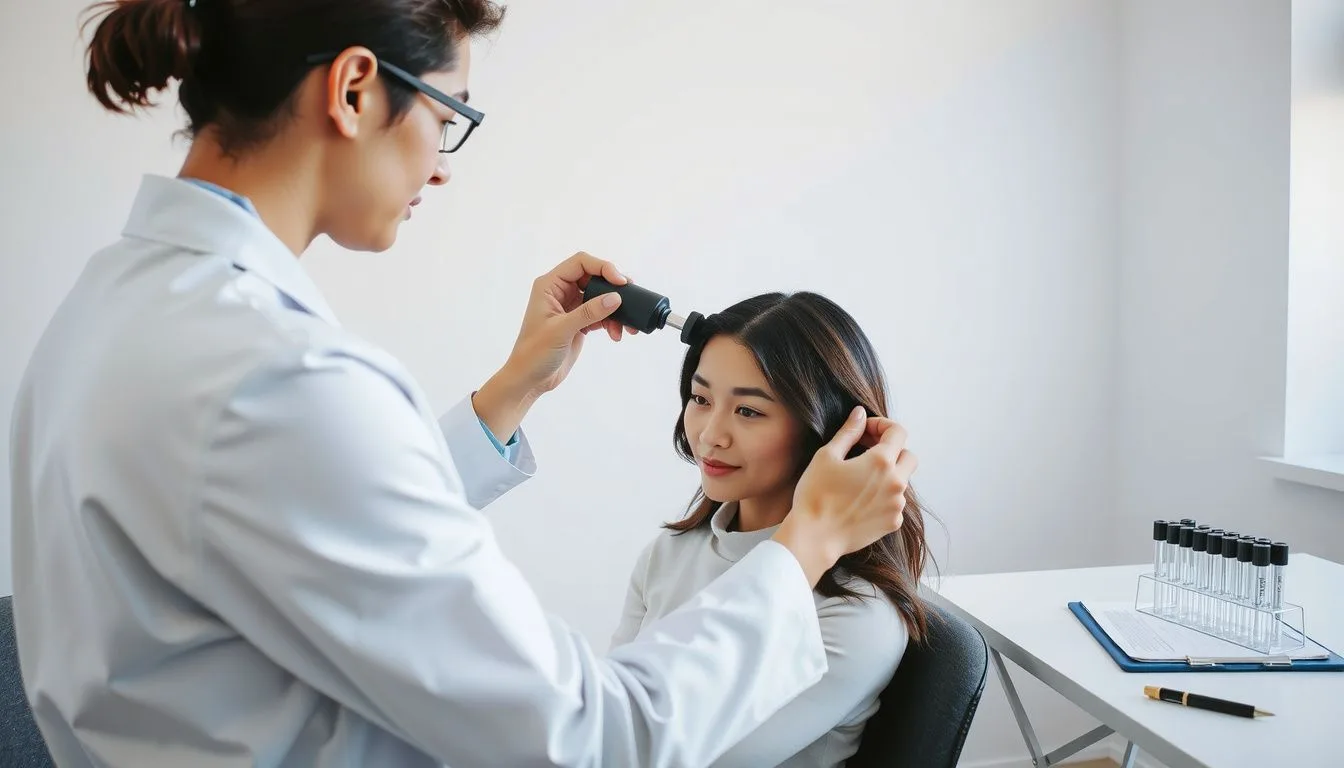
Diagnosis begins with your story, not a lab report. A clinician will ask when the shedding started, whether it is diffuse or patterned, how much hair you lose daily, and what changed around that time—pregnancy, illness, a new medication, or rapid weight loss. This history alone often narrows the field before any test is ordered.
A scalp examination follows, checking density, part width, and whether follicles are miniaturized or inflamed. Trichoscopy, a magnified view of the scalp, helps distinguish androgenetic thinning from alopecia areata and other conditions without cutting tissue.
Blood work then probes the internal causes discussed earlier. Typical panels include ferritin, thyroid-stimulating hormone, vitamin D, and, when signs suggest it, testosterone and DHEAS to screen for excess androgens. Each result either rules a cause in or out.
When the picture stays unclear, a small scalp biopsy can confirm what examination and blood work could not, giving you a precise starting point for treatment.
Evidence-Based Treatments and Long-Term Management Strategies
Once a diagnosis is confirmed, treatment is organized around how each option actually works rather than how aggressively it is marketed. Topical therapies such as minoxidil remain the most accessible first-line choice for many women, while oral medications like spironolactone or finasteride are typically reserved for hormonally driven patterns and require monitoring. Procedural approaches, including platelet-rich plasma injections and low-level laser therapy, may support follicular activity, though results vary and evidence is still developing. Corrective options such as hair transplant or camouflaging fibers address appearance rather than the underlying process, which matters when setting expectations.
The most important concept to absorb is that maintenance usually outlasts the initial treatment phase. Regrowth achieved with medication often depends on continued use; stopping abruptly can reverse gains within months. This is why realistic timelines matter — visible change generally takes several months, not weeks — and why periodic reassessment with your clinician helps determine whether a plan is working or needs adjustment.
Treatment should be viewed as an ongoing partnership rather than a one-time fix. Combining medical therapy with the nutritional and lifestyle support discussed earlier often produces the most durable results, and reassessing every six to twelve months keeps the strategy aligned with how your hair and health evolve.
FAQs
What are the most common causes of female alopecia?
The most common cause of female alopecia is androgenetic alopecia, also known as female pattern hair loss, which is driven by genetic predisposition and hormonal changes. Other frequent causes include telogen effluvium triggered by stress, illness, or nutritional deficiencies, as well as alopecia areata, an autoimmune condition. Traction alopecia from tight hairstyling and age-related thinning also contribute significantly to hair loss in women.
Can female alopecia be reversed with treatment?
Whether female alopecia can be reversed depends on its underlying cause. Conditions such as telogen effluvium and alopecia areata often improve or fully recover with appropriate treatment, while androgenetic alopecia typically cannot be cured but can be managed with medications like minoxidil or spironolactone to slow hair loss and promote regrowth. Scarring alopecias, by contrast, cause permanent follicle damage that cannot be reversed. Early diagnosis and consistent treatment generally offer the best chance of meaningful improvement.
Which treatment options work best for female alopecia?
The most effective treatment for female alopecia depends on the underlying cause, but minoxidil (topical or oral) and anti-androgens such as spironolactone are first-line options for androgenetic alopecia, while low-level laser therapy and platelet-rich plasma can serve as supportive treatments. For telogen effluvium or alopecia areata, addressing the trigger or using intralesional corticosteroids, topical immunotherapy, or JAK inhibitors often produces better results. Combining therapies typically yields the best outcomes, and a dermatologist should tailor the plan to the specific diagnosis, severity, and patient goals.