After washing your hair, you see a wet clump of strands in the drain. That pile can look like sudden, alarming loss, but wet hair clumps together and always looks larger than the same amount of dry hair. The question is whether what you are seeing is ordinary shedding or a sign that something has changed. The answer depends on how much hair you lose, when it happens, and what else is going on with your scalp and health.
How Much Hair Loss in the Shower Is Actually Normal?
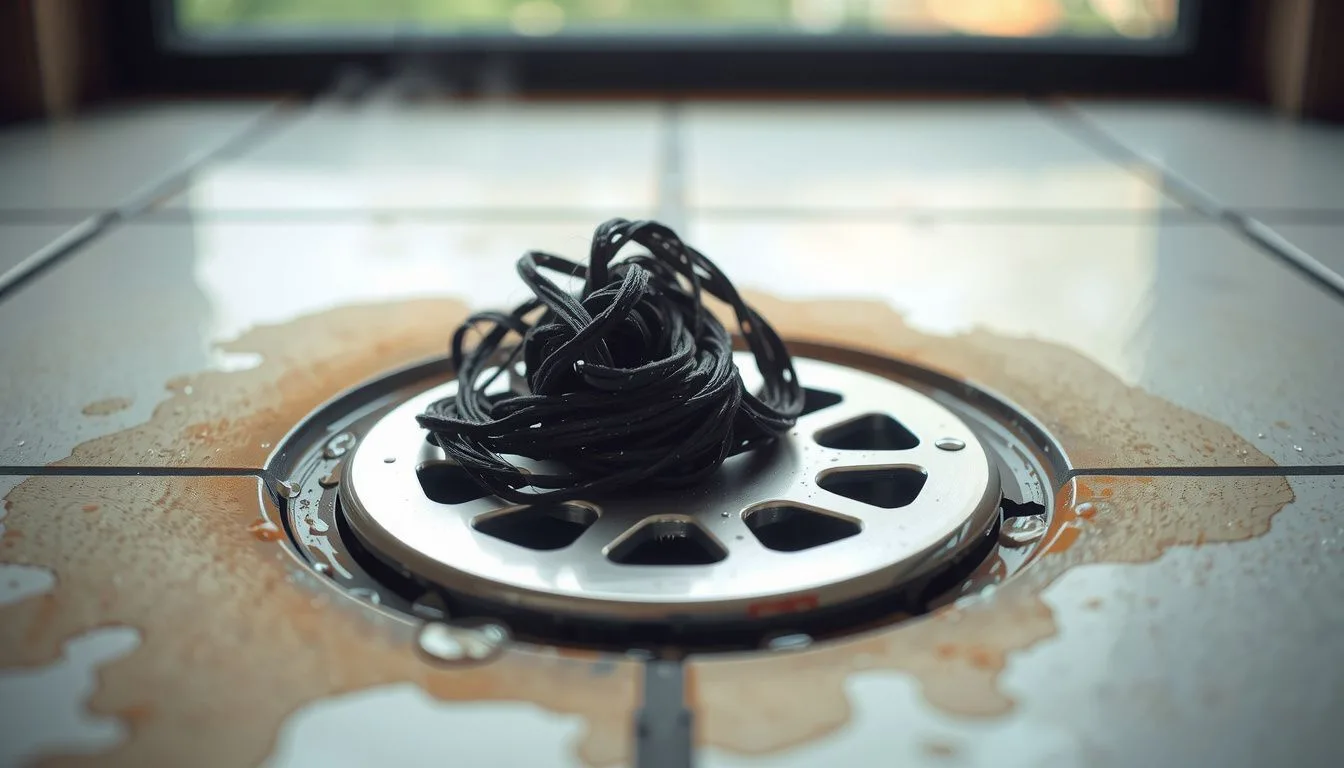
Dermatologists generally agree that shedding between 50 and 100 hairs per day falls within the normal range for most adults. That number surprises many people, because it sounds high until you understand where those hairs actually go. Hair cycles through growth, transition, and resting phases, and only the resting hairs are ready to fall. On a typical day, you lose some of them on your pillow, some on your clothes, and some down the drain. The total stays fairly steady even when the daily distribution does not.
Showering changes that distribution more than it changes the total. Water and shampoo help loosen hairs that were already detached but still sitting in the follicle, and the act of massaging your scalp moves them along. So a wash-day shower can concentrate a day or two of ordinary shedding into a single visible moment. For most people, a normal shower amount looks like a small, loose clump — roughly the size of a coin — or a light scattering of strands caught in the drain. Seeing that after washing is expected, not alarming.
What matters more than the exact count is whether the amount you see today resembles what you saw last month.
Why More Strands Seem to Fall Out on Wash Days
Hair does not fall at a steady, even pace. Each follicle cycles through growth, transition, and rest, and only the resting hairs are ready to shed. Those loose strands do not always drop the moment they loosen — many stay tucked among the surrounding hair, held in place by friction, styling products, or the simple tangle of the day.
Washing is what frees them. The massaging action of shampoo, the running water, and the combing that follows all dislodge hairs that were already detached and waiting. So the clump you see on wash day is often the accumulated release of several days, not a single day’s loss. If you wash less often, that clump looks larger simply because more time has passed between clearances.
This is why wash-day shedding can look alarming while the underlying daily rate stays completely ordinary. The number that matters is the total over time, not the amount in one drain. Seeing more hair on shampoo days is expected, not a warning sign on its own.
Common Causes Behind Sudden Shedding During Showers
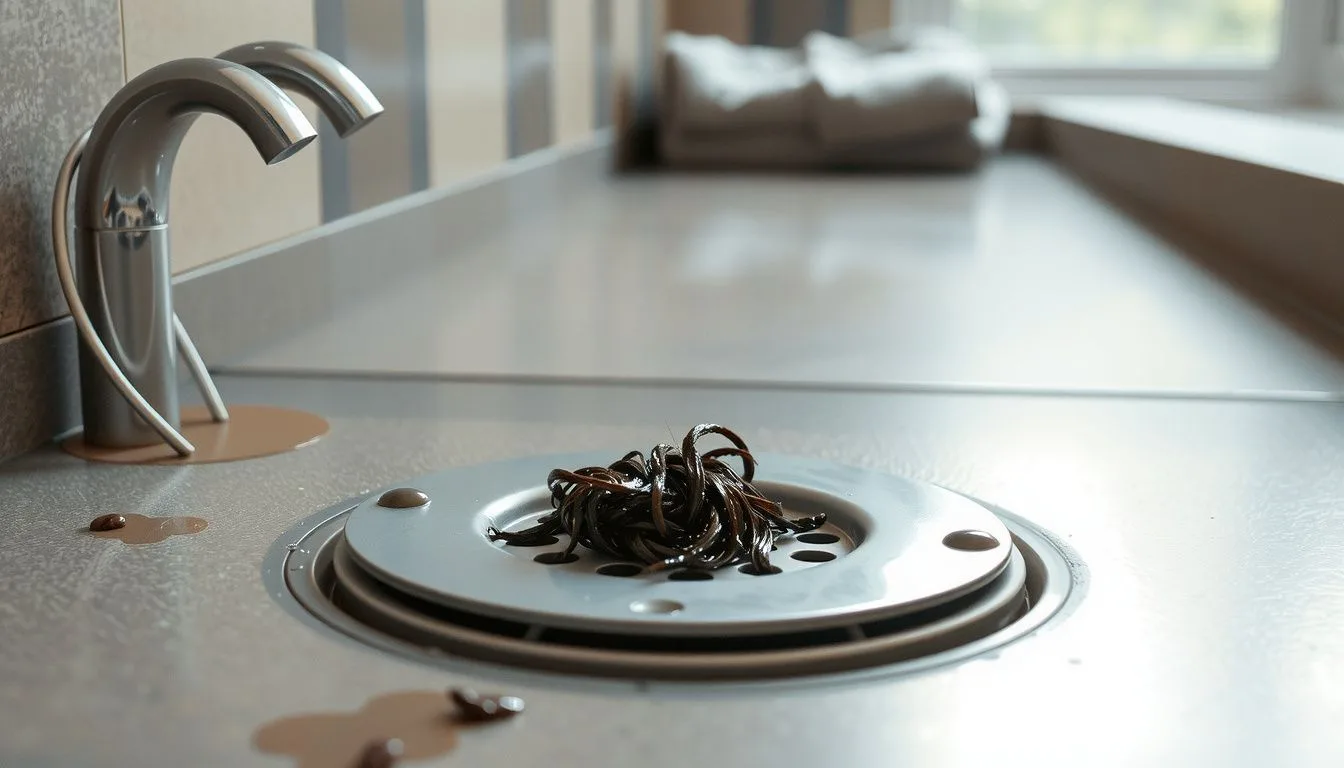
When shedding climbs above your usual baseline, the cause is often something that happened weeks or months earlier, not something you did in the shower that morning. Hair grows in cycles, and a disruption that pushes more follicles than normal into the resting phase will only become visible when those hairs are finally released — typically two to three months after the trigger. This delay is why connecting a recent event to what you now see in the drain takes some detective work.
Stress is one of the most common triggers. Physical strain such as surgery, a high fever, or a difficult illness, and emotional strain such as grief or prolonged anxiety, can both shift the hair cycle. Nutritional shortfalls also matter: low iron stores, insufficient protein, and deficiencies in vitamin D or zinc are frequently linked to increased shedding, particularly in people who have recently dieted or restricted food groups.
Hormonal shifts act on a similar timeline. Childbirth, stopping or starting hormonal contraception, thyroid changes, and the transition into menopause can all raise the number of hairs entering the resting phase. So can certain medications, including some antidepressants, blood thinners, and acne treatments.
Finally, styling and scalp habits play a role. Tight braids, frequent heat styling, harsh chemical treatments, and aggressive brushing can break or pull hairs that were never ready to shed. Unlike the internal triggers above, this kind of loss tends to appear sooner and is often concentrated where tension or friction is greatest.
When Shower Hair Loss Signals a Health Concern
Temporary shedding usually settles within a few months once the trigger passes, so the key question is whether your pattern is resolving or persisting. Shedding that continues well beyond six months, or that keeps escalating instead of easing, deserves a professional opinion rather than more waiting.
Watch for changes in the hair itself, not just the drain. Diffuse thinning across the scalp, widening of the part, or a visibly smaller ponytail suggests an ongoing process affecting many follicles at once. Smooth, round bald patches, scalp pain, itching, or scaling point in a different direction. So do accompanying symptoms such as fatigue, unusual weight change, or irregular periods, which may hint at thyroid, iron, or hormonal issues.
If any of these appear, a clinician typically reviews your history and triggers, examines the scalp and hair density, and may order blood tests before recommending treatment. Monitoring at home is reasonable for mild, stable shedding; an appointment is the better choice when the pattern is persistent, patchy, or paired with other symptoms.
Practical Steps to Reduce Hair Fall in the Shower
What you do around washing can make a real difference to how much hair you see in the drain, even though it cannot change an underlying medical cause. Start by detangling gently before you get in. Working through knots with a wide-tooth comb while your hair is dry reduces the force needed later, when wet strands are more fragile and stretch before they snap.
During washing, focus on the scalp rather than the lengths. Massage shampoo in with your fingertips instead of your nails, and let the lather run down the rest of your hair. Rinsing with warm rather than hot water helps preserve the scalp’s natural oils and keeps the hair cuticle smoother, so strands glide instead of catching. When you condition, apply it mainly to the ends.
Drying matters just as much. Skip rough towel rubbing and instead squeeze water out gently, then let hair air-dry or use a low heat setting. Brushing wet hair from the ends upward, rather than dragging a brush from root to tip, limits pulling.
These habits mainly reduce breakage and traction loss, so they lower the amount of hair you see without addressing shedding that has a medical cause. If your loss is persistent, they support but do not replace professional care.
FAQs
How much hair falling out in shower is actually normal?
It is normal to lose roughly 50 to 100 hairs per day, and much of that shedding can show up in the shower since washing and massaging the scalp loosens hairs that were already in the resting phase. Seeing a small clump or a dozen or so strands on your hands or in the drain after washing is generally not a cause for concern. However, if you consistently notice noticeably more hair than usual, thinning patches, or shedding that continues for several weeks, it may be worth checking with a doctor.
Can seasonal changes make hair falling out in shower worse?
Yes, seasonal changes can temporarily increase the amount of hair you notice falling out in the shower. Many people shed more hair during the autumn and spring because hair growth cycles can sync with seasonal shifts, and this shedding is usually normal and self-limiting. If the increase is mild and lasts a few weeks, it is rarely a sign of a problem. See a doctor if the shedding is heavy, persistent, or accompanied by thinning or scalp symptoms.
When should hair falling out in shower be a reason to see a doctor?
You should see a doctor if you notice a noticeable increase in hair shedding in the shower that persists for several weeks, or if the loss comes with scalp itching, burning, redness, or bald patches, since these can signal an underlying medical issue. Sudden, heavy shedding after illness, major stress, surgery, or starting a new medication also warrants a medical evaluation. If you are losing more than roughly 100 hairs a day or your part is widening and your scalp is becoming more visible, it is best to get checked for causes such as thyroid problems, anemia, or hormonal imbalances.