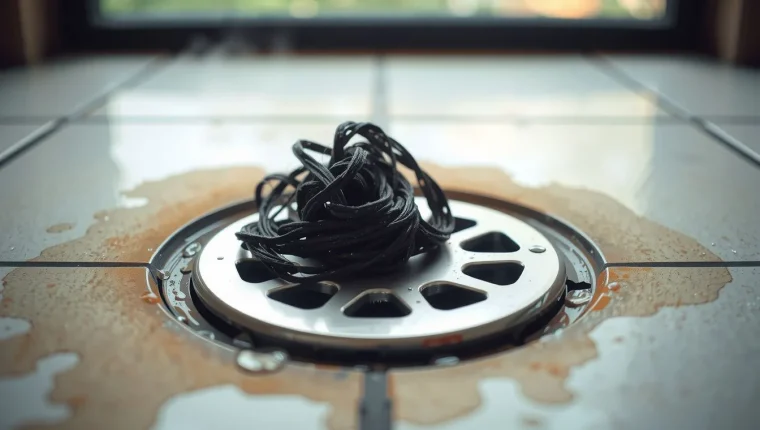
You notice white flakes on your shoulders and more hair than usual in your brush or on the pillow. That combination raises a question: Is your dandruff causing your hair loss, or are these separate problems happening at the same time? The answer depends on what is actually driving each symptom, not dandruff alone. A flaky, inflamed scalp can stress hair follicles, but many people with heavy flaking keep a full head of hair, and many people with thinning have no dandruff. Understanding scalp biology, shared causes of dandruff and shedding, warning signs that need a professional, and how treatment targets both can help you decide what to do next.
What Dandruff Really Is and Why It Forms
Dandruff is not simply dry skin shedding from the scalp. It is a common scalp condition in which the skin’s normal renewal cycle accelerates, causing cells to clump together and flake off as visible white or yellowish scales. On a healthy scalp, this turnover happens gradually and unnoticed. In dandruff, the process speeds up, so flakes become larger, more noticeable, and often accompanied by itching.
The main driver behind this change is a yeast called Malassezia, which naturally lives on most scalps. When its population grows or the scalp becomes sensitive to it, the immune system responds with mild inflammation. This reaction disrupts the skin barrier and speeds up cell turnover. Excess oil, or sebum, feeds the yeast and worsens the cycle, which is why dandruff tends to appear in oilier areas of the scalp.
The defining feature of true dandruff is this inflammation-driven flaking, not just dryness. That distinction matters, because several other scalp conditions can look similar but behave differently. Seborrheic dermatitis produces greasier, redder patches and can extend beyond the scalp. Psoriasis creates thicker, silvery scales, while fungal infections and contact reactions from hair products each have their own patterns. Recognizing what is actually happening on the scalp surface is the first step toward judging whether your flaking is ordinary or something that needs closer attention.
How a Flaky Scalp Affects Hair Follicles and Growth
Hair grows from the follicle, a tiny pocket beneath the skin’s surface that depends on a steady supply of oxygen, nutrients, and a stable environment to function properly. When the scalp becomes chronically flaky, that environment is disrupted. The same inflammation that produces visible flakes can extend into the tissue surrounding the follicle, creating a state of low-grade stress that interferes with normal growth cycles.
Two mechanisms tend to drive the effect. First, persistent inflammation can push follicles into the resting phase earlier than usual, which means more hairs are shed before replacements are ready. Second, the urge to scratch is difficult to resist, and repeated scratching damages the skin barrier and can physically irritate or dislodge hairs at the root. A compromised barrier also makes it easier for irritants and microbes to penetrate deeper layers of the scalp.
It is worth being precise here: dandruff alone rarely destroys follicles permanently. The relationship is usually indirect and reversible. Once the underlying scalp condition is brought under control, the follicle environment can recover, and shedding often slows. The key is recognizing that the scalp and the hair are not separate concerns—what irritates one tends to affect the other.
When Dandruff and Hair Loss Share the Same Root Causes
Sometimes flaking and shedding appear together not because one causes the other, but because both are downstream effects of the same condition. Seborrheic dermatitis is the clearest example: the same Malassezia overgrowth and inflammatory response that produces greasy, yellowish scales can also disturb the follicle environment, so a person notices both symptoms at once. In these cases, the scalp problem and the hair problem are two faces of one process.
Hormonal influences follow a similar pattern. Androgens can increase sebum production, which feeds the yeast involved in flaking, while also driving follicle miniaturization in pattern hair loss. A person may then see dandruff worsen and hair thin in the same period without either symptom directly causing the other. Inflammatory conditions such as psoriasis or eczema can behave the same way, irritating the scalp and stressing follicles through shared immune activity.
This matters because treating only the visible flakes may leave the shedding untouched. If a hormonal or inflammatory driver is present, a shampoo that clears scales will not address the follicle stress behind the hair loss. The decisive step is evaluating the underlying driver, not just the surface symptom.
Warning Signs That Flaking Is More Than Ordinary Dandruff
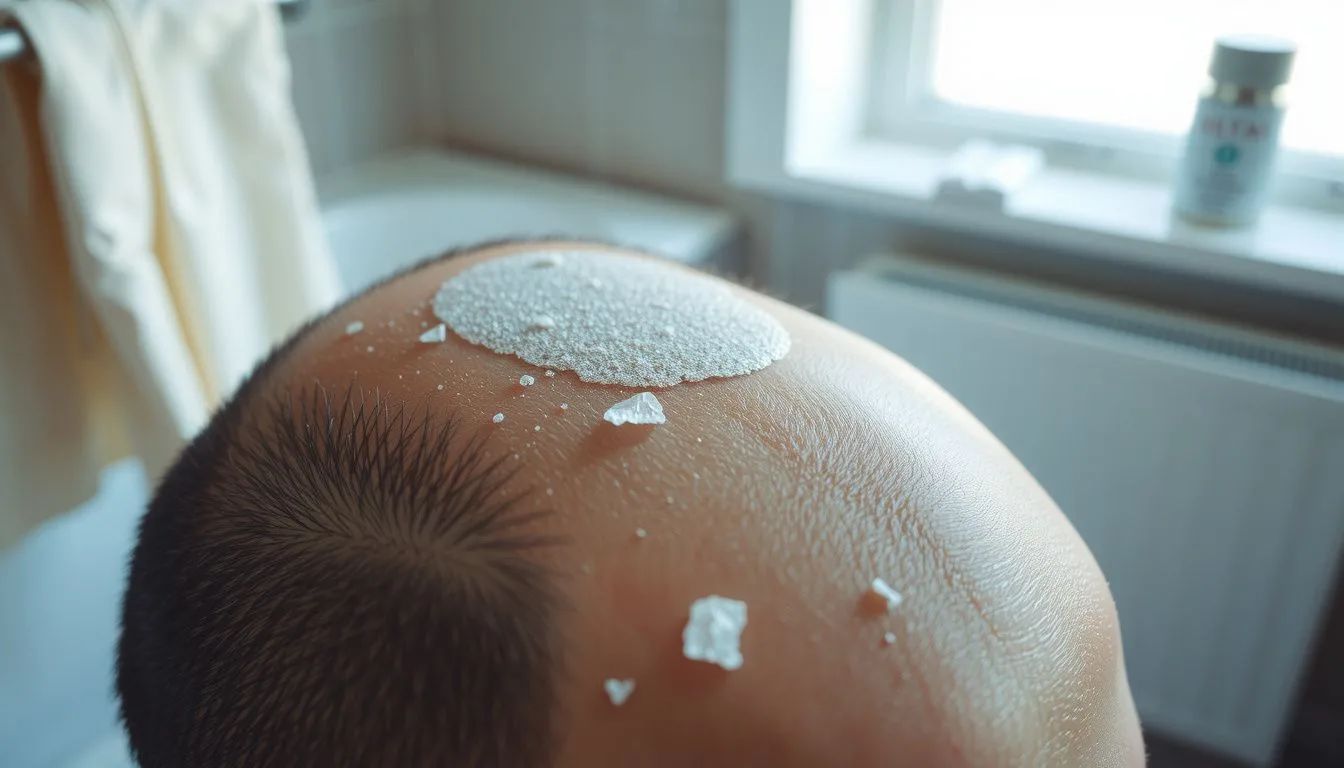
Most flaking responds to regular shampooing and settles within a few weeks. The picture changes when flaking comes with signals that point to an inflamed or infected scalp rather than simple shedding of dead cells. These signs matter because the sooner the underlying problem is identified, the less chance the follicle environment stays disrupted long enough to affect growth.
- Persistent redness or swelling: Color and puffiness that stay after washing suggest active inflammation, not routine flaking.
- Thick or silvery patches: Scales that cling to the scalp or extend past the hairline can indicate a condition beyond dandruff.
- Pain, burning, or itching that disrupts sleep: Discomfort at this level points to irritation deep enough to affect the follicle.
- Rapid or patchy shedding: Losing hair in clumps or distinct bald spots moves the concern beyond gradual thinning.
- Flaking that resists shampoo: No improvement after several weeks of consistent treatment suggests the cause is being missed.
Each of these cues changes the question from “how do I manage flakes” to “what is driving them.” A clinician can examine the scalp directly and distinguish between conditions that look similar on the surface, which matters because misdiagnosis delays the right treatment and lets inflammation continue. If any of these signs are present, professional assessment is the safer next step than experimenting with stronger products.
Treatment Approaches That Address Both the Scalp and the Hair
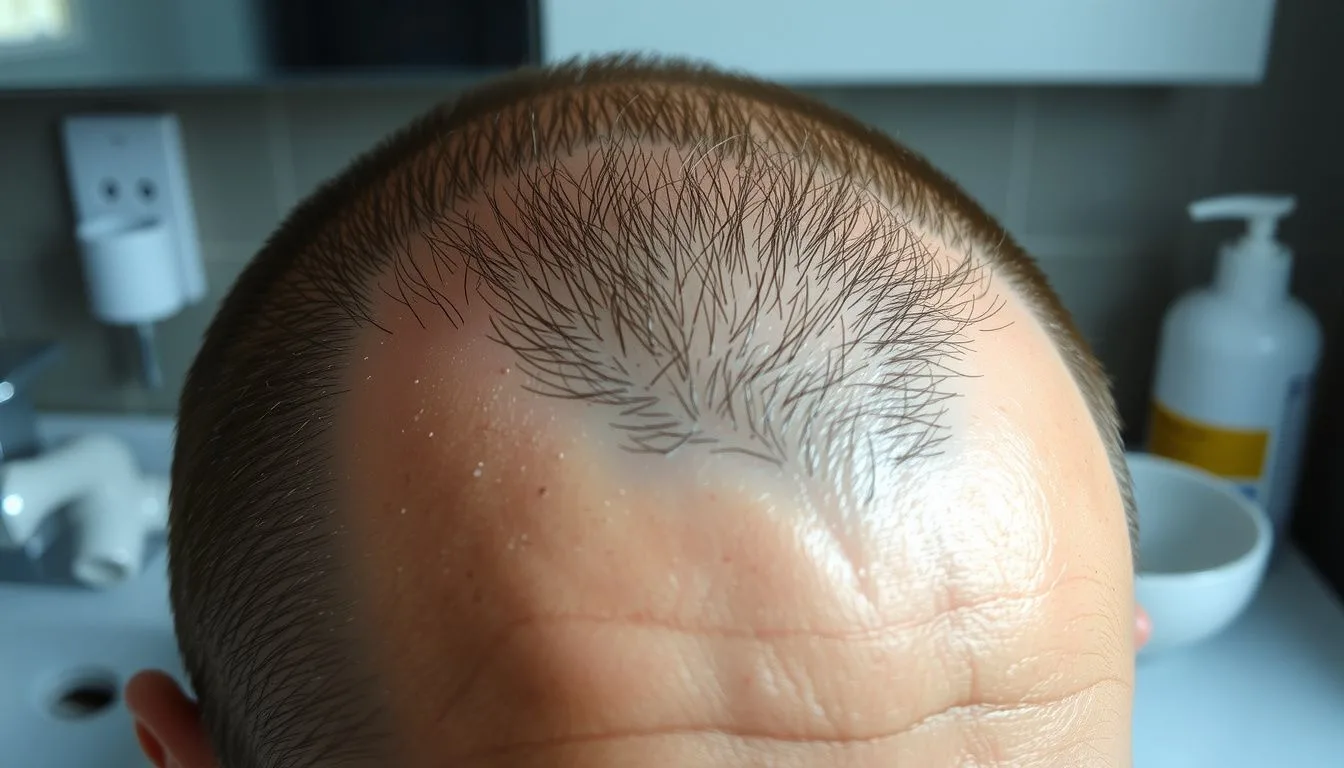
Treatment can be organized by what it actually targets. The first layer is the scalp surface, where medicated shampoos containing agents like ketoconazole, zinc pyrithione, or salicylic acid reduce flaking and control Malassezia overgrowth. These address the visible problem but may not resolve what is driving it.
The second layer is the underlying cause. If inflammation, a skin condition, or a hormonal factor is responsible, topical or oral treatments prescribed by a clinician aim at that root rather than the flakes alone. This is why identifying the cause matters more than choosing the strongest shampoo.
The third layer supports hair itself. Once the scalp environment is calmer, treatments such as minoxidil or other regrowth therapies may help follicles recover. Combining approaches matters because calming the scalp without supporting the follicle may leave shedding unaddressed, while treating hair alone may fail if the scalp remains inflamed.
Response takes time. Scalp flaking often improves within weeks, but hair regrowth follows a slower cycle measured in months. The right combination depends on the cause identified earlier, so treatment choice should follow diagnosis, not precede it.
FAQs
Does dandruff actually cause hair loss, or do they just happen together?
Dandruff itself does not directly cause hair loss, since the flaking is a symptom of scalp irritation rather than a destructive process that damages hair follicles. The two often appear together because conditions like seborrheic dermatitis, which drives most dandruff, can inflame the scalp and weaken hair at the root, leading to temporary shedding. Persistent scratching of an itchy, flaky scalp may also pull out hairs and worsen the appearance of thinning. When the underlying scalp condition is treated, this type of shedding is usually reversible, but ongoing or severe hair loss should be evaluated by a doctor to rule out other causes such as androgenetic alopecia.
Can treating dandruff help stop or reverse hair thinning?
Treating dandruff can help stop or reverse hair thinning when the thinning is caused or worsened by the same scalp inflammation, such as in seborrheic dermatitis, where medicated shampoos may reduce shedding and support regrowth. However, if the thinning is driven by androgenetic alopecia or another unrelated cause, clearing dandruff alone will not restore lost hair. In those cases, dandruff treatment improves scalp health but needs to be combined with appropriate hair loss therapy to address the underlying condition.
When should I worry that dandruff and hair loss point to a bigger scalp condition?
You should consider seeing a dermatologist when dandruff is accompanied by persistent, patchy hair loss, intense itching, redness, scaling, or crusting that does not improve with regular anti-dandruff shampoos. These signs can point to conditions such as seborrheic dermatitis, scalp psoriasis, fungal infections, or folliculitis that may require prescription treatment. You should also seek evaluation if the hair loss is sudden, spreading, or accompanied by pain, pus, or open sores on the scalp. Early diagnosis helps prevent permanent damage to hair follicles and supports more effective treatment of the underlying scalp condition.