A receding hairline rarely announces itself. You notice it in a photo, a bathroom mirror, or a passing reflection, then ask whether it is permanent and what can actually be done about it. A bad hairline is not one condition. It can mean a maturing hairline, diffuse thinning, a receding temple, or a widening part, and each pattern responds differently to treatment.
Some causes are genetic, others are tied to stress, nutrition, or styling habits that pull and damage hair over time. Because the reasons differ, so do the realistic responses, ranging from simple grooming changes to medical and surgical options. The sensible path is to understand what is driving your hairline, judge how far it has progressed, and then choose a step that fits your stage and expectations.
Understanding What Causes a Receding Hairline

The most common driver behind a receding hairline is genetics, working together with hormones. If your father, grandfathers, or brothers lost hair in the same pattern, you are likely seeing the early signs of androgenetic alopecia. In this process, testosterone converts into dihydrotestosterone (DHT), which gradually shrinks hair follicles along the temples and the front of the scalp. That is why the hairline often retreats before thinning appears elsewhere.
Age plays a supporting role. Even without strong family history, follicles naturally produce thinner, shorter hairs over time, so the hairline can look sparser simply because each strand carries less volume. Androgenetic alopecia remains the dominant cause, but it rarely acts alone.
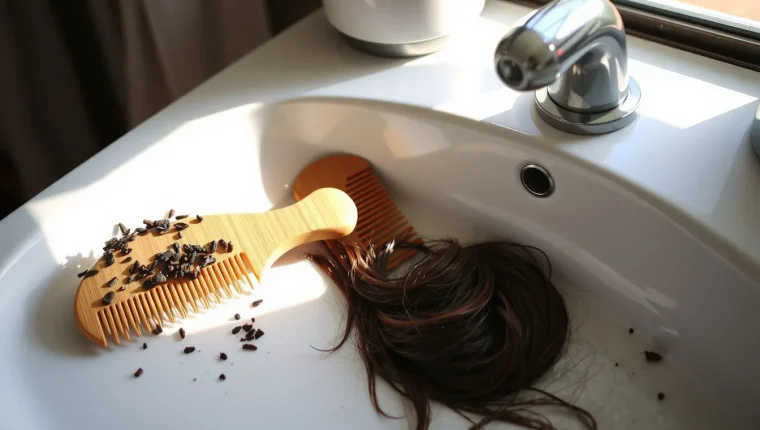
Lifestyle and health factors can accelerate what genetics started. Chronic stress, poor sleep, crash diets, and low iron or vitamin D may push follicles into a resting phase and make an existing hairline look worse. Tight hairstyles, frequent pulling, and harsh chemical treatments can also damage the hairline directly, a condition sometimes called traction alopecia. Medical issues such as thyroid imbalance or scalp infections can add to the problem.
Each cause tends to show up differently at the hairline: genetics usually creates a gradual M-shaped recession, while stress or nutritional gaps cause more diffuse shedding. Knowing which driver is at work matters because the cause shapes which realistic options can actually help.
How to Assess the Severity of Your Hair Loss
Before choosing any treatment, you need an honest picture of where your hair loss actually stands. Dermatologists often use recognized staging scales, such as the Norwood system for men, as a shared reference point. These scales describe patterns of recession and thinning, giving you a common language for what you are seeing.
You can also track change yourself. Take photos from the same angle and lighting every few months, and compare hair density at the temples and crown over time. A family history of early loss is another useful signal, since it often predicts how quickly your own pattern may progress.
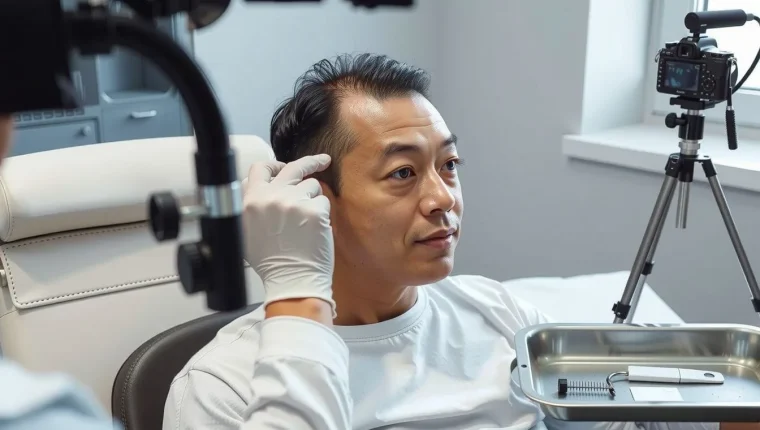
Self-assessment has limits, though. If the rate of change feels fast, if you notice sudden shedding, or if the pattern looks unusual, a doctor or specialist can confirm the cause and stage. That professional view helps you match your next step to reality rather than guesswork.
Non-Surgical Treatments That Can Restore Density
Non-surgical care works best when you treat it as ongoing management rather than a one-time fix. The available options fall into three broad groups: prescription drugs, topical solutions, and in-clinic adjunct treatments. Each works differently, and each comes with its own realistic ceiling on results.
Prescription medications aim to slow loss and, in some users, support partial regrowth. They typically require several months before any change becomes visible, and they only hold their effect while you keep using them. Topical solutions applied directly to the scalp follow a similar logic: consistent daily use, gradual results, and a return to baseline if you stop. Common side effects are usually mild, but they are worth reviewing with a clinician before you commit.
Adjunct treatments such as low-level light therapy or platelet-rich plasma injections are often used alongside the options above rather than on their own. Evidence for these is mixed, and results vary widely between individuals. What they share is a need for repeated sessions and a cost that adds up over time.
The most important expectation to set is that non-surgical treatment is generally about maintenance and modest improvement, not full restoration. A professional can help you match a realistic plan to your situation and track whether it is actually working.
Hairstyles and Grooming Tricks That Minimize the Look of Thinning

You do not have to wait for a long-term solution to look better today. Haircut strategy comes first, because length and layering change how the hairline reads. Short, textured cuts with a slightly longer front section soften a receding edge, while heavy, flat styles expose it. Ask for graduation and movement rather than a uniform length that collapses against the scalp.
Styling direction matters just as much. Combing hair back and up adds lift, whereas slicked-back or center-parted looks draw the eye straight to the temples. A volumizing product applied at the roots creates lift without weight, and a matte finish reads thicker than a wet shine. Color offers quiet coverage: a shade close to your natural tone reduces contrast between hair and scalp, and light texture from a sea-salt spray or matte clay adds bulk.
Finally, balance the frame. Well-kept facial hair or a defined beard line shifts attention downward and can visually anchor a softer hairline. Keep sideburns tidy and avoid heavy products that clump thin strands. These changes cost little and take effect immediately while you weigh the more permanent routes covered next.
When to Consider Hair Transplant or Advanced Restoration
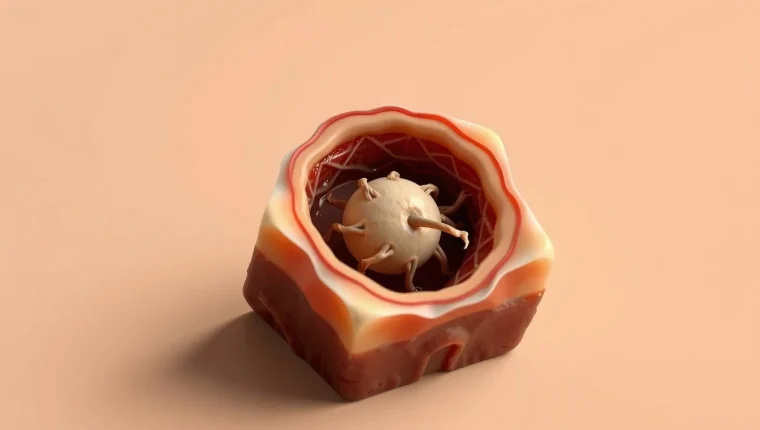
Non-surgical options have limits, and recognizing them saves time and money. When hair loss has stabilized but the follicles themselves are gone, no topical or oral treatment will bring them back. A smooth, shiny patch at the temples or crown usually signals permanent follicle loss, meaning the structure that once produced hair no longer exists. If you have tracked your hairline for a year and the recession has held steady while the bare areas stay bare, you are likely past the point where density-focused treatments can satisfy you.
Hair transplant surgery moves healthy, genetically resistant follicles from the back of the scalp to thinning zones, where they continue to grow for life. Advanced restoration may also include platelet-rich plasma, low-level laser therapy, or follicle-unit extraction techniques, depending on your pattern and goals. These are commitments: procedures take hours, recovery involves weeks of careful care, and results appear gradually over months.
Before booking anything, verify a provider’s credentials, ask to see unretouched before-and-after photos, and discuss a realistic outcome for your stage. A good surgeon will tell you what a transplant cannot fix as clearly as what it can.
FAQs
What actually causes a bad hairline, and can it be reversed without surgery?
A bad hairline most often results from genetics and the hormone DHT, which gradually miniaturizes hair follicles along the temples and forehead, though traction, styling damage, and aging can also play a role. Whether it can be reversed without surgery depends on the cause: early-stage thinning may respond to treatments like minoxidil, finasteride, or low-level laser therapy, while a matured or scarred hairline typically will not regrow on its own. For many people, non-surgical options can slow loss and improve density, but a fully receded hairline usually requires surgical restoration to rebuild.
Which hairstyles and styling tricks can disguise a receding hairline instantly?
A side-part or a textured fringe styled forward can cover a receding hairline immediately, while a short, tapered cut with added volume on top draws attention away from the temples. Using a matte styling product and blow-drying hair upward at the front creates the illusion of fuller coverage without exposing thin areas. Avoiding a slicked-back look and keeping the hair slightly tousled helps soften the hairline and makes recession far less noticeable.
Are hair transplants, medications, or scalp treatments the most effective long-term fix for a bad hairline?
For a receding or uneven hairline, medications like finasteride and minoxidil are the most effective long-term solution because they slow or stop ongoing hair loss and help you keep the hair you still have. A hair transplant can restore a fuller hairline, but it works best alongside medication, since transplanted hair stays while your natural hair may continue to thin. Scalp treatments and shampoos can support scalp health but rarely reverse a bad hairline on their own, so the strongest long-term approach usually combines medication with a transplant when appropriate.