Noticing more hair in the drain or a receding hairline raises a practical question: which balding treatment options work, and which are just marketing? The market offers serums, lasers, supplements, and clinic procedures, each with confident claims and little context. Most people need a clear standard, not another product pitch: what has real clinical evidence, what results are realistic, and what each option demands in time, cost, and commitment. Hair loss has several causes, and the right choice depends on the type and stage of loss. This matters because options include causes, medications, procedures, and daily habits.
Why Hair Loss Happens: Understanding the Root Causes
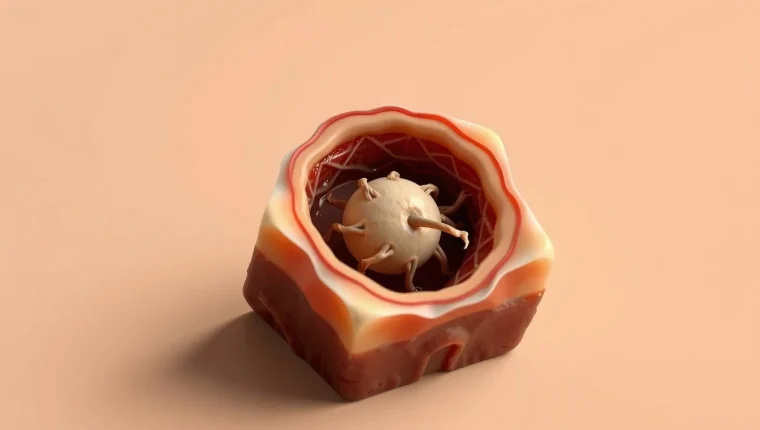
Hair does not grow continuously; it cycles through growth, transition, and rest phases. Most follicles are in the growth phase at any given time, which is why a healthy scalp sheds only a small number of hairs daily. Visible thinning appears when this cycle is disrupted and more follicles shift into the resting phase or shrink over time.
The most common driver is androgenetic alopecia, a genetic sensitivity that causes follicles to miniaturize under the influence of hormones like DHT. This pattern typically produces a receding hairline or thinning crown and tends to progress without intervention. Other causes are more temporary or diffuse: nutritional deficiencies, thyroid imbalances, medication side effects, severe stress, and hormonal shifts can all push hairs into shedding.
Distinguishing these matters because a treatment that targets one cause may do nothing for another. A hormonal or genetic cause calls for a different approach than a nutritional or stress-related trigger, so identifying the underlying mechanism is the first step toward choosing an option that actually addresses it.
Which Balding Treatment Options Have Real Evidence Behind Them
Not all hair loss claims deserve the same trust. In research terms, the strongest evidence comes from randomized controlled trials that are repeated across different groups and produce consistent results, ideally confirmed by independent teams. Weaker support looks like single small studies, laboratory findings that were never tested on people, or testimonials that cannot be verified.
Sorting the main categories by that standard shows a clear hierarchy. Medication sits at the top, followed by in-clinic procedures, while most supplements and cosmetic products rest on thin or indirect evidence. The table below places these categories side by side so you can see which ones are worth pursuing first.
| Category | Strength of Evidence | Typical Use Case |
|---|---|---|
| Medications | Strong — multiple controlled trials | Early to moderate thinning |
| Procedures and surgery | Moderate to strong for suitable candidates | Advanced or localized loss |
| Low-level laser and similar devices | Moderate, mixed results | Supportive use alongside other options |
| Supplements and cosmetics | Weak or anecdotal | General hair care, not proven regrowth |
This ranking matters because it tells you where to spend your effort and money. Categories with strong evidence tend to work best when started early, while weaker options rarely deliver on their promises.
Medications That Slow or Reverse Hair Loss
Two medications dominate the evidence for slowing or reversing hair loss: minoxidil and finasteride. Minoxidil, applied topically or taken orally, is a vasodilator that extends the growth phase of the hair cycle and widens the follicle, which is why it can thicken existing hairs and revive follicles that have miniaturized but not yet scarred over. Finasteride works differently: it blocks the enzyme that converts testosterone into dihydrotestosterone (DHT), the hormone that shrinks follicles in androgenetic alopecia. By lowering DHT, finasteride slows the underlying driver of pattern baldness rather than just masking it.
Realistic expectations matter. Most users see visible change only after three to six months of consistent use, and results fade if treatment stops—these are maintenance drugs, not cures. Finasteride tends to work best on crown thinning and can regrow modest amounts of hair; minoxidil is more versatile but often produces softer, less dramatic regrowth. Combining the two is common and generally more effective than either alone.
Side effects are usually mild but worth knowing. Minoxidil can cause scalp irritation or, rarely, unwanted facial hair. Finasteride carries a small risk of sexual side effects such as reduced libido or erectile difficulty, which typically resolve after stopping. Finasteride is not for women who are pregnant or may become pregnant, and both options should be discussed with a clinician before starting.
Procedures and Surgeries for Advanced Hair Loss
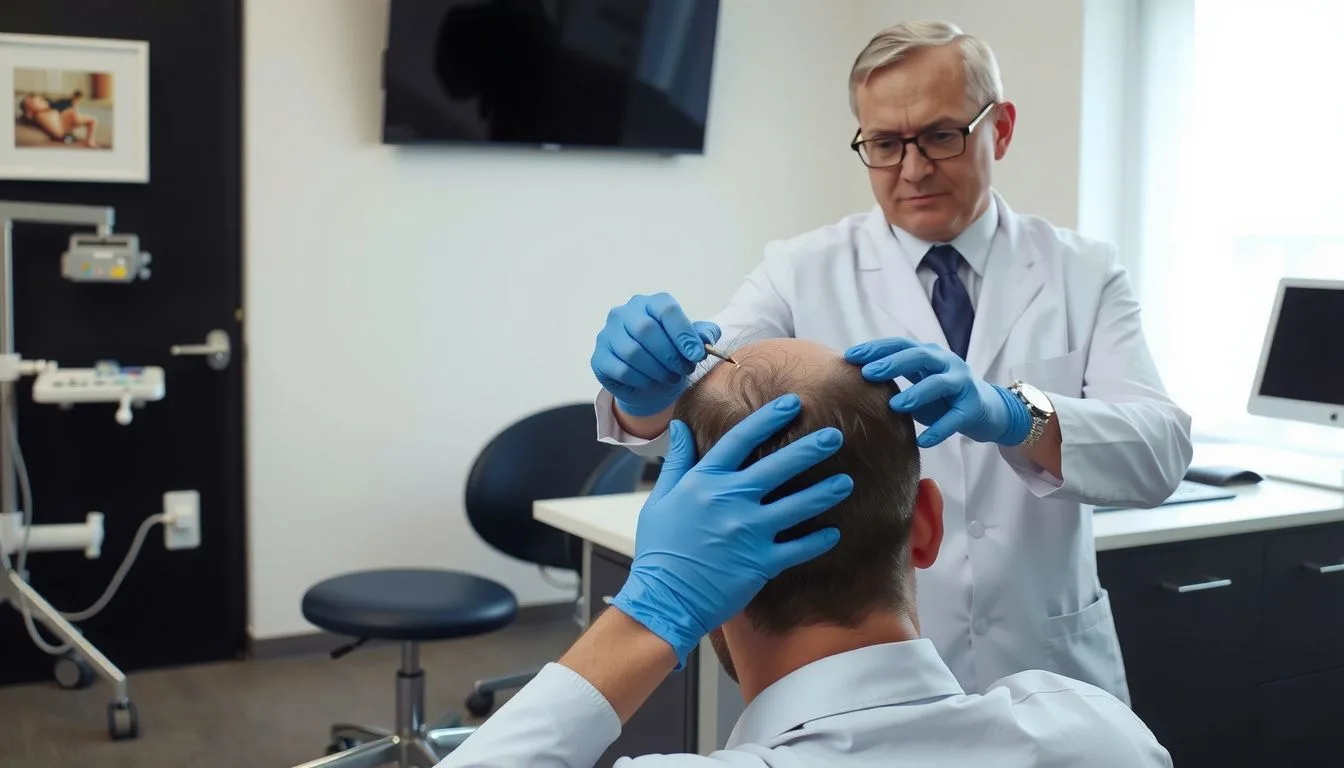
When medication and other treatments can no longer restore enough density, procedures become the next realistic step. The most established option is hair transplantation, which moves genetically resistant follicles from the back and sides of the scalp into thinning or bald areas. Because those follicles are not sensitive to the hormone that drives pattern loss, they tend to keep growing after they are relocated. Follicular unit excision and strip harvesting are two common methods, and both redistribute existing hair rather than creating new follicles.
Candidacy matters more here than with any other option. The best candidates have stable, well-defined loss, a healthy donor supply, and realistic expectations. Advanced or rapidly progressing loss changes the calculus: surgeons often want the pattern to settle first so the transplanted hairline still looks natural years later. Diffuse thinning, active medical conditions, or an insufficient donor area can make transplantation a poor fit.
Recovery is usually manageable, with initial shedding followed by gradual growth over several months, and results that can last for years. What procedures cannot do is stop ongoing loss or restore follicles that are already gone. That is why they work best alongside the medical treatments covered earlier, protecting both the transplanted and native hair.
Daily Habits and Products That Support Lasting Results

Even the most effective treatment for hair loss depends on what happens between appointments. Daily habits do not regrow hair on their own, but they protect the environment where regrowth has to occur, which is why they matter most alongside medication or after a procedure.
The habits with real value are unglamorous. Wash gently with a mild shampoo and fingertips rather than nails, avoid tight hairstyles and harsh chemical processing, and treat scalp health as part of the routine rather than an afterthought. Managing stress, eating adequate protein and iron, and quitting smoking support the follicle environment, though none of these replaces proven therapy.
Products deserve more skepticism. Most “hair growth” serums and supplements lack strong evidence, and some marketed shampoos do little beyond cleansing. What genuinely helps is consistency: applying medication daily, attending follow-ups, and staying patient through the months before visible change appears. Results fade when routines slip, so the daily effort is what keeps earlier gains from quietly reversing.
FAQs
Which balding treatment has the strongest scientific evidence behind it?
Minoxidil and finasteride are the two balding treatments with the strongest scientific evidence, supported by decades of randomized controlled trials and consistent clinical results. Finasteride generally produces the most robust regrowth in men by lowering DHT, while minoxidil works topically for both men and women. Low-level laser therapy and microneedling have promising but weaker evidence, and most other remedies lack rigorous proof.
How long does it usually take before a balding treatment shows visible results?
Visible results from most balding treatments typically take three to six months, since hair grows slowly and follicles need time to respond. Minoxidil and finasteride often show early signs like reduced shedding within two to three months, with clearer regrowth by six months. Low-level laser therapy and other options usually require similar patience, and full results may take up to a year of consistent use.
Are there any new balding treatment options that dont require a prescription?
Yes, several over-the-counter options can help slow hair loss or support regrowth without a prescription. Topical minoxidil remains the most proven non-prescription treatment and is available as a liquid or foam for both men and women. Some people also try low-level laser devices, biotin or other supplements, and caffeine-based shampoos, though the evidence for these is weaker than for minoxidil. Results vary, and it is best to set realistic expectations and consult a doctor if hair loss continues.