Choosing a breast implant comes down to two main materials: silicone and saline. Silicone implants remain the most popular choice worldwide, largely because their gel filling feels and moves more like natural breast tissue than saline alternatives. But popularity doesn’t automatically make them the right choice for you. Silicone implants have real advantages, including a lower risk of visible rippling and better shape retention over time. They also come with trade-offs: the procedure typically requires a slightly longer incision, and a silent rupture—one you can’t see or feel—is possible, so the FDA recommends regular MRI or ultrasound screening starting a few years after surgery. Understanding the silicone implants pros and cons and knowing which body types, age groups, and goals they suit best are key to making a decision you’ll be comfortable with for decades, not just the first few months after surgery.
What Are Silicone Implants and How Do They Work?
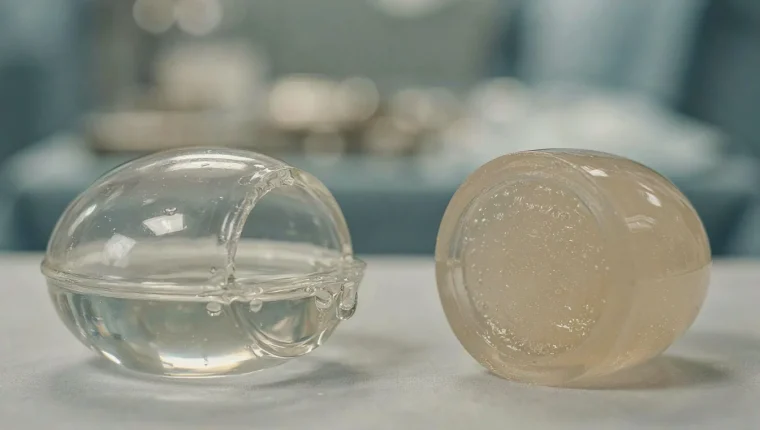
Silicone implants are medical devices composed of a solid silicone outer shell filled with silicone gel, a soft, cohesive material designed to closely mimic the feel of natural breast tissue. Unlike earlier generations that used thinner, more liquid gel, today’s implants contain a highly stable filler that holds together even if the shell is compromised, which is one of the reasons they remain the most popular choice in breast augmentation worldwide.
The way they work is refreshingly simple. During surgery, the implant is placed either directly behind the breast tissue or beneath the chest muscle, depending on your anatomy and aesthetic goals. From that point on, the implant acts as a volume-adding structure: it creates projection, restores fullness lost after pregnancy or weight changes, and helps achieve a balanced silhouette. Because the gel inside has a consistency similar to human fat, silicone implants move and settle in a way that many patients describe as more natural than alternatives.
The engineering behind these devices has evolved considerably. Modern implants feature multiple shell layers and tightly cross-linked gel, a design often referred to by manufacturers as form-stable or “gummy bear” technology in certain styles. Their texture, shape (round or teardrop), and profile can all be customized to match your body proportions.
Understanding this basic structure matters, because the material’s cohesive nature directly influences how the implant behaves over time — including how problems are detected and how long results typically last.
Silicone Implants Pros and Cons at a Glance
When people start researching breast augmentation, the sheer volume of opinions online can feel overwhelming. Some sources praise silicone implants as the gold standard of natural results, while others focus almost entirely on rare complications. The truth lives somewhere in between, and it becomes much easier to navigate once you see the core trade-off laid out clearly: silicone generally delivers a more natural look and feel, but it demands closer long-term monitoring and a slightly higher upfront commitment from the patient.
Before diving into the details of each side, it helps to have the essentials in one place. The points below represent the considerations that come up most often in real consultations, and they set the stage for the deeper discussions in the sections that follow.
- Natural look and feel: The cohesive silicone gel closely mimics breast tissue, which is why many patients and surgeons consider it the most realistic option available today.
- Smaller incision options: Because gel holds its shape, implants can often be placed through shorter incisions than saline alternatives require.
- Silent rupture risk: A leak may not be obvious, so guidelines typically recommend periodic MRI or ultrasound screening starting a few years after surgery.
- Larger incision during replacement: If an implant needs to be removed or swapped, the procedure is usually more involved than with saline.
- Higher initial cost: Silicone implants and the recommended follow-up imaging tend to make the total investment greater over time.
None of these factors is automatically a deal-breaker — what matters is how they align with your anatomy, your lifestyle, and your tolerance for ongoing monitoring. A patient who values a natural silhouette and is comfortable with scheduled screening may find the trade-offs trivial, while someone prioritizing simplicity and lower long-term costs may lean differently. Keep this balance in mind as we unpack each advantage and drawback in detail.
The Advantages: Why Patients Choose Silicone
For most patients who decide on silicone, the deciding factor is remarkably consistent: how the result looks and feels over time. The cohesive gel inside modern silicone implants moves and responds to body temperature and positioning in a way that closely mimics natural breast tissue. This natural look and feel is especially noticeable in women with less existing breast tissue, where the implant’s edges are more likely to show through the skin.
There are practical advantages beyond aesthetics, too. Because silicone implants hold their shape and don’t fold as easily as saline versions, surgeons can often use smoother, more form-stable devices that age gracefully within the body. Rippling — those subtle visible wrinkles that can appear under thin skin — tends to be far less common with silicone fill.
Incision strategy is another point in silicone’s favor, particularly for first-time surgery. Modern cohesive gel implants can often be placed through a shorter incision than a comparable saline implant would require, which can mean a less conspicuous scar. For patients concerned about visible marks along the inframammary fold or around the areola, this is a genuine benefit worth discussing during consultation.
Finally, many patients report a higher level of day-to-day confidence with silicone. Whether dressing for work, exercising, or wearing clothing without structured support, the results tend to feel less like a device and more like a part of the body. That sense of integration — where the implant stops drawing attention to itself — is exactly what most augmentation patients hope to achieve, and it’s the reason silicone remains the dominant choice in many practices today.
The Disadvantages and Potential Risks to Consider

Every implant choice involves trade-offs, and being honest about them is what leads to a decision you’ll be happy with years from now. The most discussed concern with silicone implants is the silent rupture — a tear in the shell that leaks gel without any visible change in the breast’s shape. Because there’s often no obvious sign, the FDA recommends periodic MRI or ultrasound screening starting a few years after surgery, which adds ongoing cost and vigilance that saline patients don’t face.
Beyond rupture detection, there are practical and financial considerations. Silicone implants typically cost more upfront than saline, and when replacement eventually becomes necessary — whether due to rupture, capsular contracture, or simply aging implants — the incision and surgery are usually larger and more involved.
Other risks deserve a place in your conversation with a board-certified surgeon. Capsular contracture, where scar tissue tightens around the implant and causes firmness or discomfort, remains the most common complication across both implant types. Some patients also report changes in nipple or breast sensation, and a small number experience conditions such as BIA-ALCL, a rare lymphoma linked to certain textured implants — a risk that has dropped significantly as textured devices have been largely withdrawn from the market.
Finally, keep expectations realistic: silicone implants are not lifetime devices. Most surgeons advise planning for replacement or revision at some point within 10 to 20 years, so budgeting for future imaging and possible surgery is part of responsible decision-making, not pessimism.
Silicone vs. Saline: Key Differences That Matter
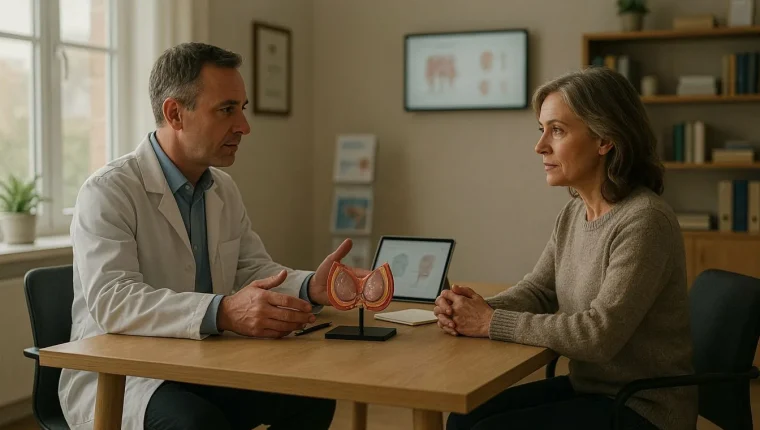
When you’re choosing between implant types, the real question isn’t which one is “better” — it’s which one matches your priorities. Both silicone and saline implants are FDA-approved, safe, and widely used, but they differ in ways that shape your surgery, your recovery, and even how you’ll monitor your implants years down the road. Understanding these distinctions helps you have a more productive conversation with your surgeon.
Here are the differences that matter most in everyday practice:
- Look and feel: Silicone gel closely mimics the density and movement of natural breast tissue, which is why many patients and surgeons consider it the more natural-feeling option. Saline implants are filled with sterile salt water and can feel slightly firmer, sometimes with visible rippling in patients who have little natural breast tissue.
- Rupture behavior: When a saline implant leaks, the breast visibly deflates within days, so you know immediately. A silicone rupture is often a silent rupture — the gel stays contained and there may be no obvious sign, which is why the FDA recommends regular MRI or ultrasound screening starting around five to six years after surgery.
- Incision and placement options: Saline implants are filled after they’re placed, allowing smaller incisions, while silicone implants come pre-filled and typically require a slightly longer incision.
- Age requirements: In the United States, silicone implants are approved for patients 22 and older for cosmetic augmentation, while saline implants are approved from age 18.
- Cost: Silicone implants generally cost more upfront, partly due to the implant itself and partly due to recommended follow-up imaging over the years.
One practical point worth weighing: some patients choose saline specifically because a rupture announces itself clearly, eliminating the worry of undetected gel leakage. Others accept the screening requirement as a fair trade for the more natural result silicone provides. Neither position is wrong — it comes down to how much value you place on feel and appearance versus simplicity of monitoring.
It’s also worth noting that modern silicone implants have evolved considerably. Highly cohesive “gummy bear” gel holds its shape even if the shell is compromised, reducing concerns about free gel migration. Your surgeon can show you both implant types during consultation, and many patients find that touching them settles the decision faster than any comparison chart can.
Who Makes the Best Candidate for Silicone Implants?

Ideal candidates for silicone implants tend to share a few practical traits rather than one single profile. Age is the clearest starting point: in the United States, silicone implants are FDA-approved for patients 22 and older, while saline implants have no such restriction. This age requirement exists largely because silicone’s benefits are best appreciated in mature breast tissue, and because patients need enough perspective to commit to follow-up care.
Beyond age, the strongest candidates are usually those who prioritize a natural look and feel and who have a modest amount of existing breast tissue. Silicone gel closely mimics the movement and softness of natural breast tissue, which is why thinner patients or those seeking smaller implants often prefer it over saline, which can sometimes feel firmer or appear rippled.
Good candidates also share an honest willingness to engage in ongoing monitoring. Because silicone ruptures can be silent, meaning there are no obvious symptoms when an implant fails, the FDA recommends MRI or ultrasound screening beginning around five to six years after surgery and every two to three years thereafter. Someone who is unlikely to commit to this follow-up schedule may be better served by saline implants, where a rupture announces itself immediately through visible deflation.
Financial readiness matters as well. Silicone implants carry a higher upfront cost than saline, and replacement surgery down the road typically involves a larger incision than the original procedure. Patients should also be non-smokers or willing to quit, maintain stable weight, and have realistic expectations about results and longevity — all standard markers of a good surgical candidate regardless of implant type.
Finally, the best candidates are those who have completed their family planning or who understand that pregnancy and breastfeeding can change breast appearance after augmentation. A board-certified plastic surgeon will evaluate tissue quality, chest wall anatomy, and lifestyle during consultation to confirm that silicone is genuinely the right fit — because the “best” candidate isn’t the one who wants silicone most, but the one whose circumstances align with what silicone demands.
Recovery, Longevity and When to Consider Replacement
Recovery after silicone implant surgery follows a fairly predictable timeline. Most patients return to desk work within a week, while strenuous exercise and heavy lifting are typically restricted for four to six weeks. Swelling and tightness peak in the first few days, then gradually subside as the implants settle into their final position — a process surgeons often call “dropping and fluffing,” which can take three to six months. Following your surgeon’s post-operative instructions closely is the single biggest factor in achieving a smooth recovery and a natural-looking result.
One of the realities of silicone implants is that they are not considered lifetime devices. While modern implants are far more durable than earlier generations, most patients will need some form of revision at some point. Many implants last 10 to 20 years or longer without any problem, but rupture risk increases gradually with the age of the device.
Because silicone gel does not deflate visibly when a shell breaks, an MRI or ultrasound is the only reliable way to confirm implant integrity. The FDA recommends screening with MRI three years after surgery and every two years thereafter — an ongoing cost and commitment that prospective patients should factor into their decision.
Replacement or revision surgery may become relevant in a few common situations: a confirmed or suspected rupture, capsular contracture that causes discomfort or visible firmness, a change in aesthetic preference over time, or natural changes to breast tissue from aging, pregnancy, or weight fluctuation. It’s worth knowing that revision surgery is usually more involved than the original procedure, often requiring a slightly larger incision and sometimes additional techniques to restore shape and support.
The practical takeaway is this: choosing silicone implants means committing to long-term monitoring and accepting that a future surgery is likely, not guaranteed but common. Patients who approach augmentation with this realistic mindset — budgeting not just for the initial procedure but for follow-up imaging and possible revision down the road — consistently report higher satisfaction and fewer surprises. A qualified, board-certified surgeon will help you build this long-term plan from day one.
FAQs
How long do silicone implants typically last before replacement is needed?
Silicone implants are not lifetime devices—most last 10 to 20 years, and many women keep theirs even longer without problems. The FDA recommends regular monitoring, including an ultrasound or MRI screening about 5 to 6 years after surgery and every 2 to 3 years after that, to catch silent ruptures early. Replacement is only needed if an implant ruptures, leaks, causes discomfort, or if you simply want a change in size or appearance. So while you should plan for the possibility of future surgery, there's no automatic expiration date.
Do silicone implants feel more natural than saline implants?
Yes, most patients and surgeons agree that silicone implants feel more natural than saline implants. Their gel-like consistency closely mimics the feel of natural breast tissue, making them softer and less likely to ripple, especially in women with less natural breast tissue. Saline implants tend to feel firmer and can sometimes have noticeable edges or rippling. For this reason, silicone is often the preferred choice when a natural look and feel are the top priority.
What are the signs of a silent implant rupture and how is it detected?
Silent ruptures in silicone implants usually cause no obvious symptoms, which is exactly what makes them tricky—some women notice nothing for years. Possible subtle signs include a gradual change in breast shape or size, mild discomfort, firmness, or small lumps near the implant. Detection relies on imaging: the FDA recommends an initial ultrasound or MRI at 5–6 years after surgery and every 2–3 years after that, with MRI being the most accurate method for confirming a rupture. If you suspect a rupture, see your surgeon promptly, since regular screening is the only reliable way to catch it early.