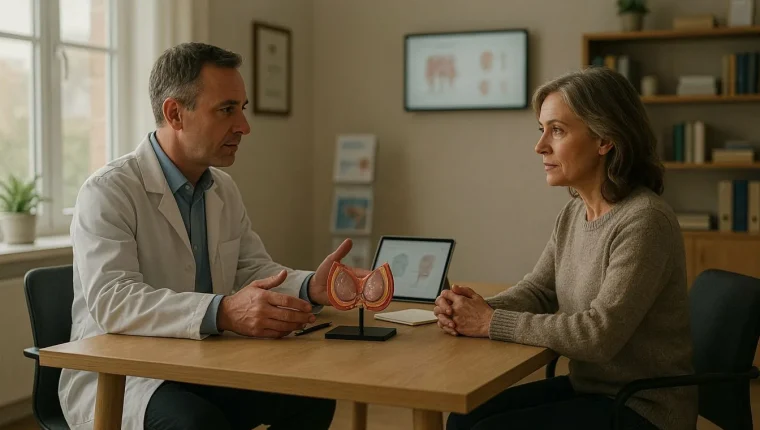
Most people considering breast augmentation want to know: what will I look like afterward? People want the real, day-by-day reality of healing and final results, not airbrushed clinic photos or an influencer reveal. The truth is that what you see immediately after surgery is very different from what you’ll see at six months, and understanding that difference is what separates satisfied patients from disappointed ones. Before and after photos can help, but only if you know how to read them: compare your starting point, note when the post-op photo was taken, and recognize what implants can and cannot change. Realistic expectations are the biggest predictor of satisfaction after augmentation, and they start with knowing what recovery actually looks like.
What Breast Augmentation Before and After Really Looks Like

Photos online rarely tell the whole story, and understanding why is the first step toward an honest picture of your own results. What you see in most galleries is a carefully chosen snapshot: ideal lighting, the patient’s best angle, and often a body type very different from yours. So when you scroll through breast augmentation before and after images, you’re really looking at one person’s outcome, not a preview of yours.
The honest version of a real transformation includes three phases that photos tend to skip. First, there’s the immediate post-operative look, which is usually smaller and higher than the final result because the tissues are tight and swollen. Second, there’s the settling period, when the implants drop into place and soften — a process surgeons often call drop and fluff. And third, there’s the final result, which typically emerges months later and looks noticeably more natural than anything in the first weeks.
This matters because many patients panic during phase one. Swelling can push the implants upward, the skin may look shiny, and the shape can feel foreign. None of that reflects your outcome — it reflects your healing. The same applies to the “after” photos themselves: a six-month result photographed in soft daylight will always look better than a three-week result rushed into a clinic hallway shot.
So treat galleries as a starting point, not a promise. Look for images taken at least three months post-op, from patients with similar anatomy to yours. That’s the closest thing to an honest preview you can get — and even then, your body writes its own final chapter.
Setting Realistic Expectations for Size, Shape, and Symmetry
One of the biggest reasons patients feel disappointed after surgery isn’t the surgeon’s skill — it’s a gap between what they imagined and what anatomy, implant technology, and healing biology can actually deliver. Setting honest goals around size, shape, and symmetry before surgery is what separates satisfied patients from those chasing an impossible ideal.
Size is usually the first thing people fixate on, but cup sizes are not standardized. A “C cup” from one bra brand can differ noticeably from another, which is why experienced surgeons prefer to talk in terms of implant volume and the proportion it creates on your frame rather than promising a specific letter.
Shape expectations deserve the same honesty. Implants can enhance what you already have, but they cannot completely rewrite your natural anatomy. The inframammary fold — the natural crease under your breast — largely dictates where the implant sits and how the final contour looks, so a widely spaced or high-set fold will still influence your outcome.
When discussing symmetry, keep these realities in mind:
- Natural asymmetry is the norm — nearly every woman has breasts that differ in size, position, or fold height before surgery, and surgery aims to improve that balance, not achieve perfect mirroring.
- Implants can narrow some differences but cannot erase them entirely, especially long-standing asymmetries in chest wall shape.
- Nipples rarely match perfectly after augmentation; minor differences in height or direction often remain.
- Perfect symmetry is not the goal — a balanced, natural-looking result that suits your body is what skilled surgeons pursue.
A good surgeon will show you before-and-after photos of patients with your starting anatomy, not just dramatic transformations. If a consultation feels more like a sales pitch than a reality check, treat that as a warning sign. Bringing photos of results you like is helpful, but expect the conversation to end with what those photos can realistically mean for you.
How Your Body Type Influences the Final Outcome
No two patients walk into surgery with the same starting point, which is why identical implants can produce noticeably different results in different people. Your body frame — including your height, weight, chest width, and the amount of existing breast tissue — acts as the canvas on which your results are built.
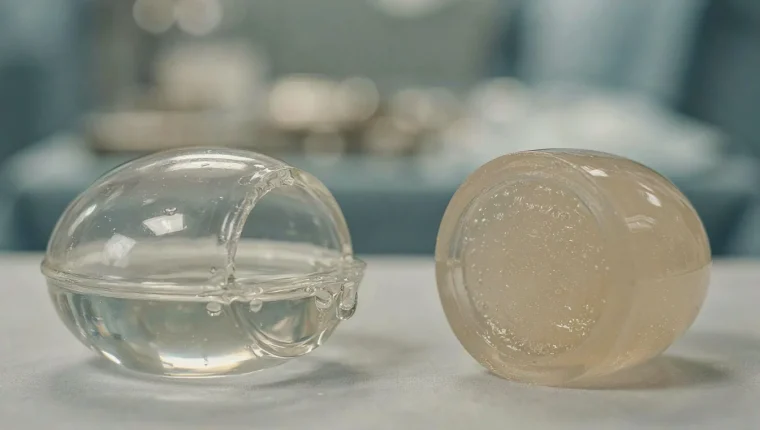
A woman with a narrow chest and little natural tissue will often see implant edges and rippling more easily, while someone with more tissue coverage tends to achieve a softer, more blended contour. This is why two patients who both choose 350cc implants may look completely different in their before and after comparisons. Volume alone doesn’t determine the outcome; proportion does.
Shoulder width, ribcage shape, and even how your tissue distributes naturally all play a role. Patients with wider frames can typically accommodate broader implant bases without looking top-heavy, while petite patients may need moderate profiles to stay in balance with their hips and shoulders. Skin elasticity matters too — firmer, tighter skin holds implants in a higher position initially and may take longer during the drop and fluff process you learned about earlier.
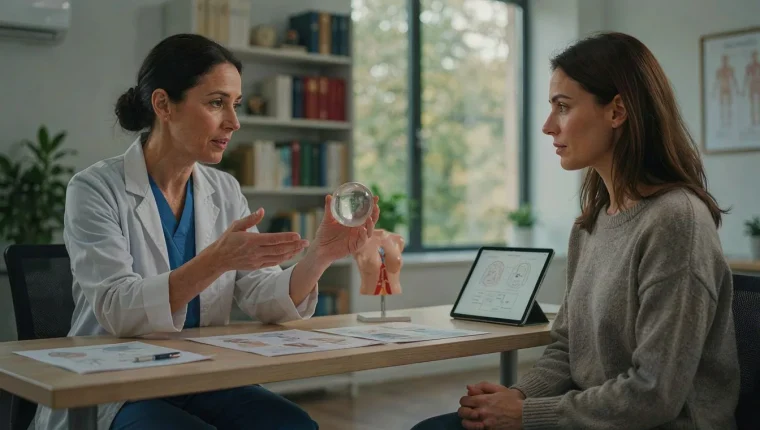
Your surgeon evaluates all of these factors during consultation, often taking detailed measurements to recommend an implant width and profile that suits your anatomy rather than working backward from a photo you found online. Understanding your own anatomy helps you interpret before and after images more realistically — instead of asking “why don’t I look like her,” you’ll ask “what will look proportionate on me.” That shift in perspective is often what separates satisfied patients from disappointed ones.
What to Expect in the First Days After Surgery
The first hours and days following surgery often surprise patients who have only studied before and after photos. Your breasts will sit noticeably high on the chest, look swollen, and feel firm to the touch. This is completely normal. Your surgeon placed the implants beneath muscle and tissue that have just been stretched, and your body needs time to adjust. Understanding the initial swelling and tightness as a natural phase rather than a flaw helps you stay calm during this stage.
You will likely experience soreness comparable to an intense workout, especially if your implants were placed under the muscle. Pain medication prescribed by your surgeon usually keeps this manageable within the first 48 to 72 hours, after which discomfort fades quickly for most patients.
You will also go home wearing a surgical bra or compression garment. This is not decorative — it supports healing tissue, minimizes swelling, and helps implants settle into position. Expect to wear it around the clock for the first several weeks, removing it only to shower once your surgeon approves.
Other common early-day details include small drainage tubes in some cases, fluid at the incision sites, limited arm movement, and sleeping on your back with your upper body slightly elevated. You should walk short distances within the first day to support circulation, but avoid lifting anything heavier than a few pounds.
Perhaps the most important thing to know: your breasts will not resemble their final shape yet. What you see in the mirror on day three is a temporary snapshot, not the outcome. Patience during these first days protects both your healing and your peace of mind.
The Recovery Timeline: Week by Week
Recovery after breast augmentation follows a fairly predictable rhythm, though every patient heals at her own pace. Understanding what typically happens during each stage helps you distinguish normal healing from something worth calling your surgeon about. Most of the early timeline is shaped by how your body settles the implants into place, a process often referred to as drop and fluff, where the implants gradually soften and settle into their final position.
Here is a general week-by-week outline of what most patients experience:
- Weeks 1–2: Swelling and tightness peak early and begin to ease. You will likely wear a surgical bra around the clock, sleep on your back, and walk frequently to support circulation, but avoid lifting anything heavier than a few pounds.
- Weeks 3–4: Energy returns and daily routines feel normal again. Implants start sitting lower as swelling subsides, and many patients can return to desk jobs and light cardio around this point, with surgeon approval.
- Weeks 5–6: Most activity restrictions lift. Strength training and higher-impact exercise are usually cleared, though a supportive sports bra remains essential during workouts.
- Weeks 7–8: The implants soften noticeably and begin to look and feel more natural. Residual firmness along the lower pole is normal and continues to improve.
- Months 3–6: The final shape emerges. Scars mature, swelling fully resolves, and the breasts take on their settled, long-term appearance.
It is worth remembering that this timeline assumes an uncomplicated recovery. Factors like implant placement above or below the muscle, your overall health, and how closely you follow post-operative instructions can shift things by a week or two in either direction. Submuscular placement, for example, often involves a slightly longer period of soreness.
If you notice increasing redness, warmth, sudden swelling on one side, or fever at any point, contact your surgical team rather than waiting for a scheduled visit. Quick communication resolves most concerns easily, and your surgeon would always rather answer a question early than manage a complication late.
How Scars Heal and Fade Over Time
Scarring is one of the most common worries patients bring to consultations, and the good news is that modern techniques have made incisions smaller and placement smarter than ever. Depending on the approach your surgeon chooses—an inframammary fold incision, a periareolar cut around the areola, or a transaxillary route through the armpit—the location and length of your scar will vary. Most patients find that once healed, these lines sit in natural creases or shadowed areas where they’re difficult to see.
Every scar moves through predictable stages. In the first weeks, incisions appear pink or red and may feel raised or firm as the body deposits collagen. This is normal and temporary. Around the three-month mark, scars typically begin to soften and lighten, and by twelve months, most have faded to a thin, pale line that blends into the surrounding skin.
A few factors influence how well your scars fade. Genetics play a significant role—some people simply form more prominent scars, including hypertrophic scars or keloids, which are raised and darker than typical healing lines. Skin tone, age, and whether you smoke all matter too. Smoking, in particular, restricts blood flow to healing tissue and is one of the most modifiable risks for poor scarring.
You can actively support the fading process. Surgeons generally recommend the following once incisions have fully closed:
- Silicone-based gels or sheets, which are among the best-evidenced tools for flattening and lightening scars
- Diligent sun protection, since UV exposure can permanently darken healing incisions
- Gentle massage after your surgeon clears you, which helps soften dense tissue
Patience is part of the process. A scar that looks alarming at week six is often nearly invisible by the one-year follow-up appointment. If a scar remains raised, itchy, or noticeably dark beyond the first year, mention it at your follow-up—revision options, laser treatments, and steroid injections exist for the small percentage of patients who need extra help achieving a discreet result.
When to Judge Your Final Results: The Three-to-Six-Month Mark

By the end of month two, many patients feel a flicker of doubt — their breasts still sit a bit high, feel firm, or look different from what they imagined. This is exactly why patience matters. The true benchmark for evaluating your outcome is the three-to-six-month mark, when most of the swelling has resolved, the implants have settled into their final position, and the tissues have relaxed around them.
During the early weeks, inflammation distorts everything. Skin and muscle are stretched tight, and the implant hasn’t yet found its resting place within the pocket. Once that swelling subsides and the tissues soften, the shape changes noticeably — often becoming lower, rounder, and more natural-looking. Comparing your chest at week three to your surgeon’s promised outcome is simply comparing an unfinished project to a finished one.
There is also a practical reason this window matters: it aligns with when most surgeons schedule formal follow-up photography and outcome assessments. At three months, the majority of healing milestones have been reached; by six months, even slow healers — those with denser tissue or larger implants — have typically reached their stable, long-term result. Some subtle changes, like scar maturation, continue for up to a year, but the shape and position you see at six months are essentially what you’ll live with.
A few guidelines help you judge fairly at this stage:
– Compare like with like: same lighting, same posture, same time of day as your “before” photos. – Assess from multiple angles, not just the mirror straight-on. – Focus on overall balance and how clothing fits, rather than obsessing over millimeter-level details.
If, at or after the six-month visit, something still bothers you — persistent asymmetry that bothers you daily, an implant that sits visibly wrong, or capsular tightness — that is the right time to raise it with your surgeon. Genuine concerns at this stage are worth a serious conversation, because revision options exist. But in most cases, the six-month photograph tells a far happier story than the week-three mirror ever did.
FAQs
How long does it take to see final results after breast augmentation?
Most patients see their new breast shape within a few weeks, but final results typically take about 3 to 6 months. This is because swelling gradually subsides and the implants settle into their natural position, a process often called "drop and fluff." Once your breasts feel soft and look symmetrical, the transformation is complete and permanent, aside from normal changes from aging or weight fluctuations.
Will there be visible scars, and how do they fade over time?
Yes, breast augmentation does leave scars, but surgeons place them in discreet locations—typically under the breast crease, around the areola, or in the armpit—so they're hard to see once healed. In the first few months, scars usually appear red or pink and may feel raised, but this is a normal part of healing. Over the following 6 to 12 months, they gradually fade to a thinner, lighter line that blends with your skin tone for most people. Keeping the incisions protected from sun exposure and following your surgeon's aftercare instructions can significantly improve how well they fade.
Can breast implants affect mammograms or breastfeeding?
Yes, breast implants can affect both, but most women manage both successfully. Implants can obscure some breast tissue on a mammogram, so tell your technician you have implants—they will use special displacement techniques to get clearer images. Regarding breastfeeding, implants placed under the muscle or through inframammary incisions usually spare the milk ducts and nerves, allowing most women to nurse normally, though some may experience reduced milk supply. Discuss your plans for future pregnancies and screening with your surgeon before surgery to choose the approach that best protects these functions.