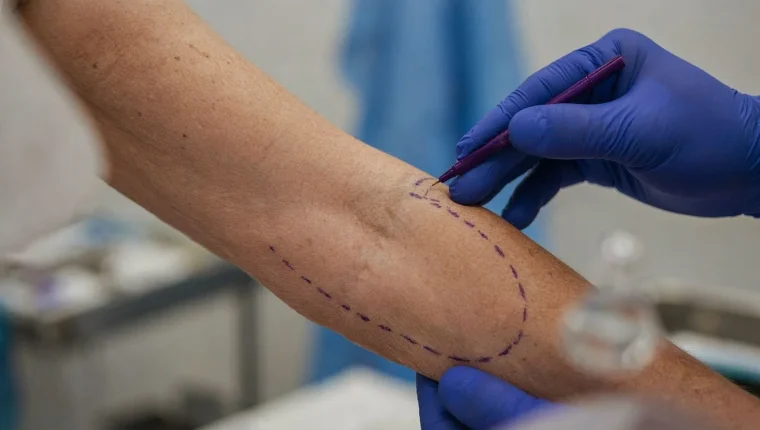
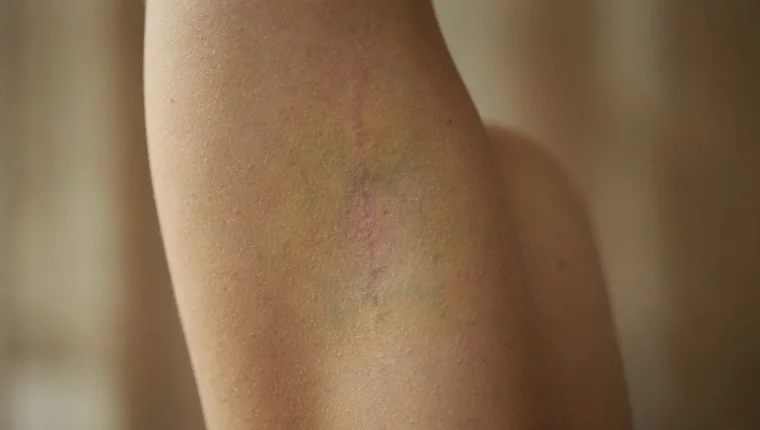
Loose skin hanging from the upper arms, often called “bat wings,” is a stubborn concern that does not respond to exercise alone. After significant weight loss, aging, or simply due to genetics, the skin in this area can lose elasticity and stay soft no matter how much you tone the triceps. An arm lift, medically known as brachioplasty, removes excess skin and fat to create a firmer, more contoured upper arm. But the surgery is not for everyone. The best results come when the patient is physically healthy, has reached a stable weight, and understands what the procedure can and cannot fix. If you avoid sleeveless tops or feel self-conscious when raising your arms, you may be a strong arm lift candidate.
What the Arm Lift Procedure Actually Addresses
Brachioplasty is designed to correct changes that diet and exercise alone simply cannot reverse. The procedure removes the drooping skin fold that hangs beneath the upper arm and, in many cases, takes out the stubborn fatty layer sitting just under the surface. What surprises most people is how much of what they see in the mirror is skin-related rather than fat-related, especially after significant weight loss or the natural aging process.
The surgeon reshapes the underlying supportive tissue to give the arm a smoother contour before pulling the skin taut and closing the incision. The result targets three distinct issues at once: redundant skin, localized fat deposits, and the loss of structural firmness that keeps the upper arm looking toned.
An arm lift does not address muscle tone. If the triceps has weakened or lost definition, strength training remains a separate conversation that surgery cannot replace. Understanding this boundary helps frame realistic expectations and clarifies exactly what someone evaluating the procedure should hope to gain from it.
Signs That Point Toward Surgery as the Right Option
Many people arrive at the consultation room after months or even years of trying to tone their arms through diet and targeted exercise. There comes a point when the mirror tells a different story than the effort put in, and that is usually when surgery becomes a conversation worth having. Recognizing those signals early helps someone make a calmer, more informed decision rather than a rushed one.
The clearest indicators that a brachioplasty may be the appropriate next step tend to appear together rather than in isolation:
- Persistent upper-arm laxity that stays unchanged despite months of strength training focused on the triceps and shoulders.
- Skin-on-skin friction along the inner arm or underarm area that causes chafing, rashes, or recurrent irritation during warm weather or exercise.
- Restricted clothing choices, where short sleeves, sleeveless tops, or fitted shirts are avoided because the contour of the arm feels distracting or uncomfortable.
- Photographic evidence of plateau, meaning comparison pictures over six to twelve months show no measurable tightening despite consistent effort.
- Post-weight-loss or post-pregnancy changes that have settled into a stable position, leaving the arm contour noticeably out of proportion with the rest of the body.
None of these signs on their own force a decision, but they do describe the situations where a consultation tends to be more productive than another round of conservative measures. The goal at this stage is clarity, not commitment.
How Weight Stability Influences Candidacy
Weight stability sits at the center of the conversation for a reason. The tissue removed during brachioplasty is removed permanently, so the result has to harmonize with the frame a patient plans to maintain. When someone is still actively losing or gaining weight, the arms continue to change in unpredictable ways, and any contour created in the operating room may be undone within months.
From a surgical standpoint, a plateau of at least six to twelve months signals that the body has settled. Measurements stop shifting, clothing fits consistently, and the loose skin hanging from the upper arms reflects structural change rather than a temporary fluctuation. Most surgeons look for that kind of evidence before moving forward, because revision work carries its own risks and rarely produces the same crisp contour as the first procedure.
There is also a practical recovery layer. Active weight loss demands ongoing nutrition shifts and exercise intensity that can interfere with wound healing, compression garment comfort, and scar maturation. Patients who arrive at a stable weight tend to recover more smoothly, follow post-operative instructions more comfortably, and protect their investment long-term.
Skin Quality and Elasticity Considerations
Skin behaves differently from one person to the next, and that variability plays a real role in determining whether a brachioplasty will deliver a clean, lasting result. The surgeon pays close attention to dermal laxity during the evaluation, essentially feeling how much the tissue stretches, snaps back, or simply hangs under its own weight. Good elasticity usually means the skin can re-drape smoothly once excess fat is removed, while poorer elasticity suggests the tissue will need to be excised to look tight.
Surgeons often look for a few telling patterns. A younger patient who has lost a modest amount of weight may still have enough recoil in the skin to respond well to liposuction alone, whereas someone who lost a significant amount of weight, or who has passed through pregnancy or menopause, typically shows stretched fibers that no longer behave like a spring. Sun damage, smoking, and genetics also leave visible fingerprints in the form of crepe-like texture, thinning, or uneven tone, all of which can influence scar quality and healing.
A useful self-check is the pinch test. Gently lifting the loose tissue between thumb and forefinger gives a rough sense of how much is fat versus how much is redundant skin. A consultation refines that impression with handheld tools and, sometimes, imaging to map the underlying structure.
Health Factors That Affect Surgical Eligibility

A healthy baseline is what allows the surgical plan to move forward safely. Even when the upper arms show the classic signs of persistent laxity, the rest of the body has to be ready for anesthesia, recovery, and wound healing. During a consultation, a surgeon reviews the medical history line by line because certain conditions quietly raise the risk of complications such as poor healing, infection, or blood clots. Lifestyle choices, current medications, and even habits like smoking all sit inside this conversation, not because they disqualify someone automatically, but because they shape how the body will respond on the day of surgery and during the weeks that follow.
Some medical situations require closer attention before any decision is made:
- Cardiovascular conditions such as uncontrolled high blood pressure, a recent cardiac event, or significant arrhythmia may make general anesthesia unsafe and call for additional cardiac clearance.
- Diabetes needs to be well controlled, since elevated blood sugar slows wound healing and raises infection risk.
- Bleeding or clotting disorders, including a history of deep vein thrombosis, change how the surgical team plans anesthesia time and post-operative mobility.
- Immune suppression, whether from autoimmune disease or medication, affects how the incision heals and how the body manages inflammation.
- Smoking and nicotine use constrict blood flow to the skin and can compromise the long, carefully placed brachioplasty incision.
- Active infections, recent illness, or untreated skin conditions on the arms must be resolved before the procedure can be scheduled.
Each of these factors is evaluated in the context of the individual rather than against a fixed rule. A condition that delays surgery for one person may be manageable for another with the right preparation. This is also the moment when the surgeon looks at what the body has already shown it can handle, since previous abdominal or breast procedures sometimes reveal how the tissue responds to healing.
Setting Realistic Expectations Before Moving Forward

Walking into a consultation with a clear picture of what an arm lift can and cannot do tends to shape the entire experience. The procedure tightens loose tissue, removes what diet and exercise no longer reach, and refines the contour of the upper arm, yet it leaves a permanent scar along the inner arm that fades over time but never disappears entirely. Swelling, bruising, and tightness are part of the early recovery, and final results unfold gradually across several months rather than appearing on day one.
It helps to remember that an arm lift reshapes what already exists rather than creating muscle tone or replacing weight loss. Setting realistic expectations means understanding the trade between smoother contour and the scar that comes with it, and accepting that maintenance still depends on stable weight and healthy habits. Patients who arrive prepared for gradual healing, honest scarring, and long-term commitment to their results are the ones who tend to feel most satisfied once the mirror reflects the change they were hoping for.
FAQs
What skin changes typically make someone consider being an arm lift candidate?
Most people start thinking about an arm lift when they notice loose, hanging skin underneath the upper arms that doesn't tighten up with exercise or weight changes. This is often called a "bat wing" appearance and usually shows up after major weight loss or simply with age and reduced skin elasticity. If that extra skin makes you self-conscious in sleeveless tops or keeps you from feeling comfortable in your own body, it's worth exploring whether you're a good candidate for the procedure.