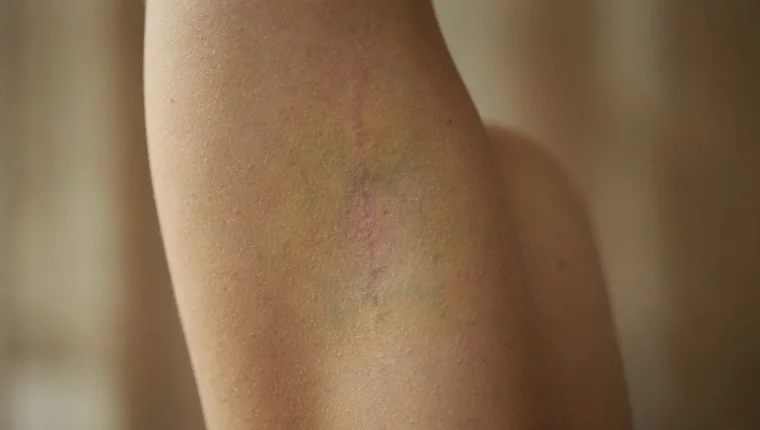
After an arm lift, the skin on your upper arms looks tighter and smoother, matching the rest of your body in a fitted shirt or sleeveless top. Most patients care about that visible change and compare it with the original cost, recovery time, and small scar hidden near the armpit. The honest question that follows is simple: how long do arm lift results actually last? The short answer is that the improvement is long lasting when your weight stays stable and you take care of your skin, but it is not immune to aging, gravity, or lifestyle habits. The longer answer depends on a few specific factors to understand before you book the procedure.
Factors That Influence How Long Arm Lift Results Last
Several factors quietly shape the timeline of your arm lift outcome, and understanding them early helps you set realistic expectations. The single biggest influence is the surgical technique your surgeon chooses. A full brachioplasty with a longer incision removes more excess skin and usually delivers the most dramatic, longest-lasting contour, while a limited-incision or mini lift may refine a smaller area but can be more vulnerable to recurrence if skin laxity was significant to begin with.
Your starting point matters just as much. Patients with good skin elasticity, stable weight, and no major medical issues tend to hold their results far longer than those who fluctuate or have lost a large amount of weight. Genetics also plays a subtle role, since some people’s collagen simply remodels and holds shape better than others.
Finally, the habits you bring into recovery and the years that follow quietly determine whether your outcome stays sharp or softens. Thoughtful scar care, steady body weight, and consistent sun protection all support the tissue as it settles, while smoking or repeated weight swings work against it.
Typical Longevity of Brachioplasty Outcomes
Most patients who undergo brachioplasty enjoy their tighter, more contoured arms for many years, and for a meaningful share of them the improvement is essentially permanent. In the first two to three years the change looks especially striking because swelling has fully resolved and the scars have matured into thin, pale lines. After that point, the result settles into what most surgeons consider the long-term baseline of the procedure.
How long the improvement holds steady depends on the reason surgery was performed in the first place. When the operation corrects genuine skin laxity from aging or major weight loss, the excised skin is gone for good and the new contour tends to age naturally with the rest of the body. That baseline can shift over time, but it does not return to the preoperative droop. The factors that decide whether you stay near the top of the range or drift toward the lower end are practical, everyday habits, and they show up clearly in clinical follow-up.
- Stable body weight keeps the arm circumference and skin envelope steady, protecting the smooth line created at surgery.
- Consistent resistance training maintains the underlying muscle tone that supports the new contour.
- Sun protection on the upper arms limits photoaging of the scar and surrounding skin, which preserves the long-term appearance.
- Avoiding nicotine protects collagen and circulation, both of which influence how well skin holds its position over the years.
Viewed together, these habits explain why some people look essentially unchanged ten years after surgery while others notice a softer silhouette after seven. The baseline is durable, but the day-to-day choices you make after the operating room decide where along that range you land. The next section looks more closely at how the natural aging process and lifestyle interact with that baseline, and what that means for the way your arms will look a decade from now.
How Aging and Lifestyle Affect Your Results Over Time
Even when surgery is performed beautifully, the body keeps moving forward in time. The refined contour you see in the mirror right after brachioplasty is essentially a snapshot, and the years that follow quietly continue to redraw the picture.
Aging itself is not the enemy of your outcome. The real issue is what aging tends to bring with it: a gradual drop in skin elasticity, slower collagen production, and a natural shift in how fat is distributed. On the arms specifically, this often shows up as a mild softening along the inner edge or near the scar, even in patients who were once thrilled with their tone.
Daily habits, however, tend to speed up or slow down that process in very practical ways. Consistent movement patterns shape how the upper arms age after a lift, because muscles that are regularly engaged hold their shape and support the overlying skin far better than inactive ones. Nutrition plays a supporting role: diets high in processed foods and sugar tend to encourage fat storage in the very areas surgery has just corrected, while balanced eating helps keep weight steady. Sleep, stress, and even posture round out the picture, influencing everything from healing quality to how your arms carry themselves day to day.
Think of your result as a living outcome rather than a fixed one. The way you live each season quietly decides whether your arms still look as defined five, ten, or fifteen years down the line.
When Touch-Up Procedures May Be Needed

Even with careful surgical planning and a healthy lifestyle, the upper arms can drift from the original surgical contour over the years, and this is often the moment patients start asking about revision options. Touch-up work is usually reserved for changes that cannot be improved with conservative measures alone. Significant weight fluctuation, pregnancy, or large swings in muscle mass can stretch the skin that was tightened during the original brachioplasty, leaving loose folds near the elbow or along the incision line.
Scars can also be a reason people return to the clinic. While most brachioplasty scars fade into a thin, pale line, some thicken, widen, or become raised because of genetics, poor wound healing, or sun exposure during the early healing phase. A scar revision can usually refine these marks without redoing the entire lift, and it is one of the lighter-touch follow-ups a surgeon may suggest.
Other scenarios include residual or recurrent lipodystrophy that liposuction alone can address, or a small dog-ear deformity near the armpit that develops as tissues settle. In many cases, the second procedure is shorter, the recovery is quicker, and the patient already knows how their body responds to surgery, which makes the experience smoother the second time around.
Tips to Maintain Your Toned Arms After Surgery

Surgery can sculpt the contour you have been chasing, yet the long-term shape of your arms still depends on the small, steady choices you make once the incisions have healed. Think of the brachioplasty as a strong foundation; your daily routine is what keeps that foundation standing tall through the years.
A few practical habits do most of the heavy lifting when it comes to protecting the surgical investment you have just made:
- Maintain a stable weight through balanced nutrition, because large fluctuations can stretch the skin envelope and undo the smooth lines created in the operating room.
- Practice consistent resistance training for the biceps, triceps, and shoulders, which supports the underlying muscle tone that keeps your arms looking defined.
- Apply broad-spectrum sunscreen to the upper arms whenever they are exposed, since UV exposure gradually damages collagen and can darken the scar.
- Prioritize sleep, hydration, and stress management, because your skin repairs itself most efficiently when the body is well rested and nourished.
- Avoid nicotine in any form, as it restricts blood flow and slows collagen remodeling around the treated area.
- Schedule periodic skin checks with your surgeon or dermatologist, so any subtle changes in tone or laxity are caught early.
These habits work together as a maintenance plan rather than a quick fix. When followed consistently, they help the surgical outcome age gracefully and keep the contour looking intentional, rather than simply the result of a single operation.
Over time, the real reward of an arm lift is not just what you see in the mirror on the day the bandages come off, but how confidently you can wear sleeveless tops, raise your hands without hesitation, and move through daily life knowing that the shape beneath your skin has been actively supported by your own efforts. By treating the post-surgical period as the beginning of a long-term partnership with your body, you give the results the best possible chance to look natural, balanced, and quietly powerful for many years to come.
Realistic Expectations for Long-Term Satisfaction
Satisfaction after brachioplasty rarely hinges on a single dramatic change; instead, it grows from understanding what the procedure can and cannot deliver. The surgery reliably removes excess skin and a measured layer of fat from the upper arm, reshaping the contour so clothing fits more comfortably and the silhouette looks smoother in motion. What it cannot do is freeze your biology, override genetics, or replace the daily habits that keep muscle tone firm as the years pass.
Patients who feel most content a decade later tend to share a similar mindset. They view the result as a strong foundation rather than a permanent finish line, value proportion over perfection, and appreciate the freedom to wear sleeveless styles without self-consciousness. They also accept that mature, well-healed scarring is part of the trade, that minor shifts in skin quality are normal with age, and that occasional skin tightening treatments can quietly refresh the look without another full operation.
Equally important is a candid conversation with your surgeon during consultation, where goals are grounded in your anatomy, skin quality, and lifestyle. When expectations are calibrated to what a stable weight, consistent resistance training, and thoughtful aftercare can realistically preserve, the procedure becomes a long-term investment in confidence rather than a one-time miracle.
FAQs
How long can I expect my arm lift results to stay visible?
Arm lift results are generally long-lasting, and most patients enjoy a firmer, more toned arm contour for many years after surgery. Because the procedure removes excess skin and fat, those changes are permanent, but significant weight fluctuations, aging, and loss of skin elasticity over time can gradually affect how your arms look. Staying at a stable weight and following a healthy lifestyle will help you maintain your results for as long as possible.
Will my arm lift results change if I gain or lose weight afterward?
Significant weight changes after an arm lift can definitely affect your results, because the procedure removes excess skin and fat but doesn't prevent future weight fluctuations from altering your arm contours. Gaining weight can stretch the remaining skin and create new fullness, while losing a lot of weight afterward may lead to additional sagging. That's why surgeons recommend being at a stable weight close to your goal before surgery, so your smoother, firmer arms last as long as possible.
Do the effects of an arm lift fade over time as I age?
Arm lift results are meant to be long-lasting, but natural aging will gradually change the appearance of your arms over the years. Skin loses elasticity as you get older, and gravity continues to work on the tissues, so some sagging can slowly return even though the fat and excess skin removed during surgery are gone for good. You can help preserve your results by staying at a stable weight, building lean muscle with regular exercise, and protecting your arms from significant sun exposure.