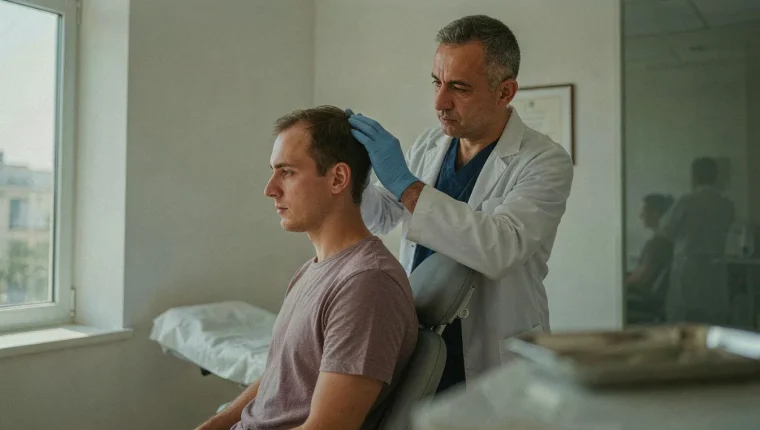
Choosing a hair transplant in Istanbul from the United States involves more than comparing advertised prices. You need to determine whether the procedure suits your pattern of hair loss, who will perform the critical surgical steps, and whether the clinic can provide safe, consistent care. Travel also affects the decision: you must plan for flights, time away from work, recovery arrangements, and follow-up after you return home. Technique selection should reflect your donor supply, hair characteristics, medical history, and long-term goals rather than a package label. A realistic plan also accounts for possible shedding, gradual growth, ongoing hair-loss treatment, and communication with the care team across borders. Istanbul may suit some US patients, but the best choice depends on verified medical standards, clear expectations, and reliable continuity of care.
Why US Patients Choose Istanbul for Hair Transplantation
Istanbul appeals to many US patients because it offers broad access to experienced hair-restoration providers and can often accommodate international patients on flexible schedules. Its location also allows patients to combine treatment with planned travel, provided sightseeing and activity levels are arranged around the recovery period rather than treated as part of the procedure itself.
However, the destination alone does not determine the quality or safety of a hair transplant. Patients should place greater weight on individualized medical assessment, the surgeon’s role, appropriate candidacy, realistic graft planning, and clear communication before booking. A reputable clinic should review hair loss patterns, donor-area strength, medical history, and long-term expectations instead of offering the same treatment plan to every visitor.
For US-based patients, practical considerations also matter. Istanbul is a long flight from many American cities, and patients should ask how the clinic handles preoperative questions, language support, complications, and follow-up after they return home. They should also confirm whether their degree of hair loss is suitable for treatment abroad and whether sufficient recovery time can be scheduled before resuming work or travel. Comparing care standards—not simply prices or convenience—helps determine whether Istanbul is the right fit.
How to Choose a Qualified Istanbul Hair Clinic
Start by verifying who is medically responsible for your care. Confirm the surgeon’s qualifications, local license, hair-restoration experience, and role in your treatment. A reputable clinic should clearly explain whether the surgeon performs the examination, designs the hairline, supervises extraction and implantation, and remains available for medical decisions. Be cautious when a clinic emphasizes a famous doctor but gives no clear account of who will actually perform the procedure.
Review before-and-after photographs critically. Look for patients with a similar degree and pattern of hair loss, comparable donor density, and a similar hair texture. Images should show consistent lighting and multiple angles, including the hairline, crown, and donor area. Ask whether the cases are the clinic’s own work and how long after treatment the photographs were taken.
Before booking, request details about surgeon involvement, medical screening, facility standards, infection-control procedures, and emergency planning. You should receive a written treatment plan identifying the proposed number of grafts, the personnel involved, expected limitations, and the clinic’s approach if a medical concern arises. Do not rely solely on package descriptions or sales messages.
Communication is equally important for patients traveling from the US. Ask how consultations, consent forms, medical records, prescriptions, and procedure instructions will be handled in English. Confirm whether a qualified interpreter is available when needed and whether you can speak directly with the clinical team before traveling. A secure process for sharing photographs and health information also helps the medical assessment remain accurate.
Finally, clarify how the clinic will coordinate with your US physician if relevant and what documentation you will take home. Although future postoperative care should be arranged separately, clear records and reliable contact channels make it easier to address questions responsibly after the procedure.
FUE, DHI, and Other Hair Transplant Techniques

Hair transplant techniques are often presented as competing brands, but the key difference is how grafts are harvested and placed. In follicular unit extraction (FUE), individual follicular units are removed from the donor area with a small punch and then implanted into prepared recipient sites. This approach avoids a linear strip scar and can be suitable for many patterns of hair loss, provided the donor supply is adequate.
Direct hair implantation (DHI) uses a pen-like implanter to place extracted grafts directly into the recipient area. It may offer precise control over the angle, direction, and depth of placement, particularly in selected cases. However, DHI is not automatically more advanced or more effective than FUE. In many clinics, the terms describe different implantation methods rather than completely separate procedures, and some packages combine FUE extraction with DHI implantation.
Technique selection should reflect the patient’s graft characteristics, donor density, hair-loss pattern, scalp condition, and desired coverage. A surgeon may recommend conventional FUE, DHI, or another variation based on how safely grafts can be harvested and how naturally the hairline can be designed. The number of grafts required and the preservation of future donor capacity also matter.
During an individualized consultation, US patients should ask who will perform each stage, why the proposed method fits their case, whether alternative techniques were considered, and which claims are supported by clinical reasoning rather than package marketing. A named technique cannot compensate for poor planning, excessive extraction, or an unrealistic hairline design.
What to Expect During the Procedure and Recovery
The treatment day usually begins with a final consultation, review of the hairline design, medical history, medications, and consent forms. The clinical team may mark the donor and recipient areas, take photographs, and confirm the planned number and distribution of grafts. Preparation can include trimming the hair, cleaning the scalp, and administering local anesthesia. The exact schedule varies according to the technique, graft number, and clinic protocol, so patients should avoid planning tightly timed activities afterward.
During the procedure, follicles are carefully removed from the donor area and prepared for placement. The recipient sites are then created, and the grafts are implanted according to the agreed design. You will generally remain awake, but you should tell the team promptly if you feel significant discomfort. Before discharge, staff should explain the first-night instructions, prescribed or recommended medication, and who to contact with questions.
In the first several days, mild tenderness, redness, swelling, tightness, and small crusts are common. Swelling can sometimes move toward the forehead or around the eyes. Follow the clinic’s washing instructions exactly; these often involve gentle cleansing without rubbing, scratching, or directing strong water pressure at the grafts. Sleep with the head elevated if advised, avoid strenuous exercise and heavy lifting initially, and protect the scalp from direct sun exposure. Do not add, stop, or change medication without guidance from the treating team.
Plan airport and flight activities around comfort rather than appearance. Wear loose clothing that does not need to be pulled over the scalp, allow extra time for check-in, and keep medical documents and approved medication accessible. Ask the clinic when air travel, exercise, swimming, hats, and normal work can resume, as recommendations may differ.
Prompt communication with the treating team is important if pain or swelling is severe or worsening, bleeding does not settle with the advised pressure, fever develops, drainage appears, or you notice breathing difficulty or an allergic reaction. Routine crusting and temporary sensitivity usually improve progressively, but unfamiliar or rapidly changing symptoms deserve professional advice.
Hair Transplant Costs, Travel, and Package Planning

Budgeting for treatment abroad starts with separating the clinic’s quoted procedure fee from the full cost of the trip. A package may include accommodation, airport transfers, local transportation, and some basic aftercare, but flights, meals, medications, laboratory tests, and additional hotel nights are often excluded. Ask for an itemized estimate so you can compare providers on the same basis rather than choosing by the headline price alone.
Review exactly what the package covers and who delivers each service. Confirm whether the consultation, surgical planning, procedure, and early checks involve the qualified treating clinician or different members of the team. It is also sensible to ask how unexpected findings, extended stays, or a medically necessary revision would be managed, including whether additional fees could apply. These details should be provided in writing before you pay a deposit.
Travel dates should allow enough flexibility for the consultation, procedure, immediate checks, and any short-term restrictions that affect flying, work, exercise, or public appearances. Avoid arranging a tightly timed return flight or important work commitment immediately after treatment. Your clinic should give you individualized scheduling guidance based on the planned procedure and your medical circumstances.
Before booking, request written confirmation of total treatment cost, deposit and balance deadlines, cancellation terms, refund conditions, currency or payment surcharges, and included aftercare. Travel insurance may exclude elective treatment or complications related to it, so check the policy directly and consider separate coverage where available. Keep copies of invoices, consent documents, prescriptions, and clinic contact details for both the journey and your return to the US.
Long-Term Results and Follow-Up Care for US Patients
Hair growth after transplantation unfolds gradually, so US patients should assess progress according to the planned follow-up timeline rather than early appearance. Transplanted hairs commonly shed before new growth begins, and visible improvement may develop over several months. Density and overall maturation are often judged more meaningfully around 9 to 12 months, although the exact schedule varies by patient and treatment area.
Long-term planning also matters because a transplant does not stop untreated, existing hair from thinning. A clinician may recommend medical maintenance, such as appropriate hair-loss medication, if it is safe for the patient and medically indicated. Discussing these options before travel helps establish realistic expectations and clarifies who will monitor ongoing changes.
After returning to the US, useful follow-up usually includes scheduled video or in-person reviews, consistent progress photographs, and a reliable clinical contact in Istanbul. Photos should be taken under similar lighting, camera distance, hairstyle, and angles so that changes can be evaluated more accurately. The provider should also explain when a concern requires prompt assessment rather than routine monitoring.
Continuity of care is especially important when treatment crosses national borders. If medication adjustments, blood tests, scalp concerns, or additional procedures become necessary, the Istanbul team should coordinate with a trusted US dermatologist or hair-loss clinician. Sharing the operative record, graft plan, medication history, and photographs can help both providers make safer, better-informed decisions over time.
FAQs
How much does a hair transplant in Istanbul cost for US patients?
For US patients, a hair transplant in Istanbul typically costs between $2,000 and $5,000, depending on the clinic, technique, graft number, and treatment package. Many packages include accommodation, airport transfers, consultations, and aftercare, but flights and additional procedures may cost extra. Compare clinics based on surgeon experience, accreditation, transparent pricing, and verified results rather than price alone.
How should US patients evaluate an Istanbul hair transplant clinic and surgeon?
US patients should verify the surgeon’s medical license, hair-restoration credentials, experience with their specific hair-loss pattern, and before-and-after results from comparable cases. Confirm that the surgeon—not technicians—performs the critical parts of the procedure, and review clinic hygiene standards, follow-up arrangements, total costs, and how complications are handled. A video consultation and an independent check of reviews, accreditation, and patient references can help confirm the clinic’s credibility before booking.
What aftercare and follow-up arrangements are available for hair transplant Istanbul US patients?
Patients typically receive detailed aftercare instructions, prescribed medications, and scheduled check-ups before returning to the US. Many Istanbul clinics provide remote follow-up through video calls or messaging, with progress reviews and guidance for washing, sleeping, exercise, and hair-growth treatments. A local US physician can also assist with any concerns that require an in-person assessment.