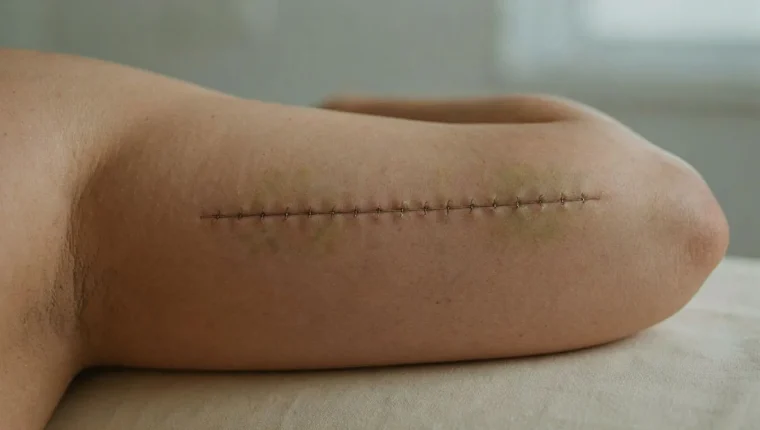
An arm lift, also called brachioplasty, tightens and reshapes the upper arm by removing excess skin and fat. Like any surgery, it comes with a healing period that includes swelling, bruising, tightness, and numbness around the incision. These reactions are normal responses to tissue trauma and anesthesia, and they usually settle within a few weeks as the area recovers.
Not everything that shows up after surgery should be brushed off as routine. Knowing the difference between expected healing and a real warning sign protects your results and your health. Some arm lift side effects are part of the process, while others, like unusual drainage, sudden swelling on one side, or escalating pain, call for a prompt call to your surgeon.
Immediate Swelling and Bruising After Surgery

Once you come out of the operating room, your arms will not look the way you imagined right away. Swelling tends to peak within the first 48 to 72 hours, and the upper arms can feel heavy, puffy, and noticeably larger than expected. Bruising often travels down toward the elbow or even the forearm, which can be surprising but is a normal part of how fluid settles along the tissue planes.
Cold compresses, keeping the arms elevated on pillows, and wearing the compression garment exactly as instructed will do more for your comfort than anything else during this window. Gentle wrist and finger movement also helps circulation, which can shorten the visible discoloration.
The most important thing to remember is that postoperative swelling is temporary. By the end of the first week you should see bruising shift from deep purple to a yellowish-green tone, and the tightness in the skin will start to soften as fluid reabsorbs.
Pain, Tightness, and Numbness in the Arms
After the first wave of swelling settles, most patients notice a trio of sensations that tend to travel together: postoperative pain and tightness along the inner arm, a stretching feeling across the chest, and patches of numbness near the incision or further down toward the elbow. These feelings come from the same source — the skin and supporting tissue being re-draped over a smaller upper-arm contour — so they tend to peak together in the first week and then slowly drift apart as healing progresses.
- Incisional soreness is usually sharpest where the skin was lifted most aggressively, often the upper-inner arm.
- A pulling or tight sensation is common, especially when raising the arms overhead, because the skin hasn’t yet adapted to its new position.
- Numbness or tingling near the scar happens when small sensory nerves are stretched during surgery; sensation usually returns gradually over weeks to months.
- Muscle aching can radiate into the forearm and shoulder from protective guarding, not from the deeper tissues being injured.
- Sharp, electric-type twinges during recovery are a normal sign of nerves reawakening as swelling eases.
Pain medication, gentle arm elevation, and short walks around the house keep most of these symptoms manageable. By the second week the tight, stretched feeling usually softens into a mild background ache, and the numb patches slowly start to feel tingling before normal sensation returns — a good signal that the deeper tissues are settling into their new shape.
Incision Care and Scar Healing
Once the initial tenderness begins to fade, your attention will shift toward the incision lines themselves. Brachioplasty scars usually run along the inner arm, from near the elbow up into the armpit, and they go through predictable stages of healing. In the first couple of weeks the wound edges look pink, slightly raised, and a bit crinkled, which is completely normal.
Your surgeon will likely advise keeping the area clean with gentle soap and water, patting it dry rather than rubbing, and applying any prescribed ointment or silicone-based product as directed. Avoid stretching the arms overhead while the incision is still fresh, because tension is the main reason scars widen later on. Sun protection matters too; UV exposure can permanently darken a healing scar, so covering it or using broad-spectrum SPF once the wound is closed makes a visible difference over the following months.
Most patients see their scars flatten and fade noticeably between three and six months, with continued refinement for up to a year. Gentle massage, once cleared by your surgeon, can help soften the tissue and reduce itching as collagen remodels.
Activity Limits During the First Weeks
For the first two to three weeks after brachioplasty, your body is still in active repair mode, so the activity limits you follow during this window really shape how smoothly everything heals. Most surgeons ask patients to keep their arms close to the body and avoid lifting them above shoulder level, which protects the freshly tightened tissues and the incision before the internal sutures have had time to settle.
Light walking is encouraged from day one because it supports circulation and lowers the risk of blood clots, but anything that pulls on the upper arms should be off the table for a while. Reaching for high cupboard shelves, carrying groceries, lifting children, or pushing yourself up from a chair using your arms can all place unwanted tension on the closure and contribute to wider scarring. Range-of-motion restrictions are particularly important in the first ten to fourteen days, when the skin and underlying tissues are most vulnerable to stretching.
Driving is usually cleared only after you can move your arms comfortably without guarding and you are no longer relying on prescription pain medication, which often falls somewhere in the second or third week depending on your progress. Compression sleeves or surgical garments also play a role here, supporting the arms during gentle movement and reminding you to keep activity measured rather than ambitious.
Signs That Need a Doctor's Attention
Most of what you notice during brachioplasty recovery is part of the normal healing curve, so it can be tricky to tell when something crosses the line into a real problem. A useful frame is this: anything that starts to worsen after day three, anything that feels very different from one arm to the other, and anything that comes with a fever, drainage, or trouble breathing deserves a prompt medical check rather than a wait-and-see approach.
- Expanding redness or warmth around an incision that starts spreading outward, especially if the skin feels hot and tender, can point to an early infection that responds much better to treatment caught within the first 24 to 48 hours.
- Sudden, one-sided swelling that is firm and painful, particularly in the upper inner arm or behind the knee area, can suggest a blood collection or clot and usually calls for an urgent in-person evaluation.
- Fever above 101.5°F combined with chills, foul-smelling drainage, or streaks running away from the incision line are classic warning signs that the wound needs to be examined right away rather than managed at home.
- Shortness of breath, chest pressure, or a rapid heartbeat in the days after surgery should be treated as a possible pulmonary issue and reported immediately, even if you are unsure whether it is related to your procedure.
- Calf pain, tenderness, or swelling in the lower leg can be a sign of a deep vein thrombosis and should not be massaged or ignored, especially since activity is still limited during early arm lift recovery.
- Reopening of an incision, persistent bleeding through the dressings, or skin that looks dark and blistered in the surrounding area may indicate poor perfusion or wound breakdown that benefits from professional wound care.
Keeping your surgeon’s after-hours contact close by and a small recovery journal can make this easier, because writing down temperature, swelling, and pain trends turns a vague “something feels off” into a clear story you can share with the clinical team. Quick calls almost always protect the final result, while delaying a real warning is the one variable that consistently makes recovery longer and harder than it needs to be.
Long-Term Sensations and Final Results

Months after brachioplasty, your arms usually settle into a new baseline. Most lingering sensations come from small cutaneous nerves that were stretched or divided during skin removal; patches of diminished feeling or low-level tingling along the inner arm can persist for up to a year, and a small percentage of people notice a faint area that never fully returns.
Scar maturation is the other slow-moving process. Early pink or slightly raised incision lines gradually flatten and lighten between six and twelve months, with continued refinement for up to two years. Gentle silicone therapy, sun protection, and avoiding unnecessary tension on the healing line help that progression along.
Final contour is typically judged around the six-month mark, once swelling is gone and tissues have re-draped. Strength training can be layered back in carefully to maintain tone, while weight stability protects the result. Settle in for the slow lane here, because the quiet months are actually when the most permanent shaping happens.
FAQs
How long do arm lift side effects usually last after surgery?
Most arm lift side effects, like swelling, bruising, and mild numbness, usually fade within two to four weeks, though some residual tightness can linger for a couple of months. Tenderness around the incision sites typically settles as the area heals, and any lingering firmness usually softens by the three-month mark. Following your surgeon's aftercare instructions closely helps these effects resolve smoothly and on schedule.
What arm lift side effects should be considered normal during recovery?
Some swelling, bruising, mild soreness, and tightness across the upper arms and armpit area are all completely normal right after an arm lift. You might also notice temporary numbness, tingling, or a pulling sensation as the tissues and small nerves adjust. These effects usually peak in the first week or two and then gradually fade, so they’re generally considered a standard part of healing rather than something to worry about.
When is it important to contact a doctor about arm lift side effects?
Reach out to your doctor without delay if you notice signs that could indicate infection or poor healing, such as spreading redness, warmth, pus, fever, or wound separation at the incision sites. Sudden or severe swelling, intense pain that isn't relieved by prescribed medication, persistent numbness, or any shortness of breath or chest discomfort should also be evaluated right away, since these can signal complications like fluid buildup, nerve injury, or a blood clot. Even milder but lasting concerns, like asymmetric healing, unexpected skin discoloration, or scars that look thick or widening, are worth mentioning at your next follow-up so your surgeon can monitor your recovery and step in early if treatment is needed.