Choosing Turkey for an arm lift can cost much less, but lower prices sometimes hide details that hurt patients after they pay. Some clinics quote a figure that covers almost nothing, then add fees after you land. Others promise a result that no surgeon could honestly guarantee based on a single photo.
Pressure to decide within hours, vague answers about who actually performs the surgery, and reluctance to share recovery expectations are warning signs. So is being pushed toward a package before the surgeon has reviewed your health history.
The arm lift itself is a straightforward procedure in experienced hands. The hard part is telling a safe, well-run clinic apart from one that treats you like a booking number. Knowing the red flags in advance saves money, time, and in the worst cases, your health.
Surgeon's Credentials and Experience

The person holding the scalpel matters more than any glossy brochure or five-star hotel recovery suite. Before you commit to an arm lift in Turkey, your first job is to find out exactly who will operate on you, what they trained in, and how often they actually perform this specific procedure.
Start with the basics: full name, medical school, and the year they specialized in plastic, reconstructive, or aesthetic surgery. A legitimate surgeon will have an identifiable registration number with the Turkish Medical Association (TTB) and, ideally, membership in a recognized body such as the Turkish Society of Plastic Reconstructive and Aesthetic Surgeons (TPRECD) or the International Society of Aesthetic Plastic Surgery (ISAPS). If a clinic hesitates to share these details or brushes them off as unnecessary paperwork, treat that as one of the clearest warning signs in any list of red flags when booking an arm lift in Turkey.
Volume is just as revealing as certification. Ask how many brachioplasties they complete each year and how many they have done in total. A surgeon who performs this operation weekly will speak fluently about scar placement, liposuction pairing, and managing loose skin in heavier arms. Someone who only does a handful each year may still be competent, but you want that information laid out before you sign anything.
Look for two specific credentials during your research: board certification in plastic surgery and a consistent track record with arm lift patients whose body type resembles yours. Combine that with independent reviews on platforms outside the clinic’s own website, and you have a far more reliable picture than any “international patient coordinator” testimonial.
Unverified Clinic Accreditation and Hygiene Standards
A surgeon’s qualifications can look impressive on paper, but the operating environment tells you what the resume cannot. The clinic where your arm lift actually takes place shapes infection risk, anesthesia safety, and how smoothly your recovery unfolds — so this layer of vetting deserves just as much attention as the surgeon holding the scalpel. When accreditation is real, it touches every room a patient passes through, from the consultation desk to the recovery bed. When it is borrowed or fabricated, the gaps usually surface in the small details that brochures rarely capture: a sterilization log that stops updating, a license number that does not resolve on the ministry database, an inpatient floor that feels more like a guesthouse than a clinical ward. Learning to read those signals before you book protects both your health and your investment, and it reframes the clinic visit from a marketing presentation into a legitimate medical checkpoint.
- International accreditation signals that an outside body has audited the facility against recognized surgical standards; look for JCI or ISO 13485 specifically, not generic “health tourism” certificates that any marketing department can print overnight.
- Operating-room standards in reputable centers include HEPA-filtered ventilation, sterile single-use instruments where appropriate, and visible sterilization cycles — ask to see the protocols rather than relying on hallway photographs.
- Inpatient recovery areas should resemble a hospital ward, not a converted hotel room; staffed nursing, monitored vitals, and emergency response equipment are non-negotiable after brachioplasty.
- Licensing verification goes beyond a clinic logo — confirm the facility’s Turkish Ministry of Health registration number independently, because promotional websites sometimes display credentials from a partner site rather than the building you will actually enter.
- Waste and hygiene handling in consultation rooms reveals daily discipline: proper sharps disposal, handwashing stations, and freshly changed linens indicate a team that maintains standards when no international patient is touring the space.
Hygiene shortcuts that look minor on a clinic tour can become wound-healing complications after surgery, and these problems are far harder to reverse than they are to prevent. A short video walkthrough, a copy of the most recent audit, or a direct conversation with the head nurse will reveal more than any polished Instagram reel. Treat the facility itself as part of the medical decision, not as a backdrop to the surgeon’s reputation. Patients who confirm accreditation and hygiene standards in advance consistently report smoother recoveries, fewer readmissions, and greater confidence in the team handling their care — outcomes that no discounted package fee can manufacture after the fact.
Pressure Tactics and Vague Pricing Structures
When a quote arrives as a vague range with asterisks, or a salesperson insists you “lock in today” to avoid a price increase you can never verify, the financial side of your arm lift is already raising a flag. Pressure-driven consultations often come with countdown timers, expiring “today-only” deposits, and refusal to put line-item costs in writing. None of that is standard practice, and it usually signals a clinic more focused on closing than on clarity.
A legitimate arm lift estimate should list the surgeon’s fee, anesthesia, facility use, garment, medications, and follow-up appointments as separate line items. If the document you receive blends everything into a single number with phrases like “starting from” or “depends on the case,” ask what exactly changes the final invoice. Patients who compare two or three written quotes usually notice immediately which providers are transparent and which are not.
Watch also for requests to wire money, pay in cryptocurrency, or send deposits to a personal account. Itemized written pricing is the single clearest indicator that a clinic operates with financial discipline rather than sales pressure, and it should be non-negotiable before you book any travel.
Lack of Before-and-After Evidence
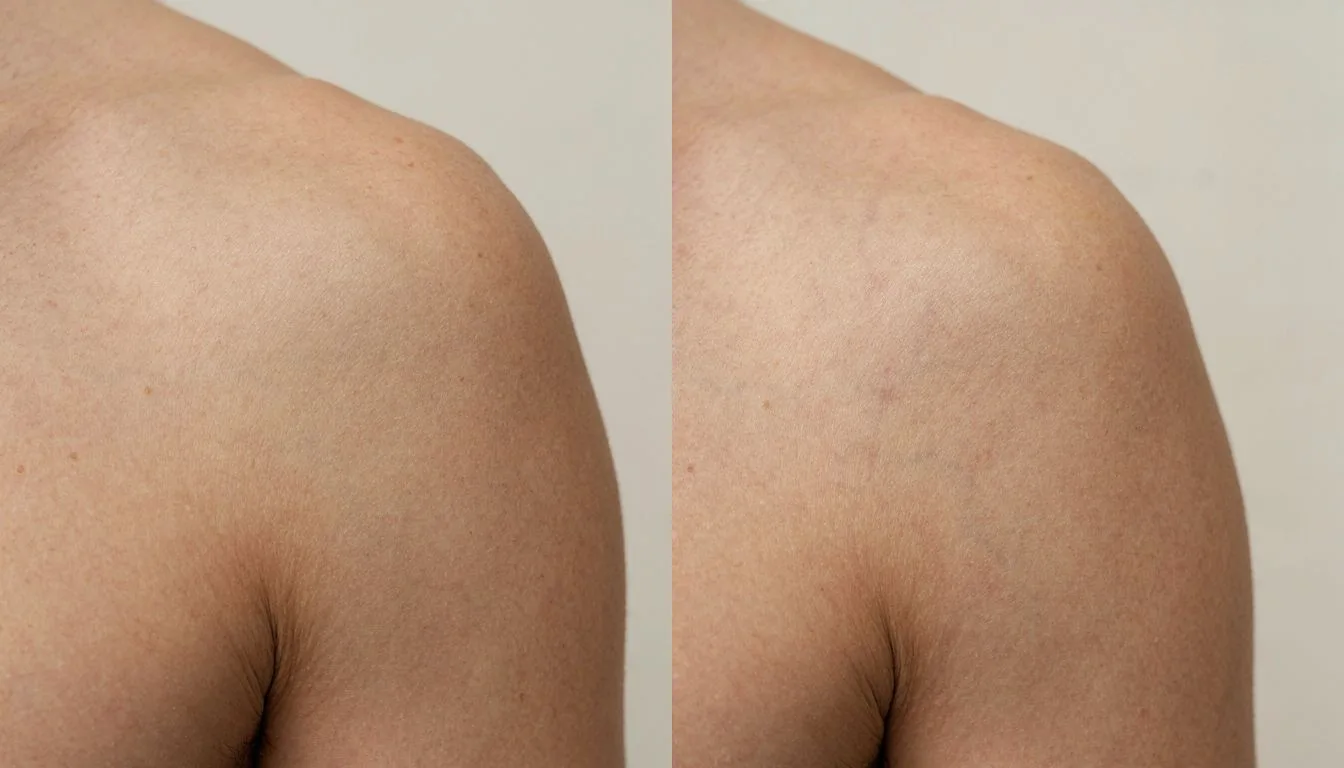
Imagine trusting a surgeon with your arms and never seeing a single healed result from their own patients. Before-and-after photos are not a marketing decoration; they are the closest thing to a visual track record. When a clinic offers only stock images, heavily filtered portraits, or just one or two anonymized cases, you lose the ability to judge scar placement, symmetry, skin tension, and how the contour actually settles months later.
Be cautious if the gallery skips certain body types, hides incision lines, or only shows patients in long sleeves. Honest surgeons usually document a range of cases, including revision work and patients with similar skin laxity to yours. Ask for unedited images, lighting consistency, and time stamps that show long-term follow-up rather than week-two glamour shots. Reputable clinics can also share patient references who consented to discuss their experience. A transparent portfolio is one of the clearest signals that the team is proud of its outcomes and confident in your scrutiny.
Limited or Absent Post-Operative Care Plans
Recovery from an arm lift is not a single visit; it stretches over several weeks, and the quality of that phase often decides how the final scar and contour actually settle. A trustworthy clinic treats the post-operative plan as a written document shared before you fly, not as a casual verbal reassurance given as you leave the operating room. When that plan is thin or missing entirely, even a technically flawless procedure can turn into a stressful ordeal the moment you are back in your hotel.
What a credible post-operative package usually bundles together looks roughly like this:
- Scheduled wound checks with the operating surgeon in person, not only with an unfamiliar assistant, at clearly defined intervals during the first two weeks.
- Compression garment provision and clear guidance on how many hours per day it should be worn during the recovery period.
- Named contact for after-hours questions so a patient is never left wondering who to call if drainage, swelling, or unexpected pain appears late at night.
- Documented criteria that explain which symptoms are normal and which require urgent re-evaluation by the surgical team.
- Support for medical extenders such as antibiotic schedules, scar care products, and lymphatic drainage sessions when these are part of the protocol.
- Coordination with a local physician at home for suture removal or wound review, so follow-up does not collapse once the flight home begins.
A coordinator who bristles at questions about dressings, drains, or emergency access is signaling that the clinical side has not been thought through. Recovery deserves the same rigor as the operation itself, and a clinic that cannot describe its post-operative care plan in writing is asking you to absorb risk you never planned for.
Communication Gaps and Language Barriers
Clear communication forms the spine of every safe surgical journey, yet it is the piece most often brushed aside in a cheerful WhatsApp exchange. When a coordinator’s English falters or key medical details get lost in translation, your consent becomes guesswork rather than informed choice.
Watch for signs that a clinic relies heavily on auto-translators, sends rushed voice notes, or dodges written answers to direct questions about anesthesia type, incision pattern, or revision policy. Ask who will actually be in the operating room and demand a written, translated copy of the consent form before paying anything. If the team cannot provide a translator during your pre-op consultation or a reachable English-speaking contact for the recovery week, treat that hesitation as a warning rather than a minor inconvenience.
Strong clinics staff a dedicated international patient coordinator who responds in writing within twenty-four hours, uses recognized medical terminology, and welcomes your second opinion. That level of clarity often reflects the same care they bring to the operating theatre.
FAQs
What warning signs should I look for when researching clinics for an arm lift in Turkey?
Watch for clinics that lack transparent before-and-after photos of real arm lift patients or refuse to share the surgeon’s credentials and CV. Be cautious if pricing seems unusually low, pressure tactics push you into booking quickly, or reviews are overwhelmingly positive without any balanced feedback. Avoid clinics that do not arrange an in-person or detailed virtual consultation, do not provide clear information about accredited surgical facilities, or cannot confirm the surgeon’s board certification and experience specifically in brachioplasty procedures.
How can I tell if a surgeons before-and-after photos for an arm lift in Turkey are misleading?
Check that the photos use consistent lighting, the same background, and identical camera angles in both the before and after images. Be cautious if the “before” picture appears darker, is taken from a flattering pose, or shows the patient wearing compression garments, and verify that no editing software has been used to slim or smooth the area. Also confirm that the images are of actual patients of the specific surgeon you are considering, with verifiable timestamps or case numbers.
Why is it a concern if a clinic performing arm lifts in Turkey pressures me into booking quickly?
High-pressure tactics often signal that the clinic prioritizes making a sale over your safety and well-being. Reputable providers understand that arm lift surgery is a serious medical decision that requires time for research, consultations, and personal reflection. Feeling rushed is a red flag that the clinic may be hiding issues such as unqualified surgeons, poor safety standards, or a lack of transparent pricing and aftercare plans. Taking time to verify credentials, read independent reviews, and compare alternatives protects you from making a costly or dangerous choice.