For many Americans, a beard transplant in Turkey can be attractive because it may combine specialized treatment with a lower overall cost than some U.S. options. However, deciding whether it is truly worth it requires more than comparing advertised package prices. The right choice depends on your beard goals, donor hair, medical suitability, expected results, and confidence in the clinic providing care. Travel also matters: flights, accommodation, time away from work, follow-up communication, and recovery arrangements affect the real value of treatment abroad. This guide examines those practical factors without assuming that Turkey or the United States is automatically better. By looking at planning, safety, costs, travel, healing, and long-term results, you can approach consultations with clearer expectations and make a decision based on evidence rather than marketing claims.
Why Americans Consider Turkey for Beard Transplants
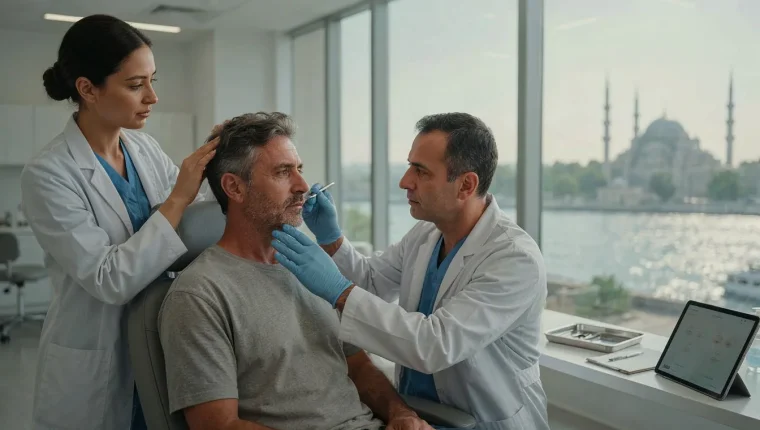
Turkey attracts many Americans because it has developed a large market for international hair-restoration patients. Clinics in major cities may offer dedicated coordinators, airport transfers, interpreter support, and treatment packages that make the logistics feel more manageable for someone traveling from abroad. Specialist availability can also be appealing, particularly for patients who have difficulty finding a nearby U.S. provider experienced in facial-hair restoration.
Price is another reason people investigate treatment overseas. The quoted treatment fee may be lower than estimates from some American clinics, especially when graft placement, accommodation, and transportation are bundled together. However, perceived value is not proof of superior care. A lower price does not guarantee natural design, appropriate graft planning, or a suitable medical standard, and package inclusions can vary considerably.
Americans should therefore assess the complete commitment, including airfare, time away from work, possible language barriers, and access to follow-up after returning home. The most important comparison is overall treatment value: the expected quality of planning and care relative to the total financial, medical, and travel demands. Personal suitability matters as well, since donor supply, facial-hair goals, and health history can influence whether traveling abroad is sensible.
What the Procedure Includes and How It Works
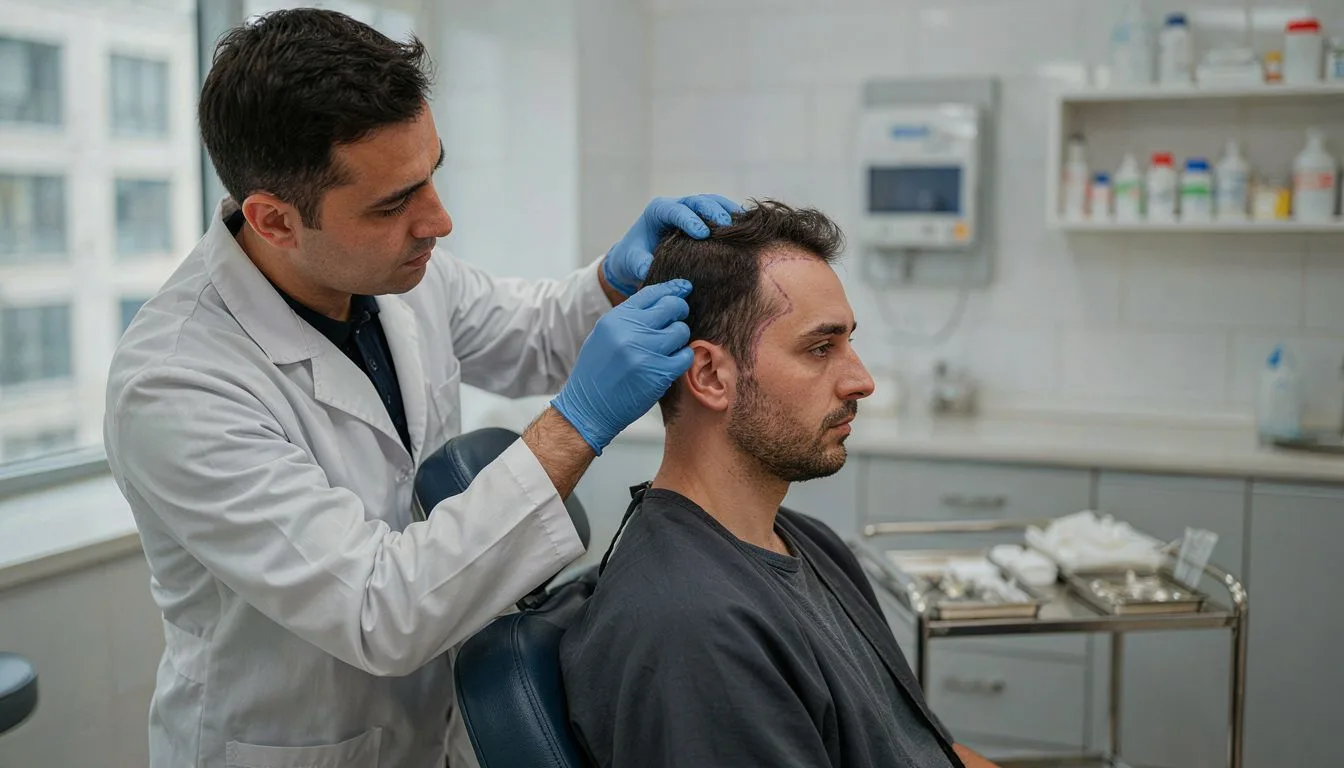
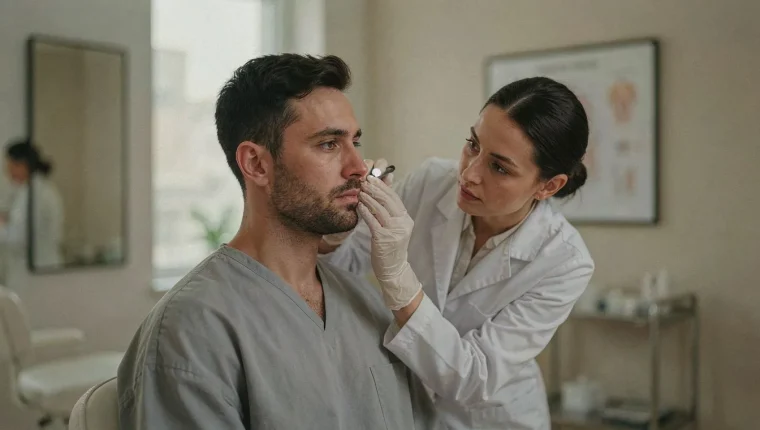
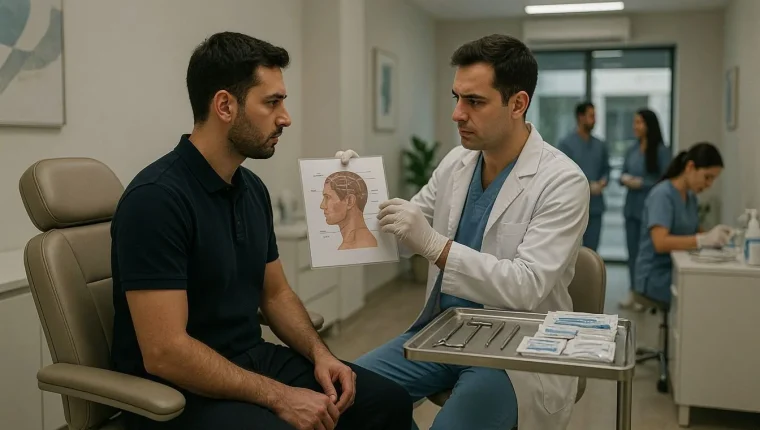
The process usually begins with a medical consultation and an assessment of the donor area, typically at the back or sides of the scalp. The clinician evaluates hair thickness, available graft supply, skin condition, and the pattern of existing facial hair. Beard design is then planned around the patient’s face, including the cheek line, mustache, goatee, sideburns, and areas of uneven growth. Density goals must remain realistic because limited donor hair can affect how much coverage is possible.
During treatment, individual follicular units are usually removed from the donor area using a small punch device. The grafts are sorted and prepared before being placed into carefully created recipient sites in the beard region. The angle, direction, and spacing of each placement matter because facial hair grows differently from scalp hair. The central technical issue is natural graft placement, which helps the transplanted hairs blend with existing growth rather than appearing uniform or artificial.
Patients should confirm which technique the clinic uses, what type of anesthesia is planned, and who performs extraction, site creation, and implantation. These roles may involve different members of the medical team, so clear answers are important before booking. The consultation should also explain how many grafts are recommended, whether donor hair may be limited, and what instructions will be provided immediately after treatment. Early healing and longer-term growth require separate planning, so Americans should obtain written aftercare guidance and ask how follow-up communication will work after returning home.
Comparing Turkey’s Costs With U.S. Clinics

Price comparisons become meaningful only when you look beyond the headline package. A Turkish clinic may quote a combined fee covering the consultation, procedure, prescribed medication, hotel accommodation, and airport or clinic transfers. U.S. clinics may list the surgical fee separately from physician consultations, laboratory services, medications, or follow-up appointments. These different pricing structures can make two apparently similar quotes difficult to compare.
Ask each provider for a current, itemized estimate. Confirm the number of grafts or treatment sessions included, who performs each stage, and whether accommodation, transfers, medications, and post-treatment communication are covered. Also check exclusions such as additional nights, companion travel, payment fees, or treatment for unexpected medical findings.
The realistic comparison should include airfare, meals, local transportation, time away from work, and any follow-up required after returning to the United States. Revision treatment may also affect long-term value if the initial result does not meet the agreed plan. In this context, total treatment cost is more useful than the advertised package price alone. Requesting written terms and comparing equivalent services helps reveal whether the lower quote remains economical after every necessary expense is added.
How to Choose a Safe, Qualified Clinic
Choosing a clinic requires more than comparing package prices or browsing polished social-media photographs. For Americans arranging treatment abroad, the key question is whether the clinic can demonstrate accountable medical care before, during, and after the procedure. Start by identifying the physician who is legally responsible for the treatment and verifying relevant medical credentials, professional registration, and experience with facial hair restoration. A careful evaluation should also consider how clearly the clinic explains its planning process, the roles of its staff, the evidence supporting its results, and the support available after you return home.
- Verify the clinic and physician. Check the doctor’s qualifications, professional registration, facility authorization where applicable, and specific experience with beard procedures rather than relying on a sales representative’s description.
- Request individualized planning. A qualified team should assess your facial hair pattern, donor area, skin, goals, and medical history before recommending graft numbers or a hairline design.
- Ask who performs each stage. Confirm which clinician conducts the consultation, extraction, site creation, and implantation, since staff involvement can vary significantly between clinics.
- Review consistent results. Ask for clear before-and-after cases with comparable beard patterns, viewing angles, lighting, and sufficient follow-up time to judge growth and naturalness.
- Examine communication and contingency plans. The clinic should explain possible complications, provide direct medical contact details, and describe how concerns will be managed if you develop symptoms after returning home.
Be cautious when a coordinator avoids medical questions, promises guaranteed density, pressures you to book immediately, or offers a fixed graft count without examination. Written treatment details should identify what is included, who provides care, and how changes or complications are handled. Clear answers and realistic expectations are strong indicators of responsible practice; vague assurances are reasons to seek another opinion.
Before making a final decision, compare the information from more than one qualified clinic and ensure that you understand the proposed procedure, recovery process, costs, and follow-up arrangements. A safe clinic should welcome reasonable questions and provide enough medical detail for you to make an informed choice rather than encouraging you to decide based solely on price or promotional claims.
Travel, Recovery, and Long-Term Results
Plan the trip around the healing period, not just the procedure date. Allow time for airport transfers, comfortable accommodation, required documents, and any clinic-mandated restrictions on exercise, alcohol, or sun exposure. Avoid scheduling an immediate return flight if early monitoring is recommended.
Recovery develops in stages. Follow washing, sleeping, medication, and activity instructions carefully, and arrange remote follow-up before leaving Turkey. Confirm who will review photographs, how quickly the clinic responds, and which local doctor or emergency service to contact if concerning symptoms arise.
Initial redness, swelling, shedding, and uneven growth can occur, while visible improvement may take several months. Beard density and the final appearance continue developing over time, so a premature assessment can be misleading. If severe pain, spreading redness, fever, or unusual discharge develops, seek medical care locally rather than waiting for an online reply.
FAQs
Is beard transplant Turkey for Americans generally worth the cost and travel?
For many Americans, a beard transplant in Turkey can be worth the cost because clinics often charge less than those in the United States, even after adding travel expenses. The value depends on the surgeon’s qualifications, clinic standards, technique, aftercare, and the complexity of the procedure, so compare verified results and total costs rather than choosing solely by price. Include travel, recovery time, follow-up care, and potential revision costs in your decision.
How do Americans choose a safe, qualified beard transplant clinic in Turkey?
Americans should verify the clinic’s surgeon credentials, hair-restoration experience, licensing, and accreditation before booking. They should review independently verified patient results, confirm who performs each step of the procedure, and request a clear breakdown of costs, risks, aftercare, and follow-up support. A consultation with a qualified physician can help assess candidacy and identify clinics that make unrealistic promises or use pressure-based sales tactics.
What should Americans expect during recovery after a beard transplant in Turkey?
Recovery usually involves mild swelling, redness, tenderness, and small scabs around the transplanted follicles during the first week. Most patients can return to desk work within a few days, but should avoid strenuous exercise, direct sun exposure, swimming, and friction until their clinic approves these activities. The transplanted hairs commonly shed within the first few weeks before new growth develops gradually over several months.