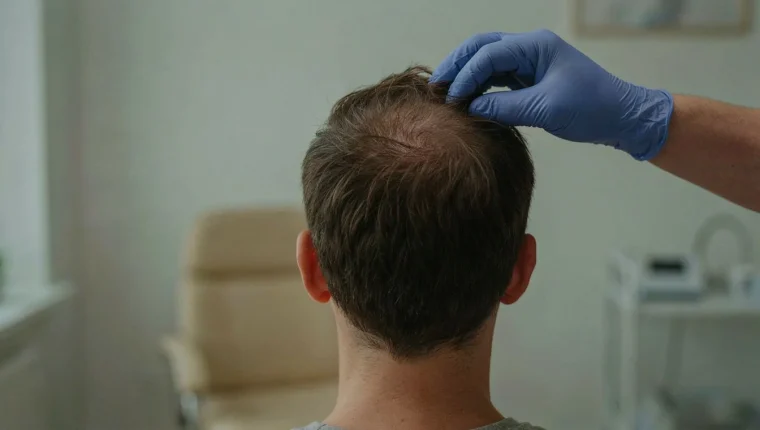
A hair transplant in Turkey involves more than choosing a clinic and booking flights. Depending on your nationality, passport type, and purpose of travel, you may need a visa or another form of entry authorization before departure. The rules can also affect how long you may stay in the country for treatment, early recovery, and any scheduled clinic visit. This guide focuses on the travel side of the process, including visa checks, border entry, permitted stay, and documents related to a hair restoration trip. Always confirm the latest requirements through official Turkish government sources before making final arrangements.
Who Needs a Turkey Visa for Hair Transplant Treatment?

Whether you need permission to enter Turkey for a hair transplant depends primarily on your nationality and passport type, not on the cosmetic nature of the procedure. A medical appointment does not automatically create a special visa category, so travelers should confirm their entry status before booking flights or paying a clinic deposit.
Some visitors can enter visa-free for a permitted period, while others may qualify for an e-Visa completed online before departure. Eligibility can depend on the passport issued, its validity, and sometimes additional conditions set by Turkish authorities. Travelers who do not qualify for either option may need to apply through a Turkish consulate or an authorized visa application center.
Check that your passport remains valid for the period required by Turkey and that it has sufficient blank pages if applicable. A temporary, emergency, refugee, or other non-standard travel document may follow different rules from an ordinary national passport. Airline staff can also verify entry documents before boarding, so relying solely on a clinic’s invitation or booking confirmation may create problems.
Clinics may offer general guidance or appointment documents, but they cannot replace official visa advice or guarantee admission at the border. Verify your nationality-specific requirements through Turkey’s official visa portal or the nearest Turkish diplomatic mission before finalizing travel arrangements. Keep your treatment confirmation, accommodation details, return or onward travel information, and proof of funds available in case border officials request supporting evidence.
Turkey Visa for Hair Transplant: Entry Requirements by Nationality
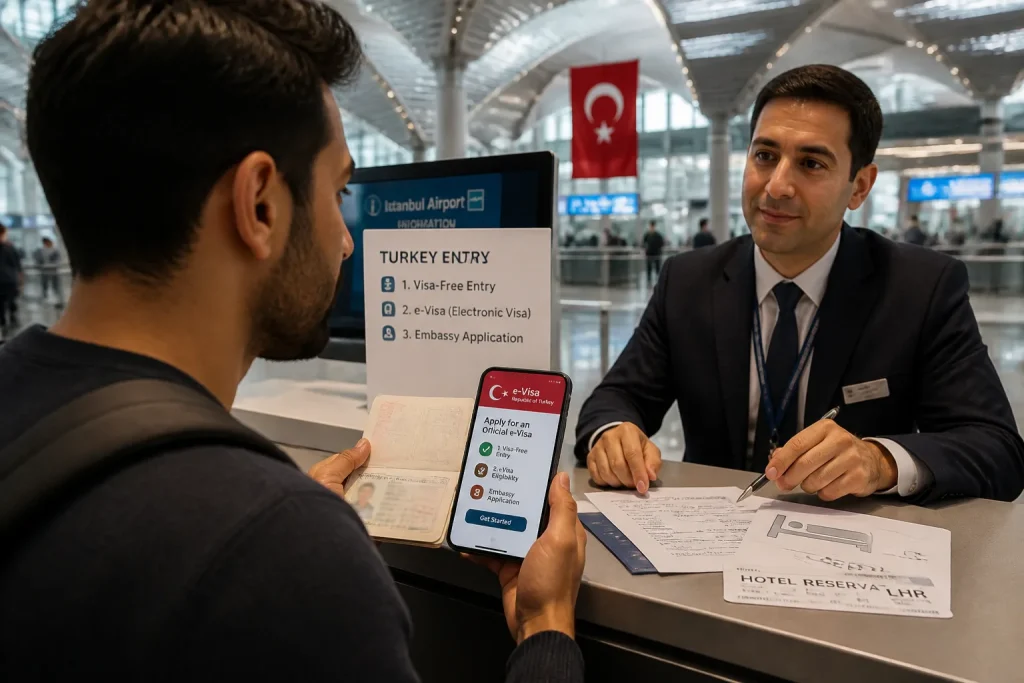
Visa rules for a hair restoration trip to Turkey depend primarily on the passport you will use, rather than the procedure itself. Travelers generally fall into three groups: those who can enter without a visa, those who may apply for an e-Visa, and those who must submit an application through a Turkish embassy or consulate.
Visa-exempt travelers should still confirm how long they may stay and whether their permitted purpose of travel covers treatment at a private clinic. An e-Visa may be available to eligible nationalities for short visits, but approval can depend on conditions such as having a valid residence permit or visa from another country, holding a qualifying return ticket, or meeting specific travel-document requirements. These conditions are not universal and should be checked before booking flights.
Applicants who are not eligible for visa-free entry or an e-Visa may need a consular visa. The application route, processing time, supporting evidence, and permitted stay can vary by nationality and by the applicant’s place of legal residence. A regular passport, temporary passport, emergency travel document, or other document may also receive different treatment.
Check your passport’s expiry date, remaining blank pages, and any minimum validity requirement before arranging surgery. Some travelers may face additional restrictions based on previous entries, dual nationality, border crossings, or the intended length of stay. The most reliable source is the official Turkish e-Visa portal or the Turkish diplomatic mission responsible for your residence. Confirm the rules again shortly before departure, since entry conditions can change and airline staff may apply document checks before boarding.
How to Prepare Documents for a Medical Trip to Turkey

Organizing a complete travel file can make the visa or entry process easier and help the clinic confirm your appointment. Requirements vary according to your nationality, passport type, and travel purpose, so separate official requirements from documents that simply explain your medical plans. Use current information from the relevant Turkish authority, consulate, or official visa portal before submitting anything. Review each document carefully, check that the information is consistent, and prepare materials that clearly support both your travel arrangements and the reason for your visit.
- Passport: Check that your passport meets the required validity period, has available blank pages, and is undamaged. The personal details must match every application, ticket, and booking.
- Application details: Enter your name, passport number, dates, and contact information consistently. Save confirmation pages, payment receipts, and copies of any submitted forms.
- Travel arrangements: Keep a provisional or confirmed flight itinerary if requested, but do not assume that a reservation alone proves visa eligibility. Make sure the dates fit your planned appointment and authorized stay.
- Accommodation evidence: Prepare a hotel booking, host details, or another acceptable address for your stay. The information should cover the period you expect to remain in Turkey.
- Clinic records: A consultation confirmation, appointment letter, treatment quotation, or correspondence with the hair transplant clinic may help explain the purpose of travel. These documents may support an application without being officially mandatory.
Before uploading or presenting documents, verify whether scans must be in a specific format, size, or color. Documents not written in an accepted language may require a certified translation, and some authorities may request copies rather than originals. Keep digital backups and printed copies, while avoiding non-refundable bookings until the applicable permission has been approved.
It is also helpful to organize the file in a clear order so that passport information, application details, travel arrangements, accommodation evidence, and clinic records can be found quickly. Confirm any additional requirements with the relevant authority and the clinic before departure, because procedures and document rules can change. A complete and carefully checked file can reduce delays and make communication with both officials and the medical provider more straightforward.
What to Expect at Turkish Border Control and the Clinic
Arrival at a Turkish airport usually involves a brief immigration check before you collect your luggage and continue to your accommodation. The officer may ask about your reason for travel, where you will stay, how long you intend to remain, and whether you have onward travel arranged. Keep your admission decision remains with the border officer in mind: an approved visa or a clinic appointment does not automatically guarantee entry.
Have your passport and visa evidence easy to access, together with your accommodation details, return or onward booking, and the clinic’s name, address, and telephone number. Digital copies can be useful, but carrying accessible offline copies may help if your connection is unavailable. Your answers should be consistent with the information submitted for your trip.
The clinic visit is separate from immigration control. Staff may confirm your identity, review your medical history, examine the donor and recipient areas, and discuss the proposed FUE or DHI procedure. Before treatment, ask about graft numbers, consent, possible risks, recovery arrangements, and aftercare instructions. Do not assume that a consultation guarantees treatment; the medical team may recommend changing or postponing the plan after assessment.
How Long Can You Stay for Hair Transplant Recovery?

Your authorized stay should cover the treatment, the first days of recovery, and any clinic follow-up recommended for your procedure. Immigration permission and medical timing are separate: a visa may allow a certain period in Turkey, while your clinic may suggest staying longer based on the extent of graft placement, aftercare needs, or your travel plans.
Before booking flights, verify the visa’s permitted duration of stay, validity dates, and number of entries. Do not assume that the visa validity period equals the number of days you may remain in the country. Ask the clinic how soon you can reasonably travel after FUE, DHI, or another hair restoration procedure, and allow flexibility for delayed flights, additional checks, or a follow-up appointment.
Recovery varies between patients, so confirm your proposed schedule with the treating clinic. If your authorized period appears too short for treatment and early aftercare, resolve the issue before departure rather than relying on an extension or last-minute change.
FAQs
Can I travel to Turkey for a hair transplant without a visa?
Visa requirements for Turkey depend on your nationality, and some travelers can enter visa-free while others need an e-Visa or consular visa. Check Turkey’s official e-Visa website or contact the nearest Turkish embassy before booking your hair transplant, and make sure your passport meets the required validity rules.
How early should I apply for my Turkish medical travel visa?
Apply for your Turkish medical travel visa as soon as your treatment date is confirmed, ideally at least 4–6 weeks before departure. Processing times vary by nationality and application type, and you may need extra time to provide medical documents or correct missing information. Check the latest requirements with the nearest Turkish consulate or the official e-Visa website before booking your trip.
Can a clinic help me with my visa application?
Yes, many clinics can support your visa application by providing an invitation letter, treatment confirmation, appointment details, and estimated medical documents. However, the clinic cannot guarantee visa approval, and requirements vary by country and visa type. Check the relevant embassy or consulate requirements and submit the clinic’s documents with your application.