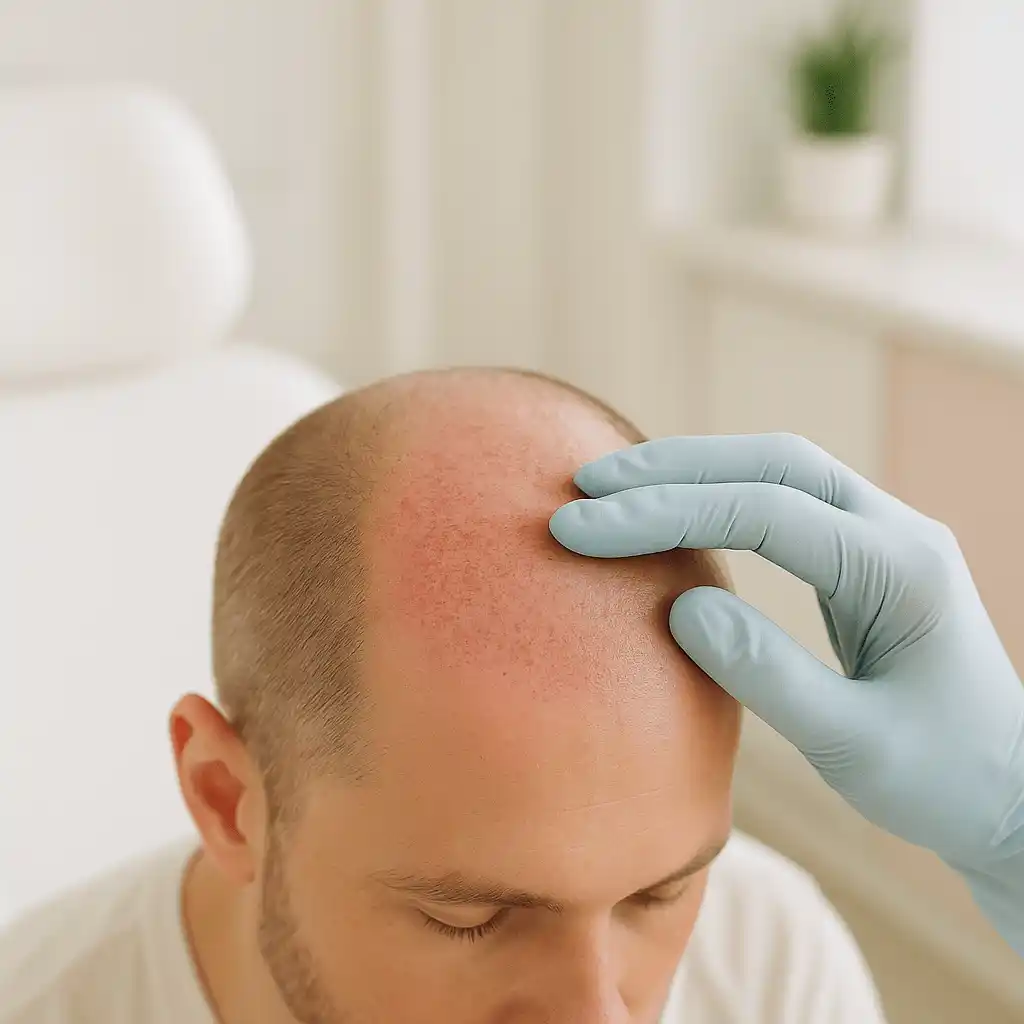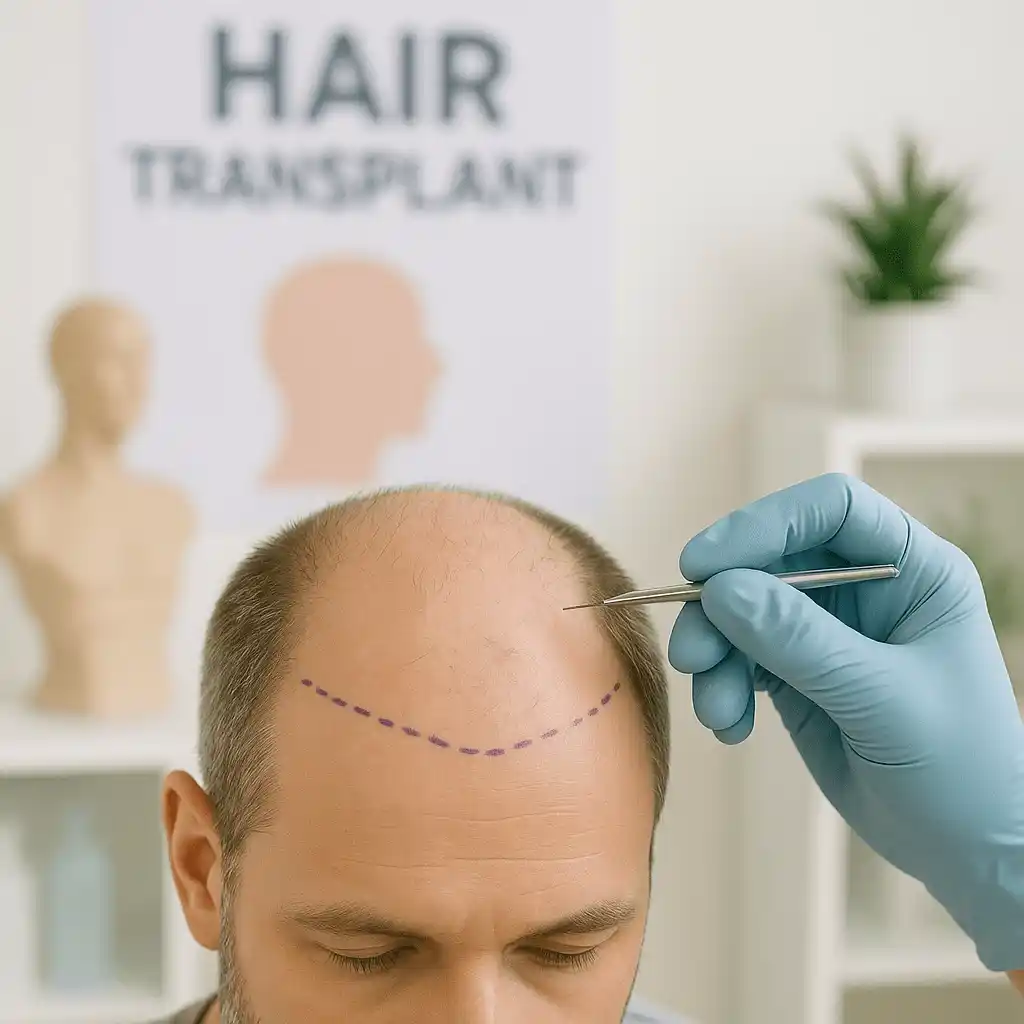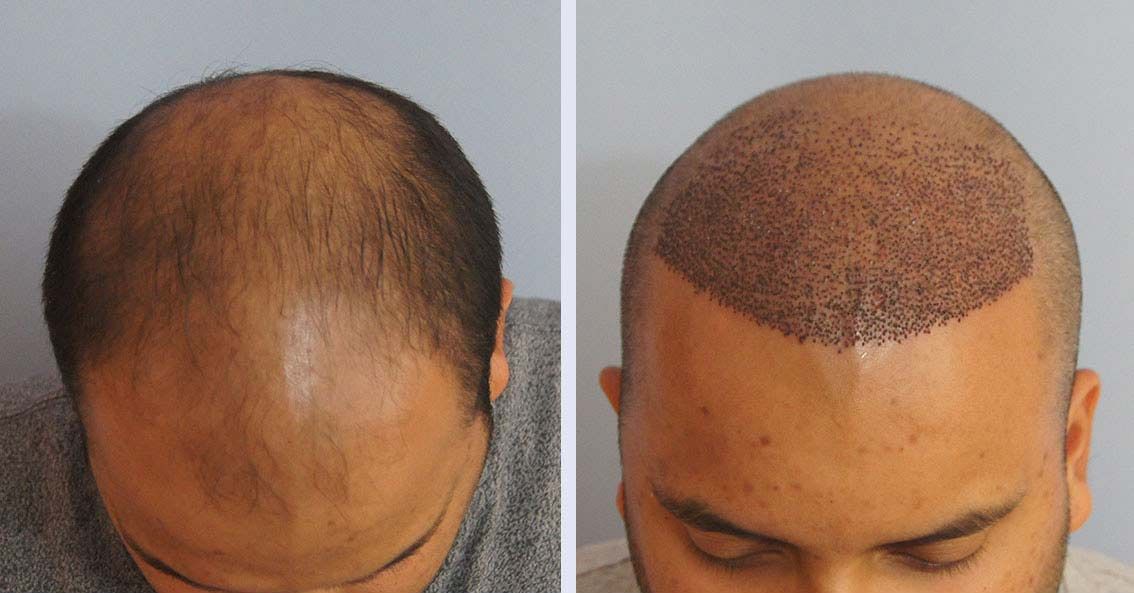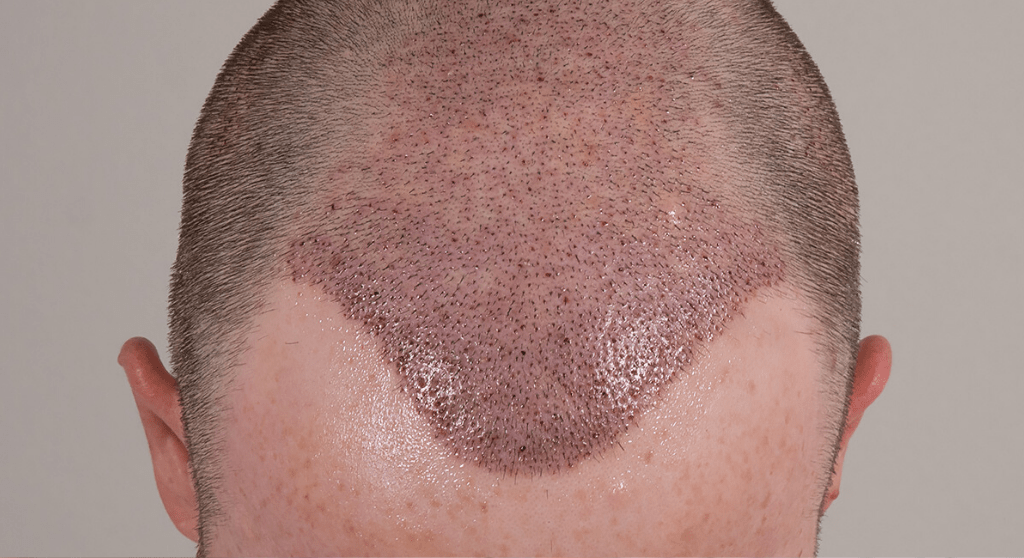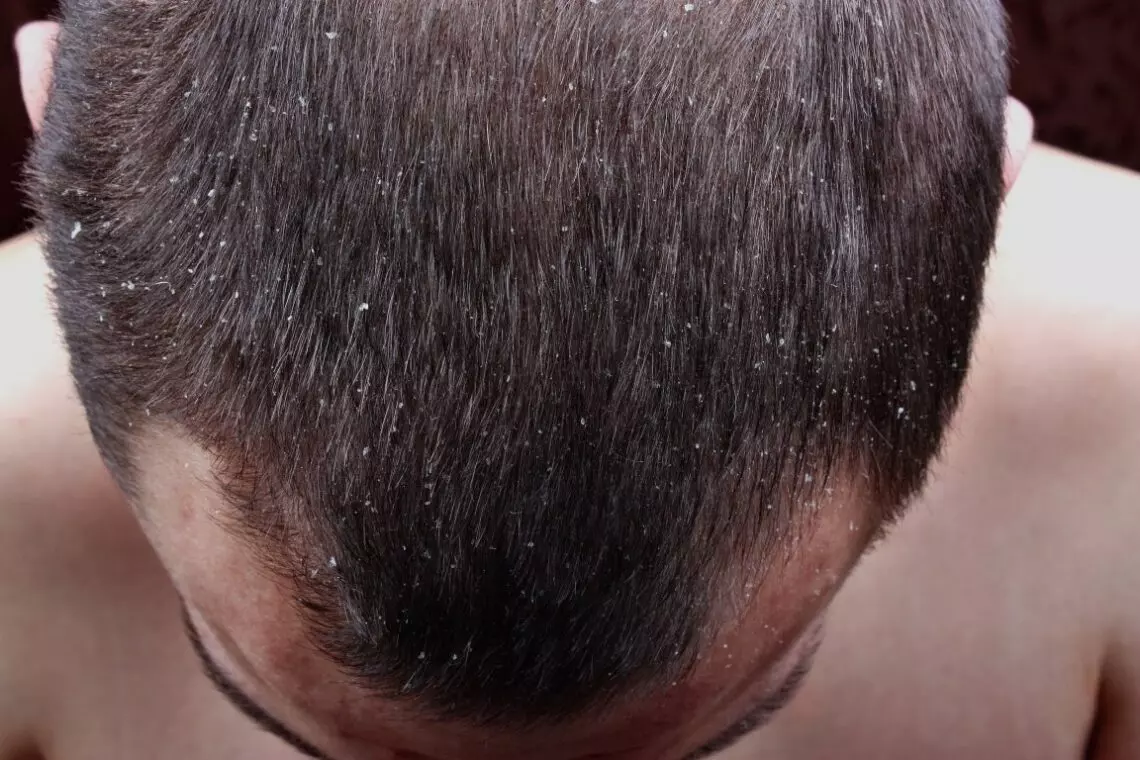
Is dandruff formation normal after hair transplantation? Mild scalp flaking can occur during recovery and does not always mean something is wrong. After FUE, DHI, or another hair restoration procedure, the scalp may become dry, irritated, or covered with small healing flakes around the grafts. However, not every type of dandruff after a hair transplant should be treated as normal. The timing, appearance, and accompanying symptoms matter. This guide explains why post-transplant flaking may occur, how long it can last, and which aftercare measures are generally safe. It also explains when scalp changes may require advice from your transplant clinic or a qualified doctor rather than home treatment.
Is Dandruff After Hair Transplant Normal?
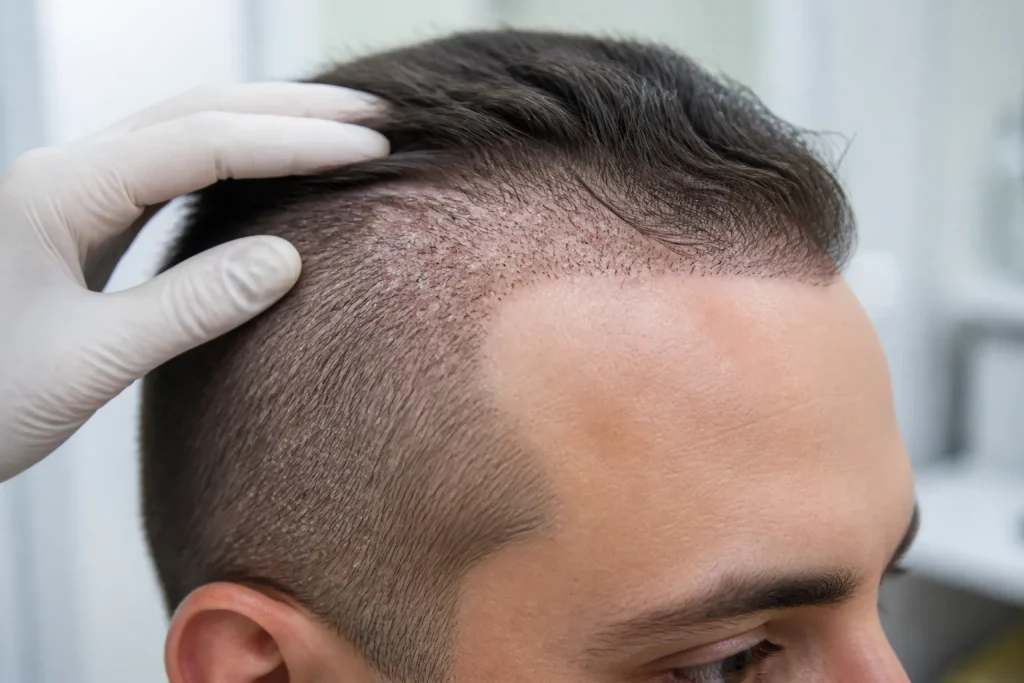
Some flaking after a hair transplant can be a normal part of scalp recovery. The skin in both the recipient and donor areas may feel dry, tight, or mildly irritated as it heals after FUE or DHI. Small white or yellowish flakes do not automatically mean that the grafts have been damaged, that the procedure has failed, or that an infection is developing.
It is also useful to distinguish temporary postoperative peeling from a condition that existed before surgery. People with pre-existing dandruff or seborrheic dermatitis may continue to notice scaling after transplantation, while others develop short-term dryness even if they never had scalp flaking previously. The appearance, amount, and duration of the flakes therefore need to be considered alongside other symptoms.
Mild, temporary scalp flaking is usually compatible with normal healing when it is not accompanied by increasing pain, marked redness, pus, foul odor, or significant swelling. Avoid scratching, picking, or rubbing the recipient area, since unnecessary pressure can irritate healing skin. Washing and moisturizing should follow the transplant clinic’s specific instructions, because products and timing vary according to the technique used and the individual recovery process.
Visible flakes alone are not enough to diagnose a complication. If their appearance concerns you, contact the clinic that performed the procedure before changing your aftercare routine or applying an anti-dandruff treatment.
What Causes Flaking During Hair Transplant Recovery?
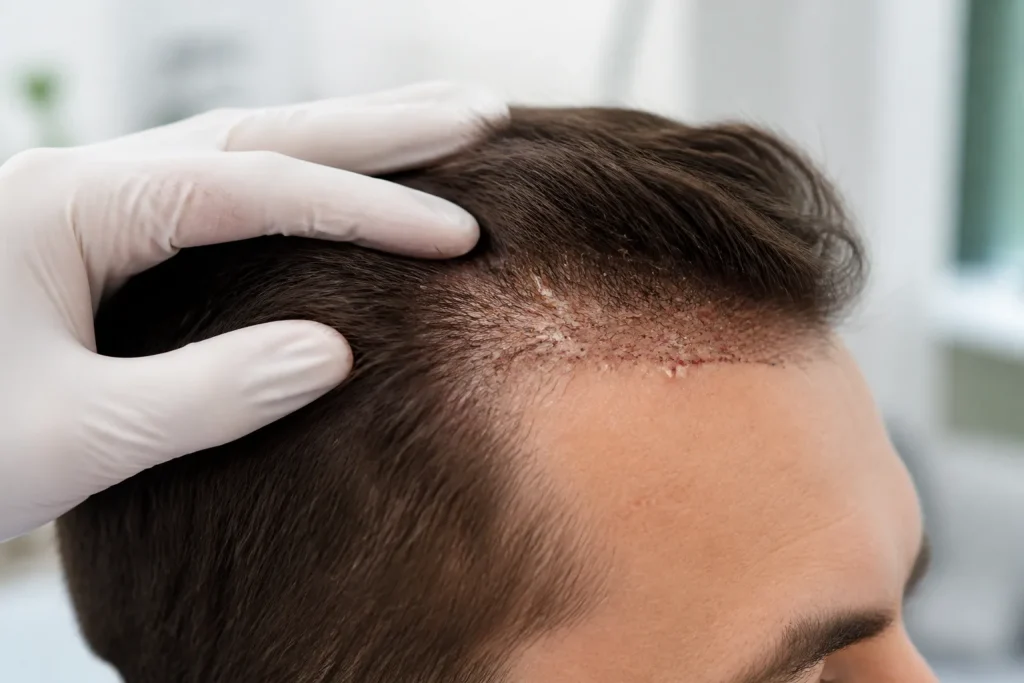
Flaking during hair transplant recovery can develop for several reasons, and the appearance of flakes does not always mean that a problem is occurring. As the recipient area heals, small amounts of dried serum, blood, and tissue fluid can collect around the grafts. These deposits may combine with shed skin cells to form crusts or fine flakes on the scalp.
The skin around newly implanted grafts may also become temporarily dry or tight. This can happen after the scalp’s natural barrier has been disturbed or when washing is reduced during the first days of recovery. Sensitivity to shampoos, antiseptic solutions, styling products, or prescribed topical treatments may create additional dryness, peeling, or mild irritation. A change in the usual washing routine can also allow oil and dead skin to accumulate.
Some people already have seborrheic dermatitis, psoriasis, eczema, or another scalp condition. These problems can continue after surgery or become more noticeable while the scalp is healing, particularly if flaking is accompanied by persistent itching or redness. In such cases, the flakes may not be caused solely by the procedure.
Inflammation or infection is less common but should be considered if flaking occurs with increasing pain, warmth, swelling, marked redness, pus, foul odor, fever, or rapidly worsening tenderness. These symptoms require assessment by the transplant clinic or a qualified doctor rather than self-treatment. The exact cause can usually be clarified by examining the scalp and reviewing the products and medications used during recovery.
How Long Should Scalp Flakes Last After Surgery?
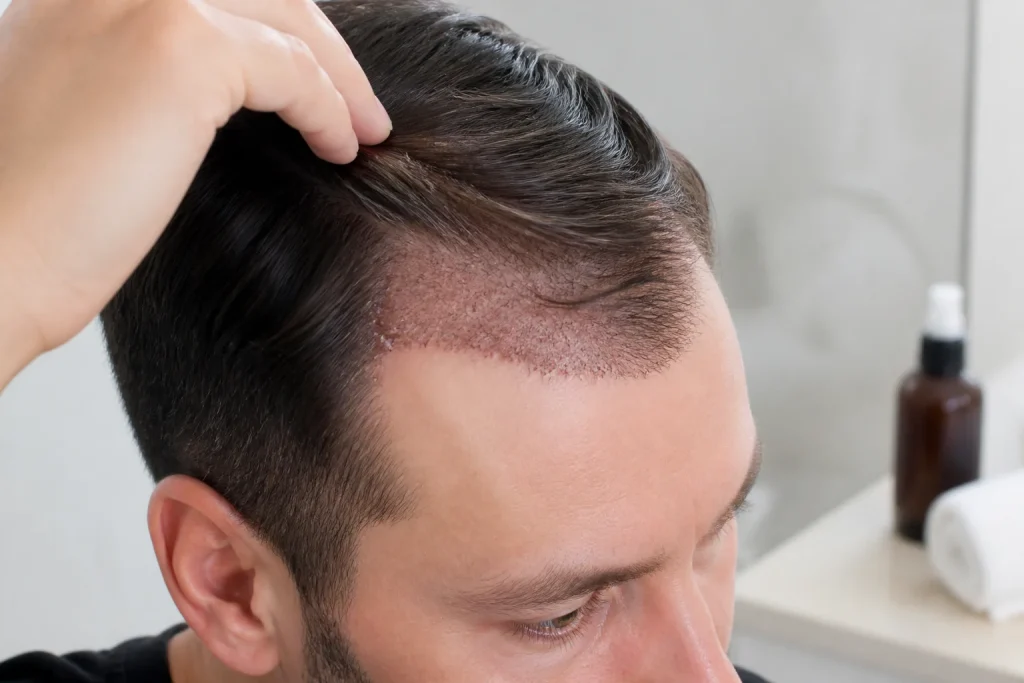
Scalp flaking usually follows a temporary recovery pattern rather than a fixed timetable. Early crusting and peeling around the grafts often occur during the first days after surgery as the skin settles. These flakes may gradually loosen and become less noticeable over the following days or weeks, depending on how quickly the scalp heals and how closely aftercare instructions are followed.
Later, dandruff-like scaling can occasionally appear after the initial crusts have cleared. This may reflect dryness, oil buildup, sensitivity to products, or an existing scalp condition rather than a problem with the transplanted hair follicles. Skin type, the extent of the procedure, the technique used, and individual healing speed can all affect how long visible flakes remain. FUE and DHI recovery timelines may also differ slightly between patients, but neither technique creates a universal deadline for complete resolution.
Persistent or worsening flaking deserves attention from the transplant provider, especially if it continues beyond the expected recovery phase or changes in character. Contact the clinic if scaling becomes thick, spreads, or occurs with increasing redness, pain, swelling, discharge, strong itching, or an unpleasant odor. These changes may require an examination to distinguish ordinary dryness from inflammation, infection, or another scalp condition.
Which Aftercare Steps Help Reduce Scalp Flaking?
Managing flakes after hair restoration requires a gentle routine that protects healing grafts in both the recipient and donor areas. The safest approach is to treat the scalp as fragile tissue: clean away loose residue without rubbing, scraping, or applying products that your clinic has not approved for your stage of recovery. Because flaking can reflect normal healing, dryness, irritation, or another scalp concern, consistent aftercare and attention to how the skin responds are important. A careful routine can help maintain cleanliness while reducing unnecessary pressure on newly treated areas.
- Follow the clinic’s washing schedule: Use the timing, water temperature, shampoo, and application method recommended by your surgeon. Instructions may differ after FUE, DHI, or other procedures.
- Cleanse with light contact: Apply a suitable cleanser with clean fingertips or as directed, allowing water and gentle lather to loosen surface flakes. Do not massage firmly over newly implanted grafts.
- Rinse carefully: Let lukewarm water flow over the scalp without high-pressure spray. Residual shampoo can increase dryness or irritation, so rinse thoroughly and pat the area dry with a clean, soft towel.
- Avoid scratching and picking: Fingernails, combs, and forceful scraping can traumatize healing skin and potentially disturb grafts. If itching is troublesome, ask the clinic about safe relief rather than rubbing the scalp.
- Use medicated products only with approval: Anti-dandruff shampoos may be unsuitable during certain healing stages or if the scalp is irritated. Introduce one only when the transplant team or doctor recommends it.
These steps should be carried out patiently, since trying to remove every visible flake at once may create more irritation than it resolves. Maintaining adequate fluid intake and avoiding known irritants, including excessive heat, harsh styling products, and unnecessary chemical treatments, may make the scalp more comfortable. Keeping the scalp protected while it heals also means allowing loose residue to lift gradually rather than forcing it away.
These measures support a calmer recovery but are not guaranteed treatments for every cause of flaking. Continue the prescribed aftercare plan and seek tailored advice before changing it. If flaking becomes severe, persistent, painful, or accompanied by marked redness, swelling, discharge, or worsening discomfort, contact the transplant team or doctor for individualized guidance.
When Should Post-Transplant Dandruff Be Checked by a Doctor?
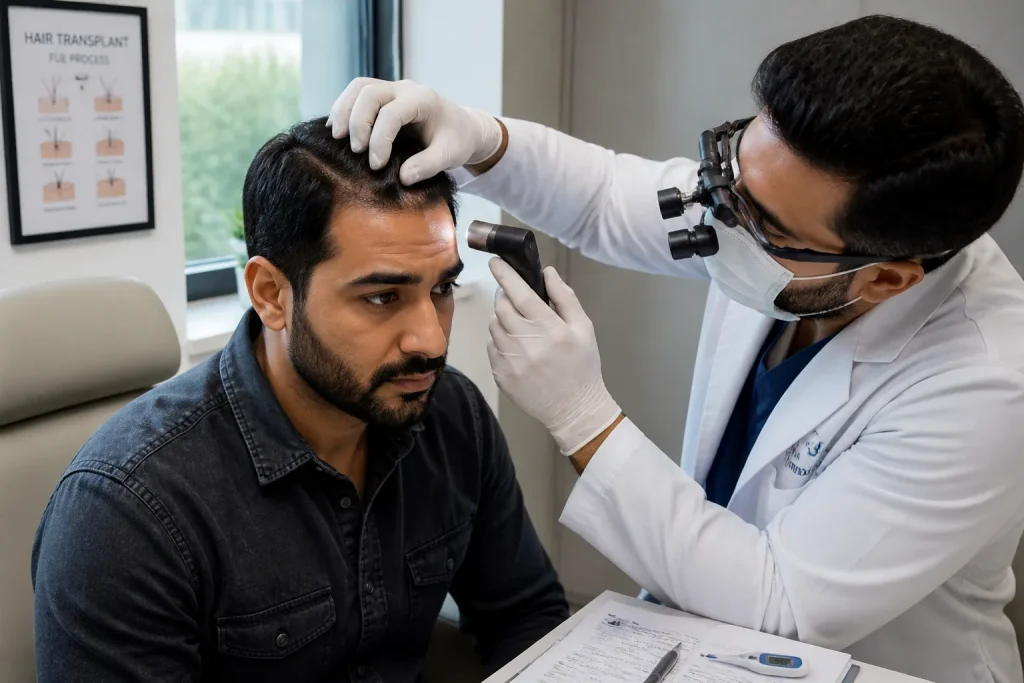
Not every flake signals a complication, but new or worsening symptoms should be assessed rather than judged by appearance alone. Contact the transplant clinic or a doctor if the scalp seems increasingly irritated, especially if the changes develop suddenly or affect the recipient or donor area.
- Spreading redness around the grafts or donor site may indicate significant inflammation and needs professional review.
- Increasing pain or marked swelling is not typical of an uncomplicated recovery, particularly when discomfort is getting worse instead of improving.
- Pus, foul odor, or fever can accompany infection and should prompt timely medical advice rather than home treatment.
- Persistent itching, bleeding, or thick crusting warrants assessment if it continues, interferes with washing, or appears after the scalp had begun to settle.
- Worsening symptoms or systemic illness require prompt attention, especially with chills, weakness, or feeling generally unwell.
Grafts cannot be reliably evaluated from flakes alone. A professional may need to inspect the scalp, distinguish routine healing from infection or another skin condition, and decide whether treatment is appropriate. Seek urgent care for severe pain, rapidly increasing swelling, heavy bleeding, or fever with marked deterioration, and follow the clinic’s instructions while waiting for guidance.
FAQs
Can I wash my hair if I develop flakes after a transplant?
Yes, you can usually wash your hair if flakes develop after a hair transplant, but follow your clinic’s instructions and use a gentle, prescribed shampoo. Wash without scratching, rubbing, or picking at the grafts, especially in the recipient area, as flakes may be part of normal healing. Contact your surgeon if the flaking comes with increasing redness, swelling, pain, pus, or severe itching.
Could dandruff affect newly implanted grafts?
Dandruff usually does not damage newly implanted grafts, but flaking, itching, and inflammation can irritate the recipient area during recovery. Avoid scratching or picking at scabs, and follow your clinic’s washing and aftercare instructions carefully. Contact your hair transplant specialist if dandruff becomes severe, causes redness or pain, or does not improve with approved treatment.
How can I tell normal healing flakes from an infection?
Normal healing flakes are usually small, dry, light-colored crusts around the grafts that gradually loosen without worsening pain, redness, swelling, or discharge. Infection may cause increasing tenderness, spreading redness, warmth, significant swelling, pus-like drainage, foul odor, fever, or chills. Contact your hair transplant clinic or a healthcare professional promptly if these symptoms appear, especially if redness extends beyond the recipient or donor area.