Choosing where to get a smile makeover often comes down to one question: what will it cost, and is the cheaper option worth it? If you are comparing smile makeover Istanbul vs Toronto cost, you are likely weighing a significant price gap against travel, convenience, and trust. This is a practical comparison, not a general price list. We will look at the procedures a smile makeover typically includes, the cost ranges in each city, and the factors that drive prices up or down. We will also weigh quality, travel logistics, and long-term value, so you can judge total worth, not just the upfront number.
What a Smile Makeover Typically Includes
A smile makeover is not a single procedure but a customized combination of treatments chosen to improve the appearance of your teeth and gums. Because no two smiles are identical, the exact mix depends on your goals, your starting point, and how much correction you want.
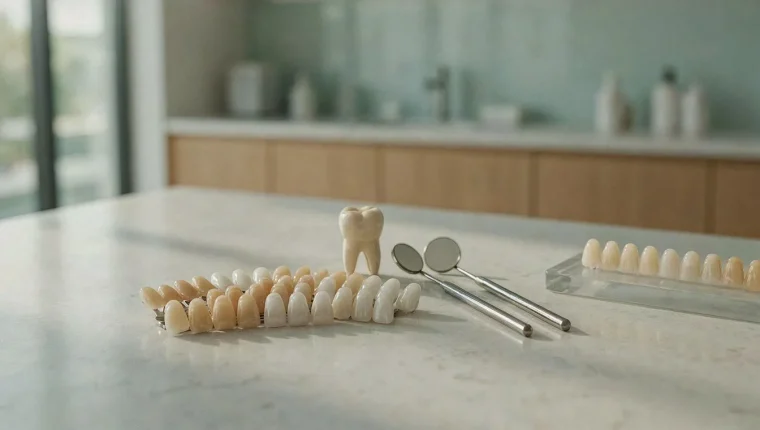
Most makeovers draw from a familiar set of components. Porcelain veneers and crowns reshape or cover teeth, while professional whitening and composite bonding handle discoloration and small chips with less invasive work. When teeth are missing or badly damaged, implants may enter the plan. Gum contouring rounds out the list by adjusting the gum line so the teeth look proportionate.
These elements scale with ambition. Someone chasing a minor cosmetic refresh might need only whitening and a few veneers. A full reconstruction could combine implants, crowns, and gum work across the entire mouth. That range is exactly why headline prices mislead: without a defined treatment set, you are comparing two different projects. Establishing the specific procedures first is what makes any city-to-city comparison meaningful.
Average Smile Makeover Costs in Istanbul
In Istanbul, a single porcelain veneer often falls between $150 and $400 per tooth, while full-mouth veneer cases typically land in the $3,000 to $8,000 range depending on how many teeth are treated. Zirconia or e.max crowns run roughly $200 to $500 each, and dental implants — including the abutment and crown — usually cost between $700 and $1,500 per implant. Professional whitening is one of the most affordable entry points, generally priced from $150 to $400.
These figures shift based on several practical factors. A clinic in Nişantaşı or Levent with international accreditation and English-speaking staff will quote higher than a neighborhood practice in a less central district. Material choice matters too: layered porcelain costs more than monolithic zirconia, and premium implant brands carry a higher unit price than budget alternatives. Complex cases — multiple implants, bone grafting, or full-arch reconstruction — push the total upward quickly.
One detail worth flagging early: many published Istanbul prices cover only the procedure itself. Lab fees, temporary restorations, follow-up visits, and revision work are sometimes quoted separately, so the final invoice can exceed the initial estimate. Asking for a written, itemized treatment plan before committing is the simplest way to avoid surprises.
Average Smile Makeover Costs in Toronto
Toronto quotes for cosmetic dentistry sit in a noticeably higher bracket than their Istanbul counterparts, and the gap shows up across every major procedure. Porcelain veneers commonly fall between $1,200 and $2,500 per tooth at Toronto practices, with premium downtown clinics occasionally quoting above that range. A single implant, including the abutment and crown, typically runs from $3,000 to $6,000, while all-ceramic crowns generally land between $1,000 and $2,000 each. Professional whitening adds a smaller line item, usually $300 to $800 depending on whether it is done in-office or with custom take-home trays.
Where a quote lands within these ranges depends on several practical variables. A dentist with advanced prosthodontic credentials or a cosmetic fellowship will charge more than a general practitioner, and downtown Toronto addresses carry higher rent that gets passed into fees. Suburban practices in Mississauga, Scarborough, or Vaughan often quote 15–30% less for equivalent work. Dental lab fees also matter: Canadian labs producing high-end layered porcelain cost more than offshore labs, and some clinics offer both tiers at different price points.
One structural point deserves early attention: Canadian dental insurance rarely covers the cosmetic portions of a makeover. Veneers, whitening, and smile-design work are almost always classified as elective, so patients in Toronto typically pay out of pocket for the visible part of the treatment.
Key Factors That Drive Price Differences Between the Two Cities
The gap between Istanbul and Toronto pricing is not simply a markup decision made by clinics. It reflects deeper structural differences in how dentistry is delivered, regulated, and financed in each market. Understanding these forces helps you see why the same porcelain veneer or implant crown can carry such different price tags without assuming that one city is cutting corners or the other is overcharging.
Several underlying cost drivers explain most of the variation:
- Labor and operating costs: Toronto clinics face higher wages for dentists, hygienists, and administrative staff, plus steeper rent for compliant commercial space. Istanbul practices operate on a lower local cost base for both salaries and facilities.
- Regulatory and licensing burden: Canadian dental regulation, insurance compliance, and professional liability requirements add administrative overhead that Turkish clinics generally do not carry at the same scale.
- Currency and material sourcing: Toronto clinics buy materials and lab services in Canadian dollars, while Istanbul practices benefit from lira-denominated costs and closer access to regional dental laboratories.
- Lab outsourcing differences: Many Istanbul clinics work with high-volume local labs or in-house technicians, reducing per-unit crown and veneer costs. Toronto labs often charge more per unit due to smaller scale and higher labor.
- Competition and patient volume: Istanbul’s cosmetic dentistry sector serves a large domestic and international patient base, driving competitive pricing and efficient throughput. Toronto’s market is smaller and less price-competitive.
These factors compound rather than cancel out. A Toronto clinic might match Istanbul’s clinical standard, but its cost structure makes a comparable result far more expensive to deliver. Recognizing this distinction matters when you evaluate whether a lower quote reflects genuine efficiency or a shortcut in materials, lab quality, or aftercare.
Weighing Total Value: Quality, Travel, and Long-Term Savings
Once you have the two price lists side by side, the real decision rarely comes down to the lowest quote. A smile makeover in Istanbul may start far below Toronto, but the number on the treatment plan is only the entry point. Travel, accommodation, time away from work, and the possibility of a return trip for adjustments all sit on top of the clinical fee. For a multi-tooth case, flights and a week or two in a hotel can add several hundred to a few thousand dollars, which narrows the gap more than the headline prices suggest.
Quality signals matter just as much as the invoice. Look for licensed clinicians with verifiable cosmetic case portfolios, brand-name materials such as IPS e.max or layered zirconia, written warranties, and a clear aftercare protocol. Ask who handles a chipped veneer six months later, and whether that support is local or requires another flight.
The smarter calculation is long-term savings: divide total cost by expected years of service. Durable restorations with strong aftercare can cost less per year than a cheaper option that needs rework within a few seasons.
FAQs
How much does a smile makeover typically cost in Istanbul compared to Toronto?
A smile makeover in Istanbul typically costs between $2,500 and $8,000, while the same treatment in Toronto usually ranges from $12,000 to $30,000 or more. This price gap stems mainly from lower labor, overhead, and material costs in Turkey, even at private clinics that cater to international patients. Istanbul clinics often bundle veneers, whitening, and gum contouring into all-inclusive packages, whereas Toronto dentists bill each procedure separately at higher rates.
Does the price difference between a smile makeover in Istanbul and Toronto reflect quality or just location?
The price difference between a smile makeover in Istanbul and Toronto reflects location and operating costs far more than quality, since both cities have highly trained cosmetic dentists and internationally accredited clinics. Istanbul's lower prices stem mainly from lower labor, rent, and overhead expenses, not inferior materials or skill. Quality varies within both cities, so the clinic and dentist you choose matter more than the city itself.
What hidden fees or travel expenses should be added when comparing smile makeover Istanbul vs Toronto cost?
When comparing smile makeover costs between Istanbul and Toronto, factor in round-trip airfare, hotel nights for multiple visits, airport transfers, and travel insurance for Istanbul, plus possible follow-up trip costs if complications arise. Toronto pricing usually bundles lab work, X-rays, and aftercare into the quoted fee, while Istanbul clinics may charge separately for CBCT scans, temporary crowns, or revision visits. Add currency conversion spreads, credit card foreign transaction fees, and time off work, since Istanbul typically requires 5 to 10 days on site versus local appointments in Toronto.