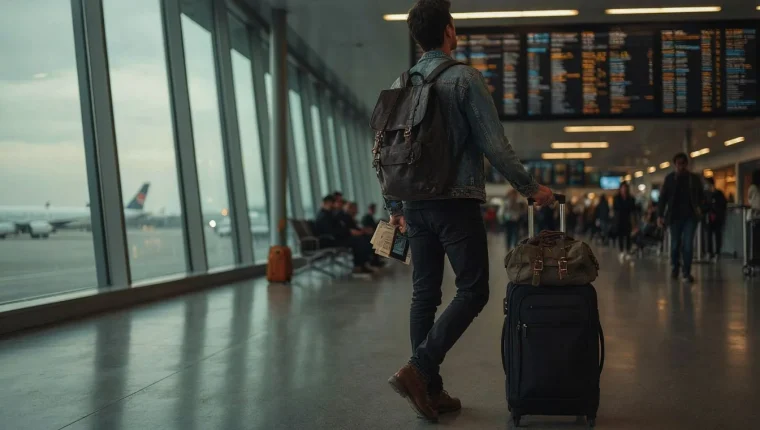
Rhinoplasty usually takes one to three hours, but your travel plans depend on what comes after. Most patients who ask about rhinoplasty Turkey how long stay want to know when they can safely fly and how much time off work to take. The honest answer is that there is no single fixed number. Your surgeon will clear you to fly based on how your nose is healing, not on a calendar.
Three things drive the timeline. The type of procedure matters — a straightforward primary rhinoplasty recovers differently from a revision or one combined with septoplasty. Your own healing pace matters, since swelling and bruising vary widely between patients. And the follow-up schedule matters, because surgeons typically want to see you in person before you leave.
For most patients, that adds up to a stay of roughly 7 to 14 days, with the first week being the busiest. Plan your flights and time off as a range, not a single date, and keep them flexible until your surgeon confirms you are fit to travel home.
Why Recovery Time Matters When Planning Your Rhinoplasty in Turkey
When people picture a trip to Turkey for a nose job, they usually fixate on the surgery itself — a procedure that typically lasts one to three hours. But the operating room is the shortest chapter of the entire journey. What actually determines how many nights you book in a hotel, how many days you take off work, and when you can board a return flight is recovery time, not surgical time. That single distinction reshapes every practical decision you will make.
Healing unfolds in stages, and each stage sets a boundary on your itinerary. In the earliest days, swelling, bruising, and the nasal splint keep you close to your surgeon and largely indoors. Splint removal — often around the first week — marks a genuine milestone, because it signals that the most fragile phase has passed and travel becomes more realistic to discuss. Until then, flying is not simply uncomfortable; cabin pressure changes and dry air can interact poorly with freshly operated tissue, raising the risk of bleeding or added swelling.
Your surgeon’s follow-up schedule quietly dictates the minimum stay. Most clinics want to see you more than once before you leave, and those appointments are not administrative formalities — they are how complications get caught early and how your healing is confirmed as on track. Miss them by flying home too soon and you lose that safety net.
Individual healing speed and the complexity of your procedure add the final layer of variation. A straightforward tip refinement and a full revision with grafting do not recover on the same clock. Two patients can follow identical instructions and still need different departure dates. This is why a realistic plan starts with your body’s timeline, and only then books the flight.
Typical Hospital Stay and First Week After Surgery
Most rhinoplasty procedures in Turkey involve an overnight hospital stay, though some surgeons discharge patients the same day if the operation is straightforward and anesthesia recovery is smooth. You’ll typically be admitted in the morning, undergo surgery, and spend several hours in a recovery area before being moved to your room. Expect to remain under observation for roughly 12 to 24 hours, during which nurses monitor your breathing, manage any nausea, and apply cold compresses to limit swelling. Discharge usually happens the following morning after your surgeon checks the initial result.
During the first week, your schedule revolves around rest and a few key milestones. A nasal splint stays in place to protect the new shape, and if your surgeon used packing, it’s generally removed within one to three days. Many patients fly home with the splint still on, since it typically comes off around day seven. Your first follow-up visit usually falls within 48 to 72 hours of surgery, when the surgeon checks healing and cleans the area.
Comfort levels vary, but most people describe the first two days as the most uncomfortable, with congestion, mild headache, and swelling around the eyes and cheeks. Bruising tends to peak around day two or three and then fades. You’ll be advised to sleep with your head elevated, avoid bending or lifting, and skip strenuous activity entirely. Gentle walking is fine and even encouraged to reduce the risk of clots.
This first week is what anchors your minimum stay length. Because your surgeon needs to see you at least once after discharge and confirm that early healing is on track, most patients should plan to remain in Turkey for at least seven days before considering a flight home.
When Your Surgeon Clears You to Fly Home

No fixed number of days on a calendar determines when you can board a plane. That decision belongs to your surgeon, and it comes after a specific set of checks that confirm your nose is stable enough to handle the cabin environment. Air travel exposes you to reduced cabin pressure, dry air, and prolonged sitting, all of which can affect fresh surgical tissue and increase the risk of swelling or bleeding. Your surgeon weighs these factors against your individual healing progress before giving the green light.
The assessment itself is practical rather than ceremonial. Your surgeon will typically examine the nose after the nasal splint comes off, checking that the underlying structures are settling correctly. They look at suture lines for proper closure, evaluate how much swelling and bruising remain, and feel for any signs of fluid buildup or unusual tenderness. If the tissues look calm and the airway is clear, that points toward an earlier clearance. If swelling is stubborn or a suture needs attention, the timeline stretches.
This is why two patients who had surgery on the same day can receive different departure dates. Healing speed varies with skin thickness, the complexity of the procedure, and how closely post-operative instructions were followed. A straightforward primary rhinoplasty often clears faster than a revision with grafting.
Before you book that flight, expect one final in-person review. Your surgeon wants to see the nose in person, not through a photo, to confirm nothing has shifted since the last visit. Only after that examination will they confirm you are fit to fly.
How Long to Stay in Turkey for Rhinoplasty: Standard vs. Extended Timelines
Two broad timelines cover most rhinoplasty trips to Turkey. The standard stay works for primary, uncomplicated cases, while an extended stay suits revision surgery, combined procedures, or patients whose healing needs closer watching.
A standard trip typically runs 7 to 14 days from arrival to departure. That window usually includes the procedure, a one-night hospital stay, splint removal around day 5 to 7, and a final in-person check before the flight. Most primary patients fit comfortably inside it.
An extended stay stretches toward 14 to 21 days, sometimes longer. Revision rhinoplasty, septoplasty performed alongside the primary procedure, or a slower-than-expected recovery often justify the extra time. So does a patient who wants the surgeon nearby through the first weeks of swelling and bruising.
The trade-off is simple. A shorter trip saves on accommodation, meals, and time away from work, but leaves less room for in-person follow-up. A longer trip costs more upfront yet reduces the risk of flying home before the nose is ready for cabin pressure and long-haul travel.
Procedure type and individual healing response are the two biggest variables. A straightforward primary case may clear for departure within a week. A revision or combined case often pushes the recommended window closer to three weeks, even when the surgery itself goes smoothly.
| Factor | Standard Stay | Extended Stay |
|---|---|---|
| Typical duration | 7–14 days | 14–21 days or more |
| Procedures involved | Primary rhinoplasty, uncomplicated | Revision, septoplasty combined, or complex cases |
| Follow-up needs | One or two in-person checks before flying | Multiple checks, closer monitoring of healing |
| Best suited for | Patients with predictable recovery | Patients with slower healing or higher risk of complications |
Signs You Should Extend Your Stay Before Traveling
Even with a booked flight and a surgeon’s initial approval, some patients develop symptoms in the final days before departure that make flying risky or simply premature. The decision to extend is rarely dramatic; it usually comes down to whether your body is following the recovery curve your surgeon expects. If it is not, a short delay in a controlled environment is far safer than boarding a plane with an unresolved problem.
Watch for these signs that you should discuss a longer stay with your surgeon before traveling:
- Escalating swelling or new bruising: Swelling that suddenly increases, especially on one side, or bruising that spreads rather than fades may need in-person review.
- Active bleeding or persistent oozing: Any bleeding that restarts after it had stopped, or drainage that continues beyond the expected window, warrants a physical examination.
- Breathing difficulty or blocked airflow: Trouble breathing through the nose that worsens instead of improving can point to internal swelling, a hematoma, or a structural issue.
- Signs of infection: Increasing redness, warmth, fever, or discharge with an odor are reasons to stay for direct wound care and possible antibiotics.
- Pain that does not follow the expected curve: Pain that intensifies after the first few days, or that does not respond to prescribed medication, deserves a face-to-face check.
If any of these appear, contact your surgeon or the clinic’s coordinator immediately rather than waiting for your scheduled pre-flight visit. Describe your symptoms clearly, send photos if requested, and ask directly whether your current condition supports air travel. In most cases, the surgeon will either adjust your aftercare, schedule an additional examination, or recommend postponing your flight. Extending your stay is not a setback; it is a deliberate step to protect the result you traveled for.
Balancing Work, Healing, and Follow-Up Visits After You Return Home
Once you are back home, the recovery calendar keeps running even though the travel part is over. Most patients can return to desk-based work about 10 to 14 days after surgery, but plan for lingering swelling and afternoon fatigue during the first two to three weeks. Physically demanding jobs, heavy lifting, and anything that raises your blood pressure usually need three to four weeks before it feels comfortable.
Follow-up care splits neatly into two tracks. Your Turkish clinic typically schedules remote check-ins by photo or video at set intervals, which is enough to track healing, review swelling, and answer questions. In-person visits matter more if you need suture removal, splint adjustments, or a hands-on exam. If your local surgeon or ENT agrees to oversee the later stages, share your operative notes and the clinic’s contact details so they can coordinate directly.
What cannot be handled remotely is anything that needs physical assessment: persistent breathing problems, uneven healing, or a revision discussion. Keep the original clinic informed of any local findings, and send updated photos at the milestones they request. Booking a local appointment within the first two weeks home gives you a safety net and keeps both care teams aligned.
FAQs
How many days should I plan to stay in Turkey for rhinoplasty before I can fly home safely?
Most surgeons advise planning to stay in Turkey for about 7 to 10 days after rhinoplasty before flying home. This allows time for the initial post-operative check-ups, splint removal around day 5 to 7, and confirmation that you are fit to travel. Flying too soon can increase the risk of swelling, bleeding, or pressure-related complications, so your surgeon will give final clearance based on your recovery.
Does the required length of stay in Turkey after rhinoplasty change if I have revision surgery instead of a primary nose job?
Revision rhinoplasty usually requires a longer stay in Turkey than a primary nose job, typically around 10 to 14 days compared with 7 to 10 days. Revision surgery is more complex, involves more swelling and bruising, and carries a higher risk of complications, so surgeons often want to monitor healing and remove splints or stitches before you fly. Your specific timeline still depends on your surgeon's protocol and your individual recovery, so confirm the exact departure date with your operating clinic.
Can I shorten my rhinoplasty Turkey how long stay by scheduling my cast removal and final check-up earlier?
You cannot safely shorten your rhinoplasty stay in Turkey by moving up cast removal or the final check-up, because the standard timeline is based on how nasal tissues actually heal. Most surgeons remove the cast and splint around day 7 to 10 and schedule the final assessment at roughly 6 to 12 months, once swelling has largely resolved. Removing the cast too early can compromise the position of the nasal bones and cartilage, while an early "final" check-up simply cannot evaluate a result that is still changing. If you need to leave sooner, ask your surgeon whether a remote follow-up or a local doctor for cast removal is acceptable rather than compressing the medically necessary schedule.